

The transition into new autumn routines frequently highlights a persistent challenge for modern households: the logistical and emotional complexity of the family dinner. As academic schedules resume and extracurricular activities intensify, parents often report a breakdown in mealtime structure, characterized by conflicting food preferences among children and a lack of physical stability at the table. This phenomenon, often described by caregivers as a "circus environment," has prompted a renewed focus among nutritional experts and family advocates on developing sustainable strategies to reclaim the evening meal as a period of connection rather than conflict.
Data from the American Academy of Pediatrics (AAP) and various family sociology studies indicate that the benefits of shared family meals are extensive, ranging from improved nutritional intake to better emotional regulation in adolescents. However, the gap between these idealized outcomes and the reality of daily implementation remains wide. For many parents, such as those engaging with the YTF Community—a digital resource dedicated to family feeding challenges—the primary obstacles are twofold: the difficulty of preparing a single meal that satisfies multiple palates and the behavioral challenge of keeping young children seated and engaged.
The Evolution of the Modern Family Mealtime
Historically, the family dinner was a rigid social institution with clear hierarchies and expectations. In the mid-20th century, the "traditional" model often involved a stay-at-home caregiver preparing a uniform meal for all family members, with strict behavioral codes enforced. However, the socio-economic shifts of the late 20th and early 21st centuries have fundamentally altered this landscape. The rise of dual-income households, the proliferation of ultra-processed convenience foods, and the intensification of child-rearing expectations have created a high-pressure environment where dinner becomes a point of friction.
A chronological look at the typical family evening reveals a "rush hour" effect between 5:00 PM and 7:00 PM. During this window, parents are often transitioning from professional responsibilities to domestic labor, while children are experiencing the "after-school restraint collapse"—a term used by psychologists to describe the emotional release children experience after a day of following school rules. This intersection of parental fatigue and childhood overstimulation is the primary catalyst for the "circus" atmosphere reported by many caregivers.
Identifying the Core Challenges: Menu Fatigue and Behavioral Instability
The primary complaint among parents of multiple children is the inability to find a "consensus meal." When children have divergent tastes, many parents resort to "short-order cooking," preparing separate dishes for each child to ensure they eat. Experts warn that this practice, while providing a short-term solution to conflict, often reinforces picky eating habits and increases parental burnout.
Simultaneously, the physical act of staying seated at the table has become a significant hurdle. Pediatric occupational therapists suggest that for many young children, the expectation to sit still for 20 to 30 minutes is developmentally mismatched with their need for movement and their limited core strength. When a child feels physically uncomfortable or under-stimulated, they are more likely to leave the table, prompting a cycle of parental frustration and disciplinary intervention that further degrades the mealtime experience.
Supporting Data: The Impact of Mealtime Stress
Recent surveys of American parents indicate that nearly 60% find mealtime to be one of the most stressful parts of their day. This stress has measurable implications for both adult mental health and childhood development. A study published in the Journal of Nutrition Education and Behavior found that parents who experience high levels of stress during meals are less likely to model healthy eating behaviors and more likely to use coercive feeding tactics, such as pressure to eat or using dessert as a reward.
Conversely, data from the Family Dinner Project, a nonprofit initiative based at Massachusetts General Hospital, suggests that even modest improvements in the mealtime atmosphere can yield significant results. Regular family meals are associated with lower rates of substance abuse, teen pregnancy, and depression, as well as higher grade-point averages and self-esteem. The challenge, therefore, is not convincing parents of the importance of the meal, but providing the tactical tools to reduce the "circus" element.
The "Division of Responsibility" as a Strategic Framework
To address these challenges, many family nutritionists advocate for the "Division of Responsibility" (DOR) model, pioneered by dietitian and family therapist Ellyn Satter. This framework provides a clear demarcation of roles that can alleviate the pressure on both parents and children:
- The Parent’s Role: Responsible for the what, when, and where of feeding. This includes choosing the menu, setting a consistent time for meals, and providing a designated space (the table) for eating.
- The Child’s Role: Responsible for the how much and whether of eating. Once the food is presented, the child decides which components to consume and in what quantity.
By adhering to this model, parents can stop the "negotiation" phase of dinner. If a parent serves a single meal that includes at least one "safe" or familiar food (such as bread or fruit), they have fulfilled their responsibility. The psychological shift from "making the child eat" to "providing the opportunity to eat" is often the first step in de-escalating mealtime tension.
Addressing Behavioral "Circus" Dynamics: Expert Reactions
Child development experts suggest that the "circus" environment can be mitigated by adjusting environmental factors. Reactions from pediatricians suggest that the physical environment of the dining room often contributes to restlessness. For example, if a child’s feet are dangling from a chair, they lack the "proprioceptive input" needed to feel secure, leading to fidgeting.
"When we see children who cannot sit at the table, we often look first at their seating," notes one pediatric specialist. "A simple footstool can provide the stability needed to keep a child grounded. Additionally, we must acknowledge that for a three-year-old, ten minutes of seated eating is a victory. Expecting an hour of conversation is unrealistic."
Furthermore, the introduction of "bridge activities"—such as low-stakes conversation starters or simple table chores—can help transition children from a state of high-energy play to a state of calm consumption. The goal is to lower the sensory input of the room, reducing the "circus" feel through lighting, the absence of digital distractions, and a predictable routine.
Broader Implications for Public Health and Family Wellness
The inability of families to successfully navigate dinner has broader implications for public health. As family dinners become more stressful, there is a documented increase in the consumption of "on-the-go" meals and fast food, which are typically higher in sodium and saturated fats. This shift contributes to the rising rates of childhood obesity and metabolic disorders.
Beyond physical health, the "circus" dinner represents a lost opportunity for emotional checking-in. In an era of increasing digital isolation, the dinner table remains one of the few places where face-to-face communication is prioritized. When this environment becomes a battleground, the emotional safety of the home is compromised.
The enrichment of resources like the YTF Community signifies a grassroots response to this systemic issue. By providing "members-only" access to customizable meal plans, shopping lists, and peer support, these platforms aim to reduce the "cognitive load" of meal planning. Reducing the mental energy required to decide "what’s for dinner" allows parents to redirect that energy toward managing behavior and fostering connection.
Analysis of Sustainable Solutions
To move toward a more peaceful dinner routine, experts suggest a multi-pronged approach:
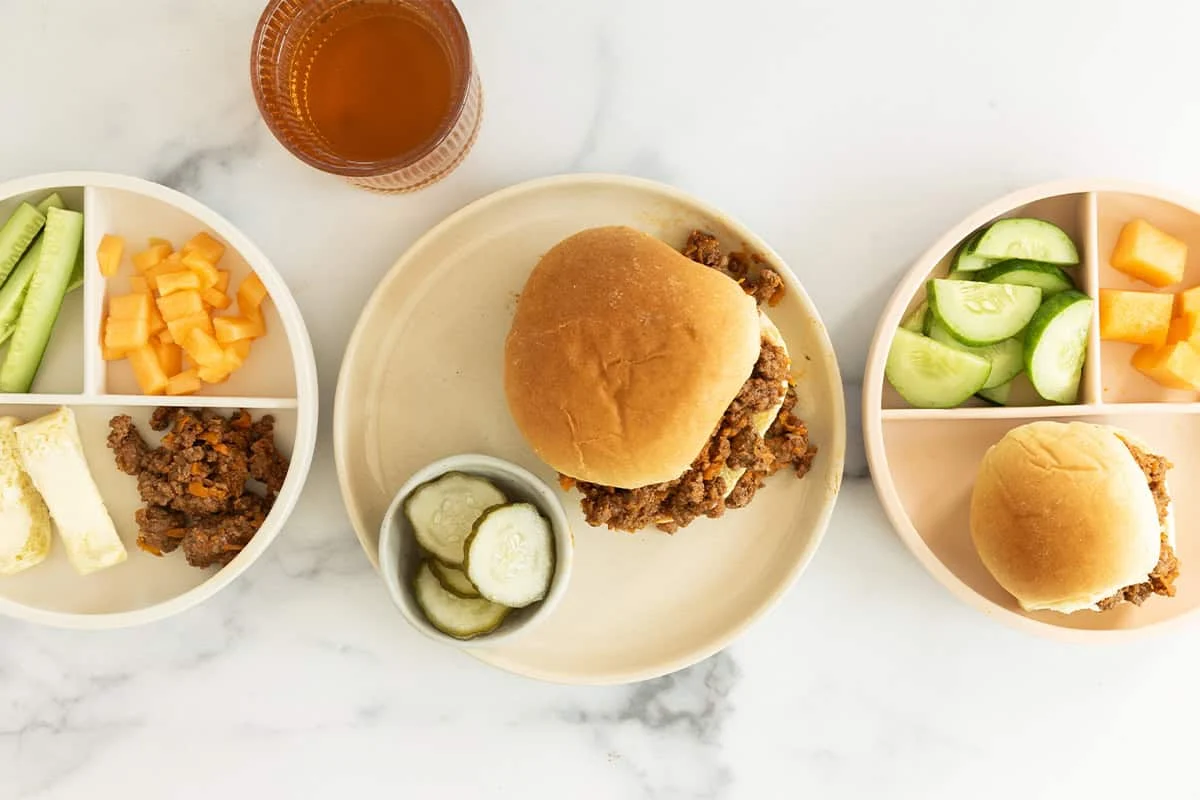
- Menu Simplification: Moving away from complex, multi-component recipes toward "deconstructed" meals where children can choose individual elements (e.g., a taco bar or a pasta station). This respects individual preferences without requiring multiple separate meals.
- Behavioral Scaffolding: Implementing small, incremental goals for table sitting, rewarded by positive reinforcement rather than punished by coercion.
- Routine Consistency: Establishing a "pre-dinner" ritual that signals the end of the day’s chaos, such as washing hands together or setting the table, to help regulate the family’s collective nervous system.
In conclusion, the "circus" at the dinner table is not a failure of parenting, but a symptom of the modern lifestyle’s friction with childhood development. By applying evidence-based feeding frameworks and adjusting expectations to meet developmental realities, families can transform the evening meal from a source of exhaustion into a sustainable pillar of household stability. The ongoing dialogue within communities of parents and experts remains essential in refining these strategies for the diverse needs of contemporary families. As routines solidify in the coming months, the focus must remain on progress over perfection, recognizing that a simplified, peaceful meal is far more beneficial than a complex, stressful one.
