

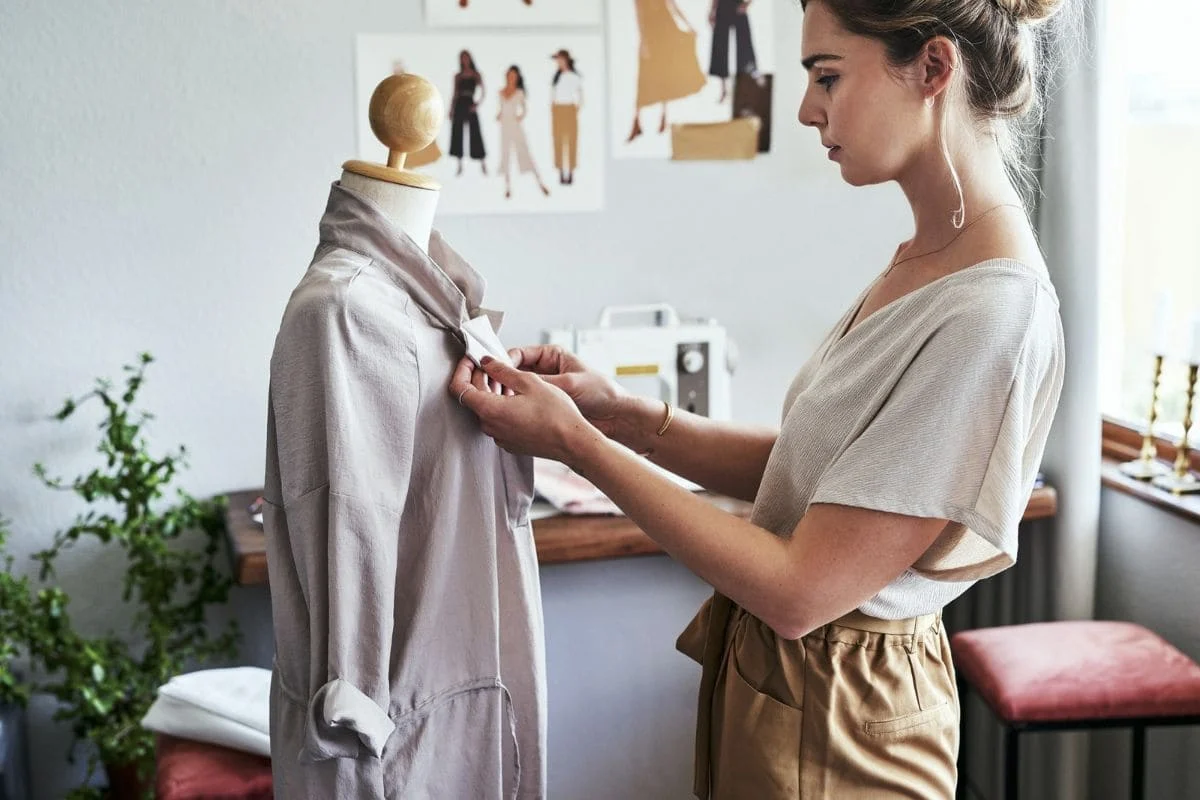
The allure of the fashion industry, with its glittering runways, trendsetting designers, and aspirational aesthetics, has long captivated a global audience. For many, the dream of a career in fashion seems distant, reserved for those with elite design school pedigrees or coveted internships. However, the reality is far more accessible. The contemporary fashion landscape is a dynamic and expansive ecosystem, offering a wealth of possibilities that extend far beyond traditional design roles. This industry, a multi-billion dollar global market, is increasingly embracing remote work, opening doors for a diverse range of talents to contribute and thrive from anywhere. This exploration delves into 14 distinct avenues for individuals to monetize their passion for fashion, all while operating remotely.
The American fashion industry alone represents a colossal economic force, valued at an estimated $400 billion and providing employment for 1.8 million individuals, solidifying its position as the world’s largest national fashion market. This immense scale translates into a broad spectrum of career opportunities. While specific roles are numerous, they can broadly be categorized into five core areas: Design and Product Development, Marketing and Communications, Retail and Merchandising, Media and Content Creation, and Technical and Support Services. Each of these domains presents unique entry points, and many are particularly well-suited to remote engagement in the digital age.
I. The Evolving Landscape of Fashion Careers
Historically, breaking into the fashion industry often necessitated physical presence in major fashion hubs like New York, Paris, or Milan. However, the digital revolution has fundamentally reshaped this paradigm. Advancements in communication technology, e-commerce platforms, and specialized software have dismantled geographical barriers, allowing for collaboration and service provision across continents. This shift has democratized access to fashion careers, empowering individuals with specialized skills and a keen understanding of industry trends to build successful professional lives without relocating. The COVID-19 pandemic further accelerated this trend, normalizing remote work across numerous sectors, including fashion, and demonstrating the viability of virtual operations for many fashion-related businesses.
II. Pathways to Remote Fashion Income
The following 14 opportunities illustrate the diverse ways individuals can leverage their passion for fashion into profitable remote careers. These roles cater to a variety of skill sets, from creative artistry and writing to analytical and entrepreneurial endeavors.
1. Affiliate Marketing in Fashion
Affiliate marketing has emerged as a powerful strategy for individuals to monetize their online presence within the fashion niche. The core principle involves promoting fashion products—be it apparel, accessories, or footwear—through personal platforms. This can manifest as engaging content on fashion blogs, curated posts on social media channels, persuasive email newsletters, or in-depth product reviews. The mechanism is straightforward: affiliate marketers share unique links to products they endorse. When a consumer makes a purchase through these links, the marketer earns a commission. This model offers significant flexibility, allowing individuals to integrate promotions seamlessly into their existing content creation efforts. It can serve as a robust source of passive income, particularly for those who have cultivated a dedicated audience interested in their style recommendations and product insights. The scalability of affiliate marketing means that as an influencer’s reach grows, so too does their earning potential.
2. Fashion Content Creation
The rise of the digital creator has profoundly impacted the fashion industry, shifting influence away from traditional media outlets and towards relatable, individual voices. Content creators, through platforms like Instagram, TikTok, YouTube, and personal blogs, have become key players in trend forecasting and style dissemination. Their perceived authenticity and personal connection with audiences often translate into higher trust and engagement. For individuals possessing a distinct personal style and a passion for crafting compelling narratives, content creation offers a direct route to a broad audience. Monetization can be achieved through various avenues, including sponsored posts, brand collaborations, affiliate marketing, and the sale of digital products or merchandise. The accessibility of these platforms allows aspiring creators to build a following and establish themselves as authorities in their chosen fashion sub-niche.
3. Digital Pattern Making
For those with a blend of technical proficiency and creative vision, digital pattern making presents a highly sought-after remote career. This role involves translating design concepts into precise digital patterns using specialized software, such as Adobe Illustrator or CLO 3D. Instead of traditional paper drafting, digital pattern makers create patterns that can be easily manipulated, resized, and shared electronically. Key responsibilities often include drafting garment patterns from sketches, grading patterns across a range of sizes, and incorporating detailed construction notes. This profession is particularly attractive due to its inherent remote-friendliness, requiring only a computer and the appropriate software. It bridges the gap between creative design and the practicalities of garment production, making it an indispensable part of the modern fashion supply chain.
4. Fashion Description and Copywriting
Writers with a flair for descriptive language and an understanding of consumer psychology can find lucrative opportunities in fashion copywriting. This role focuses on crafting compelling product descriptions that not only inform potential buyers about features and benefits but also evoke emotion and drive sales. Effective fashion copy answers consumer questions, highlights unique selling propositions, and aligns with a brand’s overall voice and aesthetic. Both freelance and in-house positions are widely available, with remote work being the standard for many companies seeking skilled copywriters to enhance their online retail presence. The ability to translate visual appeal into persuasive written content is a highly valued skill in the e-commerce fashion space.
5. Independent Fashion Design and E-commerce
The entrepreneurial spirit finds a strong outlet in independent fashion design, particularly with the advent of robust e-commerce platforms. Aspiring designers no longer need the backing of large fashion houses to launch their own clothing lines. Platforms like Etsy, Shopify, and even social media marketplaces provide accessible avenues for selling handmade or custom-designed apparel and accessories. Success in this domain often hinges on effective Search Engine Optimization (SEO) for product listings, strong visual merchandising, and building a loyal customer base through consistent quality and brand storytelling. Furthermore, established fashion brands increasingly collaborate with freelance designers for specific collections or projects, offering remote work opportunities for those with a unique design sensibility and the ability to work independently.
6. Fashion Illustration and Digital Artistry
Fashion illustration blends artistic talent with digital rendering techniques to visually represent clothing, accessories, and footwear. These illustrations serve as critical communication tools, finding application across a wide array of media, including fashion magazines, product packaging, social media campaigns, retail displays, and advertising. The project-based nature of many illustration commissions makes it an ideal remote role. Freelance illustrators are frequently engaged for specific campaigns or product launches, allowing them to manage their workload and client base from anywhere. Titles such as Concept Designer, Art Director, Illustrator, or Graphic Designer may encompass similar responsibilities within a remote framework.
7. Remote Fashion Merchandising and Buying
Fashion merchandising, the strategic process of purchasing and presenting products for sale, is evolving to incorporate remote capabilities. While traditionally an in-house role requiring physical presence for inventory management and store visits, technology is enabling greater flexibility. Merchandisers now increasingly leverage data analytics, trend forecasting software, and virtual collaboration tools to make informed purchasing decisions. While fully remote positions in this area might be less common than in other fields, hybrid models are becoming more prevalent. Companies are recognizing the value of talent, regardless of geographical location, and are adapting their operational structures to accommodate remote or hybrid merchandising roles. This requires strong analytical skills, an understanding of consumer behavior, and the ability to communicate effectively across distributed teams.
8. Fashion Journalism and Editorial Roles
The realm of fashion writing and editing is inherently suited to remote work. Fashion writers delve into the industry’s latest collections, groundbreaking innovations, emerging trends, and cultural impacts. The research, writing, and communication required for these roles are largely conducted online. Freelance fashion journalists regularly contribute to various publications, receiving assignments and submitting their work digitally. Editorial roles, which involve shaping the content direction of a publication, including ideation, story development, and refining the publication’s overall voice, can also be performed remotely or through hybrid arrangements. This field demands a sharp eye for detail, excellent research skills, and a compelling writing style that captures the essence of the fashion world.
9. Virtual Styling and Personal Shopping
The accessibility of personal styling has been dramatically enhanced by the internet. Companies like Stitch Fix have pioneered remote personal styling services, employing virtual stylists to curate outfits for clients based on their individual preferences and needs. This model allows clients to receive personalized recommendations and try items at home, returning those that don’t fit their style or requirements. Beyond established companies, individuals can establish their own online styling businesses. A strong social media presence, a professional website or landing page, and positive client testimonials can be sufficient to attract a clientele seeking personalized fashion guidance. Virtual stylists can conduct consultations via video calls, create digital lookbooks, and assist with online shopping, making it a fully remote and scalable career.
10. Online Fashion Reselling
The burgeoning secondhand fashion market has transformed thrifting into a significant entrepreneurial venture. The growing awareness of sustainability and the appeal of unique, cost-effective pieces have fueled the popularity of online reselling. Individuals can source pre-owned clothing and accessories from thrift stores, estate sales, or personal wardrobes and then list them for sale on platforms such as Poshmark, Depop, eBay, and Etsy. Success in this field requires a keen eye for quality and style, effective photography, compelling product descriptions, and efficient shipping logistics. This model offers a flexible and accessible entry point into the fashion business, allowing entrepreneurs to curate their own collections and build a customer base around their unique aesthetic.
11. Online Sewing Instruction
Skilled sewers and crafters have the opportunity to share their expertise by offering online sewing instruction. This can encompass a variety of formats, including pre-recorded video tutorials, live virtual workshops, and downloadable sewing patterns. Platforms like Skillshare, Udemy, and Teachable provide robust infrastructure for hosting online courses, allowing instructors to reach a global audience. Live virtual classes can often command a higher price point, offering interactive learning experiences. This career path is ideal for individuals who are passionate about teaching and possess a strong understanding of sewing techniques, pattern usage, and garment construction.
12. Textile Design for Remote Clients
The intricate world of textile design, responsible for creating the patterns and prints that adorn fabrics, is increasingly accessible remotely. Textile designers research trends, develop concepts, and build digital patterns for everything from simple stripes to complex abstract motifs. Communication with clients, pattern creation, and file delivery are all managed digitally. Freelance textile design positions are common, allowing designers to work on a project basis for brands worldwide. This role requires a strong artistic sensibility, proficiency in design software, and an understanding of how designs translate to different fabric types and applications.
13. Upcycled Fashion Entrepreneurship
Building upon the principles of reselling, upcycled fashion offers a more creative and sustainable approach to making money in fashion. This involves transforming pre-existing garments or textiles into new, unique pieces. Examples include repurposing vintage items, repairing and redesigning damaged clothing, or creating entirely new garments from discarded materials. This business model directly counters the criticisms leveled against fast fashion, appealing to environmentally conscious consumers seeking one-of-a-kind items. The creative freedom inherent in upcycling allows for significant innovation and brand differentiation.
14. Remote Wardrobe Consulting
Wardrobe consultants offer a personalized service to help individuals curate and optimize their personal style. This often involves a comprehensive review of a client’s existing wardrobe, identifying pieces that align with their lifestyle, body type, and color palette, and assisting with decluttering. The subsequent phase involves guiding clients in selecting and purchasing new items to create a cohesive and functional wardrobe. With the aid of online shopping tools, video consultations, and digital lookbooks, wardrobe consultants can effectively serve clients remotely. The use of postal services for sample exchanges or return coordination further facilitates this geographically flexible profession.
III. Implications and Future Outlook
The proliferation of remote work opportunities within the fashion industry signifies a democratization of access and a diversification of talent. This trend not only benefits individuals seeking flexible careers but also allows businesses to tap into a wider pool of expertise, potentially leading to more innovative and globally informed product development and marketing strategies. As technology continues to advance, and as consumer demand for personalized and sustainable fashion grows, the landscape of remote fashion careers is poised for further expansion. The ability to blend creative passion with digital proficiency is becoming an increasingly valuable asset, enabling individuals to forge fulfilling and financially rewarding careers within this vibrant and ever-evolving industry. The traditional barriers to entry are dissolving, making the dream of a fashion career more attainable than ever for enthusiasts worldwide.
