

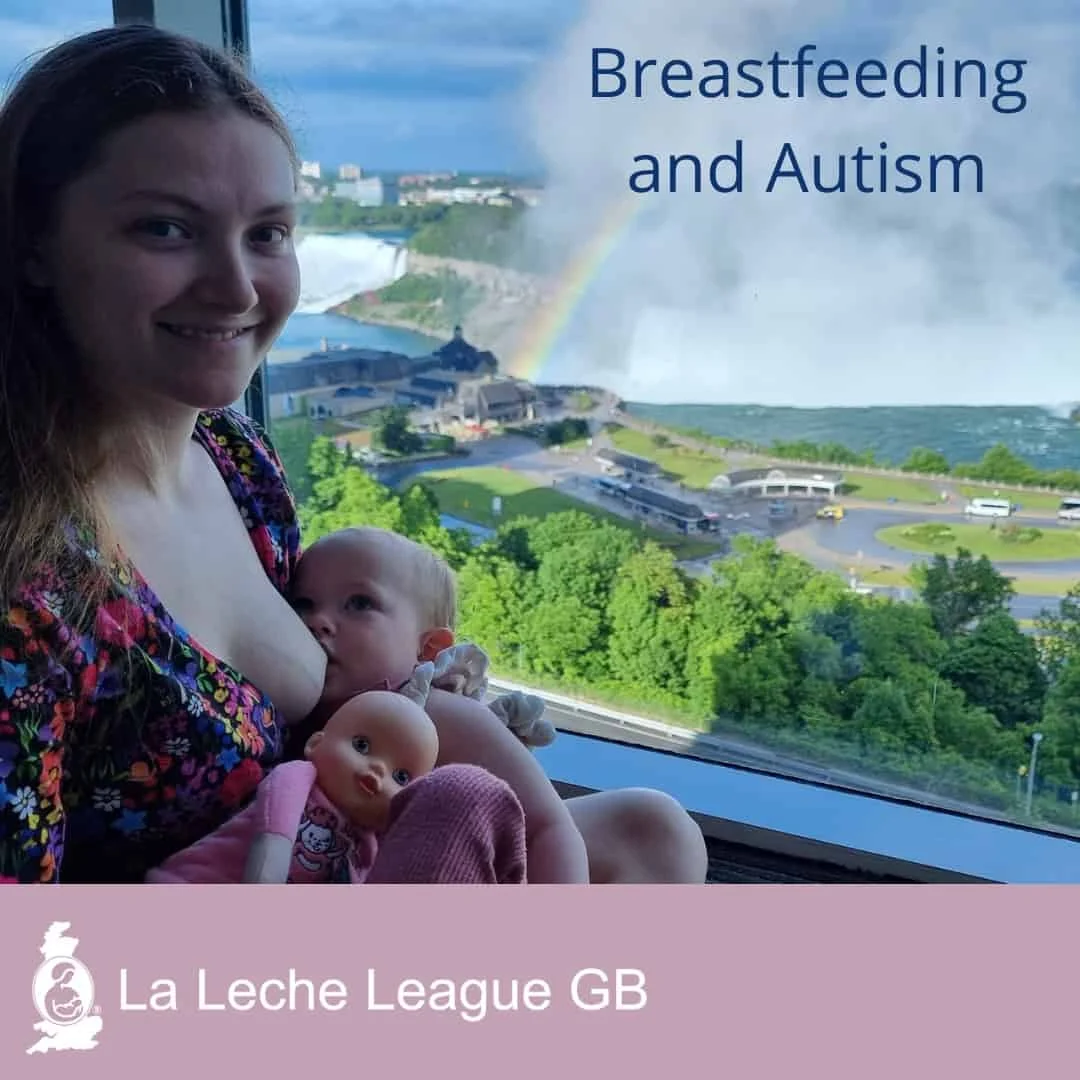
Breastfeeding, a deeply personal and often challenging journey for any parent, presents a unique landscape of considerations for autistic individuals and families raising autistic children. Autism, a neurodevelopmental difference, shapes how individuals experience the world and communicate, introducing both specific strengths and potential hurdles in the context of lactation and infant feeding. This nuanced understanding is crucial for fostering inclusive support systems that genuinely meet the diverse needs within the neurodivergent community.
Autism Spectrum Disorder (ASD) is characterized by differences in social communication and interaction, and restricted or repetitive patterns of behavior, interests, or activities. However, the term "spectrum" emphasizes the vast variability in how autism manifests, with each autistic person having a distinct profile of abilities and challenges. The neurodiversity paradigm, increasingly adopted by researchers and advocates, views autism not as a disorder to be cured but as a natural variation of the human brain, bringing unique perspectives and ways of processing information. This perspective is vital when discussing healthcare and parenting, moving away from deficit-based models towards inclusive, strength-based approaches.
The Evolving Understanding of Autism and Neurodiversity
Historically, autism was poorly understood, often misdiagnosed, or attributed to environmental factors. The diagnostic criteria have evolved significantly since Leo Kanner’s initial description in 1943, broadening the spectrum and improving recognition, particularly in girls and women who often "mask" or present differently than stereotypical male presentations. This masking behavior, where individuals suppress autistic traits to conform to neurotypical social norms, can lead to significant mental health challenges and contribute to high rates of undiagnosed autism. Estimates suggest that while approximately 0.82% of the population of England are formally diagnosed autistic, a staggering up to 72% of the autistic population may remain undiagnosed, a figure that healthcare providers must consider when offering support. The rise of the neurodiversity movement has pushed for greater recognition and accommodation of autistic traits, emphasizing individualized support over a one-size-fits-all approach. This shift is particularly pertinent in maternity and early childhood care, where standard protocols may inadvertently create barriers for neurodivergent families.
Breastfeeding for Autistic Parents: Unique Challenges and Strengths

The decision and experience of breastfeeding for autistic women and parents are multifaceted. While many find profound benefits, the journey can also be complicated by sensory sensitivities, communication differences, and the often overwhelming nature of navigating conventional healthcare systems.
Navigating Maternity Care and Support Systems:
Autistic parents may encounter significant difficulties in accessing and benefiting from standard maternity care and breastfeeding support. Traditional healthcare environments, with their bright lights, loud noises, strong smells, and unpredictable social interactions, can be highly dysregulating. For an autistic individual, a bustling clinic or a group breastfeeding session might trigger sensory overload, making it difficult to focus, process information, or even communicate effectively.
Communication differences can further complicate matters. Some autistic people may struggle with verbal communication, especially under stress, or may interpret instructions very literally. This can make it challenging to articulate their needs, ask for help, or engage in the nuanced back-and-forth typical of health consultations. Masking, a common strategy among autistic individuals, can lead parents to suppress their discomfort or difficulties, appearing fine even when in distress. This makes it imperative for support providers to be acutely aware of subtle cues and offer diverse communication options, such as written forms, visual aids, or even allowing a trusted support person to attend appointments. The higher rates of Post-Traumatic Stress Disorder (PTSD) observed in the autistic community, often linked to overwhelming or unsupportive medical experiences, underscore the need for trauma-informed care.
The Calming Power and Empowerment of Breastfeeding:
Despite these challenges, breastfeeding can be a source of immense comfort and empowerment for autistic parents. Many report that the act of breastfeeding provides a cherished period of calm and quiet, offering a protected space to sit, rest, and connect with their baby. This consistent, predictable routine can be grounding in the often chaotic early days of parenthood. The physical closeness and hormonal release during breastfeeding can also contribute to a sense of well-being and attachment.
Furthermore, autistic individuals often exhibit exceptional abilities in independent research and deep dives into subjects of interest. Parents who choose to breastfeed may meticulously research the topic, becoming highly knowledgeable and determined in their feeding goals. This dedication, coupled with a strong sense of purpose, can be a significant asset in overcoming obstacles and sustaining breastfeeding. The ability to nourish their child from their own body can also instill a profound sense of empowerment and bodily autonomy, especially for those who may have felt a lack of control over their bodies in other medical contexts.
Sensory Differences in Autistic Parents:
Sensory processing differences are a hallmark of autism, affecting how an individual experiences sight, sound, touch, taste, and smell. These differences can profoundly impact the breastfeeding experience:

- Touch: The sensation of a baby suckling, milk let-down, or even the texture of nursing bras or clothing can be intensely pleasurable or highly aversive. Some parents might find the physical contact overwhelming, while others crave the deep pressure and connection.
- Sound: The sounds of a baby feeding, gulping, or crying, or even ambient noises during feeding, can be amplified or distressing. A quiet, controlled environment often becomes essential.
- Smell: The natural scent of a baby or breast milk, or even perfumes/lotions, can be either comforting or overwhelming.
- Taste: Dietary changes that affect milk taste, or the taste of expressed milk, might be a factor.
- Interoception: Difficulties in sensing internal bodily states like hunger, thirst, or pain can affect a parent’s ability to recognize their own needs, potentially impacting milk supply or their ability to sustain breastfeeding.
Tailored Support for Autistic Breastfeeding Parents:
Recognizing these unique needs, effective support must be highly individualized and flexible. This includes:
- Accessible Information: Providing clear, concise information in various formats (written, visual, digital).
- Flexible Communication: Offering options beyond phone calls, such as email, text, or online help forms, like the one provided by LLLGB.
- Inclusive Group Settings: For those who wish to attend groups, providing clear directions, visual schedules, quiet spaces, and allowing a trusted support person can make a significant difference.
- Sensory-Friendly Environments: Healthcare settings should consider lighting, noise levels, and crowded waiting areas.
- Trauma-Informed Care: Healthcare providers trained in understanding and responding to trauma, particularly birth trauma, are essential.
- Validation and Empowerment: Affirming the parent’s choices and strengths, and supporting their autonomy.
Breastfeeding an Autistic Child: Nurturing and Navigating
The benefits of breastfeeding extend well beyond infancy, and for autistic children, it can play an even more critical role in development, regulation, and nutrition. With increasing autism diagnosis rates in children, understanding their unique feeding patterns and needs is paramount. The World Health Organization (WHO) recommends breastfeeding for two years and beyond, with the natural age of weaning estimated between 2.5 and 7 years. For an autistic child, breastfeeding may be a vital source of comfort, regulation, and nutritional support for an extended period.
Sensory Differences in Autistic Children and Feeding:
Just as with autistic parents, sensory processing differences significantly impact how an autistic child experiences feeding. These differences can lead to a spectrum of responses:
- Seeking Sensory Input: Some autistic children may seek frequent breastfeeding as a means of sensory regulation. The rhythmic suckling, the close physical contact, and the oral input can be profoundly calming and organizing, especially when feeling overwhelmed by external stimuli in a busy or unfamiliar environment. This can manifest as very frequent nursing, often referred to as "comfort feeding."
- Avoiding Sensory Input: Conversely, sensory aversions can make feeding challenging. A child might struggle to feed if they are sensitive to the temperature of the room, the texture of their parent’s skin, certain sounds, or even the way they are held. If a child suddenly refuses to feed or struggles to latch, it can be helpful to assess the immediate environment for potential sensory triggers and make adjustments.
- Oral Sensitivities: These can impact both breastfeeding and the introduction of solid foods. A child might be highly sensitive to certain textures, temperatures, or tastes, leading to a restricted diet and a continued reliance on breast milk for nutrition.
"High Needs" Babies and Feeding Patterns:
Many babies, particularly neurodivergent ones, may be described as "high needs." This often refers to an intense need for proximity to their primary caregiver, frequent feeding, and difficulty with independent sleep or soothing. For autistic children, this can be particularly pronounced, as breastfeeding provides a consistent, familiar, and regulating experience. While this intensity is a normal and expected aspect of infant development, it can be incredibly demanding on parents, highlighting the crucial need for robust social support and self-care strategies. Finding like-minded communities and practical assistance from family and friends becomes essential during these intense early years.
Weaning and Boundaries: A Complex Journey:
Weaning, a natural progression in the breastfeeding journey, can be significantly more challenging when an autistic child is involved. Sensory issues, communication differences, and the child’s reliance on breastfeeding for co-regulation can make traditional weaning methods difficult.

- Communication Barriers: Autistic children may struggle to verbally express their needs or understand complex explanations about weaning. This can make it difficult to set boundaries or introduce alternative comforts.
- Sensory Reliance: For children who use breastfeeding as a primary means of sensory regulation, removing this source of comfort can be highly distressing and dysregulating.
- Interoception Difficulties: Some autistic individuals have interoception challenges, meaning they struggle to recognize internal bodily signals like hunger, thirst, or fullness. This can lead to a child not understanding why they are being offered solid food when they don’t feel "hungry," or conversely, not recognizing when they are full during a breastfeed.
- Nutritional Support: If a child experiences sensory aversions to solid foods, leading to a limited diet, continued breastfeeding can provide vital nutrients they might otherwise be missing. This often leads parents to continue breastfeeding into toddlerhood and beyond, following WHO recommendations.
When parents choose to set boundaries or begin weaning, creative and patient strategies are often required. Options may include:
- Visual Schedules: Using pictures or symbols to communicate when and where breastfeeding will occur, helping to establish predictability.
- Distraction and Redirection: Offering alternative activities or comforts during typical feeding times.
- Gradual Reduction: Slowly decreasing the frequency or length of feeds, rather than abrupt cessation.
- Alternative Comforts: Introducing other forms of physical comfort or sensory input to help the child regulate.
- Empathetic Communication: Even if a child is non-verbal, clear, consistent, and calm communication about changes can be helpful.
Organizations like La Leche League (LLL) offer invaluable support and information on setting boundaries and weaning at different ages and stages, adapting their advice to the unique needs of neurodivergent families.
Broader Implications and Future Directions
The experiences of autistic parents and children in breastfeeding underscore the urgent need for a more neuro-inclusive approach across healthcare and societal support systems.
Systemic Changes in Healthcare:
Maternity and pediatric services must evolve to better accommodate neurodivergent individuals. This requires:
- Comprehensive Training: Healthcare professionals, from midwives to lactation consultants, need training on neurodiversity-affirming care, including understanding communication differences, sensory sensitivities, and the impact of masking.
- Accessible Environments: Creating sensory-friendly clinic spaces and offering flexible appointment structures.
- Diverse Communication Tools: Implementing written communication options, visual aids, and allowing for support persons as standard practice.
- Trauma-Informed Practices: Ensuring that all interactions are sensitive to past traumatic experiences and prioritize patient autonomy and control.
Increased Societal Awareness and Research:
Public awareness campaigns can help destigmatize neurodiversity and foster a more understanding community. Furthermore, there is a critical need for more dedicated research into the specific breastfeeding experiences of autistic parents and children. Such research can inform evidence-based guidelines and develop specialized support programs.

Empowerment Through Community and Support:
The journey of breastfeeding, particularly for neurodivergent families, is often enriched by peer support. Connecting with other autistic parents or parents of autistic children can provide validation, practical advice, and a sense of belonging. Organizations like the Maternity Autism Research Group (MARG) and LLLGB play a vital role in bridging knowledge gaps and providing targeted support.
In conclusion, breastfeeding for autistic parents and children is a journey rich with unique considerations, strengths, and challenges. By embracing a neurodiversity-affirming lens, providing individualized and flexible support, and continuously adapting healthcare practices, we can ensure that all families receive the compassionate and effective care they deserve, empowering them to navigate this fundamental aspect of early parenthood with confidence and success.
