

In a compelling testament to maternal resilience and the complexities of post-trauma care, an anonymous mother from Yorkshire has shared her harrowing experience of sustaining a severe breast injury in a car crash while exclusively breastfeeding her six-month-old daughter. The incident, which occurred on a national speed limit road, presented a unique set of medical and personal challenges, pushing the boundaries of conventional care for lactating women and ultimately highlighting the importance of a patient-centered, adaptive approach. Despite initial fears that she would have to cease breastfeeding entirely, the mother, with the support of a flexible medical team, successfully continued to nurse her child, demonstrating remarkable determination in the face of adversity.
The Collision: A Sudden Impact and Immediate Injury
The accident unfolded when the mother was seated in the back of a vehicle with her six-month-old daughter. Another driver unexpectedly turned across their path on a road designated for national speed limits, leading to a high-impact collision. While the vehicle’s front airbags deployed, there were no corresponding airbags in the rear passenger compartment. Consequently, the mother’s seatbelt became the sole restraint protecting her from the force of the crash. Although the seatbelt effectively prevented more severe injuries, its immense pressure against her body resulted in a significant blunt force trauma to one of her breasts.
In stark contrast, the infant daughter, securely fastened in a rear-facing car seat, appeared largely unharmed, sustaining only a minor bruise from her own car seat belt. The partner, who was driving, also escaped with a relatively minor burn from the deploying airbag. The family collectively acknowledged their fortune, considering the potential severity of the crash. However, for the mother, the immediate aftermath brought a rapidly escalating crisis: her injured breast began to swell, becoming intensely bruised and painful, signaling a profound internal injury.
Initial Medical Response and Diagnosis Challenges
Upon arrival at Accident & Emergency (A&E), the gravity of the mother’s breast injury quickly became apparent. Medical staff arranged for a breast pump to be retrieved from the maternity ward, a crucial step given her exclusive breastfeeding status. The attempt to pump from the injured breast yielded minimal results, and the small amount of fluid that did emerge was disturbingly bright red, indicative of internal bleeding. Fortunately, the uninjured breast continued its normal milk production, albeit with some minor bruising. The medical team advised her to persistently use the pump on the damaged breast, a recommendation aimed at preventing engorgement and potentially stimulating drainage, despite the painful output.
A few days later, an ultrasound scan was performed, which, while confirming the trauma, did not immediately reveal a clear path for intervention. The subsequent weeks were characterized by agonizing pain, persistent swelling, and a burning sensation in the injured breast with every movement. This severely restricted her ability to care for her daughter, limiting physical interaction and confining them indoors for an extended period, adding a layer of emotional and practical strain to her recovery. This phase underscored the often-overlooked challenges faced by mothers recovering from physical trauma, particularly when their primary caregiving role is intertwined with their physical health.
Navigating the Breast Clinic: Fluid Buildup and a Difficult Choice
The persistent pain and swelling necessitated a referral from her General Practitioner (GP) to a specialized breast clinic. Here, a subsequent ultrasound scan unveiled the true extent of the internal damage: a massive accumulation of fluid, later identified as a hematoma or seroma, within the injured breast. This significant fluid buildup was exacerbating her pain and hindering the natural healing process.
A crucial intervention followed: a needle aspiration procedure was performed, draining over a pint of liquid. The relief was immediate and profound, a moment vividly recalled by the mother, including a nurse’s cheerful description of the extracted fluid as resembling a "latte." While the physical relief was immense, the consultation brought a sobering warning. The consultant cautioned that if the swelling recurred, the mother might need to cease breastfeeding altogether to halt milk production, thereby allowing the breast to heal without the added physiological stress of lactation.
This prospect was profoundly distressing for the mother. The idea of abruptly discontinuing breastfeeding, which had been the sole source of nutrition and comfort for her six-month-old, was emotionally devastating. Her research had revealed only one similar case online – a woman advised to stop breastfeeding her newborn after a car crash due to an identical injury. The perceived scarcity of information and support for lactating mothers facing such specific trauma amplified her anxieties, highlighting a potential gap in common medical protocols and patient information resources.
The "Wait-and-See" Approach: A Path to Continued Breastfeeding
True to the consultant’s warning, the swelling did return within days, though not to the same severe extent as initially. Another needle aspiration was performed, and antibiotics were prescribed to mitigate the risk of infection. Crucially, at this juncture, the consultant agreed to adopt a "wait-and-see" approach, allowing the mother to continue breastfeeding while monitoring the fluid buildup for further reduction. This decision marked a turning point, offering a glimmer of hope and validating the mother’s strong desire to continue nursing.
The subsequent period involved a demanding and repetitive cycle of hospital visits for drainage every few days. Each time, progressively less liquid was aspirated, indicating a gradual resolution of the internal fluid collection. Simultaneously, the mother diligently continued to pump from the damaged breast every few hours, even as the milk initially presented as "pink," a persistent reminder of the internal trauma. Over several months, this arduous routine slowly yielded results. The need for drainage eventually ceased, and the small amount of milk produced from the injured side gradually returned to a normal white color. This allowed her to cautiously reintroduce feeding her daughter from the damaged breast. The relentless pumping regimen was finally over, and with it, the intense pain began to subside, and the breast started to regain a more normal appearance, save for a lingering ridge where the seatbelt had inflicted its damage.

Long-Term Adaptations and Sustained Lactation
Nine months after the traumatic accident, the mother continues to breastfeed her daughter on both sides. While the injured breast now produces very little milk, it still provides comfort and connection for her child. The unaffected breast has admirably compensated, producing sufficient milk to satisfy her daughter’s nutritional needs. The introduction of solid foods has further alleviated any concerns about her daughter receiving adequate nourishment, a common anxiety for mothers experiencing reduced milk supply.
The mother suspects that the milk ducts in the injured breast were irrevocably damaged, preventing milk from reaching the nipple and leading to a natural cessation of production in that compromised area. Medical consultants have been unable to confirm if the supply will ever return to the damaged side, a prospect she views as increasingly unlikely. Physically, she notes a degree of asymmetry, describing herself as "a bit lopsided-looking," a direct consequence of one breast performing the vast majority of milk production for nearly a year.
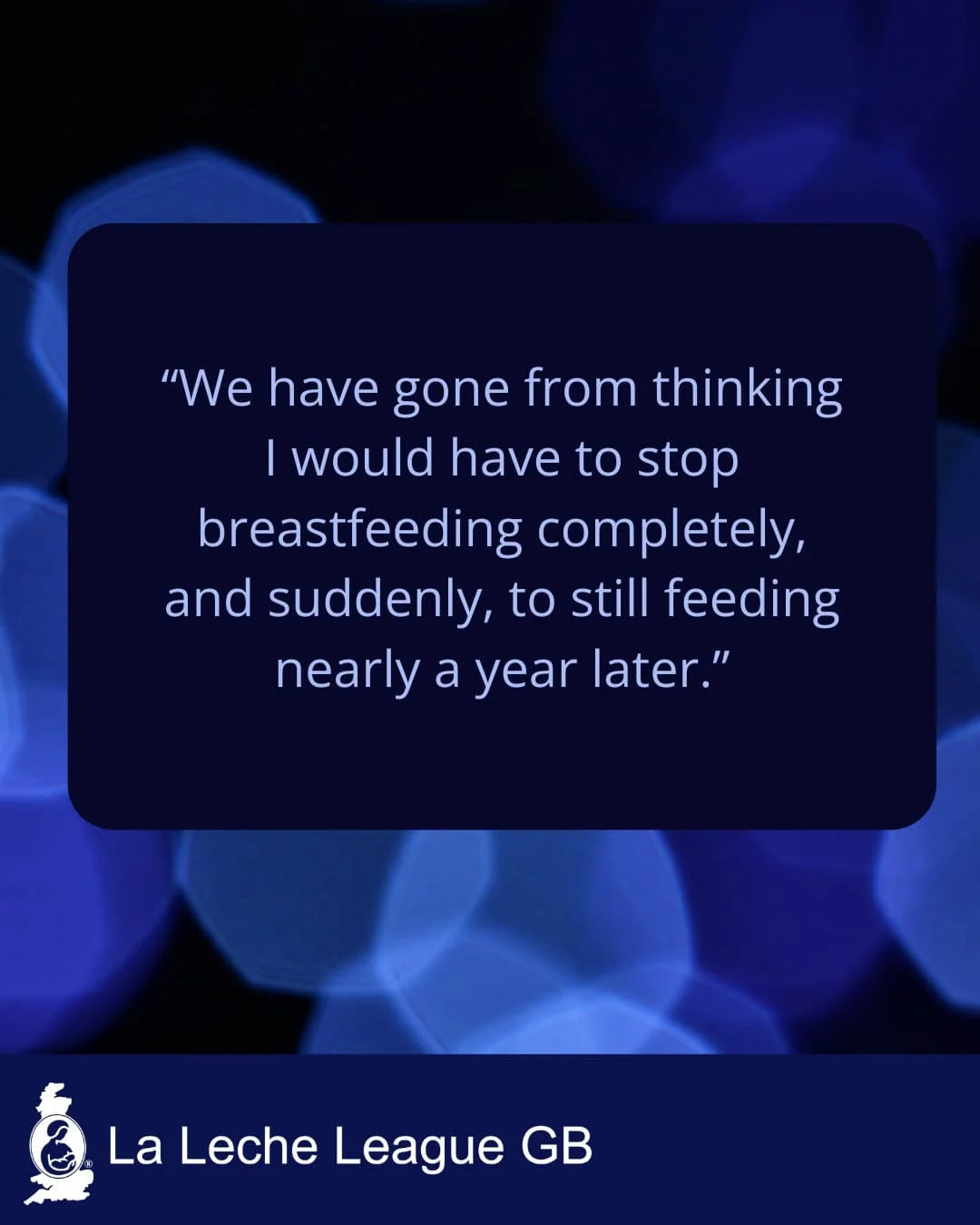
Despite these physical changes and the arduous journey, the overarching sentiment is one of profound success. The family transitioned from a position where complete and sudden cessation of breastfeeding seemed inevitable to celebrating nearly a year of continued nursing. This outcome stands as a powerful testament to her perseverance and the efficacy of the "wait-and-see" medical strategy.
Expert Perspectives on Breast Trauma and Lactation Management
Breast injuries resulting from seatbelts, often termed "seatbelt syndrome" when associated with other thoracic or abdominal injuries, are a recognized, albeit less common, form of blunt trauma. While seatbelts are crucial life-saving devices, the immense forces involved in a collision can, in rare instances, cause localized damage, particularly to soft tissues. In the case of lactating women, such trauma presents unique challenges. The breast, being a highly vascular and glandular organ, is susceptible to hematoma (blood collection) or seroma (serous fluid collection) formation following injury.
Medical management typically involves initial assessment for structural integrity, monitoring for infection, and, as demonstrated in this case, aspiration of fluid collections to alleviate pain and promote healing. The dilemma for lactating mothers lies in balancing the healing process with the continuation of milk production. Halting lactation can reduce engorgement and pressure, theoretically aiding healing. However, it carries significant emotional and nutritional implications for both mother and child. This case highlights the importance of individualized care, where a rigid protocol might be less beneficial than a flexible approach that considers the patient’s specific circumstances and desires. The consultant’s willingness to allow continued breastfeeding, despite the initial recommendation for cessation, proved pivotal. This "wait-and-see" approach, coupled with diligent monitoring and repeated aspirations, allowed the body to gradually resolve the issue while preserving the breastfeeding relationship.
Broader Context: Car Safety and Post-Accident Care Protocols
The incident also underscores broader considerations regarding road safety and post-accident medical protocols. According to data from the UK Department for Transport, while road casualties have generally declined over the past decades, serious injuries from collisions remain a significant concern. The effectiveness of seatbelts in preventing fatalities and severe injuries is undeniable, with countless lives saved annually. However, this case serves as a poignant reminder that while seatbelts protect, they can also be the mechanism of specific, localized injuries.
Furthermore, the experience highlights the critical importance of rear-facing car seats for infants. Road safety organizations globally, including those in the UK, strongly advocate for children to remain in rear-facing seats for as long as possible, often until they outgrow the weight or height limits, typically around four years of age. The daughter’s minor injury compared to the mother’s severe trauma is a stark illustration of the superior protection offered by rear-facing configurations, which distribute impact forces more evenly across the child’s back, neck, and head.
From a healthcare perspective, this narrative suggests a need for enhanced awareness and potentially refined protocols within emergency and breast clinics concerning the specific needs of lactating women post-trauma. While general guidelines exist, unique scenarios like a severely injured, actively lactating breast require nuanced decision-making that prioritizes both physical recovery and the continuation of vital maternal-infant functions like breastfeeding.
The Significance of Shared Experiences and Community Support
The mother’s decision to share her deeply personal story stems from a desire to offer hope and practical insight to others who might face similar, isolating injuries. Her experience underscores the power of shared narratives in providing comfort and valuable information where official medical literature or common knowledge may be scarce. In situations where specific medical advice is limited, peer experiences can become an invaluable resource, guiding individuals through uncharted territory.
Organizations like La Leche League, which the original article implicitly references, play a crucial role in providing support, information, and a sense of community for breastfeeding mothers. Their emphasis on informed decision-making and mother-to-mother support is particularly vital when mothers face unexpected health challenges that could impact their breastfeeding journey. This story serves as a powerful endorsement of patient advocacy and the benefits of a collaborative relationship between patients and their healthcare providers.
Conclusion: A Triumph of Perseverance and Adaptive Care
The journey of this anonymous mother from Yorkshire represents a profound triumph of perseverance, demonstrating that even in the face of significant physical trauma and daunting medical advice, continued breastfeeding can be achieved through determination and adaptive medical care. Her experience highlights the critical importance of a nuanced, patient-centered approach, particularly when dealing with complex injuries in specific physiological states like lactation. It also serves as a poignant reminder of the physical and emotional toll unexpected events can take on new mothers, and the vital role of comprehensive support systems, both medical and communal. This case offers a beacon of hope, illustrating that even when things seem uncertain, there can indeed be a path towards sustained breastfeeding and a positive outcome for both mother and child.
