

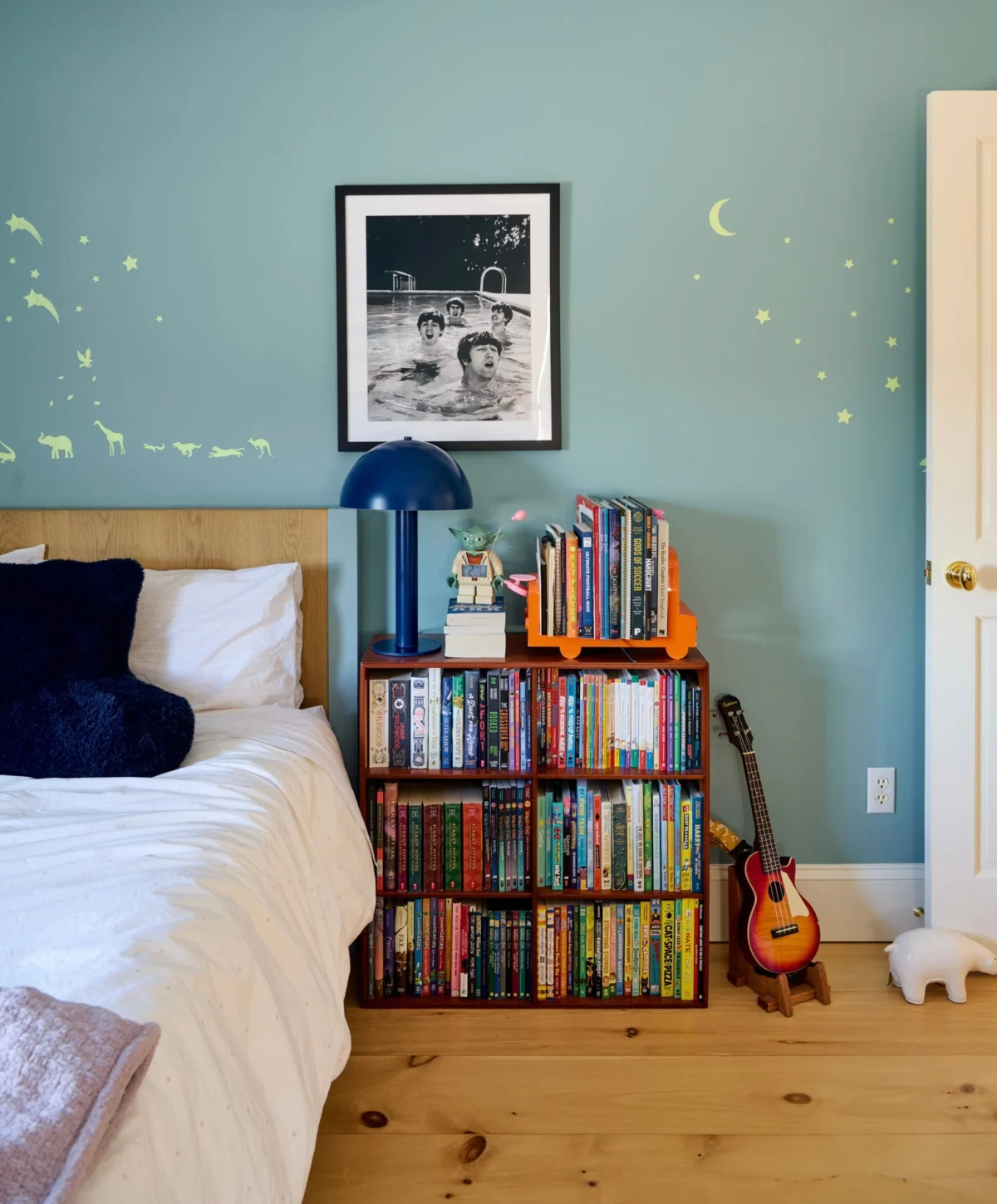
The challenge of managing a large household often extends beyond meal preparation and scheduling to the fundamental biological necessity of sleep. In a domestic environment where four children share limited square footage, the logistical hurdles of morning routines can become a source of significant familial friction. For Mo Vazquez and her family, the primary conflict centered on the auditory disruption caused by traditional alarm clocks. With four children residing in three bedrooms situated off a single small landing—one of which lacks a door—the sound of a single alarm frequently served as a catalyst for a household-wide wake-up call, often hours before it was necessary for the other siblings.
The Vazquez residence features a compact architectural layout common in many urban environments, where privacy is often a luxury and sound travel is a persistent issue. Two of the children utilize a bunk bed configuration, further complicating the sensory environment. According to the family, the overlapping schedules of the children created a cycle of sleep deprivation. Indy Vazquez, age 11, noted that the children would often be awoken up to six times between 6:00 a.m. and 7:00 a.m. as various siblings’ alarms triggered. This phenomenon was exacerbated by the common habit of using the "snooze" function and the failure to deactivate alarms during weekend hours, leading to what Indy described as "alarm trauma"—a state of heightened stress and frustration resulting from sudden, repetitive auditory alerts.
The Evolution of Haptic Wake-Up Solutions
To address this systemic disruption, the family transitioned from traditional auditory alarms to haptic feedback technology, specifically "bed shakers." These devices, which have long been a staple in the d/Deaf and hard-of-hearing communities, utilize a vibrating disc placed either beneath a pillow or under a mattress. Unlike traditional clocks that rely on high-decibel sound to rouse a sleeper, these devices use tactile stimulation to alert a specific individual without broadcasting the signal to others in the vicinity.
The adoption of the bed shaker represents a shift in household management toward personalized sensory experiences. For the Vazquez children, the change was immediate and restorative. Ike Vazquez, age 13, reported that the vibration offered a more gradual transition from sleep to wakefulness compared to the "frantic noise" of a standard beep. This observation aligns with sleep science research regarding the "startle response," where sudden loud noises can trigger a spike in cortisol and heart rate, leading to a more stressful start to the day.
The Physiological Impact of Auditory vs. Tactile Alarms
The move toward vibrating alarms is supported by emerging data regarding sleep hygiene and adolescent development. According to the National Sleep Foundation, adolescents require significantly more sleep than adults—typically between 8 and 10 hours—due to rapid physical and cognitive growth. However, the biological clock of a teenager often shifts later, making early morning wake-ups particularly difficult.
Traditional auditory alarms often induce a state known as sleep inertia, which is the feeling of grogginess and cognitive impairment immediately following an abrupt awakening. Research suggests that the method of awakening can influence the duration and intensity of sleep inertia. While loud, repetitive beeping is effective at ensuring a person wakes up, it can also lead to "alarm fatigue," where the brain begins to associate the sound with stress.
In contrast, haptic alarms, such as those used by the Vazquez family, utilize mechanoreceptors in the skin to signal the brain. Because the vibration is localized, it bypasses the auditory cortex of other household members. This "micro-privacy" allows for individualized schedules within shared spaces, a necessity in modern high-density living arrangements.
Historical Context and Market Accessibility
The technology behind bed shakers is not new, but its entry into the mainstream consumer market marks a significant trend in inclusive design. Originally developed as assistive technology for those with hearing impairments, vibrating alarms have evolved from bulky, corded units into sleek, Bluetooth-enabled devices that can be controlled via smartphone applications.
Market data from the sleep technology sector indicates a growing demand for "silent" alarms. This includes not only standalone bed shakers but also the integration of haptic motors in wearable devices such as smartwatches and fitness trackers. The global sleep tech market, valued at approximately $15 billion in 2021, is projected to grow significantly as consumers seek data-driven and non-invasive ways to improve their rest. The shift toward vibrating alarms in the Vazquez household reflects a broader societal move toward "quiet tech"—devices designed to fulfill their functions without contributing to the ambient noise pollution of the home.
Chronology of the Household Transition
The transition in the Vazquez home followed a distinct timeline of trial and error:
- The Recognition Phase: The family identified that the "bananas" atmosphere in the mornings was not due to a lack of discipline, but rather a failure of the existing alarm infrastructure.
- The Brainstorming Phase: Family members discussed various options, including staggered wake-up times and soundproofing, before settling on the bed shaker as the most cost-effective and least intrusive solution.
- The Implementation Phase: Each child was provided with a vibrating disc. This allowed for the immediate cessation of loud, shared alarms.
- The Evaluation Phase: After a period of use, the children reported a decrease in morning stress and an increase in the quality of their "second sleep"—the period between their siblings’ early alarms and their own required wake-up time.
Mo Vazquez summarized the ultimate goal of this transition as a pursuit of collective well-being, stating, “I just want everyone to get a good night of sleep.”
Broader Implications for Modern Parenting and Housing
The Vazquez case study highlights several critical issues facing modern families, particularly those in urban environments where "close sleeping quarters" are the norm. As housing costs continue to rise and multi-generational or high-density living becomes more common, the management of shared sensory space becomes a vital component of household harmony.
The "trauma" described by 11-year-old Indy is a poignant reminder of the psychological toll that constant environmental stressors can take on children. By empowering children with their own personalized alarm systems, parents can foster a sense of autonomy and reduce the "frantic" nature of the morning rush.
Furthermore, the success of the bed shaker in this context suggests that many solutions for mainstream household problems may already exist in the realm of assistive technology. The principles of Universal Design—creating products that are accessible and beneficial to all people, regardless of their physical abilities—are increasingly being applied to home electronics.
Conclusion and Future Outlook
As the Vazquez family has demonstrated, the resolution to a complex domestic problem often lies in the adoption of specialized technology. The move from auditory to tactile alarms has effectively eliminated the "alarm chain reaction" that previously plagued their mornings.
For the broader public, this shift underscores the importance of considering the sensory environment of the home. As more families look for ways to optimize sleep in shared spaces, it is likely that haptic wake-up solutions will move from being a niche "trick" to a standard household utility. The experience of the Vazquez children—moving from "frantic noise" to being "eased awake"—serves as a compelling argument for the reevaluation of how we begin our days.
While simple alarm clocks still have their proponents, the rise of localized, silent wake-up technology offers a path forward for those living in close proximity. In the quest for better sleep and reduced morning conflict, the bed shaker represents a quiet, yet powerful, revolution in domestic logistics. The data and anecdotal evidence from the Vazquez household suggest that when it comes to waking up, sometimes the best way to be heard is not to make any sound at all.
