

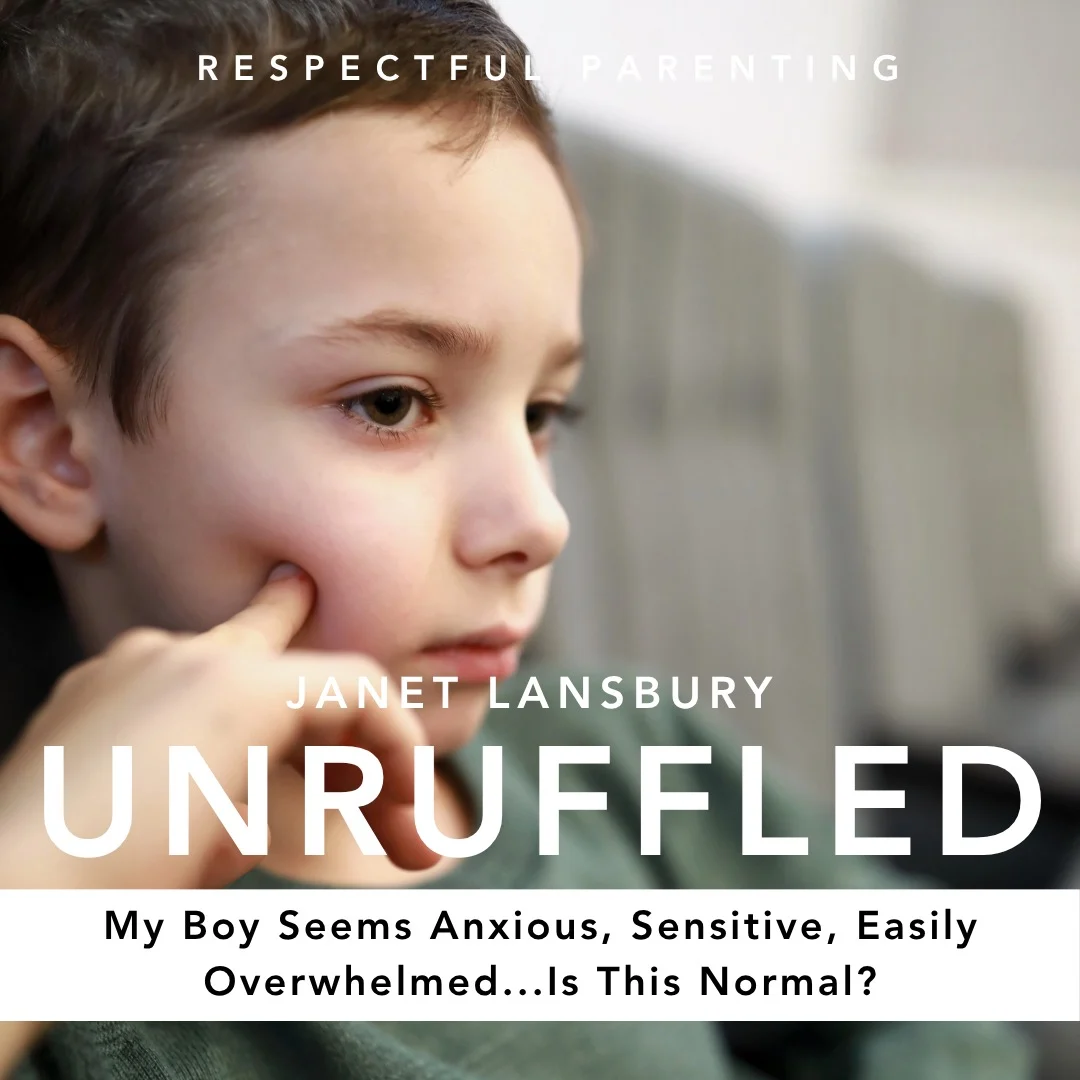
In a recent broadcast of her podcast "Unruffled," parenting expert Janet Lansbury addressed concerns from several parents grappling with what they perceive as their children’s heightened anxiety, sensitivity, and tendency to become easily overwhelmed in social settings. Lansbury, known for her approach to child development, offered reassurance and practical guidance to parents feeling lost and even experiencing shame over their child’s temperament, particularly when contrasted with their peers. The core message conveyed was one of acceptance, trust, and understanding of these children’s unique emotional landscapes.
Understanding Sensitive Temperaments: A Growing Parental Concern
The podcast episode, released on July 5, 2025, delved into three distinct parental queries, each painting a picture of a child who struggles with social engagement, often retreating from group activities or experiencing significant distress in stimulating environments. Lansbury highlighted that while such temperaments might be less common, they are far from rare, and she personally identifies with the experience of being a reserved or "slow-to-warm-up" child.
One parent, describing their three-year-old son, articulated a common sentiment: "I’m so lost… Sometimes I feel shame – not about him – but because I want to do fun things with him, but he always pulls back and retreats." This feeling of inadequacy stems from a desire to foster joyful experiences with their child, only to be met with withdrawal. Lansbury sought to dismantle this narrative, emphasizing that such sensitivities are not deficiencies but rather inherent traits that require understanding and support, not shame.
Case Study 1: The Overwhelmed Three-Year-Old
The first parent shared their anxieties about their three-year-old son. While he exhibits independence and comfort in solitary play, social interactions, even those initiated at his own request, often prove overwhelming. A particularly poignant example was his reaction during his birthday party. When guests enthusiastically sang "Happy Birthday," the child reacted by burying his face in his mother’s shoulder and biting her, prompting a request for quieter singing.
Lansbury interpreted this behavior not as defiance, but as a clear indicator of being overwhelmed. She validated the mother’s quick response in asking for quieter singing, framing it as a supportive measure rather than an accommodation that would hinder the child’s development. The child’s avoidance of group activities, such as swimming when additional people join, or his hovering at the periphery of games with multiple children, were also identified as coping mechanisms for managing sensory and social overload.
The parent expressed concern about their son’s retreat from activities, even when they try to facilitate his participation. "Do I go after him or let him do his own thing?" they questioned, highlighting their struggle to find the right balance. Lansbury addressed the parent’s fear of "ruining" their child, reassuring them that allowing the child to manage his own space and needs, within appropriate boundaries, is precisely how he learns that his feelings of overwhelm are valid. The desire to teach him regulation skills, rather than simply "getting over" being overwhelmed, was acknowledged as a crucial distinction.
Case Study 2: The Reserved Four-Year-Old and the Football Class
The second parent, a first-time mother, detailed her four-year-old son’s consistently reserved nature. Born during the pandemic, his early social interactions were limited, leading to intense crying when relatives attempted even minor engagement. The mother’s initial approach of giving him space and communicating his need for distance was noted by Lansbury as a sensitive response.
The decision to enroll him in a playgroup at age four, while beneficial for his socialization, still resulted in instances of crying and distress, particularly during transitions or events like his "moving up" pictorial, where his photos captured him in tears or looking sad. Lansbury posited that these displays, while difficult for parents to witness, are positive indicators that the child is expressing his emotions rather than suppressing them.
A recent enrollment in a football class presented a new challenge. Despite enjoying football with his father privately, in the group setting, the child became extremely clingy, requiring a parent to remain by his side and crying if they moved away. This behavior contrasted sharply with his peers, including younger children, who navigated shyness or distraction more independently. The parent’s frustration was palpable: "Admittedly, this made me more frustrated. He is tired because it is his nap time, but he has acted better in similar no-nap cases before, but without a crowd."
Lansbury’s analysis focused on the intensity of the football class environment for a sensitive child. She suggested that highly structured group activities requiring performance and coordination, like football, might be a mismatch for a child who is sensitive to social dynamics and sensory input. The key takeaway for this parent was the importance of setting "reasonable boundaries." This means not forcing the child into situations that are excessively distressing but also establishing boundaries for the parent’s own well-being and the integrity of the activity. Lansbury advised against continuing with the class if it demanded constant parental proximity, suggesting that such a scenario is unsustainable and potentially counterproductive. She emphasized that there is no rush for children to participate in structured sports and that it is crucial to align activities with a child’s genuine interests and developmental readiness.
Case Study 3: The Nearly Six-Year-Old’s Anticipatory Sadness
The third scenario involved a nearly six-year-old son who actively requested his parents not attend school events. His reasoning was not a lack of desire for their presence, but an anticipation of sadness and tears upon their eventual departure. He had previously experienced distress during a school trip when his parents were present, crying for a significant portion of the event, although he later enjoyed their company and was fine with their leaving.
In the current situation, with ten class swimming lessons for parents to observe, the child explicitly stated he did not want them to come, fearing he would become sad. The parents respected his choice, but the mother questioned whether it would be more beneficial in the long run to gently encourage him to face these difficult emotions.
Lansbury highlighted the nuanced nature of the child’s feelings. While he described it as sadness, she suggested it could also be an expression of deep affection and a desire for constant togetherness. She stressed the importance of parents managing their own anxiety about their child’s emotions. Instead of trying to "fix" or eliminate the sadness, the focus should be on normalizing it and creating an environment where the child feels safe to express it.
For this family, Lansbury proposed a boundary that balances respecting the child’s feelings with the parents’ desire to participate. She suggested communicating to the child that their presence is desired and that it’s acceptable for him to cry. "I know you’re afraid and you’re worried you’re going to cry. It’s okay if you cry. I really want to come, and I’m not afraid of you crying. I want you to share that with me," she advised. This approach, she explained, helps the child understand that his emotions are not frightening to his parents and that they can navigate challenging feelings together. The underlying principle is that by demonstrating bravery in the face of a child’s vulnerability, parents help their children develop resilience.
Broader Implications and Expert Analysis
Across all three cases, Lansbury reinforced a central theme: the validity and strength of sensitive temperaments. She argued that these children are not "broken" or "deficient" but possess a depth of feeling and awareness that can be a profound gift. The tendency to become anxious, sensitive, or overwhelmed in certain social situations is a normal, albeit challenging, aspect of their personality.
Key Takeaways for Parents
Lansbury outlined several key principles for parents navigating similar situations:
- Acceptance Over Accommodation: While supportive, parents should avoid over-accommodating behaviors that might inadvertently reinforce a child’s avoidance or anxiety. True support lies in accepting the child’s temperament as it is.
- Normalization of Emotions: Crying, sadness, and overwhelm are natural human responses. Parents play a crucial role in normalizing these emotions for their children, signaling that it’s safe and acceptable to feel them.
- Reasonable Boundaries: Establishing clear, consistent, and reasonable boundaries is vital for both the child’s development and the parent’s well-being. This involves understanding what is sustainable and appropriate for the family.
- Trust in the Child: Parents are encouraged to trust their child’s inner wisdom and their ability to manage their emotions and needs. This trust, coupled with parental acceptance, fosters confidence in the child.
- Parental Self-Acceptance: Lansbury touched upon the possibility that parents might see reflections of their own past vulnerabilities in their children. Accepting oneself, including past struggles with social anxiety or shyness, is a prerequisite for fully accepting a child’s similar traits.
The episode concluded with a message of encouragement, reminding parents that raising children with sensitive temperaments is a journey that requires patience, courage, and a deep well of empathy. Lansbury’s advice aims to empower parents to foster resilient, confident individuals who can embrace their unique qualities. The underlying data points to a growing awareness within parenting circles about the spectrum of child temperaments, moving beyond simplistic labels like "shy" or "difficult" to a more nuanced understanding of individual emotional needs. As research in developmental psychology continues to explore the nuances of temperament and its impact on social development, Lansbury’s insights offer a valuable framework for parents seeking to support their sensitive children.
