

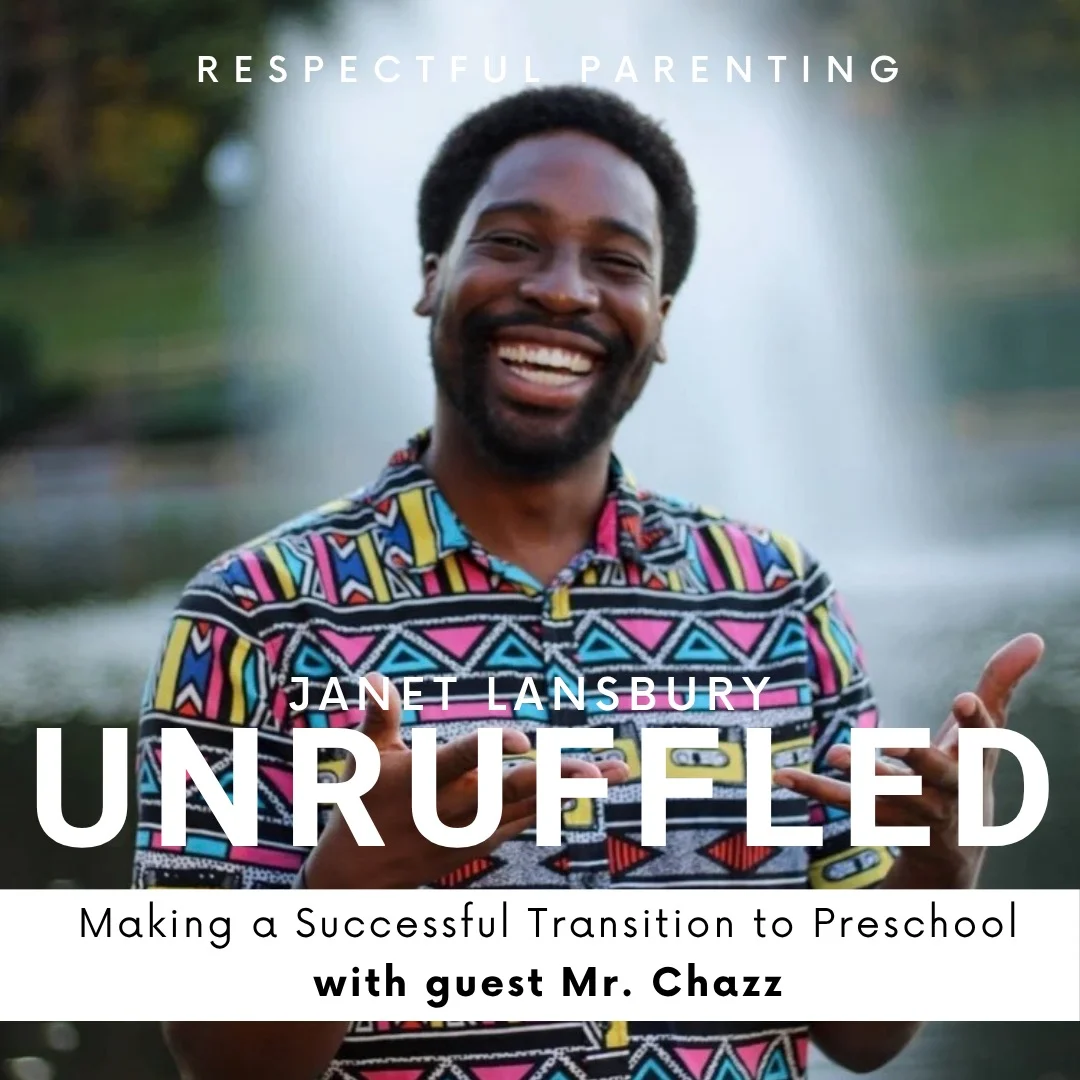
Renowned educator Mr. Chazz, celebrated as "America’s Favorite Teacher," recently joined host Janet Lansbury on her podcast, "Unruffled," to discuss the critical process of transitioning young children into preschool and childcare environments. The conversation, which aired on October 5, 2025, highlighted Mr. Chazz’s innovative approach at his new Brooklyn-based childcare center, Birdhouse, emphasizing trust, connection, and the well-being of both children and educators.
Mr. Chazz, who has cultivated a significant following on platforms like TikTok and Instagram for his accessible and empathetic approach to child development, shared his insights on navigating the often-stressful separation anxiety experienced by both children and parents. He posited that traditional childcare models frequently prioritize adult convenience over the developmental needs of children, leading to less than ideal transition experiences.
Addressing the "Ideal" vs. "Reality" in Early Childhood Transitions
Mr. Chazz articulated a clear distinction between the aspirational model he has developed at Birdhouse and the common practices he has observed in many existing childcare facilities. "I think 99% of childcare centers, the way they do the transition is not ideal," he stated. "We often do things for the convenience of the adult rather than what’s best for the child or the teachers or even the family unit." This pragmatic observation underscores a systemic issue within the early childhood education sector, where resource constraints and logistical challenges can often overshadow child-centered methodologies.
His critique extends to the very language used to describe the process, advocating for a shift from "drop-off" and "pick-up" to "arrival" and "reunion." This semantic change, he explained, is not merely cosmetic but reflects a fundamental reorientation towards fostering a sense of belonging and connection from the moment a child enters the facility.
The Birdhouse Model: Prioritizing Educator Well-being for Child-Centered Care
A cornerstone of Mr. Chazz’s innovative approach at Birdhouse is the strategic support provided to his teaching staff. He revealed that the head teacher at the Brooklyn center resides on-site, a measure designed to alleviate financial burdens and reduce the pervasive stress often associated with the teaching profession. "Teachers don’t feel like they’re in their own survival state. They can really lend their prefrontal lobes and really care for the children because they feel cared for and they’re not in a survival state," Mr. Chazz explained. This philosophy aligns with extensive research indicating that teacher well-being is directly correlated with the quality of care and education children receive. High turnover rates in early childhood education, often attributed to low pay and demanding work conditions, can significantly disrupt a child’s sense of security and consistency. By investing in their staff, Birdhouse aims to cultivate a more stable and nurturing environment.
Cultivating Connection: The "Arrival" Process at Birdhouse
The Birdhouse "arrival" process is meticulously designed to ease children into the school environment. Upon entering, parents and children are guided through a series of visual cues, a strategy known to be highly effective for young learners. This visual routine typically includes:
- A Moment of Connection: This can range from a high-five to a hug or a personalized greeting, tailored to each child’s comfort level. Mr. Chazz emphasizes that children are never forced to connect, respecting their individual pace.
- Putting Away Belongings: Children are shown where to hang their coats and store their belongings, fostering a sense of responsibility and organization.
- Transitioning Indoors: In New York City, where Birdhouse is located, removing outdoor shoes is a practical step to maintain hygiene within the play space. Visual cues, such as shoe prints, help guide this process.
- Hand Washing: A communal activity that reinforces hygiene and provides a natural transition point before engaging in classroom activities.
- A Final Moment of Connection: Before the parent departs, a brief, meaningful interaction is encouraged. This could be a hug, a kiss, or a quick game, reinforcing the bond and providing reassurance.
This structured approach, while more time-consuming than a swift "drop-off," aims to create a secure and connected experience, enabling children to more readily engage in learning and play. The emphasis on connection is crucial, as research in attachment theory consistently highlights the importance of secure relationships for healthy emotional and cognitive development.
The Role of "Safekeepers" and Pre-Arrival Familiarization
Mr. Chazz refers to his educators as "safekeepers" rather than teachers, a subtle yet significant linguistic shift that underscores their role in ensuring children feel secure and supported. To further facilitate this, Birdhouse offers a program where parents can bring their children to visit the center a week or two before their official start date. This allows children to become familiar with the space, the routines, and, most importantly, the safekeepers, establishing a foundation of trust.
"If the child does have a hard time when the parent leaves, they have a safe person to go to," Mr. Chazz explained. "It’s really hard to help that child work through the big emotions of separating from their parent if they’re not already connected with you, if they’re not already safe with you." This proactive approach to building relationships before the intensity of the separation period begins is a critical component of a successful transition.
Navigating Difficult Emotions: A Learning Opportunity
While Birdhouse strives to create a smooth transition, Mr. Chazz acknowledges that emotional responses are natural and inevitable. He shared an anecdote about a child who experienced significant distress during arrival, crying throughout circle time. Instead of attempting to suppress the child’s emotions, the safekeepers acknowledged them: "Yes, so-and-so is having a hard time. He’s feeling sad because he’s really wanting his mom and he’s really missing his mom. Let’s all take a deep breath for so-and-so."
This approach, which validates the child’s feelings and encourages collective empathy, transforms a potentially negative experience into a valuable learning opportunity. It teaches other children about emotional regulation, empathy, and how to support a peer experiencing distress. Furthermore, it serves as a subtle educational moment for parents present, demonstrating constructive ways to manage and respond to strong emotions.
Mr. Chazz emphasized that such difficult moments are not indicative of failure but are powerful learning experiences. "These aren’t bad moments. These are powerful learning opportunities for the child and for really anyone who’s around," he stated. This perspective shift is vital for both educators and parents, reframing challenging behaviors as opportunities for growth rather than sources of frustration.
Visual Aids and Role-Playing: Tools for Parents
For parents whose children attend more traditional childcare settings that may not offer the same level of pre-arrival familiarity, Mr. Chazz offered practical strategies. He highlighted the efficacy of visual routines, suggesting parents create simple picture cards that outline the steps of arrival and departure. This visual calendar helps children understand the sequence of events, reducing anxiety and fostering a sense of predictability.
"A little visual routine card that’s left-to-right saying what you do when you come in," he described. "And the kids look for that too." This approach empowers children by giving them a sense of agency in the process and helps parents feel more confident that they have prepared their child as best as possible.
Role-playing the arrival and departure routine at home is another recommended strategy. By practicing the steps in a playful context, children can become more familiar with the sequence and the emotional expectations associated with separation. This "practice before the game" can significantly reduce friction on the actual day of transition.
The Nuances of Excitement and Honesty
When preparing children for school, Mr. Chazz cautioned against trying to artificially generate excitement. Children are perceptive and can often sense when an adult is over-selling an experience. Instead, he advocated for honesty and openness. If a child expresses apprehension about a specific aspect, such as nap time, parents should acknowledge this and explore potential solutions or compromises, perhaps in collaboration with the school. "It’s great to give them the lay of the land and what’s going to happen and it fuels them, it gives them confidence going in. But they’re not always going to be excited about every part of it, and that’s okay," he advised.
The Importance of Detailed Communication with Educators
Mr. Chazz stressed the crucial role of open and detailed communication between parents and educators, particularly during the initial adjustment period. He noted that for teachers in group settings, understanding each child’s unique needs, preferences, and home routines takes time and effort. He encourages parents to provide as much information as possible, including details about naptime routines, preferred comfort objects, and any specific anxieties their child may have.
"For me, there’s never too much detail," Mr. Chazz stated. "If a parent sends me just a long list of things about their kids, I appreciate it." This comprehensive understanding allows educators to better support children, especially during challenging moments like nap time, where a familiar object or a specific comforting technique can make a significant difference.
The Deep Rewards of Early Childhood Education
The conversation concluded with Mr. Chazz reflecting on his personal commitment to being in the classroom, despite opportunities for broader speaking engagements. He described the work as emotionally demanding but profoundly rewarding, emphasizing the value of "going a mile deep" rather than "a mile wide."
"There’s absolutely nothing more rewarding than being with my kids day in and day out and supporting them and practicing my skills and supporting the parents and teaching the parents," he said. This dedication to direct interaction with children highlights the transformative power of early childhood education and the unique learning that occurs through deep engagement with young learners.
Janet Lansbury echoed this sentiment, expressing her own longing for classroom teaching. "The children teach you so many things, the important things in life," she remarked. This shared appreciation for the profound impact of early childhood education underscores the vital role of educators and the deep connection they foster with the youngest members of society. The conversation served as a powerful reminder that successful transitions are built on a foundation of trust, connection, and a deep understanding of a child’s emotional world.
