

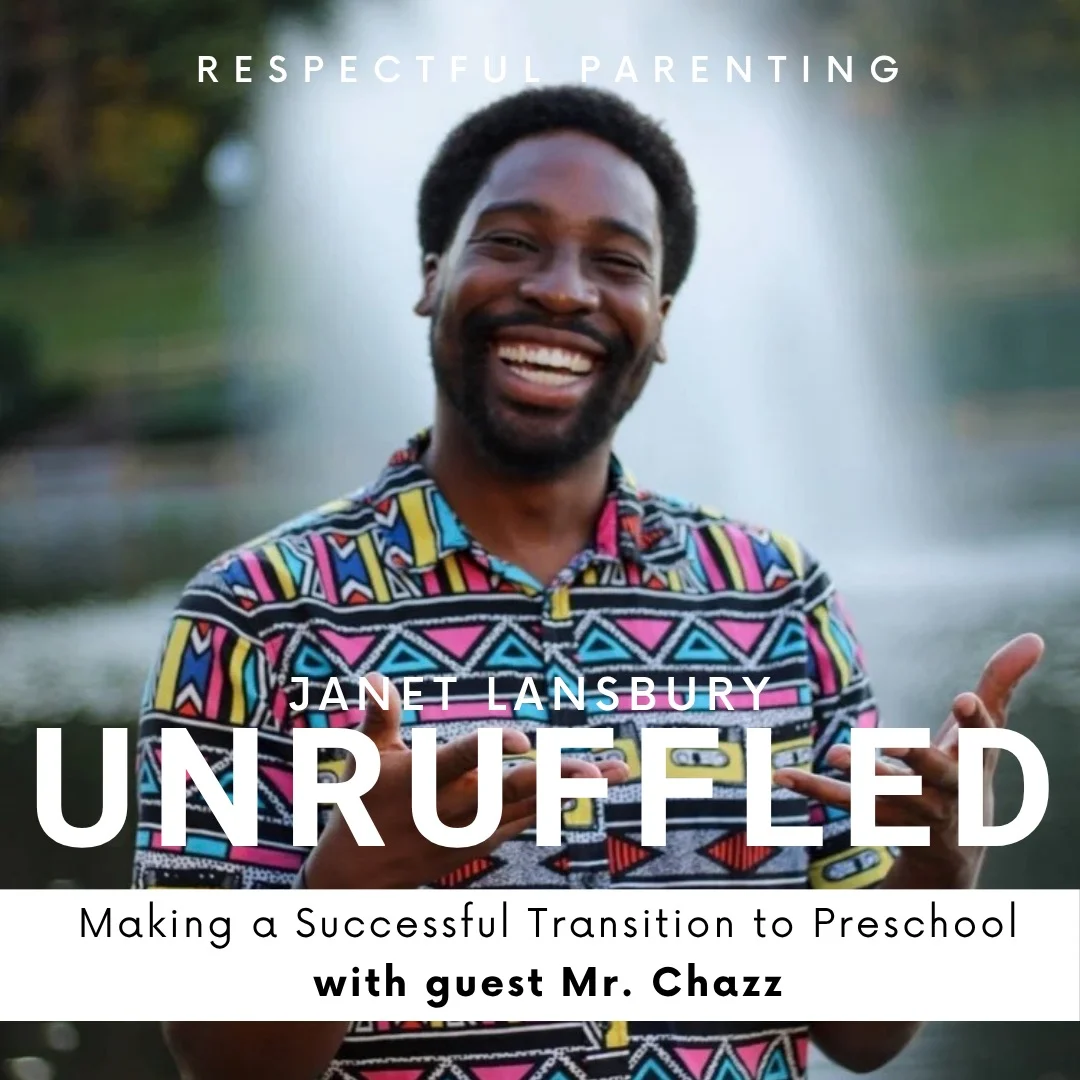
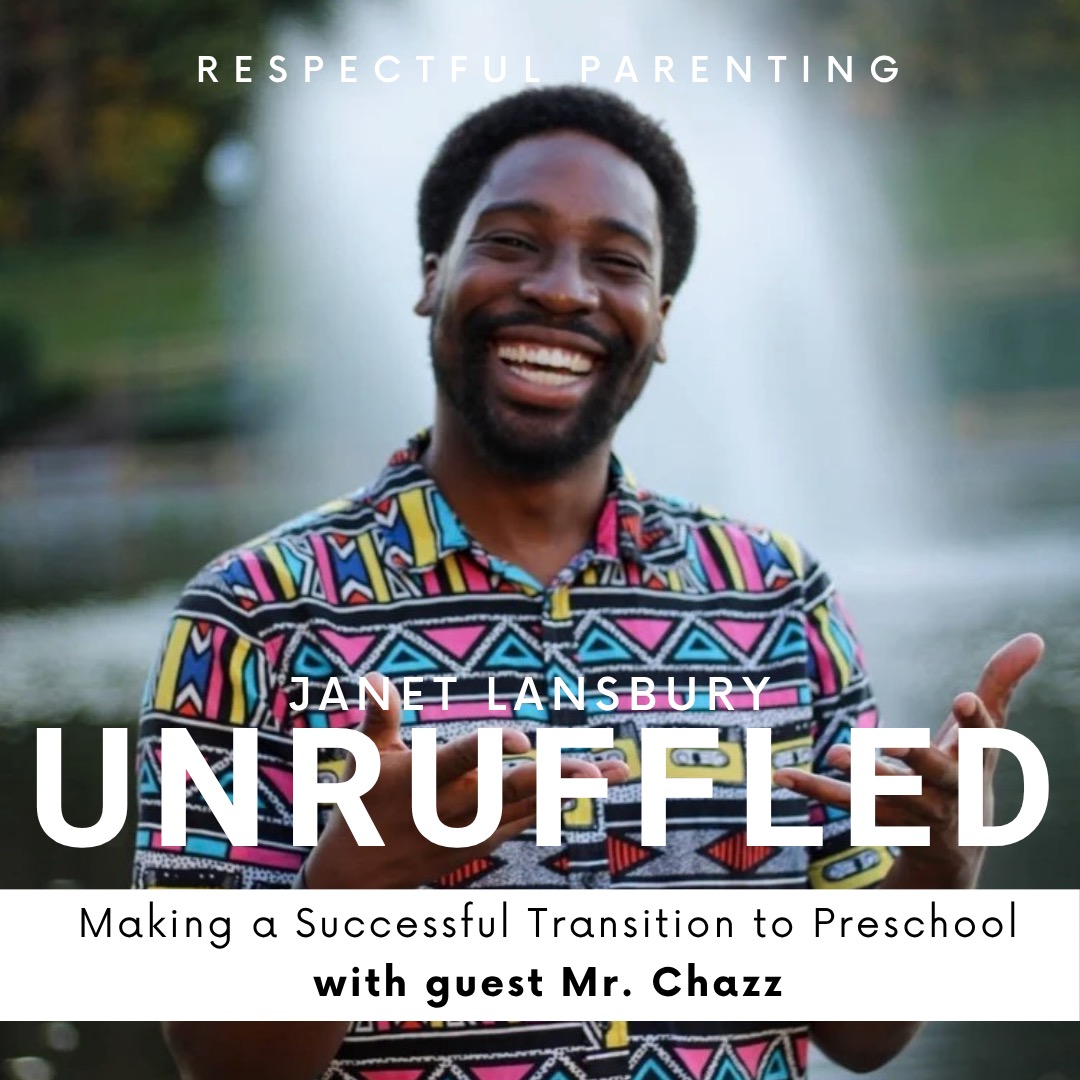
Esteemed educator Mr. Chazz, widely recognized as "America’s Favorite Teacher," recently joined Janet Lansbury on her podcast to discuss the critical process of transitioning children into preschool and childcare settings. The conversation, rich with practical advice and insightful perspectives, aimed to equip parents and educators with strategies to foster a sense of trust and continuity, thereby facilitating confident separations and positive early learning experiences. The discussion highlighted Mr. Chazz’s innovative approach at his newly established Brooklyn childcare center, "Birdhouse," and offered transferable techniques applicable to more traditional early childhood programs.
The Genesis of Birdhouse and a New Paradigm for Early Childhood Education
Mr. Chazz, a prominent figure on social media platforms like TikTok and Instagram, and host of the podcast "Learning Curve with Mr. Chazz," has channeled his extensive experience into creating Birdhouse, a learning and childcare center designed to serve as a model for future early childhood institutions. His vision for Birdhouse is deeply rooted in prioritizing the well-being of both children and educators, a philosophy that sets it apart from many existing childcare models.
A cornerstone of Birdhouse’s innovative structure is its commitment to supporting its teaching staff. The center’s head teacher resides in an apartment above the facility, a provision designed to alleviate financial burdens and reduce the "survival state" that many early childhood educators experience. This approach acknowledges a critical factor in quality childcare: when educators feel cared for and secure, they are better equipped to extend that same level of care and emotional presence to the children in their charge. This directly addresses the pervasive issue of high teacher turnover in the early childhood sector, a problem often linked to low pay, demanding working conditions, and a lack of adequate support. By fostering a stable and supportive environment for teachers, Birdhouse aims to ensure continuity and a deep sense of commitment, benefiting children and families alike.
Rethinking Arrival and Reunion: Fostering Connection Over Convenience
A significant portion of the discussion focused on redefining the "drop-off" and "pick-up" experience, often characterized by hurried goodbyes and a focus on adult convenience. Mr. Chazz advocates for a shift in language and practice, replacing "drop-off" with "arrival" and "pick-up" with "reunion." This subtle yet profound linguistic change underscores the importance of connection and integration rather than abrupt separation.
At Birdhouse, the arrival process is intentionally designed to be a collaborative and connecting experience. Parents are invited to enter the space with their children, engage in a moment of connection with Mr. Chazz or another staff member (often a high-five, hug, or fist bump), and then proceed through a series of visually guided steps. These steps, which include putting away belongings, removing shoes to maintain a clean play environment, and washing hands, are presented using visual aids to support children’s understanding and independence. The emphasis is on a gentle integration into the classroom environment, allowing children to feel safe and connected before their parents depart.
This approach contrasts sharply with many traditional childcare settings where parents may be asked to leave quickly, sometimes leading to emotional distress for the child. Mr. Chazz argues that such rushed transitions often prioritize adult schedules over a child’s need for secure attachment and a gradual adjustment.
Strategies for a Smooth Transition in Traditional Settings
Recognizing that not all parents have access to innovative centers like Birdhouse, Mr. Chazz provided actionable advice for navigating more traditional childcare environments. He stressed the importance of building connection and trust even within limitations.
Visual Routines and Preparation:
Mr. Chazz advocates for the creation of simple visual routine cards that parents can use at home to help children understand the sequence of events during arrival. These cards, featuring pictures that illustrate each step from greeting to putting away belongings, provide a clear roadmap for both children and parents. This visual structure not only aids the child’s understanding but also empowers parents by giving them a tangible plan to follow, reducing their own anxiety and sense of helplessness.
Pre-Enrollment Engagement:
Birdhouse offers parents and children the opportunity to visit the center for a week or two prior to the official start date. This allows children to acclimate to the environment, build relationships with the "safekeepers" (as educators are called at Birdhouse), and establish a sense of security. This proactive approach ensures that when a parent does leave, the child has a trusted adult to turn to for comfort and support, significantly easing the separation process.
Role-Playing and Visualization:
Mr. Chazz suggests role-playing the entire arrival and departure routine at home. This playful rehearsal allows children to practice the steps, understand the sequence, and become more comfortable with the idea of separating from their parent. Parents can use stuffed animals to represent other children and simulate the classroom experience, including greetings, handwashing, and the eventual goodbye. This preparation helps reduce friction and anxiety during the actual transition.
Honest Communication and Emotional Validation:
Parents are encouraged to be honest with their children about the school day, including aspects they might not be excited about, such as nap time. Instead of trying to artificially hype up the experience, an honest approach that acknowledges potential challenges and opens the door for problem-solving can be more effective. This might involve discussing how to handle nap time or allowing the child to express their feelings about it. This honesty fosters trust and allows children to voice their concerns, which can then be addressed collaboratively with educators.
Understanding and Managing Separation Anxiety
A significant theme throughout the discussion was the management of separation anxiety. Mr. Chazz emphasized that children’s tears and distress upon separation are not indicative of a child being "difficult" or a parent "failing." Instead, these are natural expressions of love and attachment. Children are saying goodbye to their primary caregivers, and experiencing sadness or disappointment is a testament to the strength of their bonds.
The "It Just Is" Philosophy:
Mr. Chazz introduced the concept of "This moment feels like this," encouraging a non-judgmental acceptance of the present emotional state. Rather than assigning blame or feeling guilt, parents and educators are encouraged to acknowledge the reality of the situation. When a child is crying, it’s important to recognize that it "just is" – the child is sad or disappointed, and that is a valid feeling. This perspective shift helps caregivers move from a reactive stance to a more supportive and understanding one.
The Role of Educators in Co-Regulation:
In traditional settings where extended parental presence might not be feasible, the role of the educator becomes paramount. Mr. Chazz highlighted how teachers can act as co-regulators, helping children navigate their big emotions. This involves being present, offering comfort through body language and quiet reassurance, and acknowledging the child’s feelings without trying to immediately stop them. The goal is to help the child feel safe and understood, enabling them to eventually self-regulate and engage in play.
Learning from Difficult Moments:
Mr. Chazz shared a poignant anecdote about a child who experienced prolonged distress during arrival. Instead of trying to force the child to stop crying, the teachers maintained a supportive presence, allowing the child to express their feelings. When another child in the group noticed the crying, the teacher acknowledged it, explaining that the child was missing their mom. The group then took a collective deep breath for the child, a powerful exercise in empathy and co-regulation. This illustrates how challenging moments can become profound learning opportunities for all involved, teaching children about emotions, empathy, and regulation, while also offering valuable insights to parents and educators.
The Importance of Detailed Communication Between Parents and Educators
Mr. Chazz underscored the crucial role of open and detailed communication between parents and educators, particularly during the initial adjustment period. He emphasized that for teachers managing a group of children, understanding each child’s unique personality, routines, and preferences is an ongoing process.
Sharing Comprehensive Information:
Parents are encouraged to provide educators with as much detail as possible about their child. This includes information about their child’s favorite toys, their preferred methods for falling asleep during nap time, and any specific comfort objects or routines that are important to them. Mr. Chazz shared an example where a child’s distress during nap time was resolved by simply providing their beloved stuffed bunny, a detail that a parent had previously shared. This highlights the value of thorough information exchange.
Understanding the Educator’s Perspective:
It’s important for parents to recognize that educators are in the process of getting to know each child, especially in group settings. Attuning to twelve or more children simultaneously requires significant effort and time. While educators strive to be as responsive as possible, the sheer number of children can make it challenging to provide the same level of individualized attention that a parent might offer at home. This understanding can foster a more collaborative and patient relationship between families and childcare providers.
The Rewarding Nature of Early Childhood Education
Despite the challenges inherent in early childhood education, both Mr. Chazz and Janet Lansbury expressed profound fulfillment derived from this work. Mr. Chazz, who made a conscious decision to return to the classroom rather than focus solely on speaking engagements, articulated the deep personal rewards of direct engagement with children. He described it as a "mile deep" rather than a "mile wide" experience, emphasizing the profound impact of fostering growth and learning in young children.
The Emotional Labor and its Rewards:
The emotional labor involved in teaching young children is significant, as educators are tasked with supporting not only the children’s development but also the emotional needs of their families. However, both Mr. Chazz and Lansbury highlighted the unparalleled rewards: witnessing children learn and grow, the continuous learning process that the profession demands, and the unique insights into life that children offer.
Appreciating the "Little Moments":
Mr. Chazz encouraged educators to focus on and appreciate the "little moments" of success and connection that occur daily. These moments, such as a child successfully articulating their feelings or a moment of genuine connection after a difficult separation, serve as powerful motivators and affirm the value of their work. This perspective shift helps maintain resilience and enthusiasm in a demanding field.
The Power of Belief:
Ultimately, both Mr. Chazz and Lansbury stressed the importance of a caregiver’s belief in a child’s capacity to navigate challenges. Believing that a child can handle separation, especially when they have a safe and supportive environment to land in, is fundamental to fostering their resilience and independence. This belief, coupled with a commitment to understanding and connection, forms the bedrock of successful preschool transitions and positive early learning experiences.
