

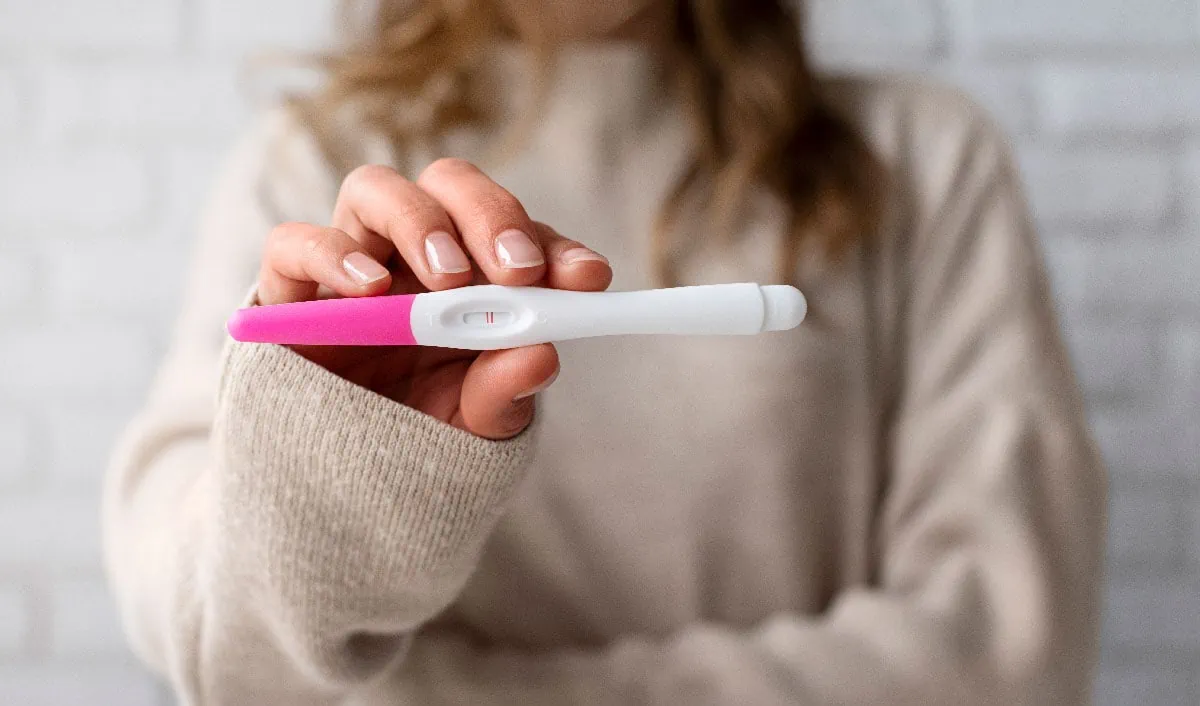
For individuals grappling with the possibility of pregnancy, whether anticipated or unexpected, the desire for a definitive answer can be overwhelming. The presence of symptoms such as breast tenderness, nausea, or a delayed menstrual period often prompts an urgent quest for clarity. In these pivotal moments, pregnancy tests stand as the most reliable and accessible tools for confirmation. These tests, available in both over-the-counter and clinical formats, are designed to detect a specific hormonal marker, offering a conclusive "yes" or "no" to one of life’s most profound questions.
The Science Behind the Confirmation: Human Chorionic Gonadotropin (hCG)

At the core of all modern pregnancy tests lies the detection of human chorionic gonadotropin (hCG), often referred to as the "pregnancy hormone." This crucial hormone is produced by the syncytiotrophoblast cells, which eventually form part of the placenta, shortly after a fertilized egg successfully implants into the uterine lining. Implantation typically occurs approximately 6 to 12 days after ovulation. Once implantation takes place, hCG levels begin to rise rapidly, doubling roughly every 48 to 72 hours in the early weeks of pregnancy. It is this swift increase in hCG that triggers many of the early pregnancy symptoms experienced by individuals, from morning sickness to heightened fatigue. The ability of pregnancy tests to identify even minute quantities of this hormone makes them incredibly effective in providing early indications of conception.
Types of Pregnancy Tests: Urine vs. Blood
The two primary categories of pregnancy tests are urine tests and blood tests, each offering distinct advantages in terms of accessibility, speed, and sensitivity.

Urine Pregnancy Tests: Convenience and Accessibility
Urine tests are the most widely recognized and utilized method for pregnancy detection, predominantly available as at-home kits. These tests work by using antibodies that react specifically to the hCG hormone present in urine. The format of these tests varies, often involving either collecting a urine sample in a cup and dipping a test stick or dropper into it, or placing a test stick directly into the urine stream.
The results of urine tests are typically displayed within minutes, manifesting as a change in color, the appearance of lines or symbols (such as a plus or minus sign), or clear digital readouts stating "pregnant" or "not pregnant." The ease of use, convenience, privacy, and relatively low cost have made home pregnancy tests an indispensable first step for many.

Accuracy and Timing for Urine Tests: While generally reliable, the accuracy of home urine tests hovers around 97% when performed correctly. The timing of the test significantly impacts its accuracy. Medical professionals and pregnancy educators strongly advise using the first morning urine, as it is the most concentrated, making hCG more readily detectable if present. Taking a test too early in the cycle, or without sufficient hCG buildup, is a leading cause of inaccurate negative results. Many tests claim to detect pregnancy on the first day of a missed period; however, expert consensus often recommends waiting approximately seven days after a missed period for a more reliable outcome. This waiting period accounts for the natural variability in menstrual cycles, where a period can be delayed by up to seven days and still be considered within a normal timeframe. By this point, hCG levels are typically high enough (around 11-12 days post-ovulation) for most tests to register a positive result.
Addressing Inaccurate Results: If a negative result is obtained but pregnancy symptoms persist (e.g., missed period, persistent nausea, breast tenderness, fatigue), it is prudent to wait another week and retest, or consult a healthcare provider for further evaluation, which may include a blood test. Factors such as diluted urine (from excessive fluid intake), incorrect test procedure, or an expired test can also lead to false negatives. It is often recommended to use the two tests typically provided in a single box to confirm results or if the first test yielded an ambiguous outcome.
Blood Pregnancy Tests: Precision and Early Detection

Blood tests, performed in a clinical setting by healthcare professionals, offer a higher level of precision and earlier detection capabilities compared to urine tests. There are two main types of blood pregnancy tests:
- Qualitative hCG Blood Test: This test provides a simple "yes" or "no" answer regarding the presence of hCG in the bloodstream. It is slightly more sensitive than a urine test and can detect pregnancy a few days earlier, typically around 7-10 days after conception.
- Quantitative hCG Blood Test (Beta hCG): This test measures the exact amount of hCG hormone present in the blood, expressed in milli-international units per milliliter (mIU/mL). The ability to quantify hCG levels is invaluable for several reasons:
- Earliest Detection: It can detect very low levels of hCG, making it capable of confirming pregnancy as early as 6-8 days after ovulation.
- Monitoring Pregnancy Progression: By tracking the doubling time of hCG levels, healthcare providers can assess the viability and progression of an early pregnancy. Abnormally slow-rising or falling levels might indicate issues such as an ectopic pregnancy or a miscarriage.
- Diagnosis of Complications: It aids in diagnosing and monitoring certain pregnancy-related complications, such as gestational trophoblastic disease.
Advantages and Disadvantages of Blood Tests: The primary advantages of blood tests include their superior sensitivity, accuracy, and the provision of quantifiable data critical for medical monitoring. However, they come with certain disadvantages, such as requiring a visit to a clinic, being more invasive (involving a blood draw), generally higher cost, and a slightly longer wait time for results compared to immediate home urine tests. Despite these drawbacks, for situations requiring definitive confirmation, very early detection, or monitoring of pregnancy health, blood tests are the gold standard.
Optimal Timing for Pregnancy Testing: A Detailed Chronology

Understanding the timeline of hCG production is crucial for optimizing pregnancy test accuracy.
- Conception: Occurs when sperm fertilizes an egg, typically in the fallopian tube.
- Journey to Uterus: The fertilized egg (zygote) travels down to the uterus over several days, undergoing cell division.
- Implantation: Around 6-12 days post-fertilization, the embryo implants into the uterine wall. This is the moment hCG production begins.
- Early hCG Detection:
- Blood tests: Can detect hCG as early as 6-8 days after ovulation/fertilization, due to their high sensitivity.
- Highly sensitive home urine tests: May detect hCG as early as 10-11 days post-ovulation, but with a higher risk of false negatives.
- Standard home urine tests: Most manufacturers recommend waiting until the day of your missed period (approximately 14 days post-ovulation) for optimal accuracy.
- Expert Recommendation: The American Pregnancy Association and many healthcare providers recommend waiting seven days after a missed period for home urine tests. This allows sufficient time for hCG levels to rise to a detectable threshold, minimizing the anxiety and confusion of false negative results.
This chronology underscores that while the desire to know "now" is strong, patience significantly improves the reliability of home testing.
Navigating a Positive Pregnancy Test Result

A positive pregnancy test, whether from a home kit or a blood test, signifies the presence of hCG, indicating pregnancy. This moment can be charged with a spectrum of emotions, from elation to profound concern, especially if the pregnancy is unplanned.
Next Steps After a Positive Test:
- Confirm with a Healthcare Provider: The first crucial step is to schedule an appointment with a doctor or a local pregnancy center. They can provide a clinical-grade pregnancy test to verify the result and initiate essential prenatal care discussions.
- Discuss Options: For those facing an unplanned pregnancy, it’s vital to explore all available options: parenting, adoption, or abortion. Reputable pregnancy centers and healthcare providers offer confidential counseling, resources, and support to help individuals make informed decisions tailored to their unique circumstances. Organizations like the American Pregnancy Association offer helplines and chat services to connect individuals with immediate advice and local resources.
- Early Prenatal Care: Regardless of initial plans, early prenatal care is paramount for the health of both the pregnant individual and the developing fetus. This includes discussing lifestyle adjustments, nutritional guidelines, supplement recommendations (like folic acid), and avoiding substances harmful to pregnancy.
Understanding Negative Pregnancy Test Results and Ambiguities

A negative result on a home pregnancy test can mean one of three things: either you are not pregnant, you tested too early, or the test was performed incorrectly.
Reasons for False Negatives:
- Testing Too Early: This is the most common reason for a false negative. Even "early detection" tests have a threshold for hCG. If tested before adequate hormone levels have accumulated, the test may not register a positive.
- Diluted Urine: Drinking excessive fluids before taking the test can dilute hCG concentrations, making it harder for the test to detect.
- Incorrect Test Procedure: Not following the instructions precisely (e.g., not waiting long enough for the reaction, not exposing the test to urine for the specified time) can lead to an invalid or inaccurate result.
- Expired or Faulty Test: Less common, but possible. Always check the expiration date on the packaging.
When to Retest or Seek Medical Advice:

- If symptoms of pregnancy persist despite a negative result, it is advisable to retest in a few days to a week, especially if the initial test was taken before or immediately after a missed period.
- If multiple home tests yield conflicting results (e.g., one positive, one negative), or if there’s persistent uncertainty, a blood test from a healthcare provider is recommended for definitive confirmation.
- If your period remains absent for an extended period, or if you experience unusual symptoms, consult a doctor regardless of home test results, as other medical conditions could be at play.
The Historical Evolution of Pregnancy Testing
The journey to modern, reliable pregnancy tests is a fascinating testament to scientific advancement. For centuries, people relied on less scientific, often bizarre, methods:
- Ancient Egypt (circa 1350 BCE): Women would urinate on wheat and barley seeds. If the wheat grew, it indicated a boy; if the barley grew, a girl. If neither grew, no pregnancy. (Remarkably, some studies suggest this method had about 70% accuracy for detecting pregnancy, though not gender, possibly due to estrogen levels in urine affecting seed growth).
- Medieval Europe: "Piss prophets" claimed to diagnose pregnancy by observing the color and characteristics of urine, sometimes mixing it with wine.
- Early 20th Century (1920s-1960s): The first scientific pregnancy tests involved injecting a woman’s urine into animals (rabbits, mice, frogs). If the animal showed specific physiological changes (e.g., ovarian enlargement), it indicated pregnancy. These "rabbit tests" were reliable but slow, costly, and ethically questionable.
The breakthrough came with the discovery of hCG in the 1920s and the development of immunoassay techniques in the 1960s, leading to the first home pregnancy tests in the mid-1970s. This innovation revolutionized reproductive healthcare, offering women unprecedented privacy and immediate access to vital information about their bodies.

Broader Implications and Societal Impact
The availability of accurate and early pregnancy tests has had profound societal and personal implications:
- Empowerment and Autonomy: Early knowledge grants individuals more time to make informed decisions about their health, lifestyle, and future, whether that involves preparing for parenthood, considering adoption, or seeking abortion services.
- Improved Prenatal Care: Early confirmation allows for the prompt initiation of prenatal care, which is crucial for optimizing maternal and fetal health outcomes. It enables individuals to adjust their diets, cease harmful habits (like smoking or alcohol consumption), and begin essential supplementation, such as folic acid, which prevents neural tube defects.
- Family Planning: These tests are fundamental tools in family planning, helping couples manage their reproductive choices effectively.
- Psychological Well-being: While the waiting period can be anxiety-inducing, a clear result, whether positive or negative, often brings a sense of relief and allows individuals to move forward with planning and action.
In conclusion, modern pregnancy tests are more than just diagnostic tools; they are gateways to critical information that empowers individuals to navigate a significant life event with greater awareness and control. By understanding how these tests work, when to use them, and how to interpret their results, individuals can approach this pivotal moment with confidence and access the support they need.

This evidence-based article is maintained and verified by the APA Content Validation Team.
Last Revision: March 1, 2026
