

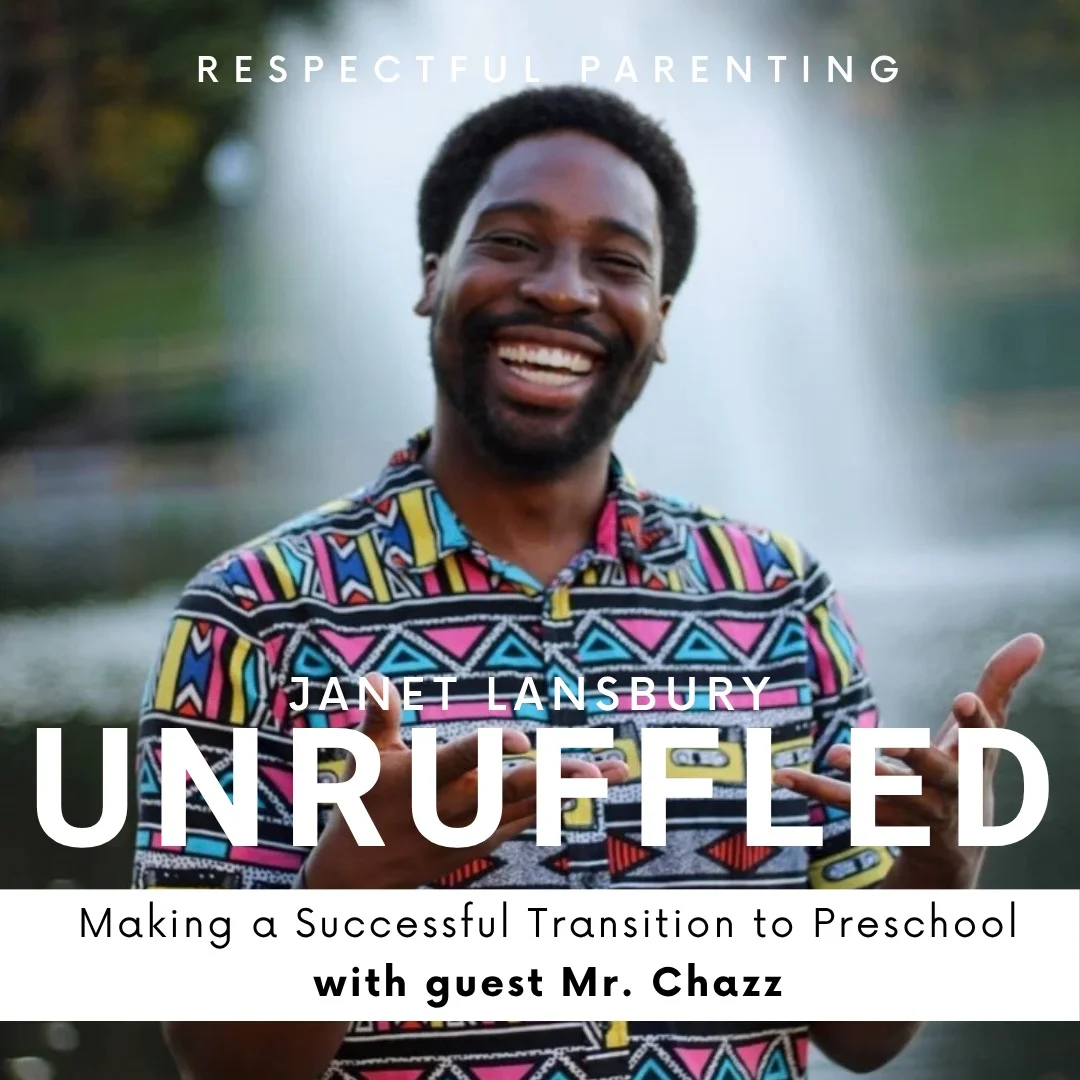
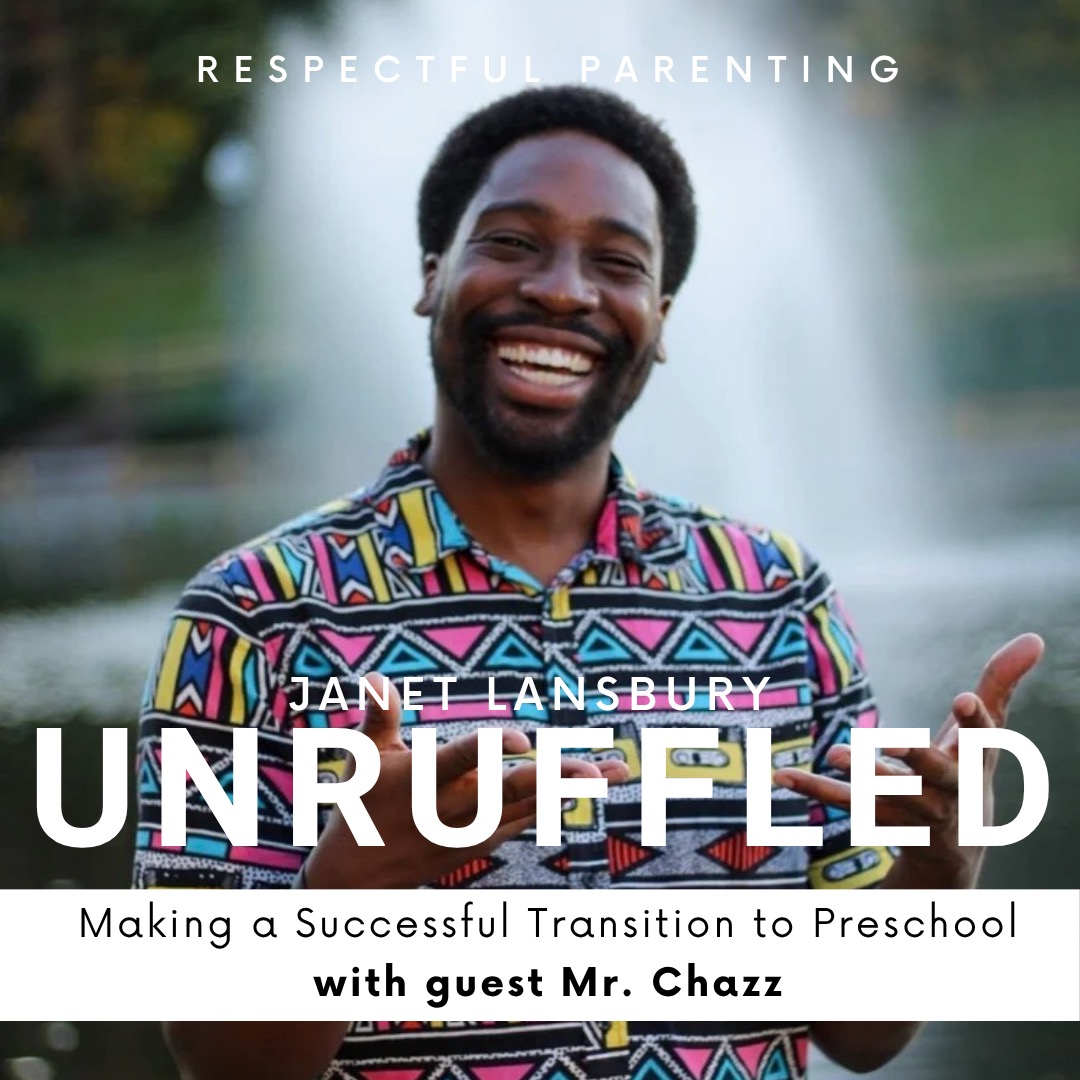
Renowned educator Chazz Lewis, widely celebrated as "America’s Favorite Teacher," recently shared his expert insights on navigating the often-challenging transition to preschool and childcare settings. In a candid conversation with early childhood advocate Janet Lansbury, Lewis detailed his innovative approach at his new Brooklyn-based learning and childcare center, Birdhouse, and offered practical strategies for parents and educators alike. The discussion, which took place against the backdrop of the typical back-to-school season, highlighted the critical importance of fostering trust and connection to ensure a positive separation experience for young children.
Lewis, who has amassed a significant following across social media platforms like TikTok and Instagram, as well as through his podcast "Learning Curve with Mr. Chazz," emphasized that the traditional methods of drop-off and pick-up in many childcare facilities are frequently misaligned with the developmental needs of children. He posited that these practices often prioritize adult convenience over the well-being of the child, teachers, and the family unit.
The Birdhouse Model: Prioritizing Teacher Well-being and Child Connection
A cornerstone of Lewis’s philosophy, as implemented at Birdhouse, is the prioritization of teacher well-being, which he argues directly impacts the quality of care children receive. At Birdhouse, the head teacher resides in an apartment above the school. This arrangement, Lewis explained, alleviates financial pressures on educators, allowing them to operate from a place of security rather than survival. "Any parent can very much relate that it is much harder to care for children when you are not cared for yourself," Lewis stated, underscoring the ripple effect of supported educators on child engagement and emotional availability.
This approach is also designed to combat the high turnover rates common in the early childhood education sector. By fostering a sense of commitment and providing a supportive work environment, Birdhouse aims to cultivate a stable and dedicated teaching staff, thereby ensuring consistency for the children and families they serve. This commitment to educators, Lewis believes, is fundamental to building strong and lasting connections within the childcare community.
Redefining Arrival and Reunion: A Focus on Connection Over Transaction
Lewis advocated for a fundamental shift in language and practice concerning the beginning and end of the school day, replacing "drop-off" and "pick-up" with "arrival" and "reunion." This linguistic adjustment reflects a deeper philosophical commitment to intentional connection. Instead of a hurried exit, Birdhouse structures its "arrival" time to be a period of integration and connection.
"Instead of it being this quick drop-off and pick-up, we wanted to focus more on the connection aspect of all of this," Lewis explained. This intentional approach involves parents and children engaging in a series of steps designed to ease the transition into the classroom environment. These steps, often visualized through simple picture cues, include:
- A Moment of Connection: This initial phase encourages a personalized greeting between the child and Mr. Chazz (or another "safekeeper," as teachers are called at Birdhouse), which could be a high-five, hug, or fist bump. The emphasis is on respecting the child’s comfort level, allowing them to opt-out if they prefer.
- Putting Away Belongings: Children are guided to place their belongings in their designated hook or cubby.
- Transitioning to Indoor Comfort: Removing outdoor shoes is a practice at Birdhouse, promoting hygiene and a clear distinction between outdoor and indoor spaces.
- Hand Washing: A shared activity between parent and child, reinforcing hygiene routines.
- A Final Moment of Connection: Before the parent departs, a brief, meaningful interaction is encouraged, such as a hug or a short game, reinforcing the bond.
This structured arrival process, while taking more time than a swift drop-off, aims to ensure children feel safe, connected, and prepared to engage in learning and play.
Building Trust and Familiarity: Pre-emptive Strategies for Separation Anxiety
A key strategy employed at Birdhouse to mitigate separation anxiety is the provision of pre-enrollment opportunities for children and their parents to become familiar with the environment and the staff. Lewis highlighted that programs often allow parents to visit with their child for a week or two prior to official enrollment. This extended acclimatization period allows children to establish connections with the "safekeepers" and the physical space, ensuring they have a "safe person to go to" when parents eventually leave.
"It’s really hard to help that child work through the big emotions of separating from their parent if they’re not already connected with you, if they’re not already safe with you," Lewis observed. This proactive approach to building trust is crucial for supporting children through moments of distress.
Navigating Difficult Emotions: A Philosophy of Co-Regulation and Empathy
Lewis acknowledged that even with robust preparation, moments of distress are inevitable. He recounted an instance where a child experienced prolonged crying throughout circle time, deeply missing their mother. The Birdhouse team’s response exemplified their philosophy of co-regulation and empathy. Instead of attempting to suppress the child’s emotions or dismiss them, the teachers validated the child’s feelings.
"Yes, so-and-so is having a hard time. He’s feeling sad because he’s really wanting his mom and he’s really missing his mom. Let’s all take a deep breath for so-and-so," Lewis described the teacher’s response, demonstrating how the entire classroom community could rally around a child experiencing difficulty. This approach not only supports the distressed child but also teaches other children about empathy, emotional expression, and self-regulation.
Lewis stressed that these challenging moments, while difficult, are potent learning opportunities for everyone involved, including parents who may witness such situations. The ability of caregivers to remain regulated and approach these moments with a helpful mindset, rather than reactivity, can transform a potentially negative experience into a valuable lesson in emotional intelligence.
The Power of Visuals and Play-Based Preparation
For parents navigating more traditional childcare settings where extended visits might not be feasible, Lewis offered practical alternatives. He championed the use of "visual routine cards," simple left-to-right sequences of pictures depicting the steps of the arrival process. These visual aids serve dual purposes: they help children understand and anticipate the sequence of events, and they provide parents with a structured plan, offering a sense of agency and reassurance.
"Introducing it, I point to each thing like, ‘Oh, you’re here.’ The first thing we do is we greet each other and say hello," Lewis explained, illustrating how parents can introduce these visuals to their children. Over time, children internalize the routine, pointing to the cards themselves and independently following the sequence, fostering a sense of competence and predictability.
Furthermore, Lewis recommended creating a personalized "little book" of the school environment using photographs. This visual narrative can help children visualize their day, get excited about the activities, and reduce apprehension. He also suggested role-playing the entire school day, including the arrival, separation, and reunion, using stuffed animals as stand-ins for other children. This play-based preparation can help children process their feelings and develop coping strategies in a safe, low-stakes environment.
Understanding the Nuances of Child Development and Caregiver Support
Both Lewis and Lansbury underscored the complexity of child development and the critical role of the caregiver’s internal state. They discussed how children’s emotional responses are often influenced by factors like fatigue, overstimulation, or simply the natural feelings associated with separation from loved ones.
Lewis emphasized that children’s prolonged crying is an exhausting undertaking for them, not a manipulative tactic. He also highlighted the importance of caregivers avoiding self-blame. "It just is," he stated, referring to a child’s distress upon separation. "We don’t have to judge it even as good or bad. It’s just that things can happen." The crucial element, he argued, is the caregiver’s intentionality and their ability to remain regulated, which in turn influences whether a difficult moment becomes a negative experience or a learning opportunity.
Lansbury echoed this sentiment, advocating for the phrase, "This moment feels like this," to embrace the reality of a situation without assigning blame. She noted that parents, like caregivers, can feel judged when their child experiences strong emotions in public. Acknowledging these thoughts and letting them pass, while trusting their parenting instincts, is paramount.
The Unseen Labor of Early Childhood Education
Lewis concluded by passionately defending the profound value and demanding nature of the teaching profession. He shared his personal choice to return to the classroom, prioritizing depth of experience over breadth of speaking engagements. "There’s absolutely nothing more rewarding than being with my kids day in and day out and supporting them and practicing my skills and supporting the parents and teaching the parents," he declared. He urged for greater appreciation of the emotional labor involved in teaching, emphasizing that despite its challenges, it is an immensely rewarding endeavor.
This sentiment resonated deeply with Lansbury, who expressed her own longing for the classroom experience. Both educators agreed that the continuous learning derived from interacting with children and navigating their complex emotional worlds offers unparalleled insights into life’s essential lessons. They highlighted the importance of recognizing and celebrating the small victories and moments of progress, both for children and for the professionals dedicated to their care.
The conversation served as a powerful reminder that fostering successful transitions for young children requires a holistic approach, one that prioritizes connection, empathy, and a deep understanding of child development, while also recognizing and supporting the vital role of early childhood educators.
