

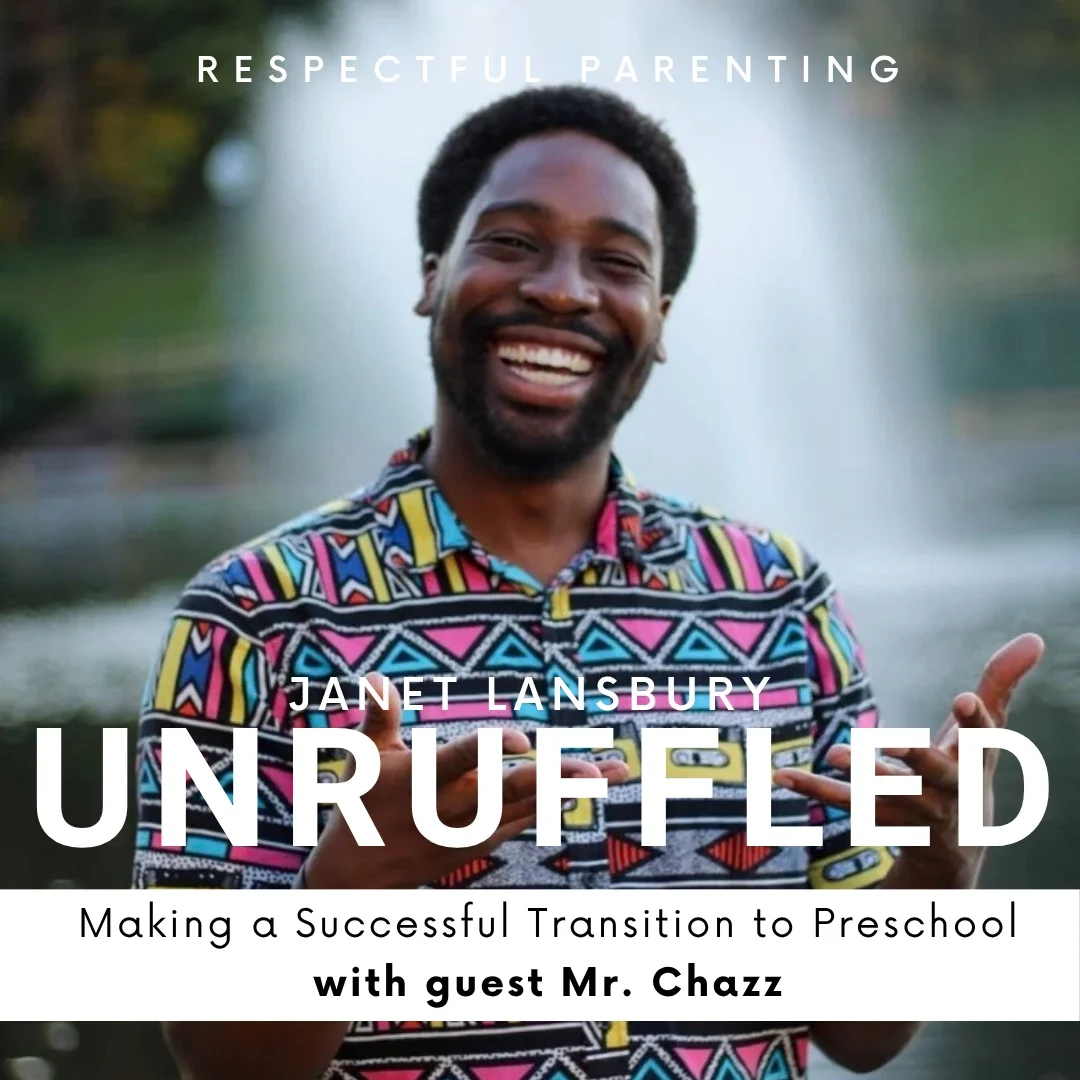
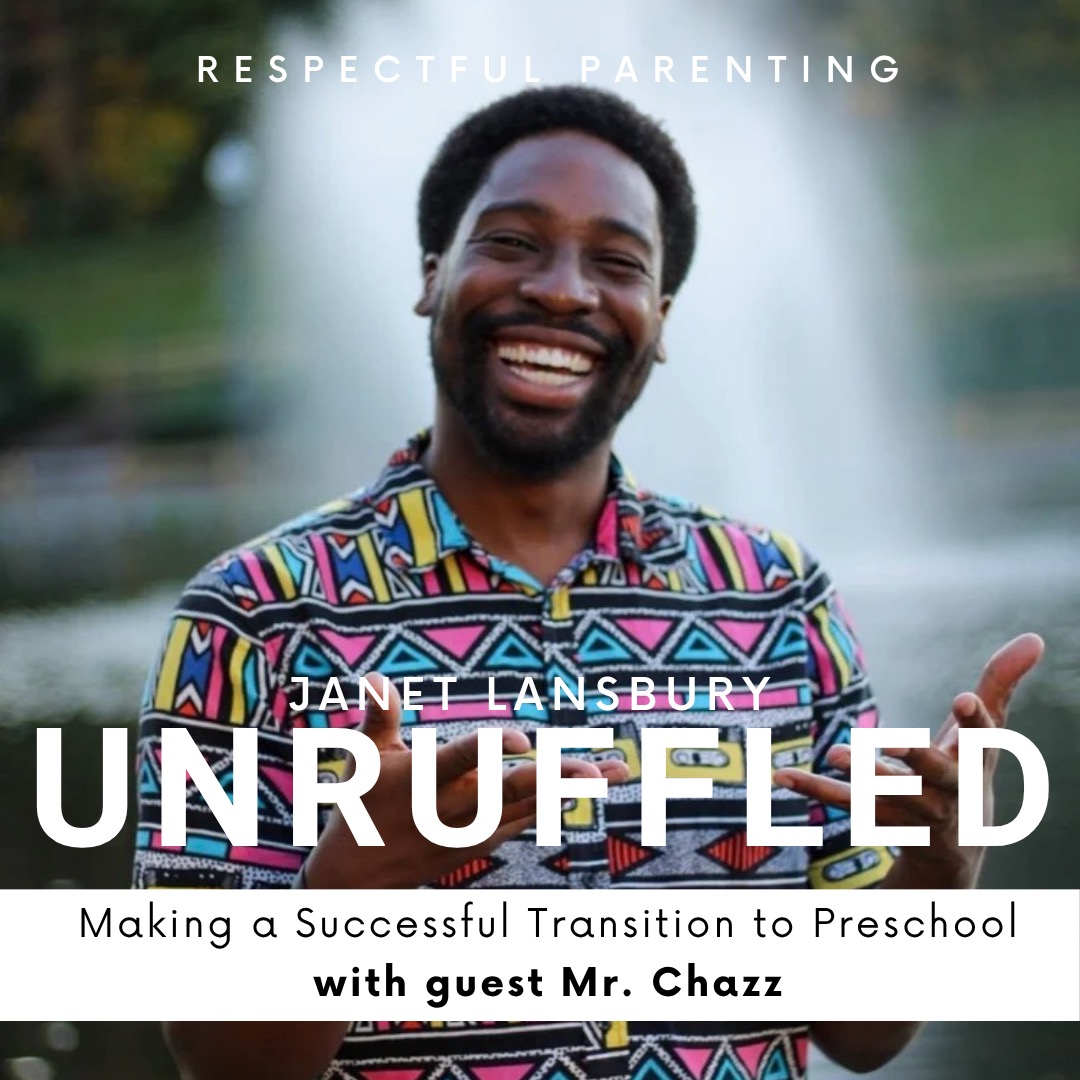
Esteemed educator Mr. Chazz, widely recognized as "America’s Favorite Teacher," recently joined Janet Lansbury on her podcast, "Unruffled," to offer profound insights into navigating the critical transition period for young children entering preschool or childcare. The discussion, held against the backdrop of the typical back-to-school season, delved into innovative approaches to fostering a sense of security and connection, thereby enabling children and their families to approach separation with greater confidence. Mr. Chazz, who has garnered a significant following on social media platforms like TikTok and Instagram for his engaging and empathetic style, shared his expertise, drawing from his extensive experience and his latest endeavor, the establishment of the Birdhouse learning and childcare center in Brooklyn.
A New Paradigm in Early Childhood Education: The Birdhouse Model
Mr. Chazz’s vision for early childhood education is vividly embodied in the Birdhouse center, a pioneering initiative designed to address systemic issues he observed in traditional childcare settings. A cornerstone of the Birdhouse model is its commitment to the well-being and professional fulfillment of its educators. By offering on-site housing for the head teacher, the center aims to alleviate the financial burdens that often plague early childhood professionals, thereby fostering greater stability and reducing turnover rates. This approach, Mr. Chazz explained, is not merely a perk for teachers but a fundamental strategy to ensure they are in an optimal state to provide nurturing care. "Any parent can very much relate that it is much harder to care for children when you are not cared for yourself," he noted, highlighting the interconnectedness of educator well-being and the quality of care children receive.
The high turnover rate in early childhood education is a persistent concern, with statistics from organizations like the National Association for the Education of Young Children (NAEYC) consistently pointing to low wages and demanding working conditions as major contributors. This instability can significantly impact a child’s sense of security and their ability to form consistent relationships with caregivers. Mr. Chazz’s model directly confronts this challenge by creating an environment where teachers feel valued and supported, leading to increased commitment and consistency for the children and families served.
Rethinking Arrival and Reunion: Fostering Connection Over Convenience
A significant portion of the conversation focused on the often-fraught process of separation and arrival at childcare facilities. Mr. Chazz critiqued the prevailing practice of "drop-offs," which he described as akin to "dropping children off like Amazon packages," often prioritizing adult convenience over the child’s emotional needs. At Birdhouse, this is intentionally re-framed as "arrival" and "reunion." This linguistic shift signals a deeper philosophical commitment to acknowledging and nurturing the emotional transitions involved.
The "arrival" process at Birdhouse is designed to be a period of connection and integration. Parents are invited to engage in a series of structured activities with their children, beginning with a moment of connection, such as a high-five, hug, or fist bump, tailored to each child’s preference. This is followed by putting away personal belongings, removing shoes to maintain a clean play environment, and a guided hand-washing ritual. Crucially, this extended arrival time allows children to acclimate to the new environment and connect with their caregivers before the parent departs. This approach, while requiring more time than a hurried drop-off, is fundamental to building the trust and security necessary for children to engage confidently in learning and play.
Visual Supports and Playful Preparation: Empowering Children and Parents
Mr. Chazz emphasized the importance of visual aids in supporting children through transitions. At Birdhouse, a visual routine card, depicting each step of the arrival process, serves as a clear guide for both children and parents. This visual roadmap helps children understand what to expect, reducing anxiety and fostering a sense of agency. As children become more familiar with the routine, they begin to independently navigate the steps, reinforcing their sense of competence and control.
Beyond the in-center visual aids, Mr. Chazz advocated for proactive preparation at home. He suggested parents create personalized "picture books" of the school environment and daily schedule, helping children visualize their day and build excitement. This is complemented by role-playing the arrival and departure routines. By simulating the process in a playful, low-pressure environment, children can practice the steps, express any anxieties, and rehearse their goodbyes. This "practice before the game," as he described it, can significantly reduce friction and anxiety on the actual day of attendance.
The discussion acknowledged that not all children will be excited about every aspect of the school day, such as nap time. Rather than trying to force enthusiasm, Mr. Chazz advocated for honesty and collaboration. He suggested parents acknowledge children’s feelings about certain activities and collaborate with teachers to find strategies for managing those challenges. This open communication and problem-solving approach ensures that children feel heard and supported, even when facing less enjoyable aspects of the school day.
Navigating Difficult Emotions: From Separation Anxiety to Self-Regulation
The conversation directly addressed the inevitable emotional challenges that arise during separation. Mr. Chazz shared a poignant anecdote about a child experiencing prolonged distress during arrival. Instead of attempting to force the child into play or silence their cries, the Birdhouse staff provided a consistent, calm presence, acknowledging the child’s feelings without judgment. The other children in the classroom were also involved, learning to offer support through collective deep breaths and positive energy, demonstrating the contagious nature of emotions and the power of shared emotional regulation.
This approach underscores a core tenet of Mr. Chazz’s philosophy: viewing difficult moments not as failures, but as profound learning opportunities. He stressed that children’s emotional outbursts, while challenging, are often a necessary process of offloading pent-up energy, stress, or disappointment. By providing a safe and supportive environment, educators and parents can help children navigate these emotions, fostering resilience and self-regulation.
Mr. Chazz also highlighted the importance of recognizing that children’s emotional responses are not a reflection of parental failure. "It’s not our fault that they’re doing that," he stated, emphasizing that children’s deep love for their parents naturally leads to feelings of sadness or disappointment when separating. This perspective empowers parents to trust their child’s capacity to cope with these emotions when supported by a secure environment and attuned caregivers.
The Role of the Caregiver: Intentionality and Connection
A recurring theme throughout the discussion was the critical role of the caregiver, whether parent or professional, in shaping the transition experience. Mr. Chazz advocated for an intentional, receptive approach, contrasting it with a reactive or "fixing" mindset. This involves observing children, noticing their interests, and responding to them on their terms, rather than imposing one’s own agenda. "It’s that being receptive instead of putting action out there to try to connect that I think we can so misunderstand," Lansbury observed, echoing Mr. Chazz’s sentiment.
This emphasis on receptivity extends to how educators engage with children. Mr. Chazz described how he and his team use observation and reflection, sometimes aided by video recordings, to understand children’s cues and refine their interactions. By meeting children where they are, acknowledging their pace, and offering a consistent, understanding presence, educators build the trust that is essential for helping children feel safe and connected. This process, he acknowledged, requires ongoing learning and self-reflection, even for experienced professionals.
Broader Implications for Early Childhood Education
The insights shared by Mr. Chazz offer a compelling blueprint for improving early childhood education practices. His focus on supporting educators, reimagining arrival and departure protocols, and employing child-centered strategies provides a framework for creating more nurturing and effective learning environments. The success of the Birdhouse model suggests that prioritizing connection, emotional well-being, and professional development can lead to significant positive outcomes for children, families, and educators alike.
As the early childhood education landscape continues to evolve, the principles championed by Mr. Chazz—empathy, connection, and a deep understanding of child development—are more crucial than ever. By shifting the focus from convenience to genuine connection, and by empowering both children and caregivers, we can foster more successful and fulfilling transitions into the formative years of education. This conversation serves as a vital reminder that the foundation of a child’s educational journey is built on a bedrock of trust, understanding, and unwavering support.
