

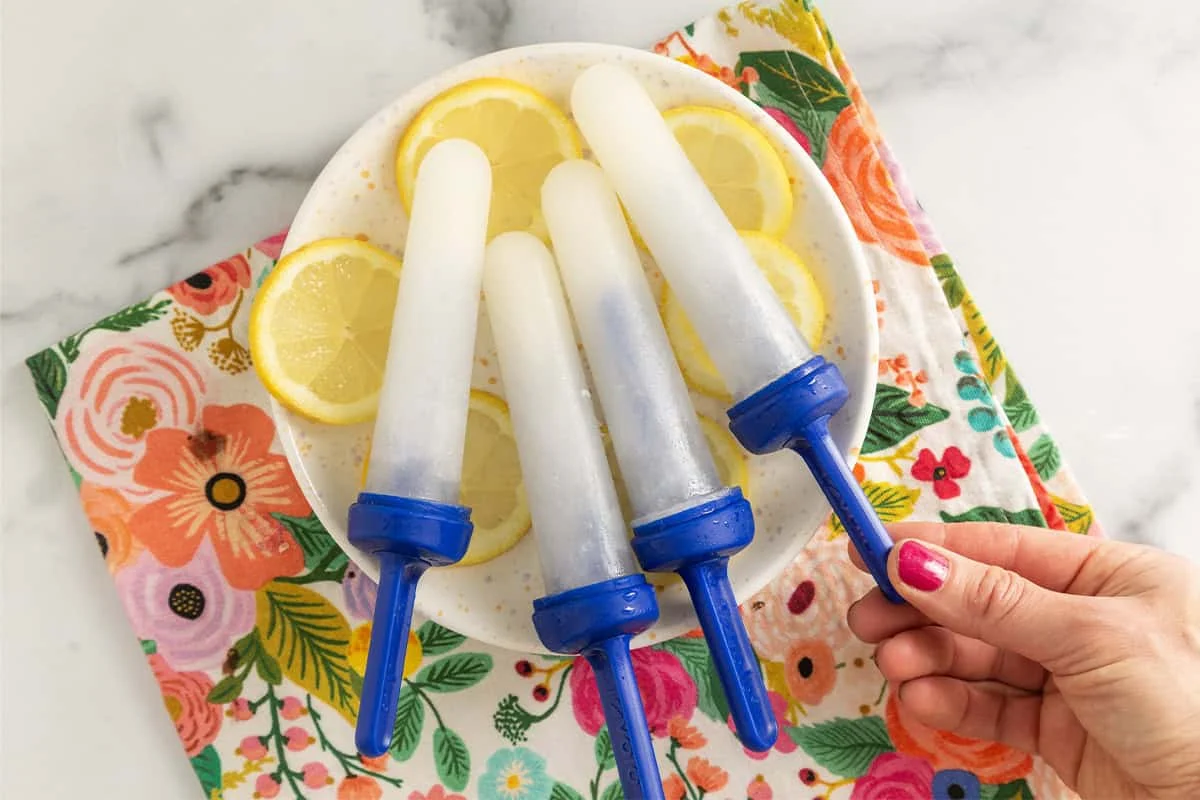
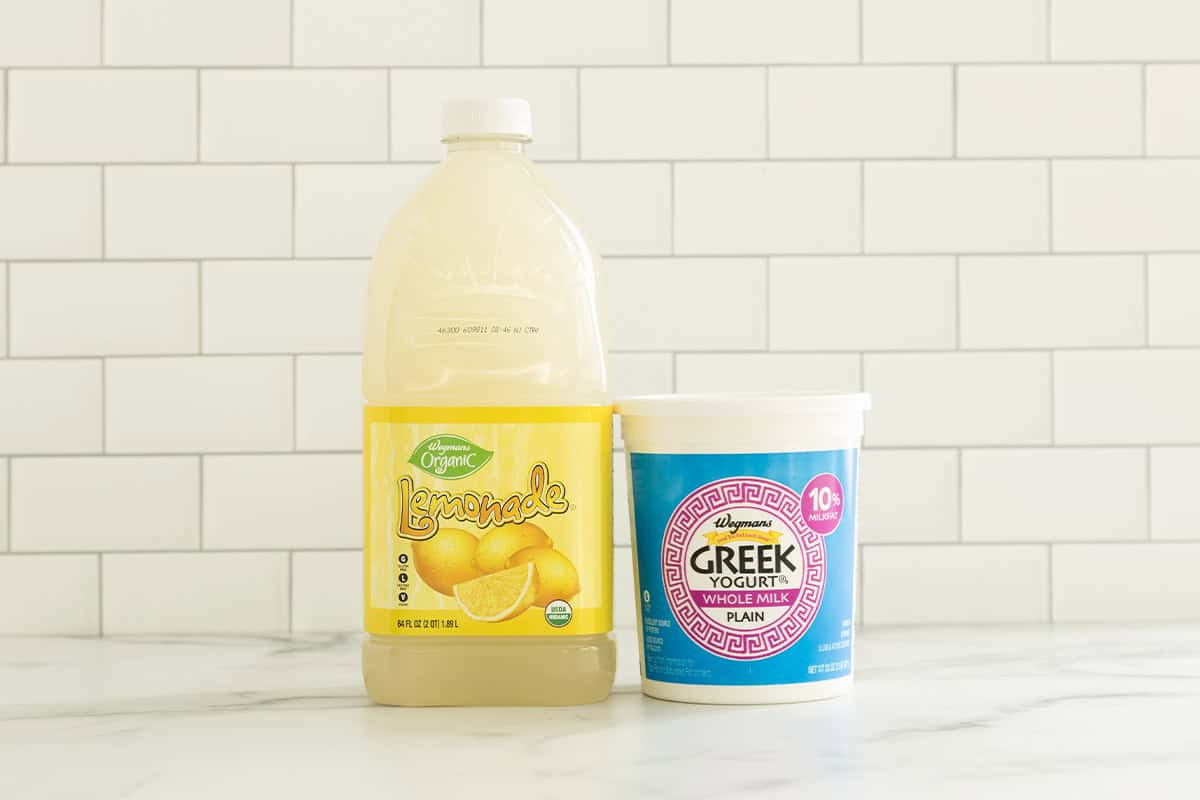
The landscape of early childhood nutrition is undergoing a significant shift as parents and caregivers increasingly prioritize "low-intervention" food preparation methods that balance nutritional value with the realities of modern time constraints. At the forefront of this movement is a resurgence of minimalist frozen confections, exemplified by the streamlined production of lemon-based refreshments. These snacks, which require as few as one or two primary ingredients, represent a departure from the highly processed, multi-additive frozen treats that have dominated the commercial market for decades. By utilizing high-quality store-bought lemonade or a simple mixture of citrus and dairy, families are effectively bypassing the complex ingredient lists often found in industrial "ice pops," which frequently contain artificial dyes, stabilizers, and high-fructose corn syrup.
The Mechanics of Minimalist Snack Preparation
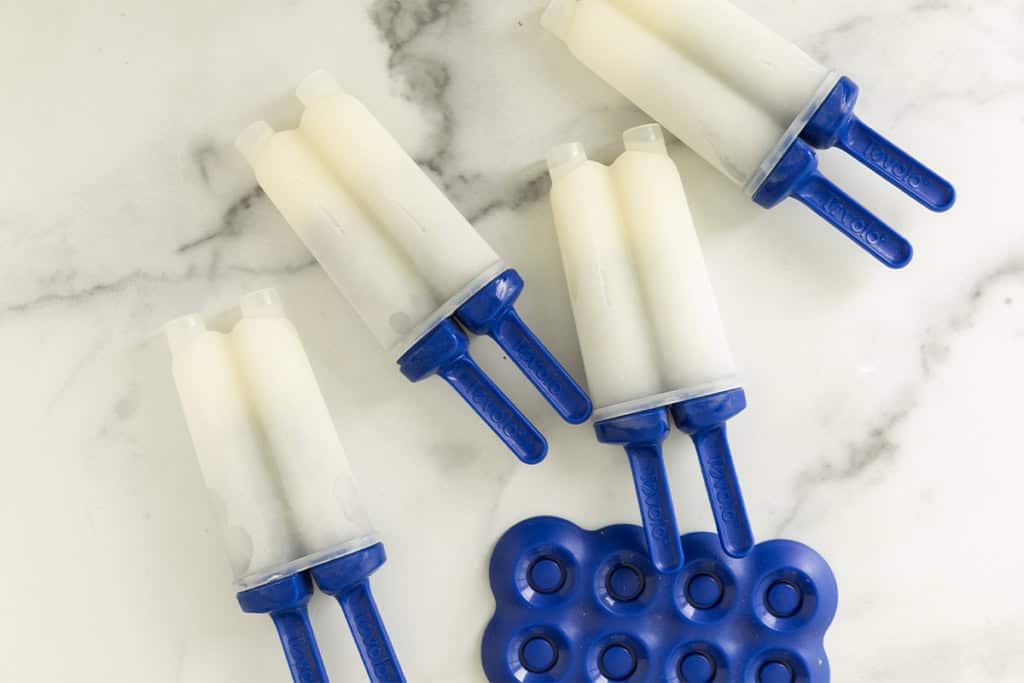
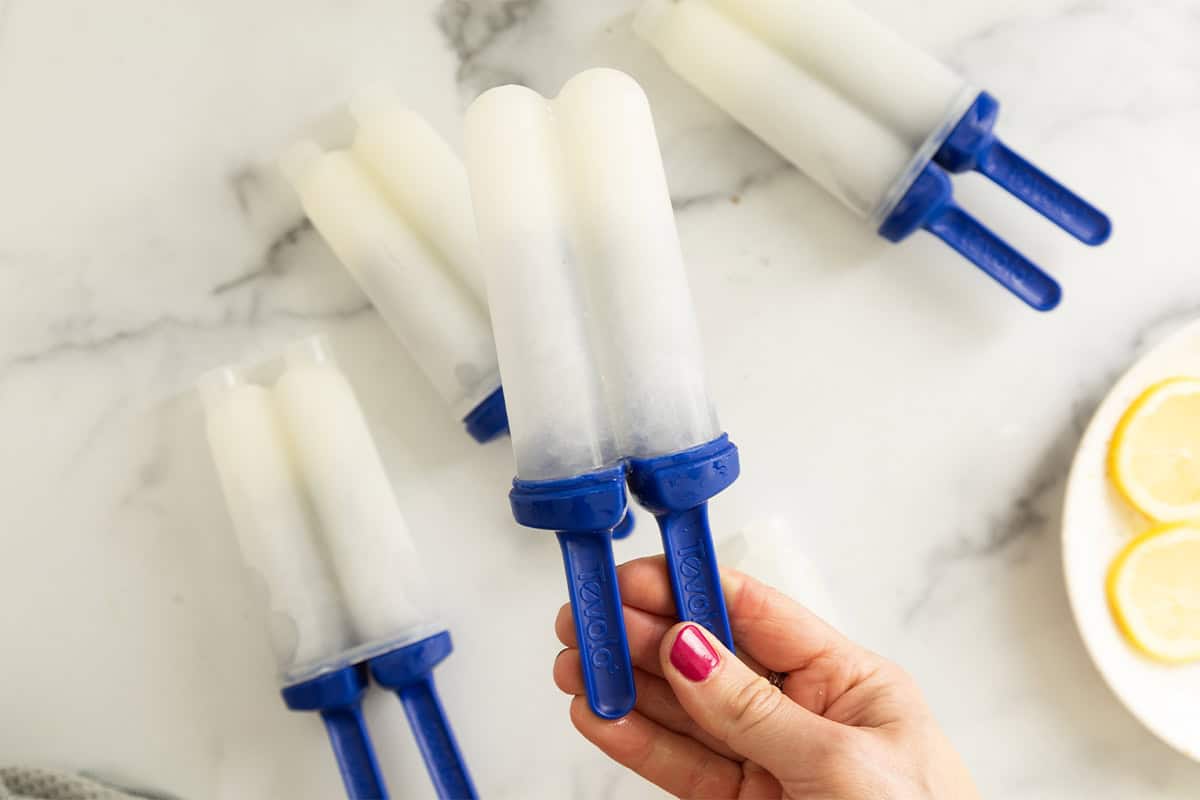
The technical simplicity of these lemon-based frozen treats is a primary driver of their popularity. The core methodology involves the utilization of a pre-existing lemonade base, which is subsequently portioned into specialized molds and subjected to sub-zero temperatures. For those seeking a more complex textural profile, the introduction of a secondary ingredient—typically Greek yogurt or coconut cream—transforms the liquid base into a creamy emulsion. This process, which eliminates the need for mechanical blending in its most basic form, serves as a practical solution for families traveling or those with limited kitchen infrastructure.
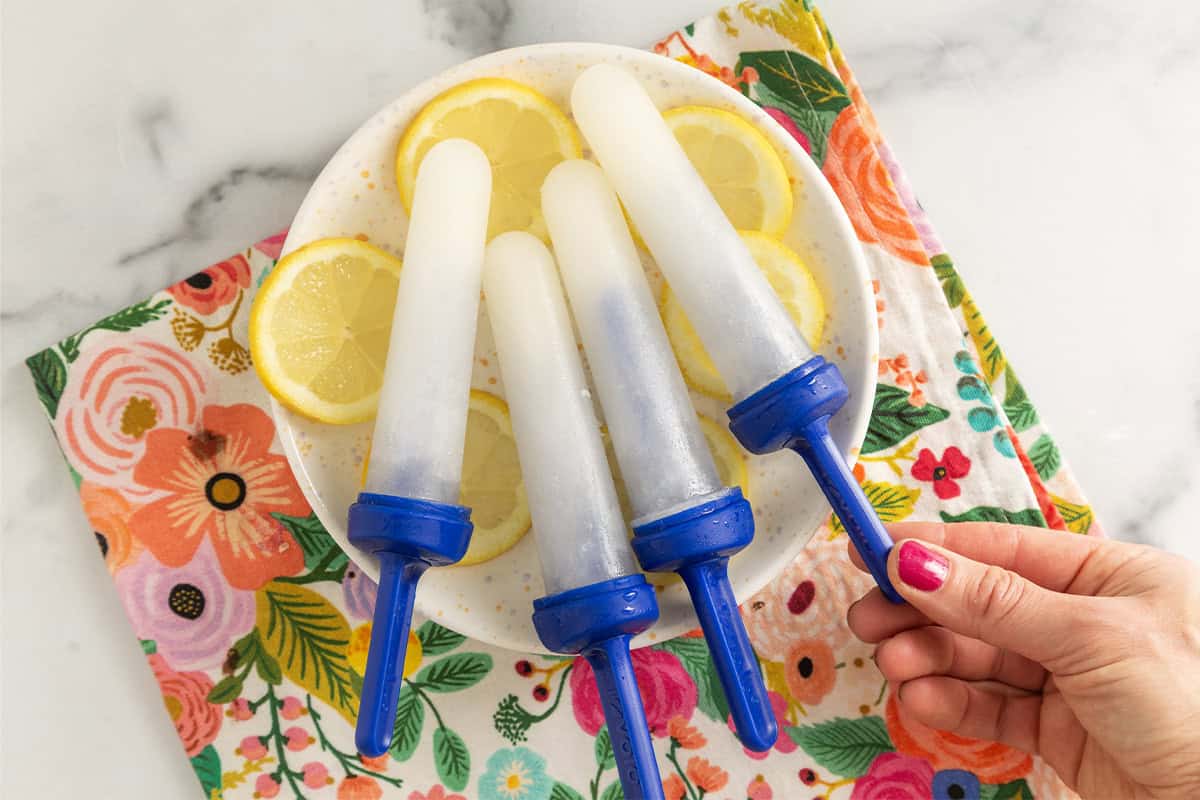
From a culinary perspective, the "one-ingredient" approach relies on the inherent balance of the base liquid. A high-quality lemonade already contains the necessary ratios of water for hydration, citric acid for flavor profile, and sucrose for freezing point depression. When yogurt or coconut cream is whisked into the mixture, the introduction of fats and proteins alters the crystalline structure of the ice, resulting in a softer "mouthfeel" that is often more palatable to toddlers who may be sensitive to the hardness of traditional water-based ice pops.
Nutritional Context and Pediatric Hydration
The importance of hydration in pediatric populations cannot be overstated, particularly during periods of high ambient temperature or physical activity. According to data from the American Academy of Pediatrics (AAP), children are more susceptible to dehydration than adults due to their higher surface-area-to-mass ratio and metabolic rates. Lemon-based popsicles serve as a strategic "hydrating food," providing a sensory-rich method for increasing fluid intake in children who may resist plain water.
Analysis of the nutritional data for a standard serving of these homemade treats reveals a profile that is significantly leaner than commercial alternatives. A typical homemade lemon popsicle contains approximately 35 calories, with 7 grams of carbohydrates and 6 grams of sugar. While these sugars are present, the ability for parents to select "lower-added-sugar" lemonade versions allows for greater glycemic control. Furthermore, the inclusion of yogurt in the creamy variant introduces essential macronutrients, including approximately 2 grams of protein per serving, along with calcium (19mg) and trace amounts of potassium (24mg), which are vital for bone development and electrolyte balance.
A Chronology of the Frozen Confection
To understand the current trend toward minimalist lemon popsicles, one must look at the historical trajectory of the frozen dessert industry. The concept of the "ice pop" was famously patented in 1924 by Frank Epperson, who accidentally discovered the frozen treat in 1905 after leaving a mixture of powdered soda and water outside overnight with a stirring stick. For much of the 20th century, these treats evolved into complex chemical formulations designed for long shelf lives and vibrant, artificial colors.
However, the period between 2015 and 2024 has seen a distinct "re-simplification" of the category. Market research indicates a 15% year-over-year increase in consumer interest in "clean label" frozen snacks. The move toward homemade lemon popsicles is a direct manifestation of this chronology, as consumers revert to the foundational principles of Epperson’s original discovery—liquid and cold—while removing the synthetic components that characterized the mid-century industrial era.
Comparative Analysis: Store-Bought vs. Homemade
A critical assessment of the economic and health implications reveals clear advantages for the homemade model. Commercial popsicles often utilize "filler" ingredients such as guar gum, carrageenan, and various artificial flavorings to maintain consistency during the rigorous shipping and handling processes of the cold chain. In contrast, the homemade lemon popsicle remains a "live" product, especially when using lemonades that contain actual fruit pulp or zest.
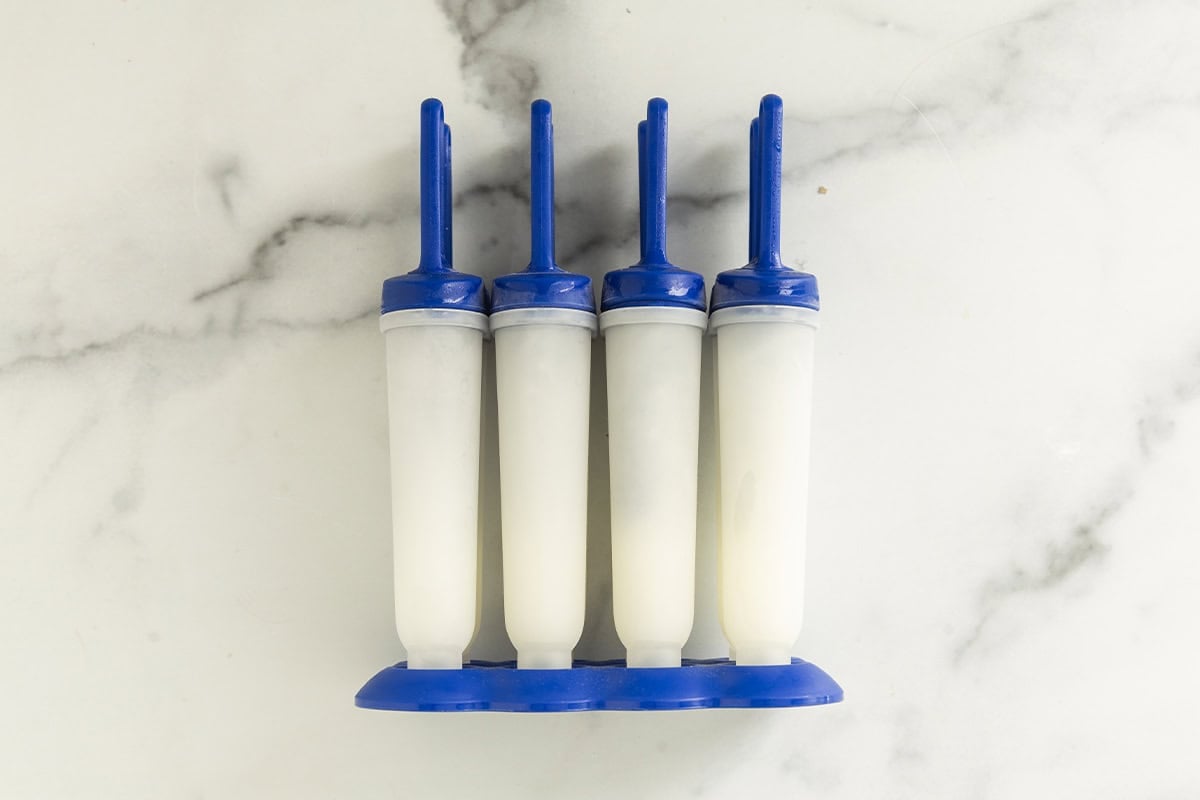
Economically, the cost-per-unit of a homemade popsicle is estimated to be 40% to 60% lower than premium organic store-bought brands. By purchasing lemonade in bulk and utilizing reusable silicone or plastic molds, families not only reduce their financial expenditure but also significantly decrease their environmental footprint by eliminating the single-use plastic wrappers and wooden sticks associated with mass-produced alternatives.
Expert Insights on Sensory Development and Feeding
Pediatric nutritionists and occupational therapists often highlight the role of varying textures and temperatures in a child’s sensory development. The lemon popsicle, with its bright acidity and cold temperature, provides a high level of sensory "input," which can be particularly beneficial for children who are "sensory seekers" or those experiencing the discomfort of teething.
Furthermore, the process of making these treats offers an opportunity for "low-stakes" kitchen involvement. Experts suggest that involving toddlers in the pouring and molding of their snacks increases "food autonomy," which is a proven strategy for mitigating "picky eating" behaviors. The simplicity of the lemon popsicle recipe makes it an ideal entry point for early childhood culinary education, fostering a positive relationship with food preparation from a young age.
Strategic Variations and Flavor Enhancement
While the basic lemonade-only model is highly effective, culinary analysts suggest several "flavor-boosting" modifications that remain within the realm of clean-label nutrition. These include:
- The Inclusion of Zest: Adding lemon zest increases the concentration of limonene, an essential oil found in citrus peels that has been studied for its potential antioxidant properties.
- Natural Sweetener Adjustments: For children over the age of one, the addition of honey or maple syrup can provide a more complex flavor profile while avoiding refined white sugars.
- Whole Fruit Integration: Slicing strawberries or raspberries into the molds before freezing adds fiber and phytonutrients, turning a simple refreshment into a more substantial snack.
- Herbal Infusions: Mint or basil can be steeped in the lemonade prior to freezing, introducing children to more sophisticated, savory-sweet flavor combinations.
Safety Protocols and Storage Standards
From a food safety perspective, the high acidity of lemon juice acts as a natural preservative, inhibiting the growth of certain foodborne pathogens. However, journalistic investigation into home-freezing practices underscores the importance of proper storage. To prevent "freezer burn"—the dehydration of the food surface due to air exposure—it is recommended that once the popsicles are fully set (typically after a minimum of four hours or overnight), they should be transferred from their molds into airtight silicone bags or vacuum-sealed containers.
For younger children, the choice of mold is a critical safety consideration. Experts recommend the use of "toddler-sized" molds (typically 1 to 2 ounces) to prevent overconsumption of sugar and to reduce the risk of the popsicle breaking off in a large, hard chunk, which could present a choking hazard.
Broader Implications for the Food Industry
The rise of the "two-ingredient" snack reflects a broader societal shift toward "essentialism" in the kitchen. As inflation continues to impact grocery budgets and as the medical community increasingly links ultra-processed foods (UPFs) to various long-term health issues, the move toward simple, transparent recipes like lemon popsicles is likely to gain further momentum.
This trend poses a challenge to traditional snack manufacturers, who must now compete with the ease and perceived healthfulness of home-assembled alternatives. We are seeing a response in the marketplace through the launch of "kit-based" snacks and high-quality "base" ingredients designed specifically for home assembly.
In conclusion, the lemon popsicle, in its most minimalist form, is more than a seasonal treat; it is a tool for hydration, a vehicle for nutritional delivery, and a symbol of a more intentional approach to pediatric feeding. By stripping away the unnecessary and focusing on the core elements of flavor and temperature, caregivers are providing a refreshment that is as efficient to produce as it is effective in its purpose. As the "clean label" movement continues to evolve, the reliance on such fundamental, high-utility recipes is expected to remain a cornerstone of modern household management.
