

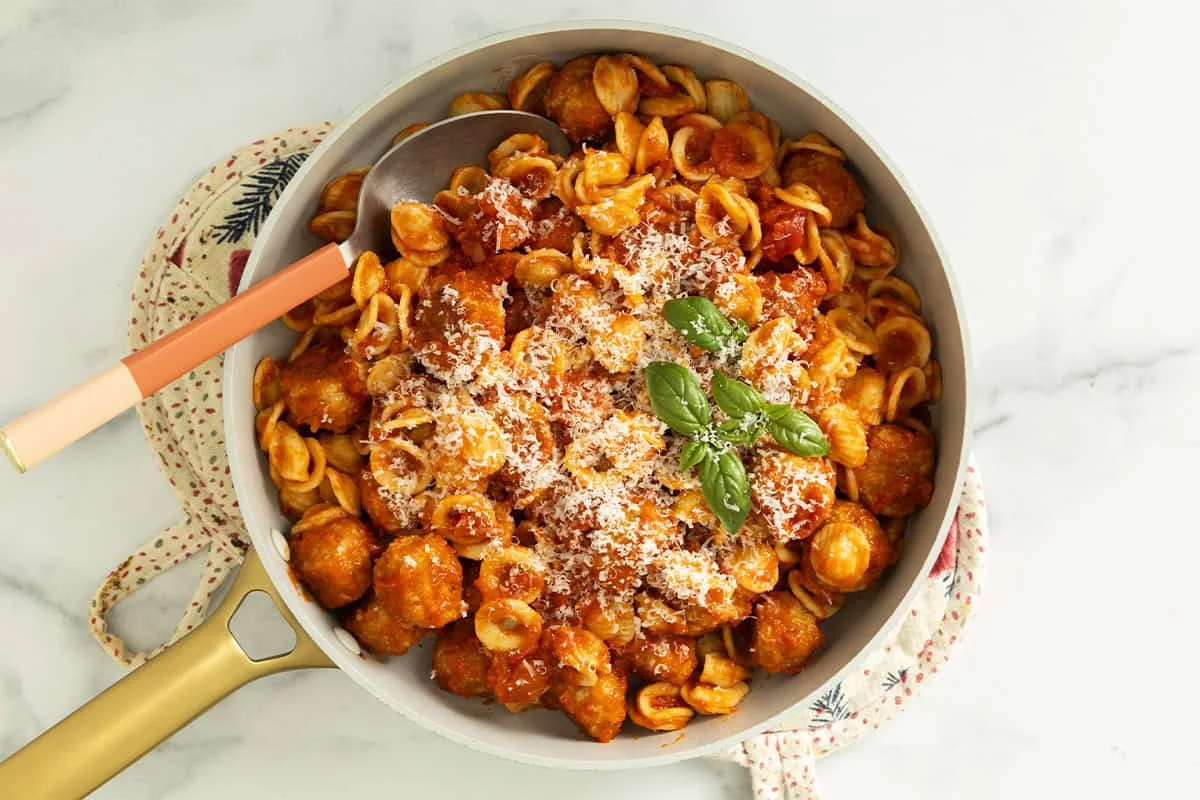
The culinary landscape of contemporary domestic environments is increasingly defined by a dual demand for nutritional density and preparation efficiency. As families navigate the complexities of professional schedules and pediatric nutritional requirements, dishes such as chicken meatball pasta have emerged as pivotal solutions. This specific meal configuration, characterized by a strategic balance of lean protein, essential minerals like iron, and complex carbohydrates, addresses the multifaceted needs of both adults and toddlers. Industry analysts and nutritionists note that the success of such recipes lies in their "speed-scratch" nature—utilizing a combination of fresh, homemade components and high-quality prepared staples to minimize labor without sacrificing dietary integrity.
Nutritional Composition and Pediatric Health Benefits
The nutritional profile of the chicken meatball pasta is designed to meet specific developmental milestones, particularly for young children. According to the data provided, a single serving contains approximately 266 kilocalories, providing a substantial yet controlled energy source. The protein content, recorded at 18 grams per serving, is significant for muscle development and cellular repair.
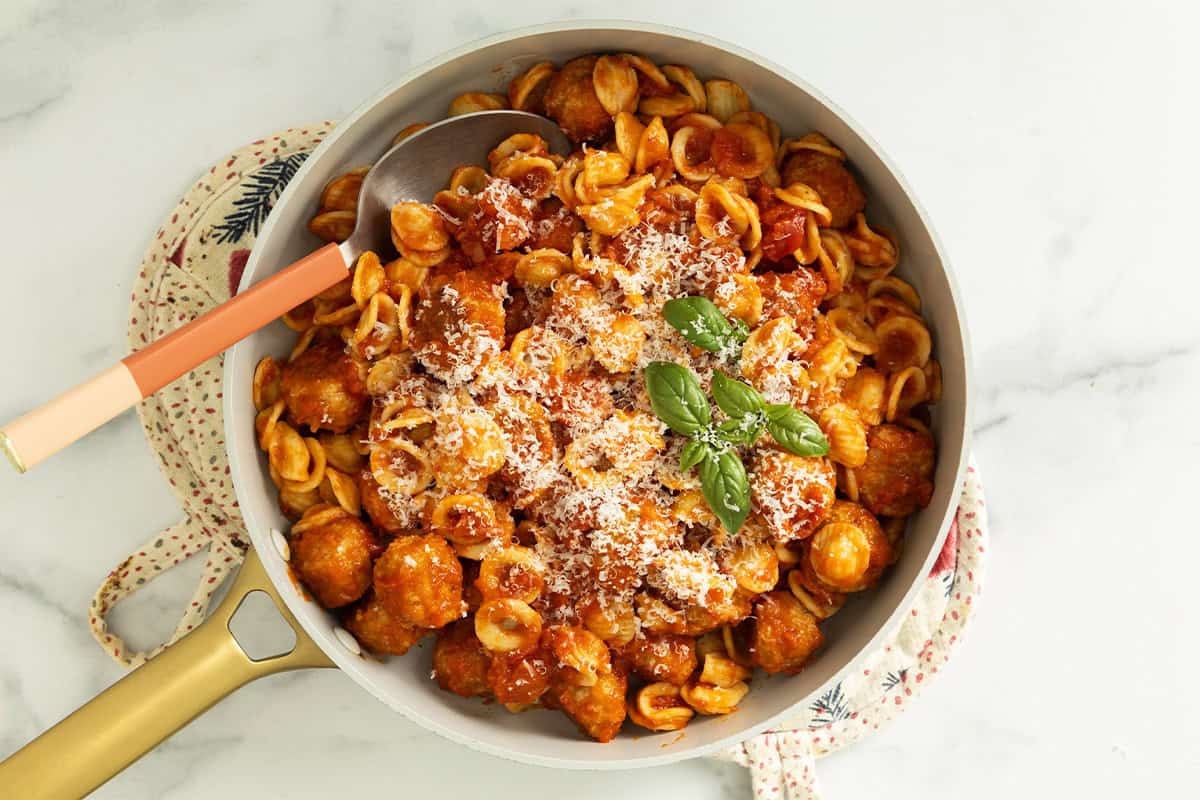
Of particular importance in pediatric nutrition is the inclusion of 2 milligrams of iron per serving. Iron deficiency remains a prevalent concern in early childhood development, often leading to fatigue and developmental delays. By utilizing ground chicken—a lean yet iron-rich protein source—and pairing it with enriched pasta or marinara sauce, the dish provides a bioavailable source of this essential mineral. Furthermore, the recipe’s adaptability allows for the integration of Vitamin C-rich vegetables, such as grated carrots or bell peppers, which are known to enhance the absorption of non-heme iron.
The macronutrient breakdown further reveals a balanced approach to satiety and energy. With 31 grams of carbohydrates and 8 grams of total fat (of which only 3 grams are saturated), the meal aligns with standard heart-healthy dietary guidelines. The inclusion of 2 grams of fiber assists in digestive health, a common concern for parents of toddlers transitioning to more complex solid foods.
The Chronology of Preparation: A Systematic Approach
The efficacy of the chicken meatball pasta as a staple meal is rooted in its logical and streamlined preparation process. Unlike traditional Italian-American meatballs that often require laborious pan-frying and extended simmering, this modern iteration utilizes oven-roasting to ensure consistency and healthfulness.
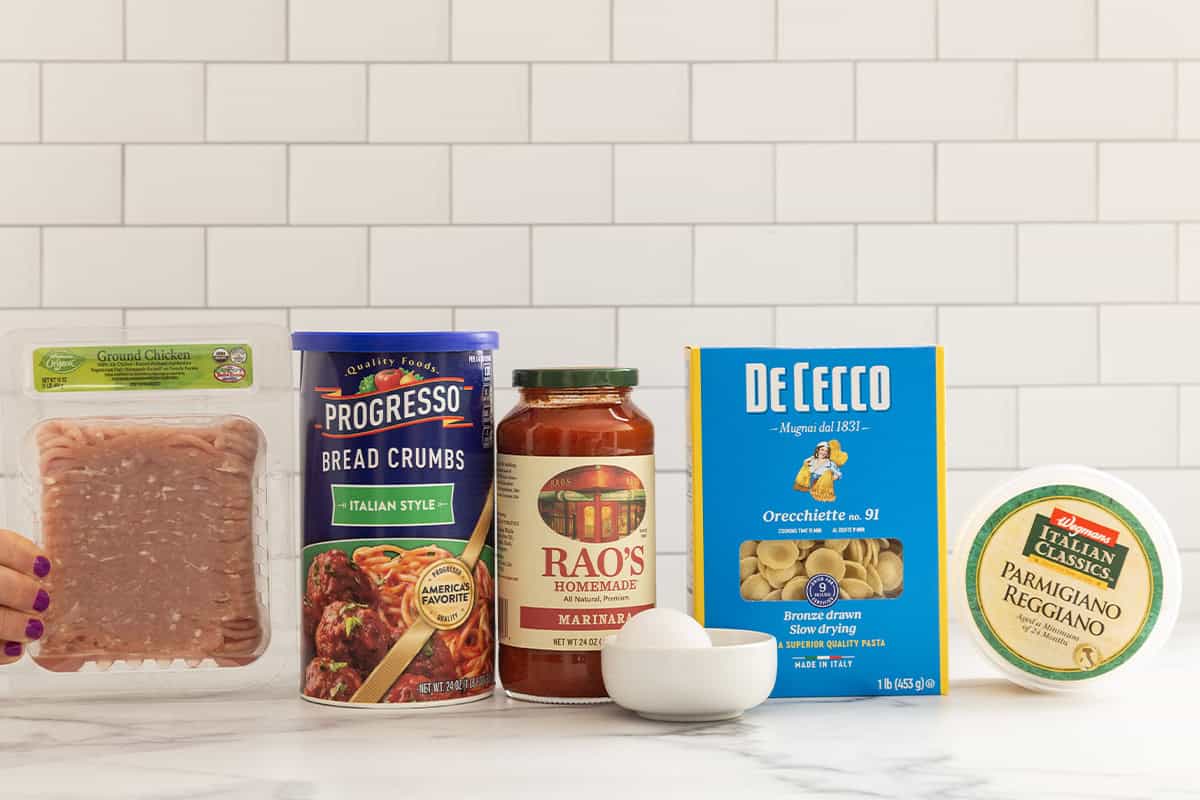
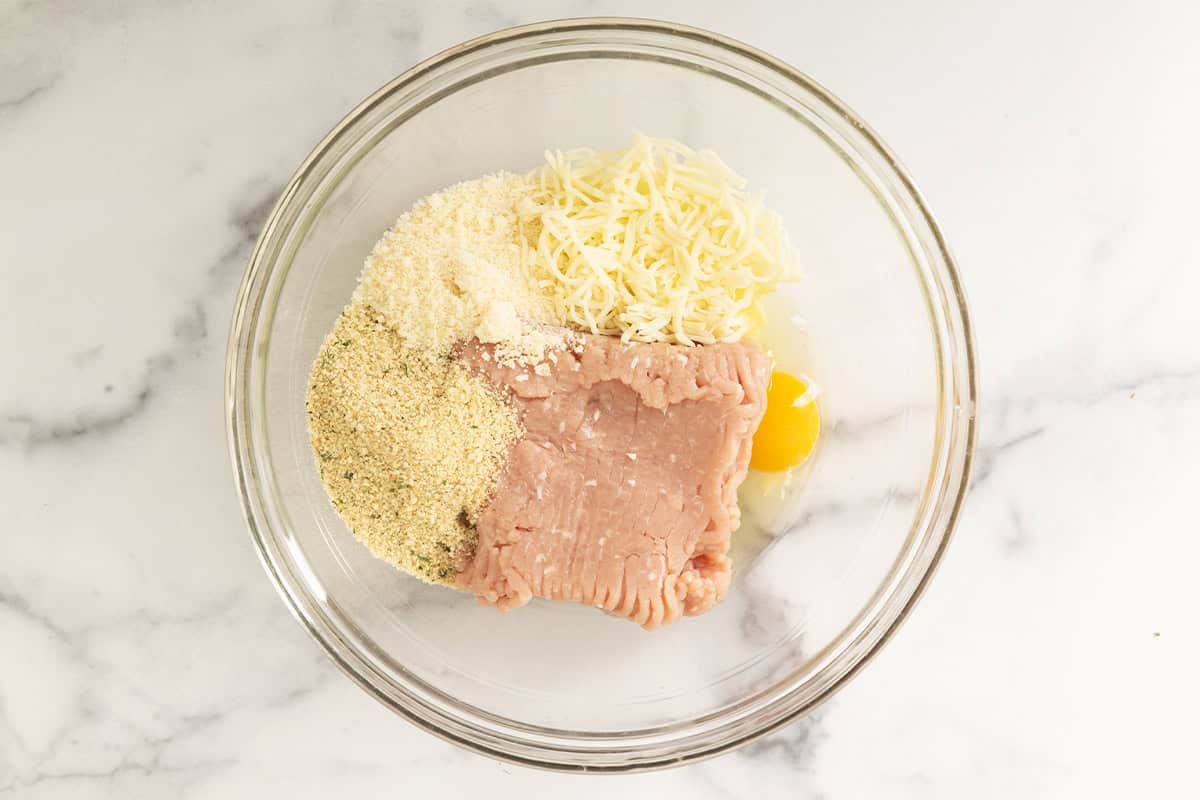
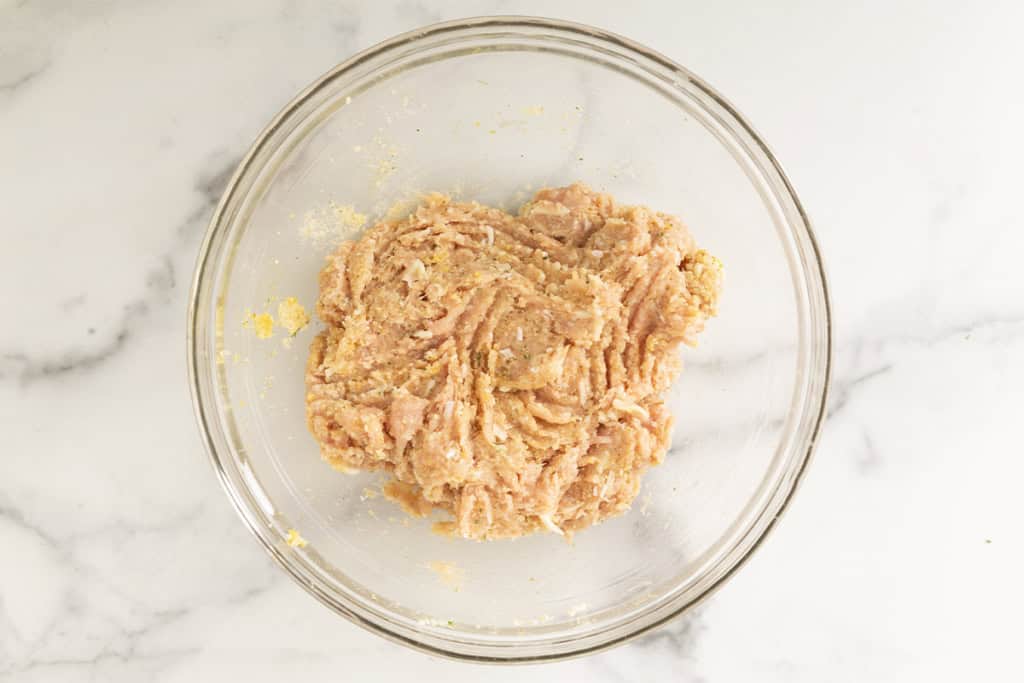
The process begins with the synthesis of the meatball base. Culinary experts recommend a four-ingredient core: ground chicken, breadcrumbs (panko or Italian-style), grated parmesan cheese, and an egg. The ground chicken serves as the primary protein, while the parmesan and breadcrumbs provide structural integrity and moisture retention. The egg acts as a binding agent, ensuring the meatballs maintain their spherical form during the high-heat roasting phase.
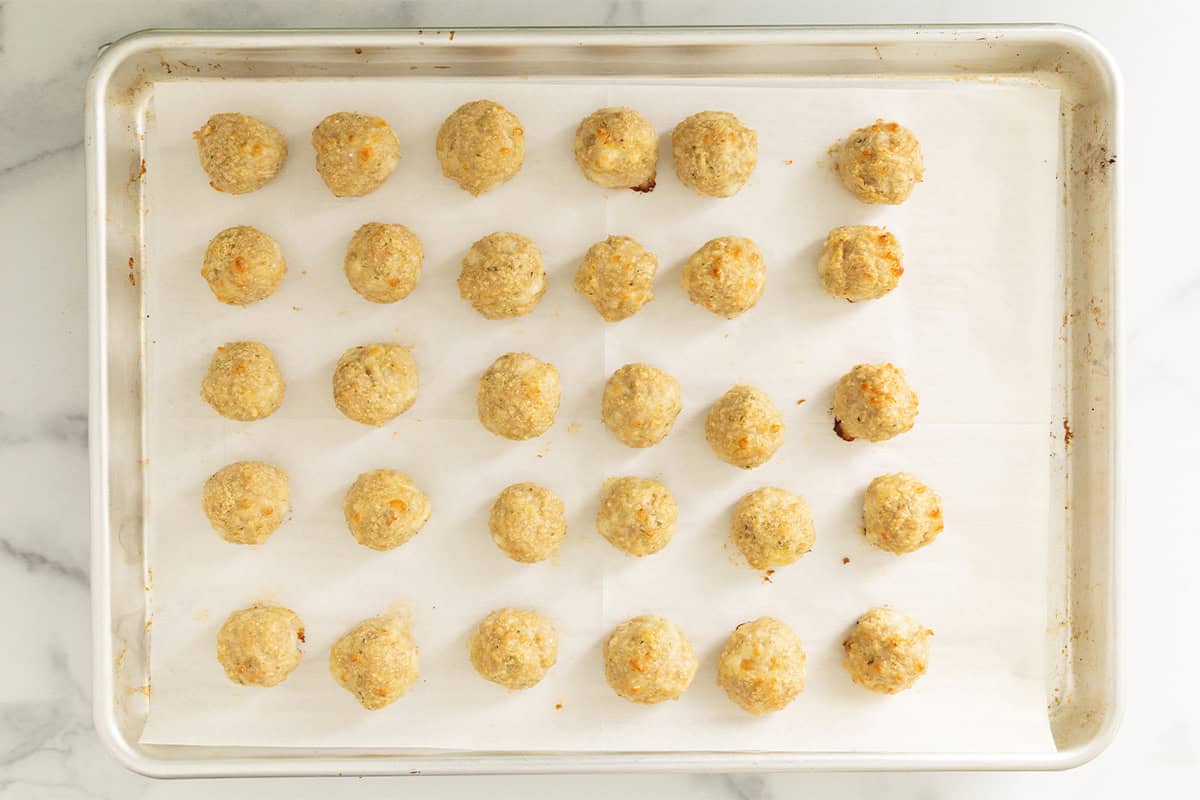
Once the mixture is homogenized, the meatballs are portioned—typically using a small scoop to ensure uniform cooking times—and arranged on a parchment-lined baking sheet. The shift from pan-searing to oven-baking is a critical evolution in the recipe, as it reduces the requirement for supplemental fats (such as frying oil) and allows for a "hands-off" cooking period. During this time, the internal temperature of the chicken must reach 165 degrees Fahrenheit (74 degrees Celsius) to ensure food safety.
Simultaneously, the pasta is prepared according to al dente specifications. The final stage involves the integration of the meatballs into a marinara sauce—either a homemade veggie-loaded version or a high-quality store-bought alternative. This phase allows the meatballs to absorb the flavors of the tomato-based sauce while maintaining their tender texture.
Comparative Analysis of Ingredients and Substitutions
A key factor in the longevity of this recipe in the family meal rotation is its versatility. While the standard version utilizes ground chicken, the culinary framework remains robust across various substitutions.
- Protein Variations: While chicken is favored for its lean profile, ground turkey offers a similar nutritional density. For families seeking higher iron levels, lean ground beef can be substituted, though this will alter the caloric and saturated fat content.
- Vegetable Integration: To increase the micronutrient density, "stealth health" techniques are frequently employed. Grating carrots, zucchini, or finely chopped spinach into the meatball mixture provides additional vitamins A and K without significantly altering the flavor profile or texture, making it an effective strategy for selective eaters.
- Gluten-Free and Allergen Considerations: The recipe can be easily modified for gluten-sensitive households by substituting traditional breadcrumbs with almond meal or certified gluten-free panko. Similarly, the pasta component can be replaced with chickpea or lentil-based alternatives to further increase protein and fiber intake.
Economic Impact and Domestic Efficiency
The rise of meal-prepping as a dominant household trend has positioned chicken meatball pasta as a premier candidate for batch cooking. Economic data suggests that preparing meals at home using versatile ingredients like ground poultry and pasta can significantly reduce a household’s monthly food expenditure compared to the consumption of pre-packaged "toddler meals" or restaurant takeout.
The "leftover efficacy" of this dish is a primary selling point. Unlike many poultry-based dishes that may become dry upon reheating, the moisture-retaining properties of the meatball (aided by the parmesan and sauce) ensure that the meal remains palatable for up to five days when stored in a refrigerated environment. This longevity allows parents to prepare the meal on a Sunday and utilize it for school lunches or quick weeknight dinners later in the cycle. Furthermore, the meatballs themselves are highly freezer-stable. When frozen in a single layer and then transferred to a vacuum-sealed bag, they can be stored for up to three months, providing a "ready-made" protein source for future meals.
Expert Reactions and Sociological Context
Sociologists specializing in domestic labor have noted that "one-pot" or "single-pan" meals like chicken meatball pasta alleviate the "cognitive load" associated with meal planning. By creating a dish that is equally acceptable to an eighteen-month-old and a thirty-five-year-old, caregivers reduce the need for "short-order cooking," a practice that often leads to parental burnout.
Nutritionists also praise the dish for its role in "flavor bridging." By introducing toddlers to ground chicken in a familiar, sauce-covered format, parents can bridge the gap toward more complex textures and savory flavors. The inclusion of fresh basil and parmesan as garnishes serves as a gentle introduction to aromatic herbs and aged cheeses, expanding the pediatric palate in a non-threatening manner.
Broader Implications for the Food Industry
The popularity of recipes like chicken meatball pasta reflects a broader shift in the food industry toward "clean label" comfort foods. Consumers are increasingly wary of ultra-processed meat products found in the frozen aisle, which often contain high levels of sodium and synthetic preservatives. The four-ingredient meatball serves as a counter-movement, empowering consumers to control the quality of their ingredients while maintaining the convenience of a fast-cooking meal.
Furthermore, the environmental impact of shifting from beef-based pasta dishes to chicken-based ones is noteworthy. Poultry production generally requires less land and water and results in lower greenhouse gas emissions compared to bovine agriculture. As climate-conscious eating becomes a priority for a segment of the population, these small dietary shifts contribute to a larger trend of sustainable domestic consumption.
Conclusion
Chicken meatball pasta stands as more than a simple recipe; it is a manifestation of modern nutritional strategies that prioritize efficiency, health, and family cohesion. By providing a significant source of iron and protein within a framework that respects the time constraints of the contemporary workforce, it addresses a critical gap in the domestic culinary market. As the demand for versatile, kid-friendly, and nutrient-dense meals continues to grow, the systematic approach to this classic dish ensures its place as a cornerstone of the modern family diet. The integration of simple ingredients, combined with the strategic use of oven-roasting and batch-prepping, offers a sustainable model for household meal management in an increasingly fast-paced world.
