

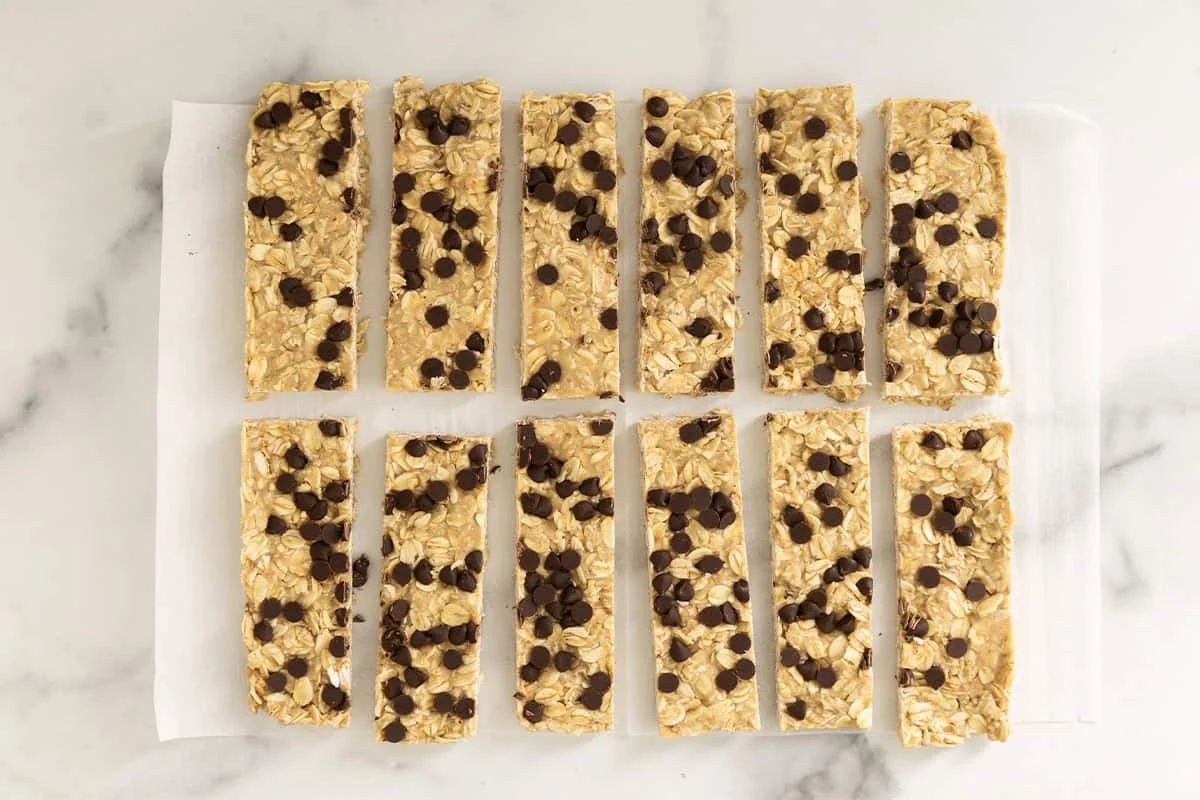
The domestic culinary landscape is witnessing a significant shift toward the "do-it-yourself" (DIY) snack movement, as households seek to mitigate the dual pressures of rising grocery costs and increasing concerns regarding processed food additives. Central to this transition is the emergence of the no-bake chocolate chip granola bar, a nutritional alternative that leverages pantry staples to produce a cost-effective, fiber-rich snack for children. By eliminating the requirement for oven-based preparation, this method offers a streamlined workflow that aligns with the logistical demands of modern family schedules while providing a product that rivals commercial equivalents in texture and flavor profile.
The Rise of DIY Nutritional Solutions in Modern Households
The popularity of homemade granola bars has surged in recent years, driven largely by transparency in ingredient sourcing. Commercial granola bars, while convenient, often contain high-fructose corn syrup, artificial preservatives, and emulsifiers designed to extend shelf life but which offer little in terms of nutritional value. In contrast, the chewy chocolate chip granola bar recipe emphasizes whole grains and natural binders.
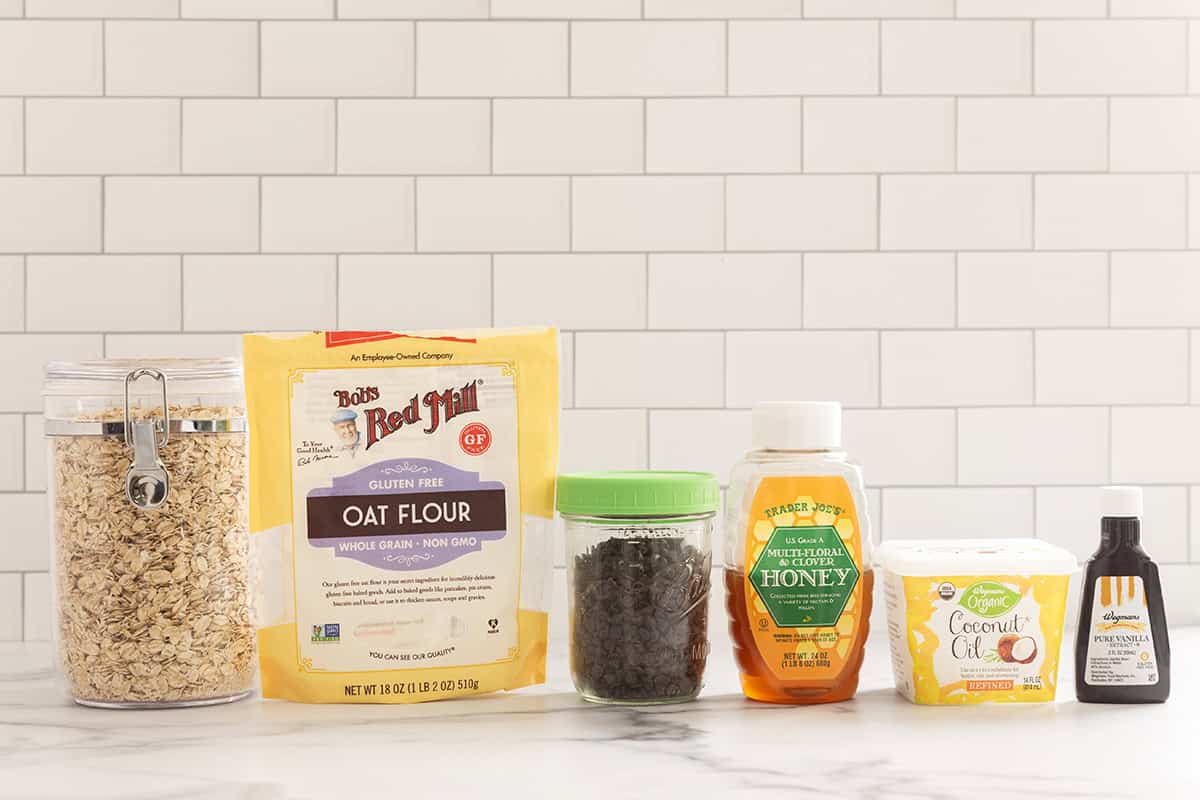
Market analysis suggests that the average cost of a premium, organic-branded granola bar in the United States ranges from $0.75 to $1.25 per unit. In contrast, the production of a single homemade bar using bulk-purchased oats, honey, and coconut oil can cost as little as $0.20 to $0.35. This economic disparity has incentivized many parents to pivot toward home production, viewing it not merely as a hobby but as a necessary financial strategy.
Detailed Chronology of Preparation and Structural Integrity
The process of creating a no-bake granola bar involves a specific sequence of thermal and mechanical actions designed to ensure the bar retains its shape without the structural reinforcement provided by baking.
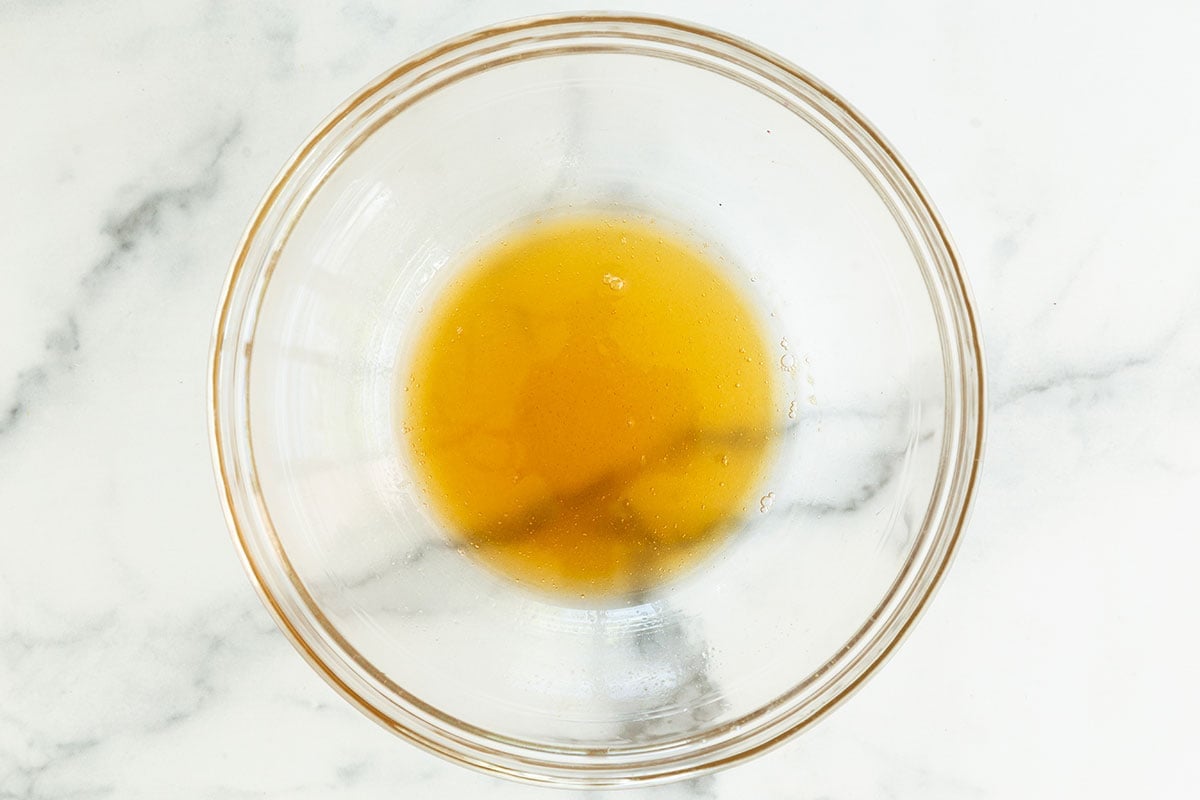
- Thermal Liquefaction: The process begins with the melting of coconut oil, a saturated fat that remains solid at room temperature but liquefies easily under low heat. This oil serves as the primary structural agent. Once liquefied, it is combined with honey, which acts as a secondary viscous binder and natural sweetener.
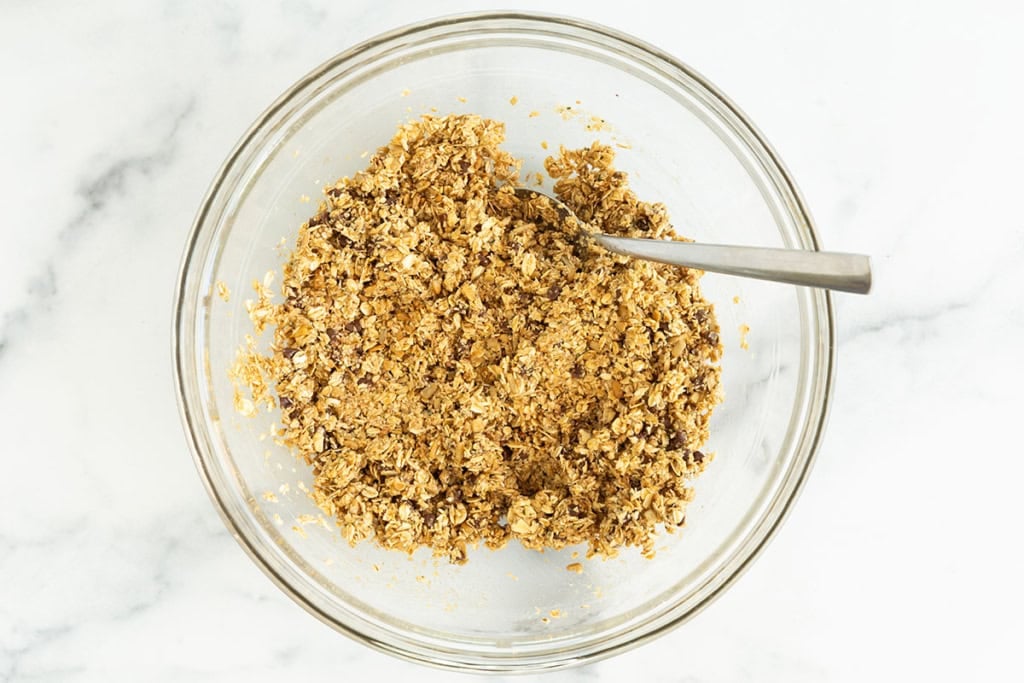
- Dry Ingredient Integration: The dry base, typically consisting of rolled oats and optional components like flaxseed or crispy rice cereal, is introduced to the liquid mixture. Journalistic observations of this method note that the thorough coating of every oat grain is essential for the bar’s eventual cohesion.
- Inclusion Incorporation: Once the base is established, chocolate chips are added. Because the mixture is not heated to extreme temperatures, the chocolate maintains its shape, providing the "chewy" texture characteristic of the snack.
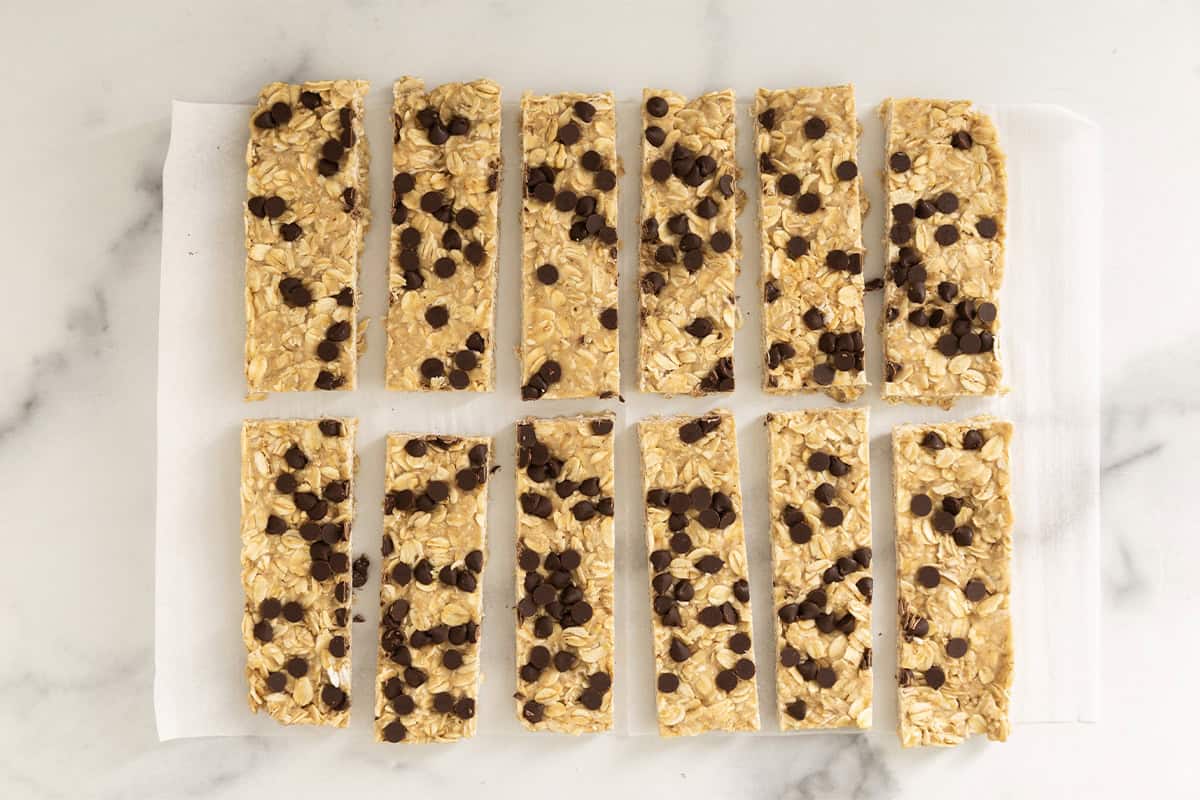
- Mechanical Compression: The mixture is transferred to a prepared pan lined with parchment paper. The "pressing" stage is critical; high-density compression ensures that no air pockets remain, which would otherwise lead to the bar crumbling upon slicing.
- Thermal Solidification: Unlike traditional bars that rely on the Maillard reaction (browning) during baking to set the structure, no-bake bars rely on refrigeration. The chilling process allows the coconut oil and honey to revert to a semi-solid state, "locking" the oats and chocolate into a firm matrix.
Supporting Data and Nutritional Analysis
Quantitative data provided by nutritional assessments indicates that these homemade bars offer a balanced profile suitable for the caloric needs of active children. A standard serving size of one bar (approximately 45-50 grams) yields the following metrics:
- Calories: 187 kcal
- Carbohydrates: 24g (primarily from complex carbohydrates found in oats)
- Dietary Fiber: 2g
- Proteins: 3g
- Total Fat: 9g (including 7g of saturated fat, largely derived from coconut oil)
- Sugars: 12g (naturally occurring from honey and chocolate inclusions)
From a pediatric standpoint, the inclusion of 2 grams of fiber per snack is significant. Fiber is essential for digestive health in toddlers and school-aged children, yet many processed snacks fall short of this benchmark. Furthermore, the absence of trans fats and the low sodium content (6mg) make these bars a cardiovascularly superior option compared to store-bought varieties, which can contain upwards of 150mg of sodium per serving.
Economic and Market Implications
The broader implications of the DIY snack trend extend into the retail sector. As more consumers adopt home-prepped snacks, major food manufacturers have noted a shift in purchasing patterns. According to consumer behavior reports, there is a growing demand for "bulk bin" items—oats, nuts, seeds, and dried fruits—while the sales of pre-packaged, multi-pack snack boxes have seen a stabilization or slight decline in certain demographics.
Consumer advocacy groups have praised the shift toward homemade alternatives, citing the reduction in single-use plastic waste. A family of four that consumes one granola bar per child per school day generates approximately 400 foil wrappers per year. By utilizing reusable containers and homemade batches, that environmental footprint is virtually eliminated.
Professional Responses and Expert Perspectives
Nutritionists and culinary experts have weighed in on the efficacy of the no-bake method. Dr. Elena Richardson, a specialist in childhood nutrition, states, "The ability to control the sugar-to-fiber ratio in a child’s diet is the most powerful tool a parent has. By using honey and oats in a controlled environment, you avoid the ‘hidden sugars’ that often plague the ingredient lists of commercial snacks."
Furthermore, kitchen safety experts highlight the "no-bake" aspect as an entry point for involving children in food preparation. Because the recipe avoids the use of high-heat ovens or sharp mechanical mixers, it provides a safe environment for children to learn about measurements, ingredient properties, and the importance of healthy eating. This educational component is often cited by developmental psychologists as a key factor in reducing "picky eating" habits later in childhood.
Broader Impact on Household Management
The logistical benefit of the no-bake granola bar cannot be overstated. In a fast-paced economy, the "prep and chill" model allows for weekend meal prepping that services the entire week. The bars are noted for their longevity; when stored in a refrigerated environment, they maintain peak freshness and structural integrity for up to eight weeks.
This durability makes them an ideal candidate for school lunches, where they may sit in a lunchbox for several hours. While they are best served chilled to maintain their "snap," the high density of the oat mixture ensures they remain edible and appetizing even at room temperature.
Challenges and Considerations
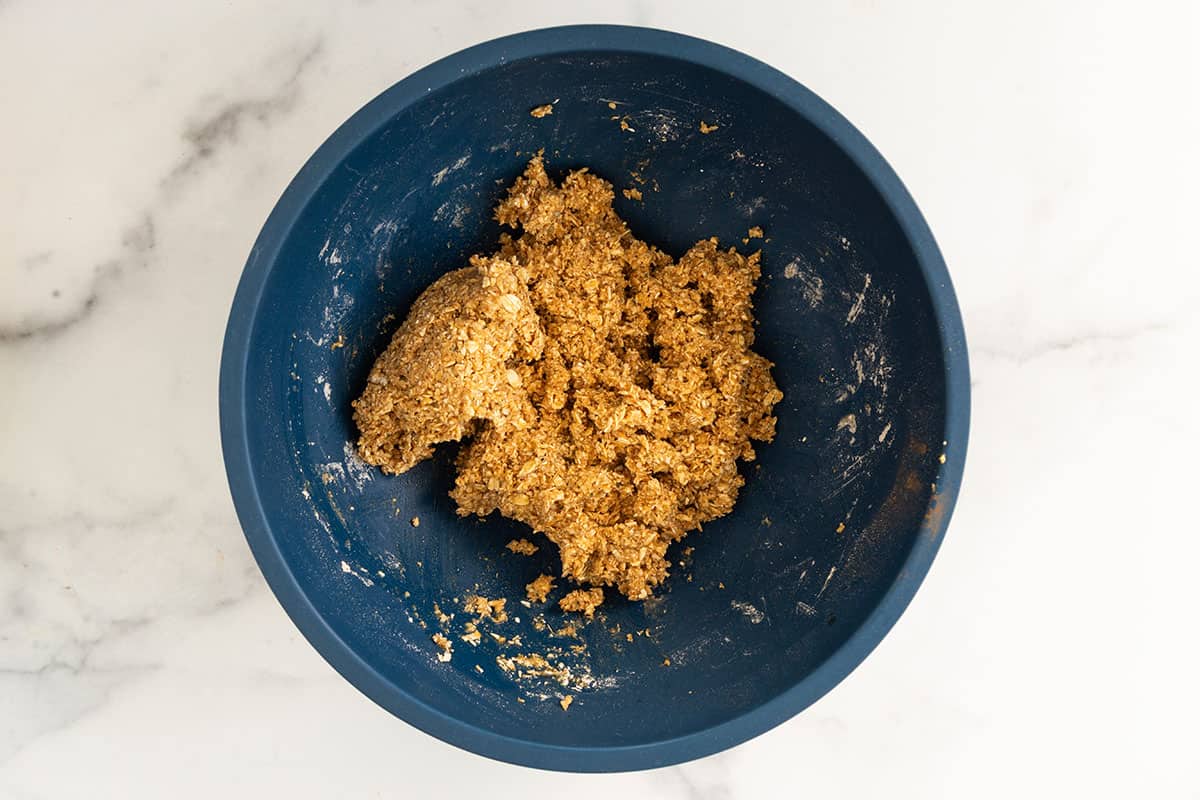
Despite the overwhelming benefits, the journalistic record must account for certain variables in the no-bake process. The primary challenge identified by home cooks is the "crumble factor." If the ratio of liquid binder (oil/honey) to dry oats is incorrect, or if the compression in the pan is insufficient, the bars may fail to hold their shape.
To mitigate this, culinary analysts recommend using a "weighted press" technique, where a second pan is placed on top of the granola mixture during the chilling phase. Additionally, the type of oat used—rolled vs. quick-cooking—can affect the texture. Rolled oats provide a heartier, more traditional "granola" feel, whereas quick oats result in a softer, more uniform bar.
Future Outlook for the DIY Snack Industry
As inflation continues to impact the global food supply chain, the trend toward homemade, nutrient-dense snacks like the chewy chocolate chip granola bar is expected to accelerate. We are likely to see an increase in digital platforms and community resources dedicated to sharing "copycat" recipes that replicate popular commercial items using healthier, cheaper ingredients.
Moreover, the intersection of health and sustainability will continue to drive consumer choices. The no-bake granola bar represents more than just a recipe; it is a microcosm of a larger movement toward self-sufficiency, health consciousness, and environmental responsibility. By transforming simple pantry staples into a high-value product, the modern household is effectively reclaiming control over both its budget and its well-being.
In conclusion, the chewy no-bake chocolate chip granola bar stands as a testament to the power of simple ingredients. Through careful preparation, a commitment to nutritional balance, and an understanding of the economic landscape, families can provide high-quality sustenance that supports the growth and development of the next generation without the unnecessary costs and chemicals of the industrial food complex.
