

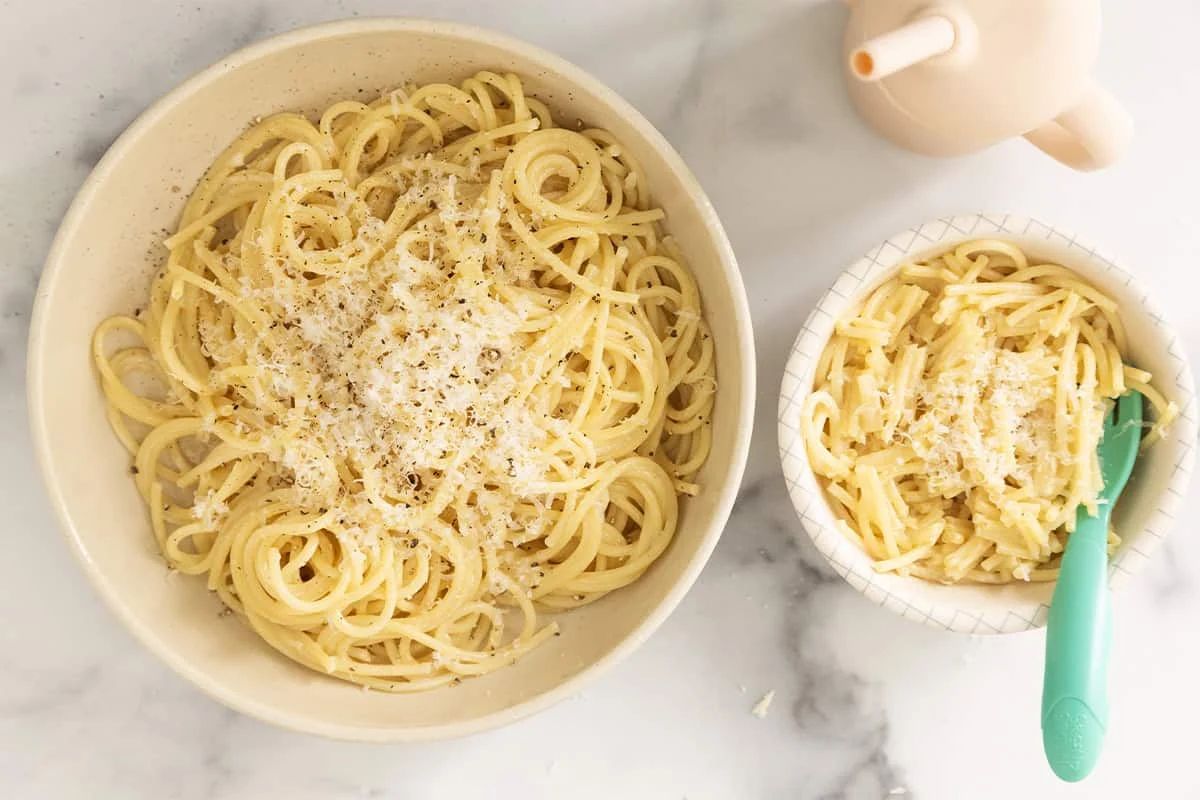
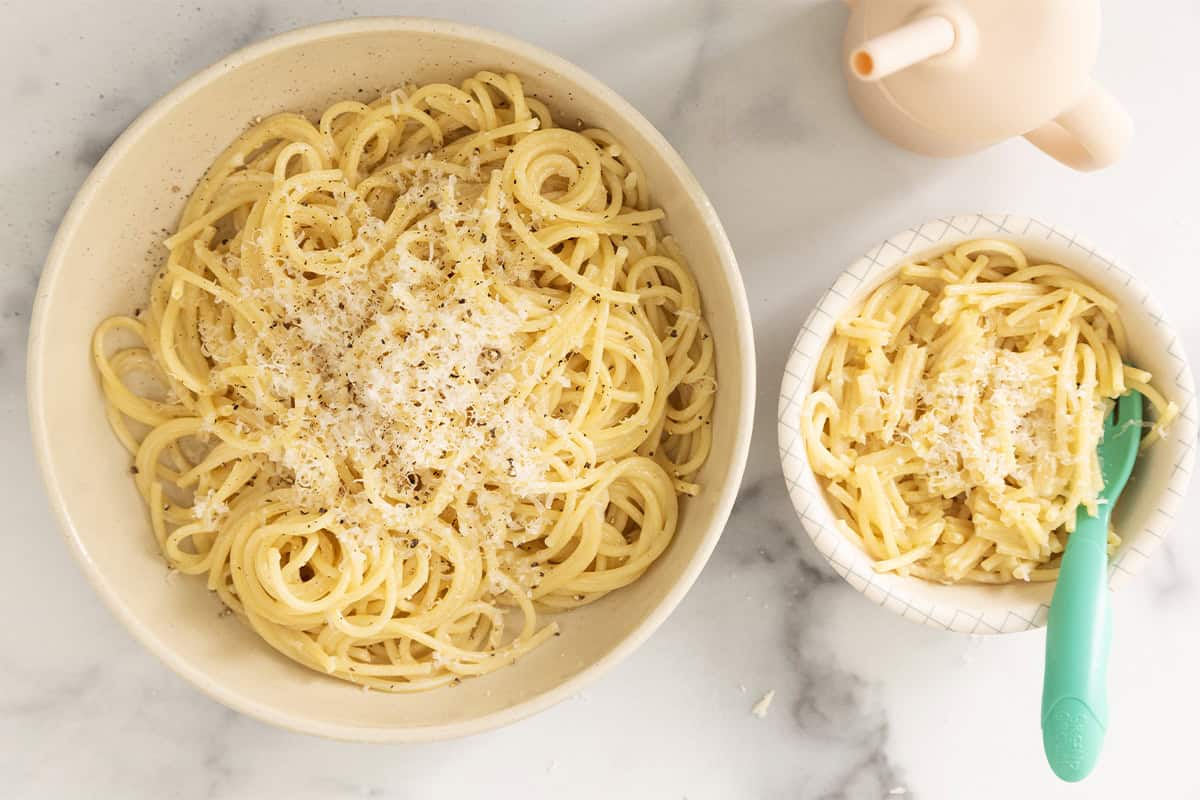
The contemporary landscape of domestic culinary practices has undergone a significant transformation, characterized by an increasing demand for meals that balance nutritional density with extreme preparation efficiency. At the forefront of this shift is a refined approach to the "Parmesan Noodle," a dish that has evolved from a basic staple of the "picky eater" repertoire into a strategic component of the modern family diet. This culinary evolution is driven by the necessity to provide comforting, vegetarian-friendly options that serve as a versatile base for various proteins while remaining accessible to the pediatric palate. By integrating high-quality fats, aged cheeses, and specific starch-emulsification techniques, the Parmesan Noodle represents a departure from the nutritionally sparse "buttered noodles" of previous generations, offering a more robust profile that appeals to both children and adults.
The Composition and Methodology of the Modern Parmesan Noodle
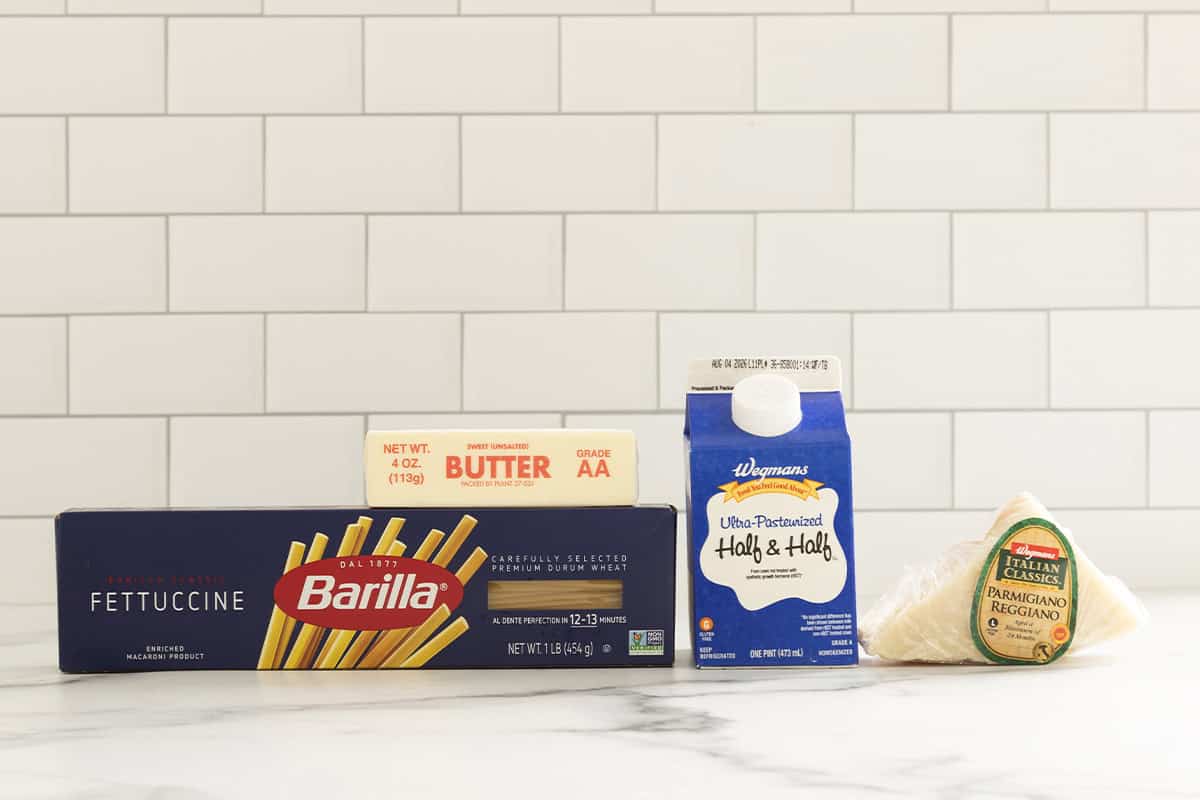
The technical execution of the modern Parmesan Noodle relies on a precise interplay of four primary ingredients: pasta, unsalted butter, heavy cream, and grated Parmesan cheese. Unlike traditional Italian Alfredo, which relies heavily on the emulsification of butter and cheese alone, the contemporary "toddler-friendly" variant often incorporates a small volume of heavy cream or reserved pasta cooking water to ensure a consistent, creamy texture that resists separation—a common deterrent for children sensitive to food textures.
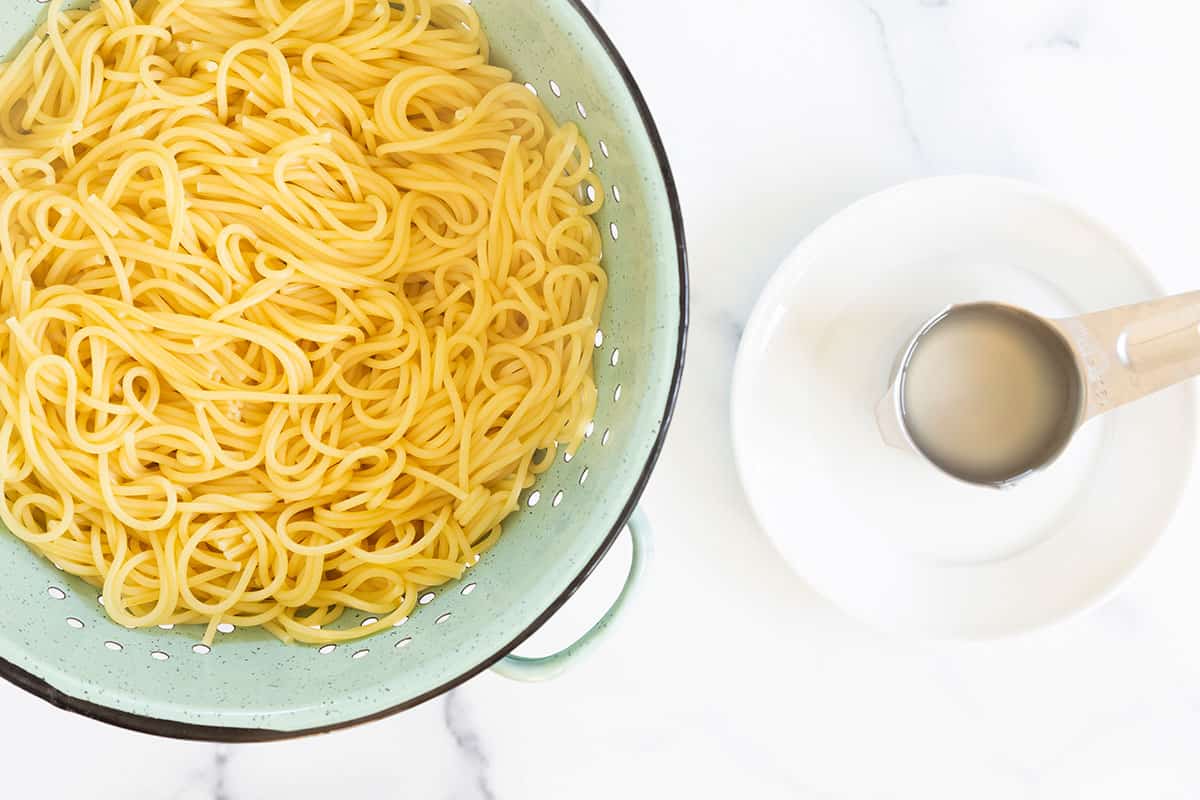
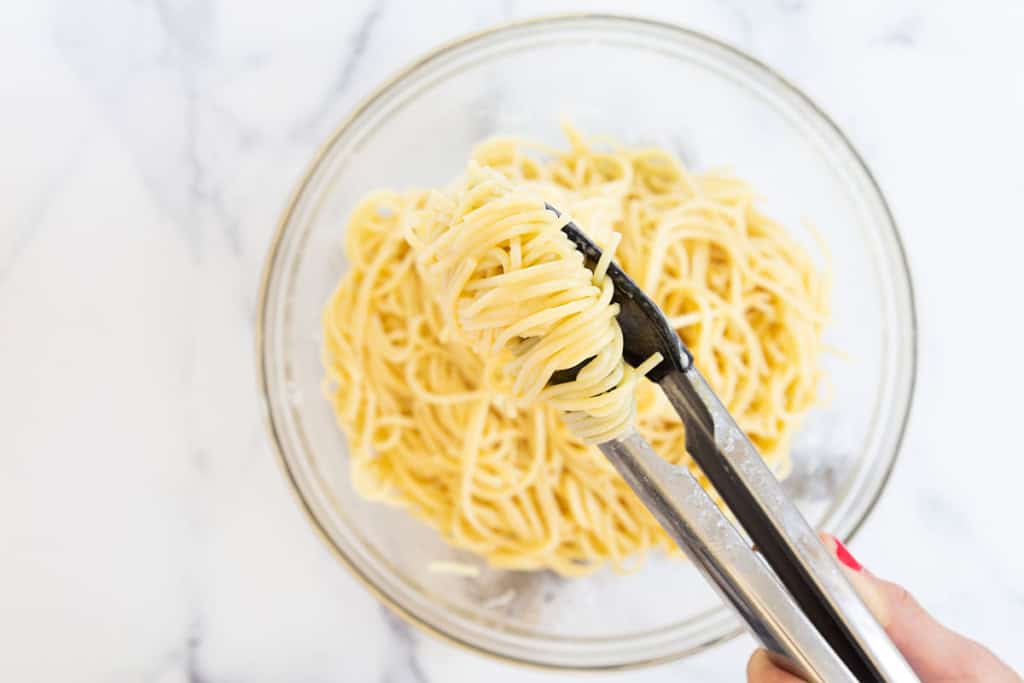
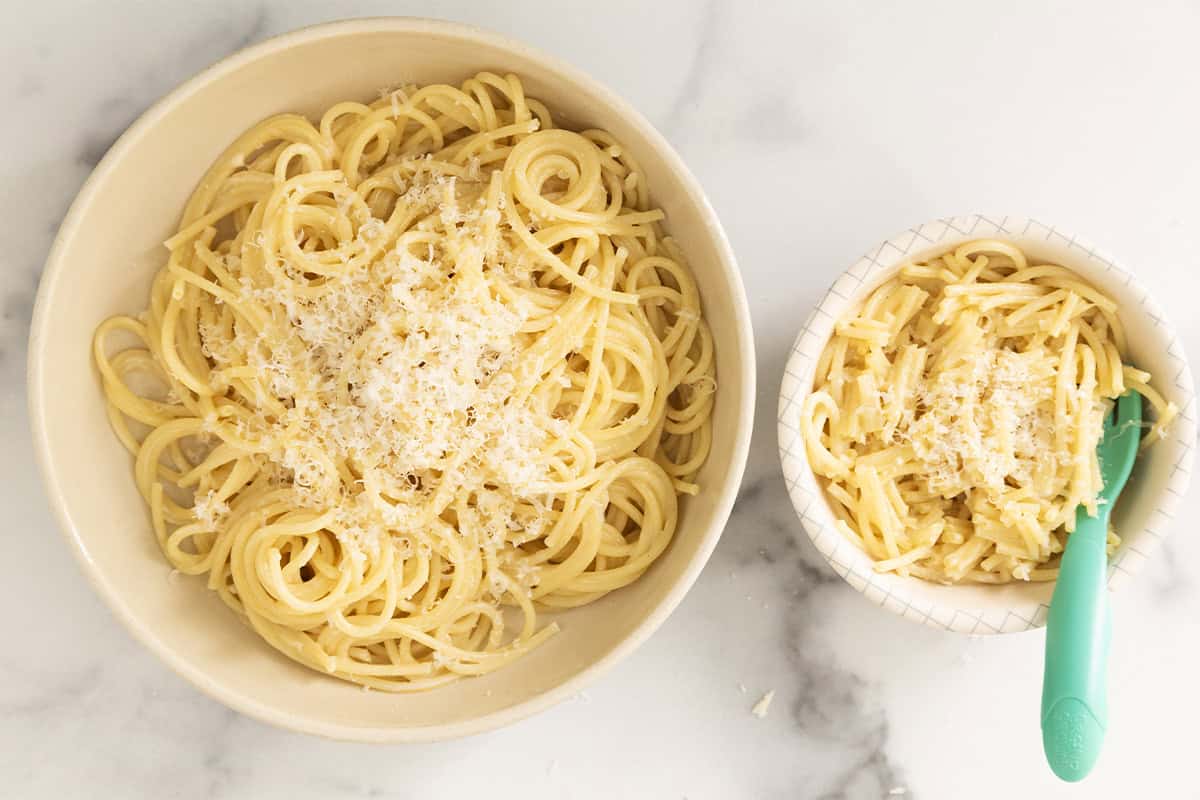
The preparation process begins with the boiling of pasta according to manufacturer specifications. A critical step in this methodology is the retention of approximately one-half cup of the starchy cooking water. This liquid serves as a natural thickening agent and emulsifier. Once drained, the pasta is returned to the heat source, where butter, cream, and Parmesan are introduced. The gradual addition of the reserved pasta water while tossing the mixture allows for the creation of a cohesive sauce that coats the noodles evenly. This "modular" approach to the recipe allows for the inclusion of additional flavor enhancers such as minced fresh parsley, sautéed garlic, or cracked black pepper, though these are often reserved for adult servings to maintain the simplicity required for younger diners.
Historical Context and the Evolution of Comfort Food
The lineage of the Parmesan Noodle can be traced back to the traditional Italian Pasta al Burro, a dish celebrated for its minimalism. However, its adoption into the American culinary lexicon during the mid-20th century saw a shift toward the "buttered noodle," which became a ubiquitous fixture on children’s menus across the United States. By the late 1990s and early 2000s, as pediatric nutrition became a focal point of public health discussions, the limitations of the plain buttered noodle—specifically its lack of protein and micronutrients—led to a demand for "upgraded" versions.
The current iteration of Parmesan Noodles reflects a broader cultural trend toward "elevated basics." This movement seeks to bridge the gap between "kid food" and "adult food," promoting a shared dining experience where the entire family consumes the same base meal. This shift is significant in the context of developmental psychology, as experts suggest that children who observe their parents enjoying the same foods they are served are more likely to develop diverse palates and reduced food neophobia.
Quantitative Nutritional Analysis and Dietary Impact
A detailed nutritional assessment of a standard two-ounce serving of these Parmesan Noodles reveals a complex profile that exceeds the caloric and protein density of traditional processed alternatives. According to standardized nutritional data, a single serving provides approximately 313 calories, with a macronutrient breakdown of 43 grams of carbohydrates, 10 grams of protein, and 11 grams of total fat.
Of particular note is the protein content, which, at 10 grams per serving, is comparable to many legume-based dishes. This is largely attributed to the inclusion of Parmesan cheese, a hard, aged cheese that is naturally high in protein and calcium (providing approximately 74mg of calcium per serving). The fat content, while significant at 11 grams, includes 6 grams of saturated fat derived from dairy sources, which provide essential fat-soluble vitamins such as Vitamin A (341 IU per serving). For families managing specific dietary requirements, the dish remains a low-sugar option (2 grams) and provides a moderate amount of dietary fiber (2 grams), depending on the variety of pasta utilized (e.g., whole wheat versus semolina).
Pediatric Acceptance and the Psychology of Feeding
The success of the Parmesan Noodle in domestic settings is largely attributed to its "sensory-friendly" profile. For many children, particularly those with sensory processing sensitivities or those in the "picky eating" developmental phase, the predictability of white or yellow noodles with a mild, savory flavor is highly reinforcing.
Dietitians specializing in pediatric nutrition often recommend the "bridge" method of feeding, where a familiar food—in this case, the noodle—is used to introduce new textures or flavors. By serving Parmesan Noodles alongside "Baked Chicken Tenders" or "Roasted Frozen Broccoli," caregivers can utilize the high-acceptance rate of the pasta to encourage the consumption of fiber-rich vegetables and lean proteins. This strategic pairing addresses the common parental concern regarding "beige diets," ensuring that while the central component of the meal is a simple starch, the overall plate remains nutritionally balanced.
Socioeconomic Implications and Time-Management Data
The rise of the "easy" Parmesan Noodle recipe is also a response to the socioeconomic pressures facing modern households. With an increasing number of dual-income families, the time allocated for meal preparation has decreased significantly over the last three decades. Survey data from the Bureau of Labor Statistics’ American Time Use Survey indicates that the average American spends less than an hour per day on food preparation and cleanup.
In this context, a meal that can be executed in the time it takes to boil water (approximately 10 to 12 minutes) is a vital tool for household management. The cost-effectiveness of the dish further enhances its appeal; the primary ingredients—pasta, butter, and cheese—are shelf-stable or have long refrigeration lives, reducing food waste and the frequency of grocery expenditures. Furthermore, the ability to store leftovers for up to five days in an airtight container provides a logistical advantage for meal-prepping parents, allowing for rapid reheating in 30-second increments with the addition of moisture to maintain the integrity of the starch.
Expert Responses and Practical Implementation
Culinary experts and home-cooking advocates emphasize that the "secret" to the dish’s longevity in the kitchen is its adaptability. "The Parmesan Noodle is essentially a blank canvas," states a domestic culinary consultant. "While the base recipe is designed for the toddler palate, the addition of fresh basil, crushed red pepper, or a squeeze of lemon juice immediately transforms it into a sophisticated meal for adults. This eliminates the need for ‘short-order cooking,’ where parents prepare separate meals for themselves and their children."
From a food safety perspective, the storage and reheating protocols are critical. Because the sauce is an emulsion of dairy and pasta starch, it is prone to drying out when exposed to the microwave’s dry heat. The recommendation to sprinkle water over the noodles and cover them during the reheating process is a science-based approach to restore the moisture balance and prevent the proteins in the cheese from becoming rubbery.
Broader Impact on the Domestic Food Industry
The popularity of such simplified, high-quality recipes has influenced the retail sector, leading to increased sales of premium dried pastas and artisanal cheeses. Market analysis suggests that consumers are increasingly willing to invest in higher-quality base ingredients (such as grass-fed butter or authentic Parmigiano-Reggiano) if the recipe itself is simple and requires fewer total components. This "quality over quantity" approach to ingredients has prompted grocery chains to expand their offerings of specialty dairy and imported Italian staples.
In conclusion, the Parmesan Noodle serves as more than just a convenient meal; it is a solution to a complex set of modern challenges involving nutrition, time management, and developmental feeding. By providing a reliable, nutrient-dense, and highly palatable option, this dish supports the health of the pediatric population while alleviating the logistical burdens placed on contemporary caregivers. As the trend toward "shared family meals" continues to grow, the Parmesan Noodle is expected to remain a cornerstone of the domestic kitchen, representing a successful synthesis of traditional comfort and modern dietary strategy.
