

Published November 2025. Reviewed by Craig Canapari, MD.
The approaching holiday season often brings a wave of anxiety for parents, particularly concerning their child’s carefully established sleep routines. While the prospect of travel, shared sleeping spaces, and altered schedules can seem daunting, pediatric sleep experts emphasize that children possess a remarkable capacity for resilience, and parental anxiety often amplifies minor disruptions into perceived crises. This article delves into common parental concerns regarding holiday travel and sleep, offering expert insights and practical strategies to navigate these challenges effectively.
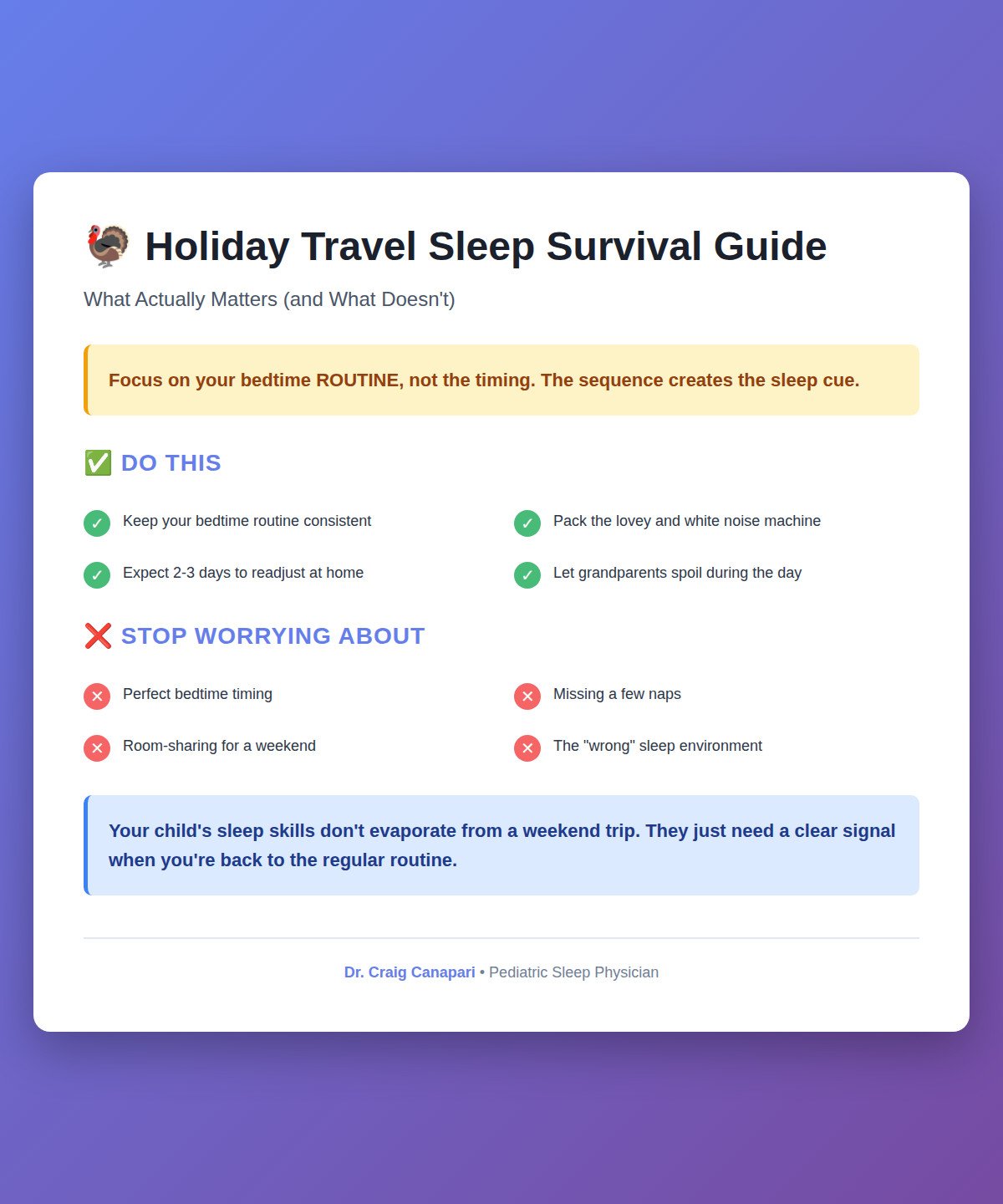
The Foundation of Holiday Sleep Success: Routine Over Rigidity
At the core of managing sleep during holiday travel lies a simple yet powerful principle: consistency in the bedtime routine, not necessarily the exact timing. Dr. Craig Canapari, a pediatrician with over two decades of experience in sleep medicine and a parent himself, highlights that the sequence of events leading to sleep—such as bath, book, and then bed—acts as a crucial cue for children. Even if this routine is shifted later in the evening due to travel circumstances, maintaining the familiar order provides a sense of predictability and comfort. This consistent cueing can be as calming for parents as it is for their children.
Expert Insights from Personal Experience
Dr. Canapari candidly shares his own past struggles, recalling nights filled with his eldest son’s sleep terrors during travels. These episodes, which occurred nightly when sleeping in unfamiliar environments, would disrupt the entire household and cast a shadow on his professional reputation as a sleep expert. He admits to a lifelong predisposition to poor sleep and acknowledges how his own anxieties about sleep amplified during transitional periods, such as the eve of school or the first night of vacation. His attempts to meticulously replicate his children’s sleep routines while traveling often resulted in increased stress. It was through this personal journey and by addressing common concerns from his email list that he developed a more pragmatic approach to holiday sleep.
Addressing Parental Concerns: A Q&A with Dr. Canapari
Many parents express similar anxieties about their children’s sleep during holiday breaks. Common themes include sharing rooms with siblings for the first time, maintaining sleep training protocols in new environments, navigating travel that coincides with bedtime, and managing the heightened energy levels often associated with vacations.
Sharing a Room with Siblings: A Staged Approach
One frequent concern, voiced by a parent named Christina, revolves around room-sharing with multiple children who have not previously slept together. She notes her toddler’s tendency to "play" with the baby, necessitating constant supervision. Dr. Canapari suggests a "staged bedtime approach" to manage this situation. This involves:
- Separating Bedtimes: Putting the younger child to bed first, ensuring they are settled before the older child enters the room.
- Calming the Older Child: Engaging the older child in a quiet activity outside the room until the baby is asleep, then bringing them in for their own bedtime routine.
- Utilizing Visual Barriers: If feasible, employing a visual divider or positioning beds strategically to offer a sense of personal space and minimize distractions between siblings.
He acknowledges that in situations where a toddler or preschooler might be awake later than an infant, flexibility is key, but emphasizes that safety concerns should always take precedence, warranting close observation. For parents concerned that a toddler might wake a baby, Dr. Canapari recommends strategies like establishing a designated "quiet zone" for the older child within the room, perhaps with books or quiet toys, and reinforcing the expectation of quiet after lights out. He advises against extensive pre-travel practice sessions, arguing that attempting to pre-empt hypothetical problems can create new ones.
Maintaining Sleep Training During Extended Stays
Lashay expresses worry about her 9-month-old, recently sleep-trained using the Ferber method, potentially crying all night during a two-week stay at her parents’ home. Dr. Canapari reassures families that sleep-trained infants typically retain their skills even in new environments, with disruptions being temporary. He outlines what to expect:
- Initial Adjustment: A brief period of increased fussiness or crying as the child adjusts to the new surroundings.
- Gradual Re-establishment: The child will likely settle back into their routine within a few nights.
- Parental Consistency: Maintaining the established bedtime routine and responding to the child as you would at home is crucial.
He advises proactive communication with grandparents. Before arrival, explaining that some crying is normal and part of the adjustment process, and requesting their non-intervention during these moments, can prevent friction. He suggests using his professional advice as a reference point if pushback occurs.
Navigating Bedtime Travel: A Strategic Plan
Sarah’s concern about driving home at bedtime, with both children typically asleep before 9 pm, highlights a common logistical challenge. Dr. Canapari proposes a multi-step strategy:
- Pre-Drive Routine: Implementing a shortened version of the bedtime routine before getting into the car, such as putting on pajamas and reading a quick story.
- In-Car Management: Creating a dark and quiet environment in the car to facilitate sleep, potentially using travel-sized sound machines or blankets.
- Post-Arrival Routine: Upon reaching home, a brief, calming routine—perhaps a quick drink of water and a familiar lullaby—can help signal the end of the day.
He notes that children often wake at their usual times the following morning, regardless of late bedtimes, and suggests allowing them to sleep in slightly to compensate for any lost rest.
Managing Vacation Excitement and Extended Stays
Lisa’s experience with her children (ages 4 and 7) becoming overly hyper and staying up late during trips, especially extended ones like a 2.5-week Hawaiian vacation, points to the impact of excitement and the circadian "forbidden zone." Dr. Canapari suggests establishing a clear "vacation bedtime" that, while potentially later than usual, still provides structure. The key phrase, "Vacation bedtime starts now. You don’t have to sleep, but you do have to stay in your bed quietly," sets expectations for downtime. For Hawaii specifically, he notes the potential advantage of the time difference, where an 8:30 pm bedtime in Hawaii aligns with a later body clock time, aiding sleep. However, he also acknowledges the inverse effect of time zone shifts, which will be discussed further.
The Drive Home Nap Dilemma
Evan’s concern about disrupted naps during a 1.5-hour drive to a Thanksgiving gathering, and the potential negative impact of early bedtimes on early wake-ups, is a valid one. Dr. Canapari advocates for prioritizing naps on travel days. If a nap is missed, he advises against an overly early bedtime, as this can sometimes trigger even earlier wake-ups. Instead, he suggests a slightly later bedtime on the night of the return to help regulate the child’s sleep cycle.
Time Zone Transitions: A Calculated Approach
Time zone changes, whether due to red-eye flights or significant geographical shifts, present a more complex sleep challenge. Jamie and Christina’s questions reflect this. Dr. Canapari advises a gradual adjustment period, typically 3-5 days for each time zone crossed, to allow the body’s internal clock to recalibrate.
- Flights Departing After Bedtime: To manage sleep on overnight flights, he suggests a routine before boarding, dressing children in comfortable sleepwear, and utilizing blackout curtains or eye masks to simulate darkness.
- The 3-Hour Rule: For significant time zone differences (3+ hours), a multi-day adjustment is recommended both upon arrival and departure.
- Traveling East: Generally easier, as children may naturally fall asleep later and wake later in the new time zone. Blackout curtains are crucial for extending sleep in the morning.
- Traveling West: Can be more challenging for younger children, as their natural sleep patterns may conflict with later daylight hours. Gradually shifting bedtime earlier in the days leading up to travel can be beneficial. Blackout curtains are essential for facilitating earlier sleep.
- Return Travel: The adjustment process is reversed, with similar principles and a comparable adjustment period expected.
Dr. Canapari notes that for short trips (3-4 days), maintaining the home schedule might be feasible, especially for nuclear family vacations. However, persistent sleep issues following a trip, as described by one parent whose one-year-old took two months to readjust, may indicate underlying factors beyond simple time zone disruption and warrant consultation with a pediatrician or sleep specialist.
Theme Park Sleep Strategies: Surviving the Spectacle
Sonya’s query about sleep during Disney or theme park trips addresses the overwhelming sensory input. Dr. Canapari acknowledges these as significant sleep disruptors, but manageable for short durations.
- Prioritize Naps: Encourage naps during the day, even if they are shorter or occur during transport.
- Consistent Bedtime Routine: Maintain a modified bedtime routine, even if it’s later than usual.
- Dark and Quiet Environment: Utilize blackout curtains and sound machines in the hotel room.
- Manage Expectations: Understand that some sleep disruption is inevitable and focus on re-establishing routines upon returning home.
Essential Packing for Sleep Success
Based on common concerns, Dr. Canapari recommends packing specific items:
- Essentials: Blackout curtains (travel versions are available), a portable sound machine, and familiar comfort items like a favorite blanket or stuffed animal.
- Helpful Additions: Travel crib or pack-n-play, comfortable sleepwear, and a night light if needed for navigating unfamiliar rooms.
- Items to Skip: Overpacking toys that can create clutter and distractions, and unnecessary gadgets that add to parental stress.
Three Common Sleep Worries to Reframe
Dr. Canapari identifies three areas where parental anxiety can be significantly reduced:
- Room-Sharing for Short Durations: A weekend of sharing a room is unlikely to cause lasting sleep issues. The stress of the situation is often more detrimental than the arrangement itself.
- Missed Naps: A few shortened or skipped naps will not permanently derail a child’s sleep. The solution is often an earlier bedtime on the subsequent night.
- Suboptimal Sleep Environments: While ideal conditions are preferable, children are adaptable. Addressing immediate concerns with portable solutions like sound machines and blackout curtains is more effective than prolonged worry.
A Practical Timeline for Travel Sleep Management
Before Departure:
- Communicate Expectations: Discuss sleep plans with travel companions and children, setting clear expectations.
- Pack Strategically: Ensure all necessary sleep aids are packed.
- Prioritize Pre-Travel Sleep: Aim for well-rested children before embarking on the journey.
During the Trip:
- Maintain Routine Elements: Focus on the sequence of the bedtime routine.
- Embrace Flexibility: Adjust timing as needed without compromising the core routine.
- Utilize Sleep Aids: Employ blackout curtains and sound machines consistently.
- Manage Excitement: Encourage quiet time before bed, especially during extended trips.
Upon Return Home:
- Re-establish Home Schedule: Immediately revert to the regular sleep and wake times.
- Consistent Routines: Reinforce familiar bedtime and morning routines.
- Patience: Allow a day or two for full readjustment, as sleep skills are generally robust.
The Real Survival Strategy: Structure and Recovery
The ultimate objective during holiday travel is not to achieve perfect sleep, but to maintain sufficient structure to facilitate a swift return to the normal routine upon arrival home. Just as a few days of indulging in holiday treats do not negate a healthy diet, short-term sleep disruptions do not erase a child’s established sleep skills. The key is providing a clear signal that normal routines have resumed.
When to Seek Professional Guidance
While most travel-related sleep disruptions are temporary, parents should consult a pediatrician or sleep specialist if:
- Sleep issues persist for more than two weeks after returning home.
- The child exhibits significant behavioral changes or distress related to sleep.
- There are underlying medical conditions that may be impacting sleep.
A Final Perspective on Travel Sleep
Dr. Canapari concludes with a reassuring message: a child’s difficulty with travel sleep is not a reflection of parenting failures. Children adapt at different paces. He shares that the cherished memories of chaotic holidays with young children often overshadow the temporary sleep challenges. The focus should remain on enjoying the present moments, with the understanding that sleep will eventually normalize.
Related Articles:
- [Article Link 1: Understanding and Managing Night Terrors in Children]
- [Article Link 2: The Science of Sleep Training: Methods and Best Practices]
- [Article Link 3: Navigating Jet Lag with Children: Strategies for Time Zone Travel]
- [Article Link 4: Creating a Conducive Sleep Environment for Your Child]
- [Article Link 5: The Impact of Screen Time on Children’s Sleep Patterns]
- [Article Link 6: When to Seek Professional Help for Childhood Sleep Disorders]
- [Article Link 7: Sleep Strategies for Families with Multiple Children]
Need more help? Sign up for my Sleep Training Mini-Kit in the box below.
Wave Goodbye to Sleepless Nights
Struggling with your child’s sleep? My FREE Sleep Training Mini Course is your lifeline. Learn actionable steps to improve your family’s sleep quality. Subscribe today and say hello to better nights!