

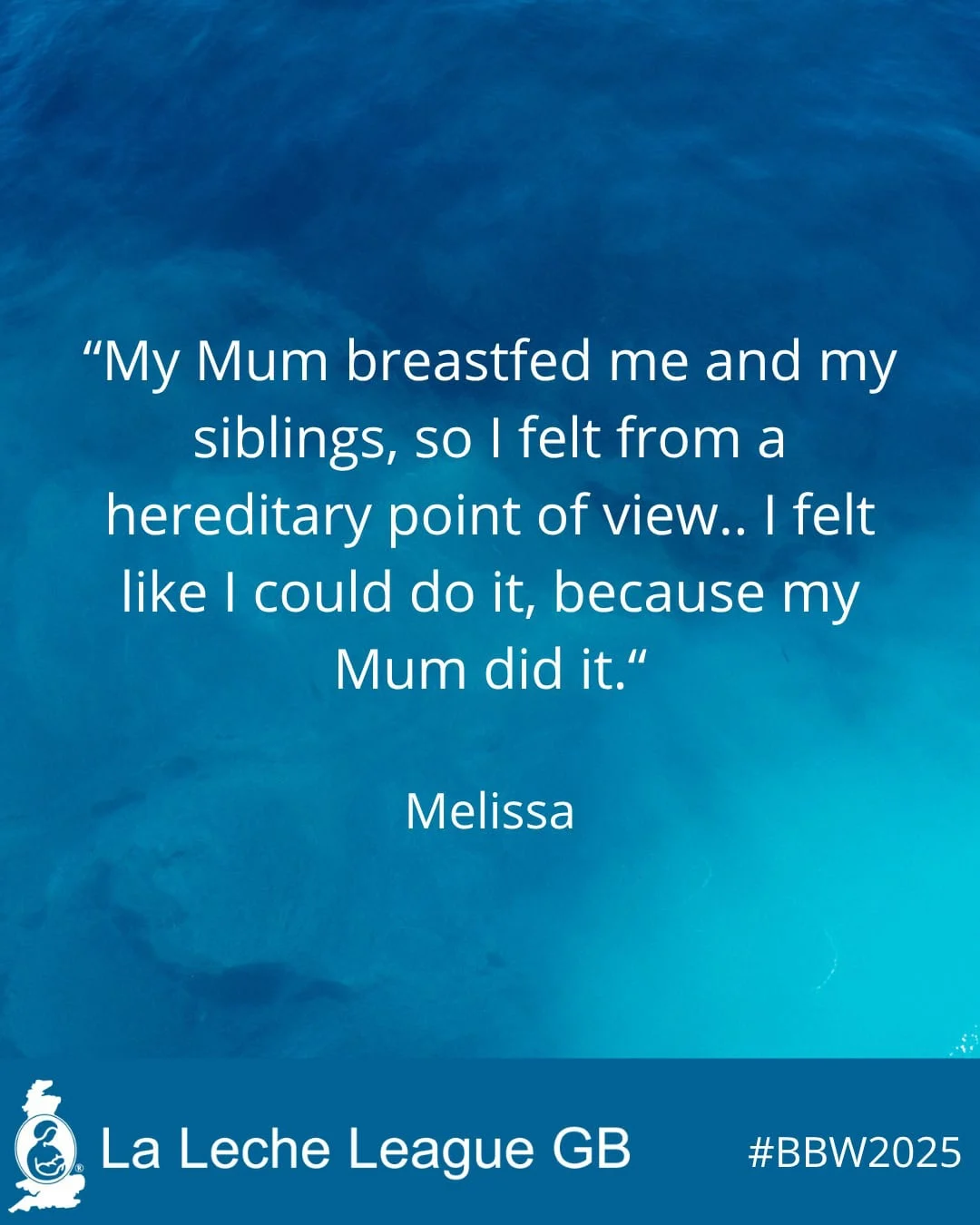
Black Breastfeeding Week, observed annually during the last week of August, stands as a pivotal initiative dedicated to giving voice to the historically underrepresented experiences and narratives of Black women in their breastfeeding journeys. This annual observance serves as a vital platform to address systemic disparities, celebrate resilience, and foster supportive communities for Black mothers and their infants. Organizations like La Leche League champion the power of personal stories, recognizing them as essential threads that weave together a global tapestry of mutual support and shared learning among mothers. Melissa, a mother from London, recently contributed her personal insights, offering a poignant reflection on her breastfeeding experience, navigating challenges, and the profound need for a likeminded community while tending to her five-month-old. Her audio notes, captured during the everyday rhythm of comforting her child to sleep, encapsulate the multifaceted realities of breastfeeding in the modern world.
The genesis of Black Breastfeeding Week in 2013 by Kiddada Green and Kimberly Seals Allers, alongside other prominent Black breastfeeding advocates, was a direct response to persistent racial disparities in breastfeeding rates and a profound lack of culturally relevant support for Black families. Data consistently reveals that Black women in the United States and, to a lesser extent, the United Kingdom, initiate and sustain breastfeeding at lower rates compared to their white counterparts. This gap is not merely a statistical anomaly but a complex issue rooted in historical trauma, systemic racism, socio-economic factors, and inadequate institutional support. The week aims to reclaim a narrative that has been marginalized, to highlight the unique challenges faced by Black mothers, and to celebrate the cultural significance and health benefits of breastfeeding within Black communities.
Historically, the relationship between Black women and breastfeeding has been fraught with pain and exploitation. During the era of slavery in the Americas, enslaved Black women were often forced to act as wet nurses for the children of their enslavers, frequently at the expense of nursing their own infants, who were then fed inferior substitutes or left to suffer. This traumatic legacy contributed to a profound distrust of the medical system and a cultural shift away from breastfeeding within Black communities post-emancipation. As formula feeding became increasingly prevalent in the 20th century, aggressive marketing campaigns often targeted Black communities, further embedding the perception that formula was a modern, superior alternative. This historical context is crucial for understanding the current disparities and the deep-seated reasons why Black Breastfeeding Week is not just about health, but also about healing, reclamation, and social justice.
Current statistics underscore the urgency of these efforts. According to the Centers for Disease Control and Prevention (CDC) in the U.S., while breastfeeding initiation rates have generally increased across all racial and ethnic groups, significant disparities persist. For instance, in the U.S., Black infants have lower rates of initiation and duration compared to white infants. While 85.3% of white infants are ever breastfed, only 74.1% of Black infants are. The gap widens further for continued breastfeeding at six months (58% for white vs. 45.4% for Black infants) and 12 months (35.6% for white vs. 27% for Black infants). Similar patterns, though often less stark, can be observed in the UK, where socioeconomic deprivation and ethnicity are known factors influencing breastfeeding rates. These disparities contribute directly to higher rates of infant mortality and chronic diseases within Black communities, including a greater incidence of Sudden Infant Death Syndrome (SIDS), respiratory infections, ear infections, and gastrointestinal issues for infants, and increased risks of breast cancer, ovarian cancer, and type 2 diabetes for mothers. Addressing these disparities through targeted support and advocacy for breastfeeding is therefore a critical public health imperative.
Melissa’s shared experience offers a vivid, personal lens into these broader themes. When asked why breastfeeding mattered to her, her likely reflections would touch upon the profound bond it forged with her child, the intrinsic health benefits, and perhaps a sense of empowerment or connection to a natural maternal instinct. Prior to having her own children, her perception of breastfeeding might have been shaped by the prevalence (or absence) of breastfeeding in her immediate family and social circles. In many Black families, the generational transmission of breastfeeding knowledge and practice has been interrupted due to historical factors, leading to a landscape where new mothers may not have seen breastfeeding modeled, contributing to a lack of awareness or even negative perceptions. The attitudes of friends and family play a crucial role in a new mother’s journey. Supportive encouragement can bolster confidence, while indifference or subtle discouragement can erode it, highlighting the need for a strong, informed support network.
Melissa’s candid reflections on what she wished she had known before embarking on her feeding journey and the barriers she faced would likely resonate with many mothers. Common challenges include difficulties with latch and positioning, concerns about milk supply, nipple pain, and mastitis. Beyond the physical, systemic barriers such as a lack of adequate paid parental leave, inflexible work environments, and insufficient access to culturally competent lactation support can severely impede a Black mother’s ability to breastfeed successfully and for as long as desired. Societal stigma, public discomfort with breastfeeding, and the pervasive cultural messaging that often normalizes formula feeding can add layers of emotional burden. These barriers are often compounded for Black women who may also face implicit bias within healthcare settings and a lack of representation among lactation consultants, leading to feelings of isolation and inadequacy.
In seeking useful sources of help and support, Melissa’s narrative likely underscores the invaluable role of peer support groups, such as those offered by La Leche League. These groups provide a safe space for mothers to share experiences, ask questions, and receive non-judgmental encouragement from others who understand. Certified lactation consultants, both independent and hospital-based, are critical resources for addressing technical challenges, while online communities and social media groups can provide constant access to information and emotional support. For Black mothers, culturally specific support groups and advocates are particularly vital, offering a space where shared racial and cultural identities can enhance understanding and trust, mitigating the effects of historical mistrust and systemic bias.
The culmination of Melissa’s journey, and indeed a central theme of Black Breastfeeding Week, is the building of a supportive community. Her quest for a "likeminded community" speaks to a universal maternal need for connection, but also to the specific challenges Black mothers face in finding spaces where their experiences are truly understood and validated. A strong community provides not only practical advice but also emotional resilience, helping mothers to overcome feelings of isolation and self-doubt. It is within these communities that stories are shared, wisdom is exchanged, and the cultural norms around breastfeeding can be positively reinforced and revitalized. This sense of belonging is a powerful antidote to the systemic and social pressures that can undermine a mother’s breastfeeding goals.
Organizations like La Leche League International and national bodies such as La Leche League Great Britain play a crucial role in fostering these communities and advocating for equitable breastfeeding support. Their model of mother-to-mother support and evidence-based information empowers mothers to make informed decisions and overcome challenges. Public health bodies globally, including the World Health Organization (WHO) and national health services, continually issue guidelines and implement programs aimed at increasing breastfeeding rates due to its proven public health benefits. However, targeted initiatives are essential to address racial and ethnic disparities. Advocacy groups specifically for Black mothers, such as the Black Mothers’ Breastfeeding Association (BMBA) in the U.S., actively work to reduce racial inequities in breastfeeding by providing education, support, and advocacy rooted in cultural competence. These organizations emphasize the need for policy changes, including extended paid parental leave, mandated workplace lactation accommodations, and increased funding for diverse and culturally competent lactation professionals.
The broader impact and implications of strengthening breastfeeding support for Black women extend far beyond individual health outcomes. It contributes to reducing pervasive health disparities, fostering economic stability within families (by reducing formula costs and improving maternal health), and empowering women through informed choice and community solidarity. It is also a powerful act of cultural reclamation, reconnecting Black communities with ancestral practices and promoting a positive, self-determined narrative around Black motherhood. The ongoing effort to amplify Black voices in breastfeeding is an intersectional struggle for racial justice, health equity, and maternal empowerment. Every story shared, every mother supported, and every barrier removed contributes to a more just and healthier society.
La Leche League continues to encourage mothers to share their stories, recognizing that individual narratives like Melissa’s are powerful tools for change, education, and connection. These personal accounts are not merely anecdotes; they are crucial data points that illuminate the human experience behind the statistics, inspiring others and informing advocacy efforts. For those inspired by Melissa’s honesty and courage, the opportunity to contribute to this collective wisdom through publications like ‘Breastfeeding Matters’ or by attending local meetings remains open, affirming that every voice holds the potential to be exactly what another mother needs to hear.
