

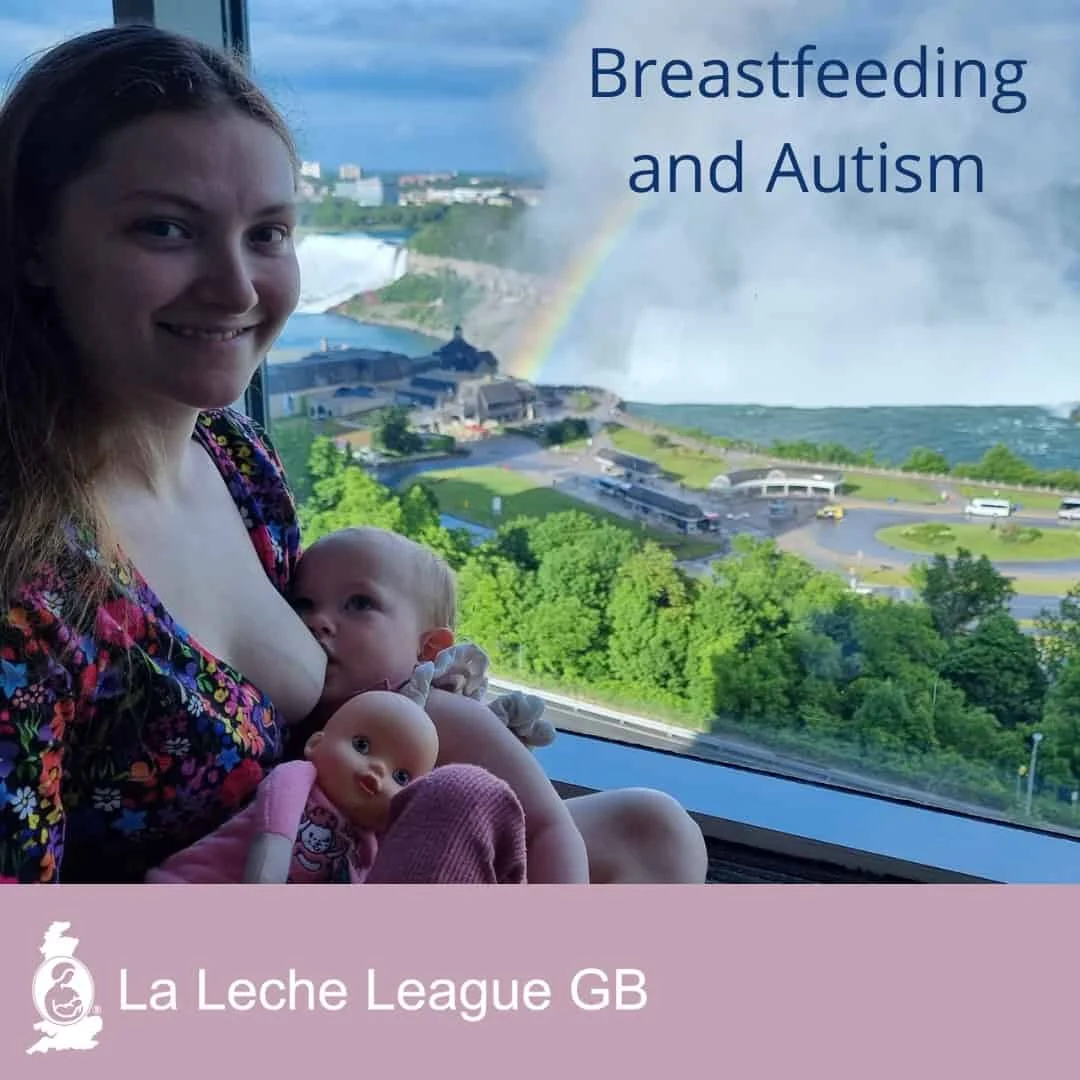
The intersection of autism and breastfeeding presents a complex yet deeply personal landscape, encompassing both unique strengths and specific challenges for autistic parents and those raising autistic children. Autism, recognized as a neurodevelopmental difference, shapes an individual’s experience of the world and their communication styles, often leading to a designation as neurodivergent. This inherent diversity means that the journey through parenthood and breastfeeding will vary significantly from person to person, demanding highly individualized and empathetic support systems.
Understanding Autism in the Context of Parenthood
Autism Spectrum Disorder (ASD) is a lifelong condition that affects how people communicate and interact with the world. It is called a "spectrum" because it affects people in many different ways and to varying degrees. While historically associated primarily with males, growing research has illuminated the often-underestimated prevalence of autism in women and non-binary individuals, many of whom remain undiagnosed. In England, for instance, an estimated 0.82% of the population is diagnosed autistic, yet a staggering 72% of the autistic population is believed to be undiagnosed. This significant diagnostic gap has profound implications for healthcare access, particularly within maternity care and breastfeeding support, as many individuals may not be aware of their neurodivergent needs or feel comfortable articulating them within conventional settings.
The diagnostic criteria for autism have evolved over time, moving away from a deficit-based model towards a more inclusive understanding of neurodiversity. This shift acknowledges that autistic individuals process information, interact socially, and experience sensory input differently, rather than "incorrectly." For autistic parents, these differences can manifest in various ways during the perinatal period, from navigating the often-overwhelming sensory environment of a hospital to engaging with healthcare providers whose communication styles may not align with their needs. The ability of many autistic women to "mask" – suppressing their natural behaviors and camouflaging their difficulties to fit into neurotypical expectations – further complicates their access to appropriate support, as their struggles may go unnoticed by professionals.
Breastfeeding as an Autistic Parent: Strengths and Specific Considerations

For many autistic women and parents, the decision to breastfeed is met with a unique blend of personal resolve and potential hurdles. The experience is rarely monolithic, presenting a wide range of individual expressions and requirements.
The Calming Ritual and Empowerment
Contrary to potential assumptions, many autistic women report finding profound comfort and empowerment in the act of breastfeeding. The quiet, focused time spent nursing can serve as a cherished respite, offering a sense of calm and a protected space for rest amidst the often-chaotic demands of new parenthood. This dedicated period can be particularly grounding for those who thrive on routine and predictability, providing a rhythmic anchor in their daily lives. The intimate connection forged during breastfeeding can also be a deeply fulfilling experience, fostering a powerful bond with their child.
Information Seeking and Determination
A notable strength often observed in the autistic community is a propensity for deep dives into specific interests and rigorous independent research. This characteristic can be a significant asset for autistic parents who choose to breastfeed. Many will meticulously gather information, becoming highly knowledgeable about the intricacies of lactation, latch, and infant feeding. This commitment to understanding, coupled with a strong sense of determination, often equips them with a robust foundation to overcome potential breastfeeding challenges. Their methodical approach can lead to well-informed decisions and persistent efforts to achieve their feeding goals.
Navigating Communication Nuances in Support
Communication differences are a key aspect of the autistic experience, which can significantly impact how autistic parents seek and receive breastfeeding support. These differences are often situational; an individual might be verbally fluent in one context but experience selective mutism or difficulty processing spoken language in another, especially under stress or sensory overload. Healthcare providers and support groups must therefore adopt flexible communication strategies. Offering options beyond verbal interaction, such as written instructions, email correspondence, text-based support, picture cards, or even the use of sign language, can be crucial for ensuring effective communication and reducing anxiety. The ability to communicate through a written "Help Form," as offered by organizations like LLLGB, exemplifies a neurodiversity-affirming approach to support.
Addressing Sensory Sensitivities in Breastfeeding
Sensory processing differences are a hallmark of autism, where individuals may experience senses (sight, sound, touch, taste, smell, proprioception, interoception) with heightened intensity or reduced awareness. This can profoundly influence the breastfeeding experience.
- Touch: Skin-to-skin contact, while beneficial, might be overwhelming or uncomfortable for some. The sensation of a baby suckling, or the feeling of milk let-down, could be dysregulating. Conversely, some might find certain tactile sensations soothing.
- Smell: The natural scent of a baby or breastmilk might be too intense or unpleasant.
- Sound: The sounds of a baby crying, suckling, or even ambient noises during feeding can be distracting or overwhelming.
- Sight: Bright lights in a clinic or busy visual environments in a group setting can cause distress.
- Taste: The taste of colostrum or mature milk might be a factor, though less commonly reported.
- Interoception: Difficulty accurately perceiving internal bodily signals like hunger, thirst, or fullness can affect the parent’s ability to recognize their own needs while breastfeeding.
Support providers must be mindful of these sensitivities, recommending adjustments like dimming lights, finding quiet spaces, suggesting comfortable clothing, or exploring different breastfeeding positions to minimize discomfort.

The Broader Landscape of Perinatal Mental Health and Support Access
The perinatal period is a vulnerable time for all new parents, but autistic individuals face additional layers of complexity. Rates of Post-Traumatic Stress Disorder (PTSD) are significantly higher in the autistic community compared to neurotypical individuals, often stemming from challenging or traumatic birth experiences where their needs were not understood or met. This history can create significant anxiety around seeking further healthcare support, including for breastfeeding.
Many autistic mothers report a lack of social support and face considerable barriers in accessing traditional maternity services. Group settings, while beneficial for some, can be overwhelming due to unstructured social interaction, noise levels, and uncertainty about expectations. The simple act of making a phone call to a helpline or local group can be a source of intense anxiety, preventing access to vital resources. Therefore, offering diverse avenues for support—such as one-on-one consultations, pre-visit information with photos of the venue, the option to bring a support person, and quiet spaces—is paramount. The emphasis must be on creating an environment of psychological safety and predictability.
Supporting Autistic Children Through Breastfeeding
As autism diagnosis rates continue to rise in children, the role of breastfeeding in the early development and regulation of neurodivergent infants and toddlers is gaining increased attention. The World Health Organization (WHO) recommends breastfeeding for two years and beyond, aligning with a natural weaning age estimated between 2.5 and 7 years. For an autistic or neurodivergent child, breastfeeding can take on heightened significance, acting as a powerful tool for sensory regulation and emotional security.
The Role of Breastfeeding in Sensory Regulation
Autistic children often process sensory input differently, displaying patterns of sensory seeking or sensory avoidance. This can directly influence their feeding behaviors. A child might seek frequent breastfeeding as a means of co-regulation—using the familiar rhythm, warmth, and close contact to manage overwhelming sensory input from their environment (e.g., loud noises, bright lights, unfamiliar places). Conversely, sensory overload might make it difficult for a child to focus on feeding, leading to less frequent nursing or outright refusal. Understanding these dynamics requires careful observation and adaptation, such as creating a calm, low-stimulus feeding environment. Simple changes, like adjusting room temperature or ensuring comfortable clothing (even socks can be a sensory trigger), can make a significant difference.
Understanding "High Needs" and Intensive Attachment
Many babies are described as "high needs" due to their intense desire for closeness and frequent interaction with their primary caregiver. For neurodivergent children, this intensity can be amplified. Breastfeeding often serves as a primary comfort mechanism, a source of predictability, and a means of reconnection in a world that can feel unpredictable and overwhelming. While this intensive attachment is a normal and healthy aspect of early development, it can be particularly demanding for parents. Prioritizing self-care, building a strong network of family and friends, and connecting with like-minded communities are crucial for sustaining parents through these intense early years.

Managing Feeding Patterns, Boundaries, and Weaning
The journey of breastfeeding an autistic child into toddlerhood and beyond often presents unique considerations regarding feeding patterns, setting boundaries, and the eventual process of weaning. Parents frequently report challenges with frequent feeding in older autistic children and express a strong need for more guidance on gentle weaning strategies.
Weaning can be particularly challenging for autistic children due to their sensory processing differences, communication difficulties, and the reliance on breastfeeding for co-regulation. A gradual, predictable approach, often utilizing visual schedules or social stories, can be beneficial. Lactation consultants, such as La Leche League Leaders, can offer invaluable support in navigating these complexities, helping parents establish gentle boundaries or explore weaning options at different ages and stages.
Nutritional Considerations and Interoception Challenges
Autistic children may experience difficulties with eating solid foods due to sensory aversions related to texture, taste, smell, or sight. This can lead to a restricted diet, making continued breastfeeding vital for providing essential nutrients that might otherwise be lacking. Some autistic individuals also experience interoception difficulties, meaning they struggle to accurately perceive internal bodily cues like hunger, thirst, or fullness. This can impact a child’s ability to signal their need to feed or to recognize when they are satiated, further complicating feeding dynamics and requiring parents to develop an acute awareness of their child’s non-verbal cues.
Many mothers choose to continue breastfeeding until their child naturally "self-weans," while others responsively nurse older children "on demand." However, some parents may opt to set gentle boundaries, limiting the number or length of feeds, or restricting breastfeeding to specific times or locations. In cases where communication challenges exist, this requires creative strategies such as offering alternative comfort items, engaging in distracting activities, or using clear, simple language and visual cues to explain changes. Continuing breastfeeding into toddlerhood and beyond offers numerous benefits, providing not only crucial nutrition but also continued comfort and security for both child and mother.
Evolving Support Systems and Future Directions
The growing understanding of autism and neurodiversity demands a corresponding evolution in healthcare and breastfeeding support services. The traditional "one-size-fits-all" approach is increasingly recognized as inadequate for the diverse needs of autistic families.

The Call for Neurodiversity-Affirming Care
There is an urgent need for healthcare professionals—midwives, lactation consultants, pediatricians, and general practitioners—to receive comprehensive training in neurodiversity-affirming care. This includes understanding autistic communication styles, sensory sensitivities, the impact of masking, and the potential for trauma in healthcare settings. Emphasizing person-centered care, active listening, and offering flexible, accessible support options are critical. This shift involves moving beyond simply accommodating differences to actively celebrating and supporting the unique ways autistic individuals experience parenthood and breastfeeding.
Resources and Community: Where to Find Help
Organizations like La Leche League Great Britain (LLLGB) are at the forefront of providing individualized, empathetic support, including resources like written help forms and fostering inclusive group environments. The Maternity Autism Research Group (MARG) also serves as a valuable online hub for information and advocacy. As awareness grows, more local and national organizations are adapting their services to better cater to neurodivergent families, offering specialized groups, one-on-one virtual consultations, and accessible educational materials. Building a supportive community, whether online or in-person, remains a cornerstone of navigating the unique joys and challenges of breastfeeding within the autistic community.
In conclusion, the journey of breastfeeding for autistic parents and with autistic children is rich with individual experiences, marked by both unique strengths and specific considerations. By fostering neurodiversity-affirming practices, embracing flexible communication, acknowledging sensory differences, and providing tailored, compassionate support, healthcare providers and community organizations can empower autistic families to achieve their breastfeeding goals and thrive.
