

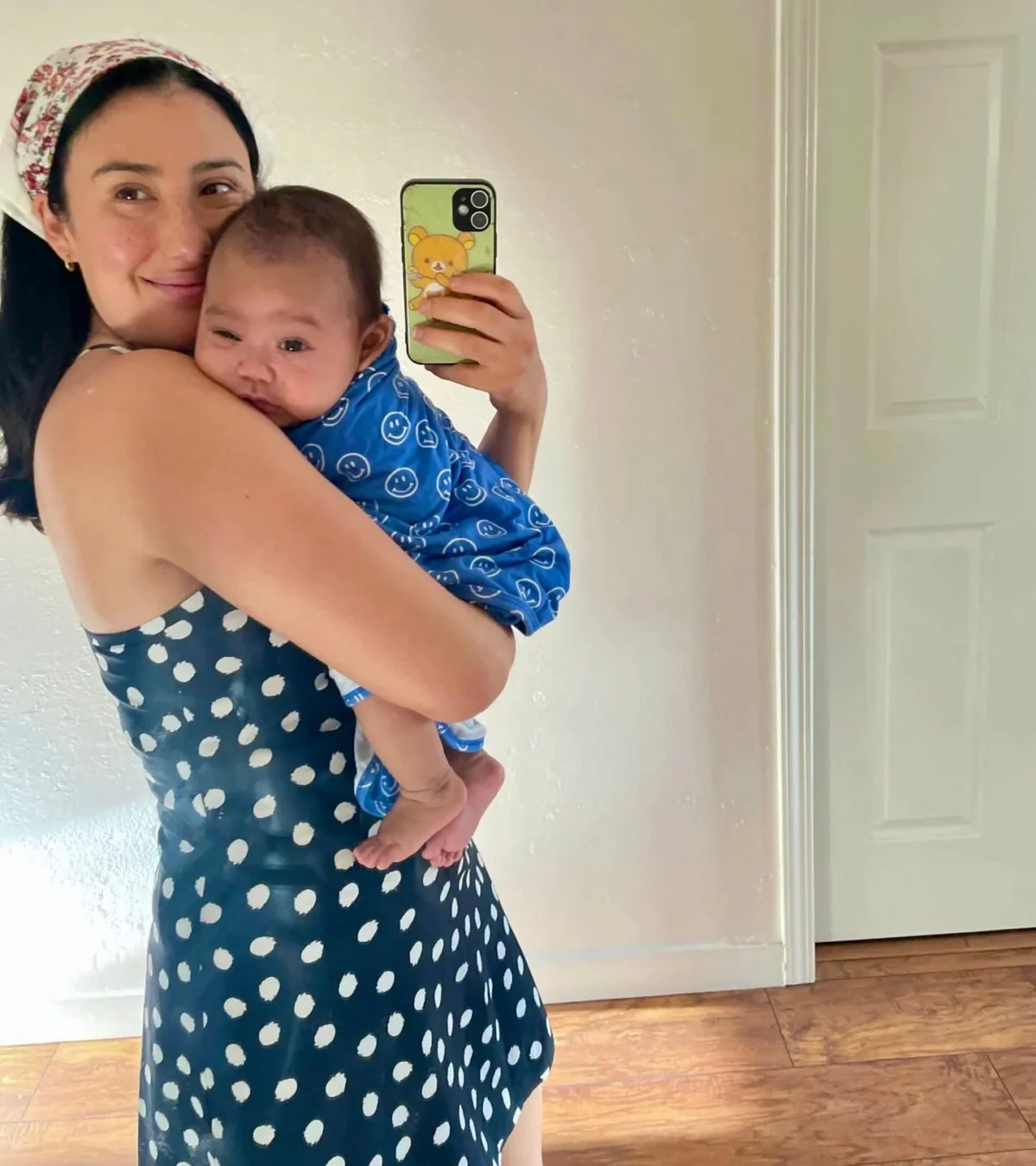
The transition into motherhood, often referred to by clinicians as the "fourth trimester," represents one of the most significant physiological and psychological shifts in the human experience. As newborn care typically dominates the immediate landscape of a household, the health and well-being of the mother can occasionally become secondary in the eyes of the broader community. However, recent trends in maternal health advocacy and sociological studies suggest that the quality of support provided during the first year postpartum is a critical determinant in long-term maternal mental health and family stability. Recent data indicates that the postpartum period is characterized by a complex interplay of hormonal fluctuations, sleep deprivation, and physical recovery, all of which necessitate a robust support network.
The Biological and Psychological Landscape of the Fourth Trimester
To understand the necessity of targeted support for new mothers, it is essential to examine the biological shifts occurring after childbirth. Within the first 24 hours of delivery, levels of estrogen and progesterone drop precipitously, returning to pre-pregnancy levels. This hormonal "crash" is often linked to the "baby blues," a condition affecting up to 80% of new mothers, characterized by mood swings, anxiety, and irritability. When these symptoms persist beyond the first two weeks, they may escalate into postpartum depression (PPD), which affects approximately one in seven women globally.
In addition to psychological shifts, the physical demands of newborn care—specifically nursing and sleep interruption—create a state of chronic fatigue. Lactation consultants note that in the early weeks, an infant may nurse every two to three hours, leading to a fragmented sleep cycle that impairs cognitive function and emotional regulation. Consequently, the interventions provided by friends, family, and the community are not merely gestures of goodwill but are essential components of a recovery framework.
A Chronology of Postpartum Needs
The requirements of a new mother evolve significantly over the first twelve months. The initial "acute phase" (weeks 1–6) is defined by physical healing and the establishment of feeding routines. During this time, mobility may be limited, particularly for those recovering from cesarean sections or instrumental deliveries.
The "transitional phase" (months 2–6) often involves the mother’s reintegration into social or professional spheres while still managing the intensive demands of an infant. It is during this period that many mothers report a "loneliness peak," as the initial wave of visitors and help begins to recede, yet the child is not yet old enough for significant independent play or predictable schedules.
By the one-year mark, often celebrated as a milestone for the child, the mother frequently experiences a secondary transition. This period is often marked by a return to a sense of "self," yet the memories of the early, "raw" months remain a significant part of her narrative. Analysts suggest that gifts and gestures provided during the early stages often carry a lasting emotional resonance, serving as "anchors" that remind the mother of her value outside of her parental role.
Analysis of Effective Support Mechanisms: Five Key Interventions
Journalistic observation of modern parenting trends reveals five specific categories of support that yield high efficacy in improving the postpartum experience. These interventions address physical comfort, nutritional stability, and emotional validation.
1. Aesthetic and Environmental Uplift
The use of aesthetic objects, such as high-quality vases for floral arrangements, serves a dual purpose. Beyond the immediate visual appeal, research in environmental psychology suggests that the presence of flowers and greenery in a living space can reduce cortisol levels and improve mood. For a mother who is often confined to the home during the early weeks of recovery, these small environmental enhancements provide a sense of continuity and beauty amidst the chaos of newborn care. Experts suggest that a durable, high-quality gift like a vase becomes a symbolic vessel, representing the community’s presence throughout the child’s early years.

2. Dermatological Care and the Ritual of Self-Maintenance
The "matrescence" process—the developmental transition into motherhood—often involves a loss of personal identity. Skincare products, particularly those emphasizing hydration and "glow," such as Korean skincare pads, offer a low-barrier ritual for self-care. During pregnancy and the postpartum period, fluctuating hormones can lead to significant skin changes, including melasma and extreme dryness. Providing high-end, easy-to-use skincare allows a mother to reclaim a few minutes of her day for personal maintenance, which has been shown to improve self-esteem and provide a much-needed sensory break from the demands of infant care.
3. Footwear and Functional Mobility
Mobility is a frequently overlooked aspect of postpartum recovery. Footwear that requires no manual effort to put on—such as high-quality leather clogs or slip-on sandals—is highly valued by mothers navigating physical recovery. This is particularly relevant in cases of unexpected medical complications, such as premature birth or extended Neonatal Intensive Care Unit (NICU) stays. In these scenarios, the mother is often required to move between home and hospital frequently while managing physical discomfort and emotional distress. Supportive, easy-to-wear footwear reduces the "friction" of daily tasks and accommodates the postpartum edema (swelling) that many women experience.
4. Strategic Nutritional Support: Beyond the Dinner Model
While the "meal train" is a staple of community support, its traditional focus on dinner often leaves gaps in a mother’s nutritional intake. Nutritionists specializing in postpartum care emphasize the importance of high-protein, "grab-and-go" options.
Data from maternal health surveys indicate that mothers are most likely to skip breakfast or lunch due to the demands of the infant’s schedule. Therefore, interventions that provide breakfast casseroles, nutrient-dense salads, or energy balls (often containing oats and flaxseed to support lactation) are more effective than dinner-only support. These items can be consumed during middle-of-the-night feedings or during the "witching hour" in the late afternoon when infant fussiness is at its peak.
5. Social Capital and Emotional Legacy
The final pillar of support is the formalization of community love through the written word. Letters written to the newborn by members of the mother’s social circle serve as a form of "social capital." In moments of parenting difficulty or isolation, these letters provide a tangible reminder that the family is embedded in a supportive network. Psychologists note that "perceived social support" is one of the strongest buffers against the development of PPD. These letters document the collective hopes of the community, offering a long-term emotional resource for both the parent and the child.
Broader Impact and Societal Implications
The shift toward more intentional and practical gifting reflects a broader societal recognition of the "village" model of child-rearing. In previous generations, multi-generational households provided built-in support for new mothers. As modern living patterns have become more atomized and nuclear, the "chosen family" of friends and neighbors has had to fill the void.
The economic impact of this support is also noteworthy. When a mother is well-supported, the likelihood of a successful return to the workforce increases, and the healthcare costs associated with untreated postpartum complications decrease. Furthermore, the "second-hand" benefit to the infant is significant; a mother who feels cared for is better positioned to engage in the sensitive, responsive caregiving that is essential for healthy infant brain development.
Official Responses and Expert Perspectives
Maternal health organizations, such as Postpartum Support International, emphasize that the most effective gifts are those that "reduce the burden of daily life." Official guidelines for supporting new parents often suggest that "time and labor are the most valuable currencies." While physical gifts are appreciated, they are most effective when paired with "labor-saving" gestures, such as grocery delivery or household cleaning.
In conclusion, the first year of motherhood is a period of profound vulnerability and strength. The transition from the "raw" early months to the milestone of the first birthday is a journey that is significantly eased by the presence of a thoughtful, proactive community. By focusing on practical needs—mobility, nutrition, self-care, and emotional validation—the support network ensures that the mother is not lost in the shadow of the new arrival, but is instead bolstered by a community that recognizes her essential role and her inherent value.
