

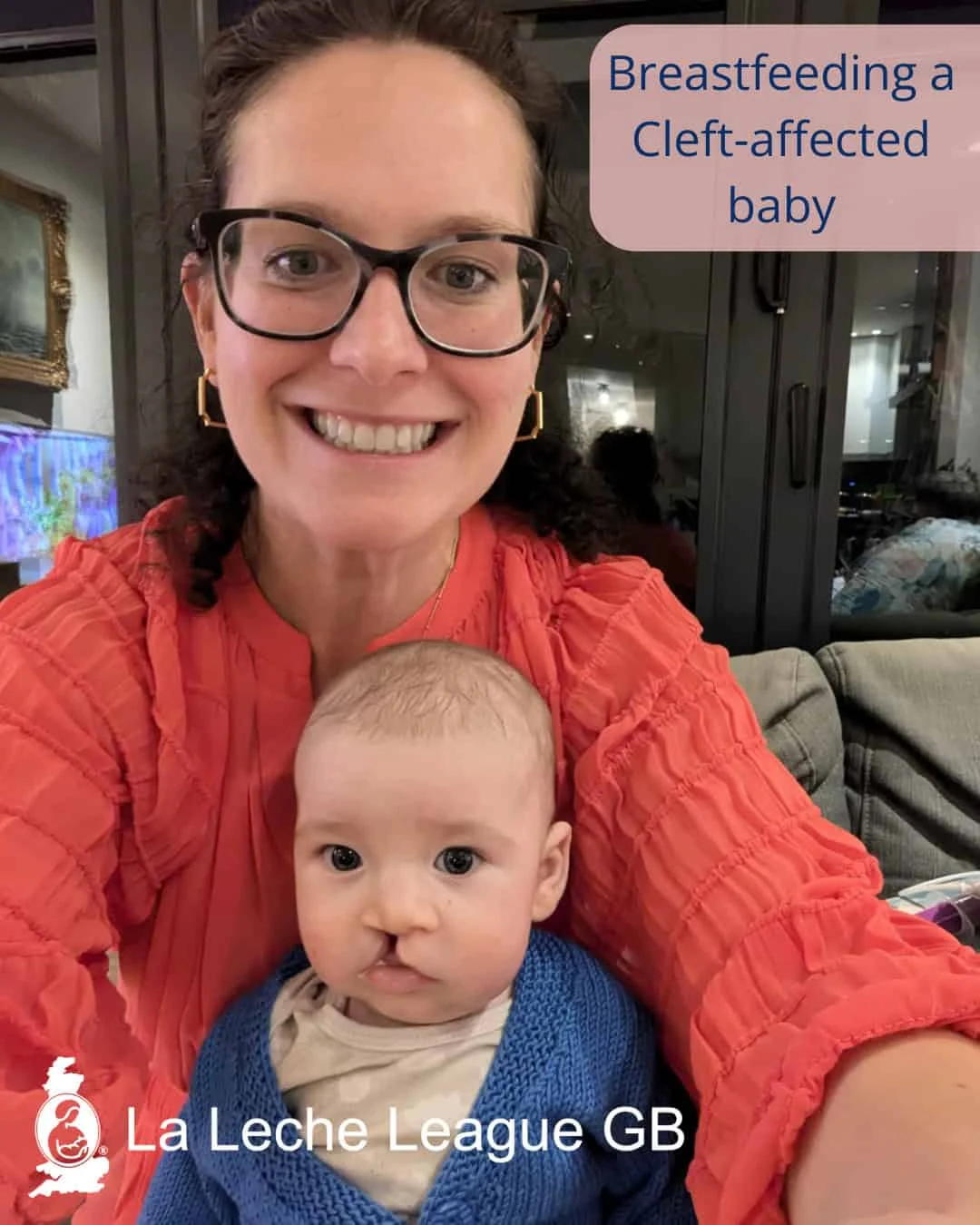
For families welcoming a baby with a cleft lip or palate, the prospect of breastfeeding often presents unique challenges and anxieties. However, medical experts and lactation professionals emphasize that breastfeeding is not only possible but highly beneficial for these infants, albeit often requiring significant adaptation, perseverance, and robust support systems. A cleft lip or palate is a congenital condition where the facial structures forming the upper lip or the roof of the mouth (palate) do not fully fuse during early fetal development. This occurs in approximately 1 in 700 live births globally, making it one of the most common congenital anomalies. While babies with an isolated cleft lip can frequently breastfeed with minor adjustments, those with a cleft palate typically face greater difficulty due to their inability to create the necessary suction for effective milk transfer until surgical repair. This comprehensive guide explores the complexities, strategies, and extensive support available to empower parents on their breastfeeding journey with a cleft-affected child.
Understanding Cleft Lip and Palate: Background and Prevalence
Cleft conditions manifest in various forms: a cleft lip can be unilateral (one side) or bilateral (both sides), affecting only the lip or extending into the gumline. A cleft palate can range from a small opening at the back of the soft palate to a complete separation involving both the soft and hard palates, extending into the nasal cavity. The etiology is often multifactorial, involving a complex interplay of genetic predispositions and environmental factors, though specific causes are not always identified. Globally, incidence rates vary, with higher prevalence observed in some Asian and Indigenous populations. The impact of these conditions extends beyond cosmetic appearance; they can affect feeding, speech development, hearing, and dental health, necessitating a multidisciplinary approach to care.
Historically, feeding infants with clefts was a significant challenge, with many struggling to gain weight and thrive. Advances in medical understanding, surgical techniques, and lactation support have revolutionized care, shifting the focus from mere survival to optimal development and quality of life. For infants with a cleft palate, the primary barrier to direct breastfeeding is the inability to create a vacuum seal in the mouth. This compromised oral seal prevents the negative pressure crucial for drawing milk from the breast, leading to inefficient feeding, prolonged feeding times, and insufficient milk intake. Consequently, establishing and maintaining adequate nutrition is a paramount concern from birth.
The Breastfeeding Imperative: Why Human Milk is Crucial
Despite the inherent difficulties, the benefits of human milk for infants with cleft conditions are profound, making breastfeeding a highly recommended goal. Breast milk provides a complete nutritional profile tailored to the infant’s needs, immunological protection against infections, and anti-inflammatory properties that are particularly valuable for babies facing multiple surgeries. For cleft-affected infants, who are at increased risk of ear infections (due to compromised Eustachian tube function) and respiratory issues, the immune boost from breast milk is critical. It also aids in wound healing post-surgery and can potentially reduce the duration of hospital stays.

The act of breastfeeding itself offers significant developmental advantages. The muscular actions involved, even with adaptations, can contribute to the development of oral motor skills, which are beneficial for speech development later on. Furthermore, the intimate skin-to-skin contact and emotional bonding fostered during breastfeeding are vital for both infant and parental well-being, helping to mitigate the stress often associated with managing a child with a congenital anomaly. This emotional connection can be a powerful antidote to feelings of helplessness or inadequacy that parents might experience.
A Journey of Support: From Antenatal Diagnosis to Post-Surgical Success
The journey for families with a cleft-affected baby often begins with an antenatal diagnosis during routine ultrasound scans, providing valuable time for research, planning, and connecting with specialized healthcare teams. For those diagnosed postnatally, the initial shock can be compounded by immediate feeding concerns. In either scenario, early intervention and comprehensive support are critical.
Upon diagnosis, families are typically introduced to a multidisciplinary cleft team, which includes craniofacial surgeons, orthodontists, speech therapists, audiologists, and specialist cleft nurses. Crucially, lactation consultants and breastfeeding support organizations like La Leche League (LLL) play an integral role in this network, offering practical guidance and emotional encouragement. These teams work collaboratively to develop an individualized feeding plan, recognizing that "all babies are different, and you will find your own way that works for you and your baby."
Maintaining Milk Production: The Foundation of Feeding Success
Whether a baby can feed directly at the breast or not, establishing and maintaining a robust milk supply is the absolute first priority. This proactive approach ensures a steady supply of human milk for the baby and keeps the option open for direct breastfeeding when the baby’s abilities improve, especially after surgical repair. The initial weeks postpartum are crucial for signaling the mother’s body to produce a full milk supply.
Key Strategies for Milk Production:

- Early Initiation: Ideally, mothers should begin expressing or attempting direct feeds within the first few hours after birth. This early stimulation is vital for initiating lactation.
- Frequent Milk Removal: To build and maintain a full supply, mothers typically need to express or breastfeed at least 8-12 times in 24 hours during the first month. The principle is simple: the more milk removed, the more milk produced. When breasts feel full, milk production slows down, so frequent emptying is key.
- Efficient Pumping: For babies unable to breastfeed effectively, a double electric "hospital grade" breast pump is often the most efficient tool for expressing milk. These pumps provide stronger suction and allow for simultaneous pumping from both breasts, which can significantly increase milk yield and reduce pumping time. Many cleft specialist nurses can facilitate access to these pumps, either through loan programs or rental services. While some mothers find success with smaller personal pumps or hand expression, the consistency and power of a hospital-grade pump are often necessary to establish and maintain a full supply for a baby who cannot drain the breast effectively.
- Practical Support: Establishing a full milk supply under these circumstances is demanding. Mothers are strongly advised to seek as much practical support as possible from partners, family, and friends to manage household tasks, allowing them to focus on pumping and baby care. The initial weeks are undeniably the hardest, but many mothers find that they can gradually reduce pumping frequency later while still maintaining the same milk volume.
Adaptive Feeding Techniques: Bridging the Gap
For infants with cleft palate who cannot generate sufficient suction, various adaptive feeding methods are employed in the early days to ensure adequate nutrition and provide breast milk.
Initial Feeding Methods:
- Syringe or Teaspoon Feeding: In the immediate aftermath of birth, when babies only require small amounts of colostrum, syringes or teaspoons can be used to deliver expressed breast milk. This method is temporary as the baby’s milk intake rapidly increases.
- Specialized Bottles and Teats: As milk production increases, specialized bottles and teats designed for cleft-affected babies become indispensable. These often feature softer, longer teats, one-way valves, or compressible bottles that allow caregivers to gently squeeze milk into the baby’s mouth, bypassing the need for strong suction. Examples include the Haberman Feeder (now known as Medela SpecialNeeds Feeder) or Dr. Brown’s Specialty Feeding System. Cleft specialist nurses provide tailored recommendations on the most suitable type for each individual baby.
- Nursing Supplementers (Supplemental Nursing Systems/Lactation Aids): These devices represent a powerful tool for maintaining the breastfeeding relationship while ensuring the baby receives enough milk. A nursing supplementer consists of a reservoir (a bag or bottle) filled with expressed breast milk, donor milk, or formula, connected to a thin tube. This tube is taped alongside the mother’s nipple, allowing the baby to latch onto the breast and receive supplemental milk simultaneously.
Benefits of Nursing Supplementers:
- Stimulates Milk Supply: The baby’s suckling at the breast, even if inefficient, helps to stimulate the mother’s milk production.
- Promotes Bonding: It allows for intimate skin-to-skin contact and the emotional experience of breastfeeding, which is invaluable for both parent and child.
- Oral Motor Development: The action of suckling at the breast can contribute to the development of oral motor skills.
- Maintains Latch Skills: Keeps the baby familiar with latching onto the breast, which can ease the transition to full direct breastfeeding after surgery.
There are primarily three types of nursing supplementer systems: a homemade system using a bottle and tube, commercial bag systems, and commercial bottle systems. While requiring some practice to master, the rewards are significant. Sarah, a mother who successfully used a supplementer with her cleft-affected baby, Russ, shared: "A friend said she had wondered why I was going to all this effort to bridge the gap until potentially breastfeeding after Russ’s palate surgery, but on seeing us feed she said she got it: I was already breastfeeding."
Delivering Milk via Supplementer: Babies with cleft palates often cannot generate sufficient suction for supplemental milk flow. Caregivers may need to gently squeeze the reservoir or create a small hole in the top of the bottle to allow gravity to assist milk delivery. An alternative, as described by mothers like Sarah, involves using a syringe to deliver measured amounts of milk through the tube. This method requires careful coordination to match the baby’s suck-swallow-breathe rhythm.
Tips for Using a Nursing Supplementer:

- Preparation: Assemble the system before the baby shows strong feeding cues to avoid frustration.
- Positioning: Find a comfortable position for both mother and baby.
- Tube Placement: Position the tube carefully near the nipple, ensuring it’s not irritating the baby.
- Patience and Practice: It takes time to find a rhythm that works. Seek guidance from a lactation consultant experienced with supplementers.
Optimal Feeding Positions:
Finding a comfortable and effective feeding position is crucial for any breastfeeding dyad, and even more so for cleft-affected infants. The goal is to ensure the baby’s head and neck are well-supported, allowing for proper alignment and minimizing milk leakage through the nose (nasal regurgitation).
Recommended Positions:
- Upright or Semi-Upright: Feeding the baby in a more upright position, often described as a football hold or laid-back feeding, can help gravity assist milk flow towards the esophagus and reduce nasal regurgitation.
- Cradle Hold (with adaptations): While traditional cradle holds can work, extra support for the baby’s head and neck, and ensuring the baby is angled slightly more upright, may be necessary.
- Cross-Cradle Hold: This allows the mother to support the baby’s head and neck with one hand while guiding the breast with the other, offering excellent control.
- Pillows and Support: Using nursing pillows can help achieve optimal positioning and comfort, reducing strain on the mother.
Regardless of the position chosen, the key is to ensure the baby has a deep latch, even if incomplete due to the cleft, and that the mother feels comfortable and supported.
The Surgical Journey and Post-Operative Feeding
Cleft lip repair typically occurs around 3-6 months of age, while palate repair is usually performed between 6-12 months. These surgeries are transformative, enabling the baby to develop normal feeding, speech, and dental functions.
For babies who could not directly breastfeed prior to surgery, palate repair opens the door to full direct breastfeeding. It is highly recommended that babies continue to feed at the breast, even partially or with supplementation, leading up to surgery. This helps them "remember" the latch and associate the breast with milk.
Post-surgery, a period of adjustment is often necessary. Babies may struggle with direct breastfeeding for several weeks as they recover from the trauma of surgery, build strength, and adapt to their newly reconstructed oral anatomy. During this critical healing phase, maintaining a strong milk supply through continued expression is paramount. Breast milk not only provides essential nutrition but also contains healing factors that aid in recovery and minimize the risk of post-operative infections. Patience, consistent support, and close collaboration with the cleft team and lactation consultants are vital during this transition.
Psychosocial Impact and Parental Support

The journey of parenting a child with a cleft lip or palate can be emotionally taxing. Parents may experience a range of emotions, including shock, grief, anxiety about their child’s health and future, and feelings of isolation. The intense demands of frequent pumping, adaptive feeding, and navigating medical appointments can contribute to parental stress and fatigue.
Support groups, both online and in-person, offer invaluable peer support, allowing parents to connect with others who share similar experiences. Organizations like La Leche League provide not only practical breastfeeding advice but also a strong community network that can offer emotional encouragement and validate parental efforts. "Comments like these make me feel so happy I could cry," shared Sarah, highlighting the profound emotional validation that comes from overcoming challenges and achieving breastfeeding goals. Mental health support, including counseling, should also be readily accessible for parents navigating these complex circumstances.
Expert Perspectives and Broader Implications
The consensus among medical and lactation professionals is that with the right support, breastfeeding for cleft-affected infants is a realistic and highly beneficial goal. Dr. Emily Clarke, a pediatric surgeon specializing in craniofacial anomalies, emphasizes, "Our primary aim is always to ensure optimal nutrition and development. While surgical intervention corrects the physical anomaly, breast milk provides the biological advantage. We work hand-in-hand with lactation specialists to empower mothers and facilitate successful feeding outcomes." Similarly, leading lactation consultants advocate for a proactive, individualized approach, stating that "every drop of breast milk counts, and every attempt at the breast builds resilience and strengthens the maternal-infant bond."
The implications of successful breastfeeding for cleft-affected infants extend beyond individual health outcomes. It can lead to reduced healthcare costs by decreasing the incidence of infections and potentially shortening hospital stays. It contributes to improved long-term health trajectories for these children, including better oral health and speech development. Furthermore, it empowers mothers, fostering a sense of accomplishment and strengthening their confidence in their ability to nurture their child despite adversity.
In conclusion, while the initial diagnosis of a cleft lip or palate can present an intimidating outlook for breastfeeding, the message from the medical and lactation community is overwhelmingly positive: breastfeeding is achievable and immensely beneficial. Through early diagnosis, a robust multidisciplinary support network, diligent maintenance of milk supply, and the adoption of adaptive feeding techniques, families can navigate this unique journey with confidence and achieve successful breastfeeding outcomes. The perseverance required is significant, but the rewards—optimal infant health, strong maternal-infant bonding, and empowered parenthood—are immeasurable. Organizations like La Leche League continue to be at the forefront of providing the essential guidance and community that makes these successes possible.
