

Black Breastfeeding Week serves as a crucial annual observance during the final week of August, dedicated to elevating the voices and lived experiences of Black women in the realm of infant feeding. This initiative addresses historical underrepresentation and systemic disparities, providing a vital platform for discussion, education, and community building within a global context. The week-long celebration underscores the significance of cultural relevance and acknowledges the unique challenges and triumphs encountered by Black mothers on their breastfeeding journeys.
The Genesis and Evolution of Black Breastfeeding Week
The establishment of Black Breastfeeding Week in 2012 marked a pivotal moment in the broader maternal and infant health landscape. Founded by a coalition of Black lactation advocates, including Kimberly Seals Allers, Kiddada Green, and Anayah Sangodele-Ayoka, the movement emerged from a deep understanding of the historical and contemporary challenges faced by Black women regarding breastfeeding. For decades, national breastfeeding campaigns often failed to resonate with or adequately represent Black communities, leading to feelings of exclusion and a perpetuation of low breastfeeding rates compared to other demographic groups.
Historically, the practice of wet nursing during slavery, followed by aggressive marketing of infant formula to Black communities in the 20th century, contributed to a significant decline in breastfeeding prevalence and a cultural shift away from it. This historical trauma, combined with a lack of culturally competent lactation support, economic barriers, and systemic racism within healthcare systems, created a pressing need for a dedicated advocacy period. Black Breastfeeding Week was conceived to reclaim the narrative, celebrate the resilience of Black mothers, and foster an environment where their specific needs and cultural perspectives are centered and supported. It aims to tackle issues ranging from implicit bias in healthcare to the absence of diverse representation in lactation education and support materials.
Addressing the Disparities: A Data-Driven Perspective
Breastfeeding offers myriad health benefits for both infants and mothers, including reduced risks of sudden infant death syndrome (SIDS), infections, asthma, and obesity for babies, and lower risks of certain cancers and type 2 diabetes for mothers. Despite these well-documented advantages, significant disparities persist in breastfeeding initiation and duration rates across racial and ethnic groups in the United States and other Western nations.
According to data from the Centers for Disease Control and Prevention (CDC), while overall breastfeeding initiation rates have risen, Black women consistently exhibit lower rates of breastfeeding initiation and duration compared to white women. For instance, national data often show that Black infants are less likely to be breastfed at birth, and even fewer continue breastfeeding for the recommended six months or one year. A 2019 CDC report indicated that 73.3% of Black infants were ever breastfed, compared to 85.9% of white infants and 84.1% of Hispanic infants. These disparities widen when examining continued breastfeeding at six and twelve months.
Multiple factors contribute to these persistent gaps. Socioeconomic disadvantages often mean Black mothers return to work earlier, frequently in jobs with less flexibility or inadequate pumping facilities, making sustained breastfeeding challenging. Lack of access to International Board Certified Lactation Consultants (IBCLCs) who are culturally competent or who share racial backgrounds is another significant barrier. Furthermore, healthcare providers may not always offer equitable or comprehensive breastfeeding education and support to Black patients, sometimes due to unconscious bias or a lack of specific training in addressing the unique needs of this demographic. The legacy of historical trauma and the impact of systemic racism within healthcare institutions cannot be overstated in their influence on current breastfeeding practices and outcomes within Black communities.
The Power of Shared Narratives: La Leche League’s Approach
In the landscape of breastfeeding advocacy and support, organizations like La Leche League (LLL) place immense value on personal stories. The mantra "stories matter" encapsulates LLL’s philosophy that sharing individual experiences fosters connection, empowers mothers, and builds a robust global community. For Black mothers, whose narratives have historically been marginalized, this emphasis on storytelling is particularly potent. It provides an avenue for validation, empathy, and the dissemination of practical wisdom that might not be found in conventional medical literature.
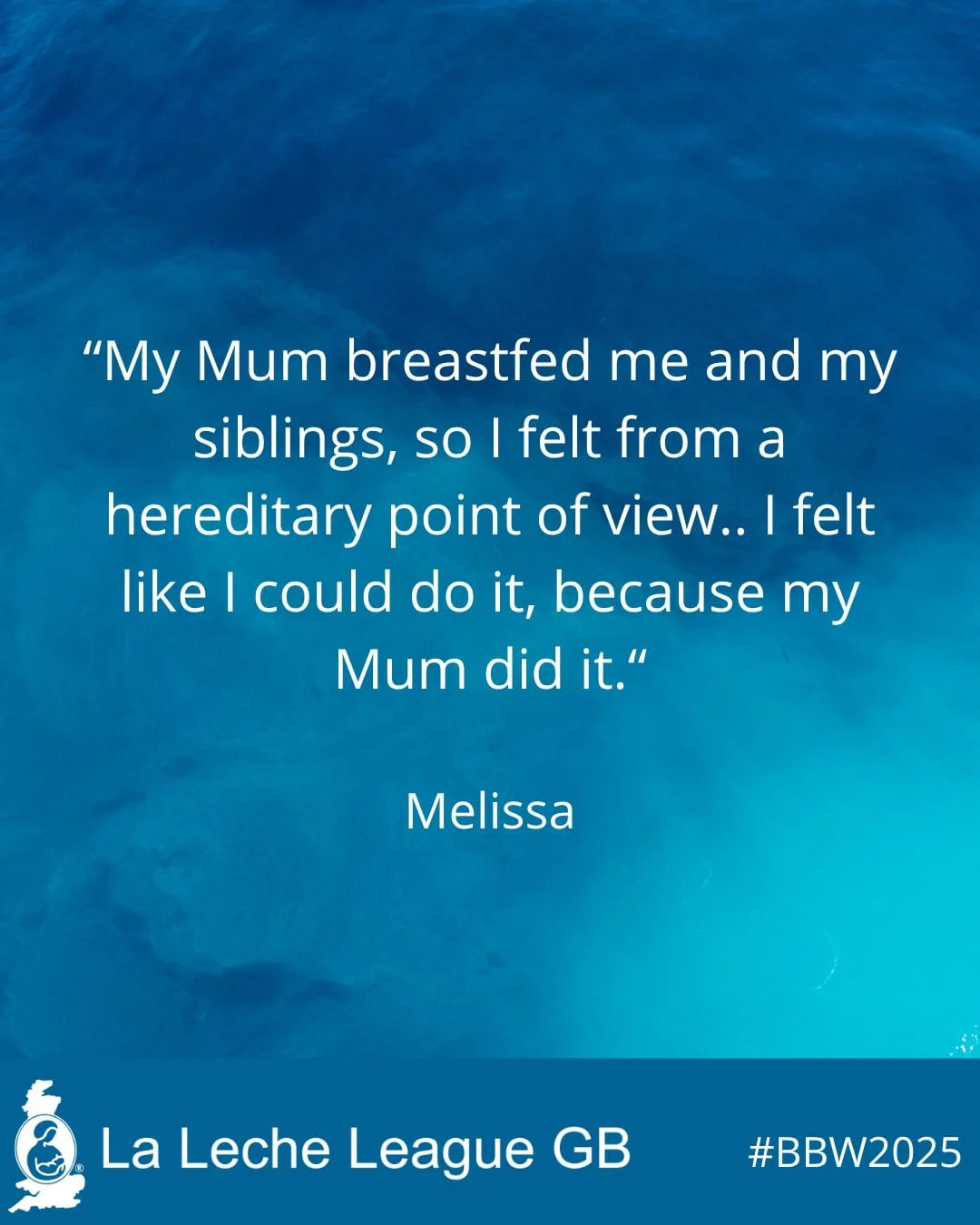
Melissa, a mother from London, exemplifies the power of this approach. Her decision to record audio notes of her breastfeeding experience, even amidst the everyday task of walking her five-month-old to sleep, captures the raw, authentic reality of motherhood. This intimate form of sharing allows other mothers to hear the genuine voice of someone navigating similar challenges and triumphs. Her contributions to the discussion around Black Breastfeeding Week are invaluable, offering insights into personal perceptions, family attitudes, barriers encountered, and the critical need for supportive communities. These shared experiences form the bedrock of LLL’s peer-to-peer support model, demonstrating that no mother should feel isolated in her journey.
Melissa’s Journey: Navigating Perceptions and Building Community
Melissa’s reflective audio notes, though not transcribed here, prompt a consideration of common themes prevalent in the breastfeeding journeys of Black mothers, particularly those highlighted during Black Breastfeeding Week. Her questions delve into the personal and communal aspects of breastfeeding, offering a template for understanding the multifaceted nature of this experience.
Why Breastfeeding Matters: For many Black mothers, breastfeeding transcends mere nutrition; it is an act of reclaiming health, heritage, and empowerment. It can be a statement against historical injustices, a commitment to optimal infant health, and a way to connect deeply with their child. The decision is often deeply personal, rooted in a desire to provide the best start for their baby while also navigating societal expectations and cultural influences.
Prior Perceptions and Family History: Before having children, many Black women may have limited exposure to breastfeeding, particularly if it was not common within their immediate family or community. The pervasive marketing of formula and the historical shift away from breastfeeding can lead to a default perception that formula feeding is the norm. Discovering family members who did breastfeed, perhaps quietly or in previous generations, can be a source of inspiration and a connection to a rich, often unacknowledged, lineage of maternal care. Conversely, a lack of visible breastfeeding role models can make the journey feel more daunting and isolated.
Family and Friends’ Attitudes: The attitudes of immediate family and friends significantly impact a mother’s breastfeeding success and confidence. For Black mothers, these attitudes can be particularly varied. Some may receive unwavering support, while others might encounter skepticism, cultural misunderstandings, or even subtle pressure to formula-feed. Grandparents, aunts, and friends, drawing from their own experiences or generational beliefs, can either be crucial allies or inadvertent sources of doubt. Navigating these differing perspectives requires resilience and a clear understanding of one’s own feeding goals.
Unforeseen Challenges and Barriers: The journey of breastfeeding is rarely without hurdles. For Black mothers, these can be compounded by systemic issues. Lack of adequate information prior to birth, insufficient support in hospital settings, and the absence of culturally relevant advice are common barriers. Societal judgments, the pressure to return to work quickly without adequate pumping breaks or facilities, and the pervasive feeling of being the "only one" breastfeeding in certain spaces can all contribute to difficulties. Many wish they had known more about potential latch issues, milk supply concerns, mastitis, or the emotional toll of around-the-clock feeding before embarking on their journey.
Sources of Support: Overcoming these barriers often relies on accessing robust and empathetic support. For many, this comes from peer support groups, both online and in-person, where experiences can be shared without judgment. Lactation consultants, particularly those who are culturally sensitive and trauma-informed, play a critical role. Organizations like La Leche League, with their emphasis on mother-to-mother support, provide invaluable resources. Online communities and social media groups dedicated to Black breastfeeding offer spaces for solidarity, information exchange, and emotional sustenance, proving to be vital lifelines.
Building a Supportive Community: The quest for a "likeminded community" is a recurring theme. For Melissa and countless other Black mothers, actively seeking out and building a supportive network is paramount. This often involves connecting with other Black mothers who are also breastfeeding, finding local LLL groups, engaging with online forums, and even educating family members to become allies. A strong community provides a safe space to share vulnerabilities, celebrate milestones, and receive encouragement during difficult times. It mitigates feelings of isolation and reinforces the idea that breastfeeding is a natural, empowering, and collective endeavor.
Broader Impact and Implications of Black Breastfeeding Week
Black Breastfeeding Week extends its influence far beyond individual mothers, generating significant health, economic, and social justice implications.
Health Outcomes: By advocating for increased breastfeeding rates among Black women, the week directly contributes to improving public health. Higher breastfeeding rates mean healthier infants with reduced risks of common childhood illnesses, potentially decreasing emergency room visits and healthcare expenditures. For mothers, sustained breastfeeding is linked to lower risks of postpartum depression, type 2 diabetes, and certain cancers. Addressing disparities in breastfeeding is thus a fundamental component of achieving health equity.
Economic Implications: Breastfeeding is also an economically advantageous choice. For families, it can significantly reduce the cost of infant formula, which can amount to thousands of dollars annually. On a broader scale, increased breastfeeding rates can lead to substantial savings for healthcare systems by reducing the incidence of pediatric and maternal illnesses. These economic benefits disproportionately impact lower-income families, making breastfeeding support a crucial economic justice issue.
Social Justice and Empowerment: At its core, Black Breastfeeding Week is a social justice movement. It challenges systemic racism within healthcare, pushes for culturally competent care, and empowers Black women to make informed choices about their bodies and their babies. By amplifying Black voices, it helps to dismantle stereotypes, reclaim cultural narratives, and celebrate the strength and resilience of Black mothers. This empowerment extends to advocating for policy changes that support breastfeeding mothers in the workplace and in public spaces.
Policy and Advocacy: The awareness generated by Black Breastfeeding Week fuels calls for policy changes that better support Black breastfeeding families. This includes advocating for paid parental leave, mandatory lactation accommodations in workplaces, increased funding for WIC (Special Supplemental Nutrition Program for Women, Infants, and Children) to support breastfeeding initiatives, and training for healthcare providers on cultural competency and implicit bias. It also encourages research into the unique barriers faced by Black mothers and the development of tailored interventions.
Moving Forward: Sustaining Momentum and Expanding Support
The momentum generated by Black Breastfeeding Week is crucial for ongoing advocacy and support. While significant strides have been made in raising awareness and fostering community, challenges persist. Ensuring that every Black mother who chooses to breastfeed receives the comprehensive, culturally sensitive, and equitable support she deserves remains a priority. This requires a multi-faceted approach involving healthcare systems, community organizations, policymakers, and individual advocates.
The role of peer support, as championed by organizations like La Leche League, cannot be overstressed. Creating accessible spaces—both virtual and in-person—where Black mothers can connect, share, and learn from one another is vital for fostering confidence and overcoming obstacles. Continued investment in training more Black lactation consultants and doulas is also essential to provide care that reflects the lived experiences of the community.
Melissa’s story, like countless others, serves as a powerful reminder of the importance of individual narratives in shaping a collective movement. By openly sharing her journey, she contributes to a tapestry of experiences that educates, inspires, and validates. La Leche League warmly encourages others who feel inspired by Melissa’s candor to share their own stories. These personal accounts are invaluable resources for publications like Breastfeeding Matters and the wider digital community. Sharing one’s story, whether through written submission or in-person at a meeting, can provide exactly the encouragement or insight another mother needs to hear, strengthening the fabric of a truly supportive and inclusive breastfeeding community. Those wishing to contribute their experiences can do so by emailing [email protected] or by utilizing the provided submission form at bit.ly/lllgb-newsletter.
