

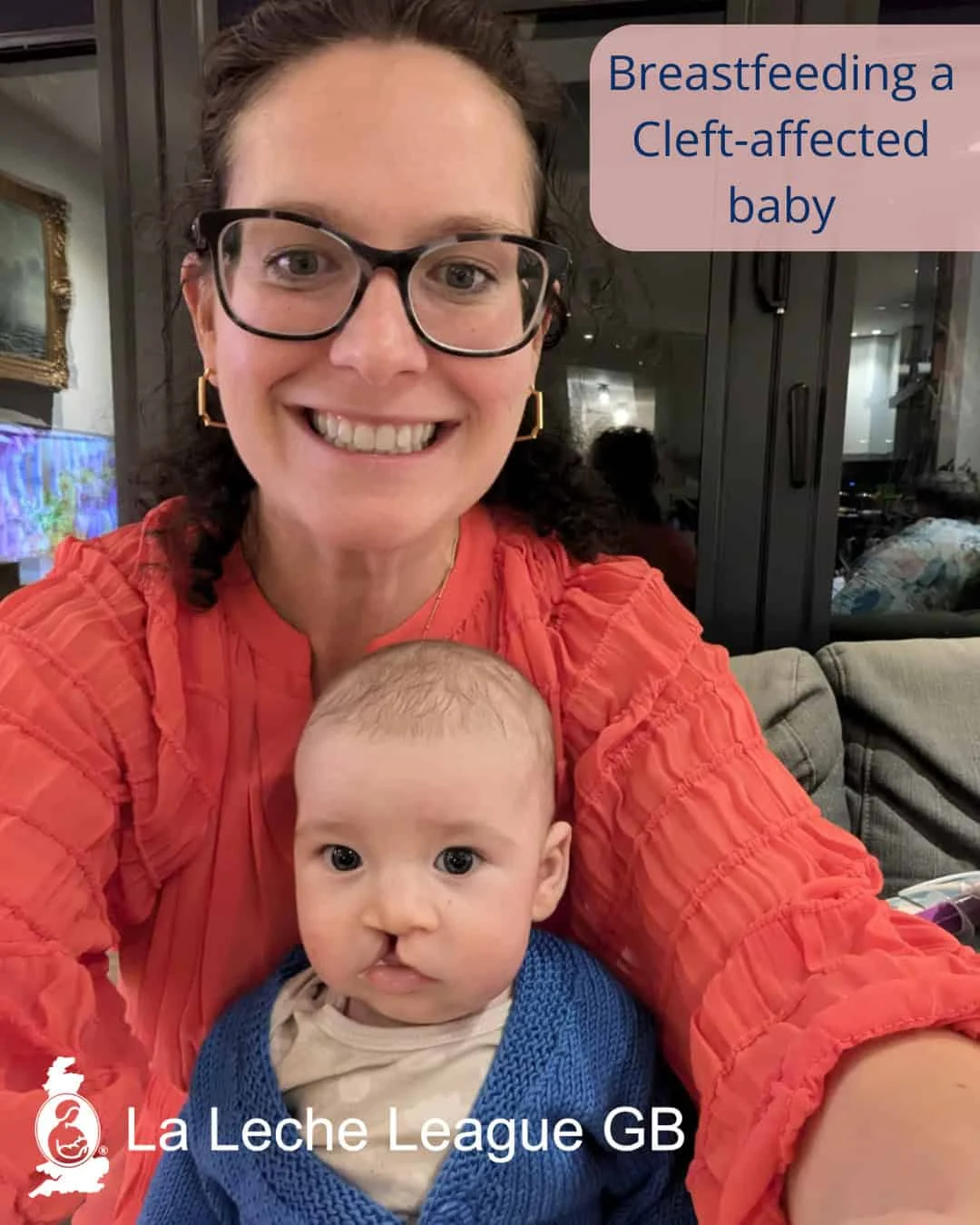
The story of Sarah Muir-Little and her son Russell offers a compelling narrative of determination, innovation, and the profound bond fostered through breastfeeding, even in the face of significant medical challenges. Born with a cleft lip and palate, Russell’s journey defied initial medical prognoses that suggested direct breastfeeding would be impossible, illustrating the power of parental advocacy and adaptive strategies in complex healthcare scenarios. This account, spanning from antenatal diagnosis through multiple surgeries and ultimately to successful direct breastfeeding, highlights both the hurdles faced by families of cleft-affected babies and the evolving landscape of support and care.
Understanding Cleft Lip and Palate: A Medical Overview
Cleft lip and palate are among the most common birth anomalies worldwide, affecting approximately 1 in every 700 babies, though prevalence rates can vary slightly by region and ethnicity. These conditions occur when the tissues that form the baby’s upper lip or the roof of the mouth (palate) do not fully fuse together during early fetal development, typically within the first trimester of pregnancy. A cleft lip can range from a small notch to a complete separation extending into the nose, while a cleft palate can affect either the soft palate at the back of the mouth, the hard palate at the front, or both.
The medical implications of cleft conditions are varied and often extensive. Beyond the visible physical differences, babies with clefts frequently experience difficulties with feeding, speech development, hearing (due to ear infections), and dental alignment. Specifically, a cleft palate presents a significant challenge for breastfeeding because it prevents the baby from creating the necessary suction pressure against the mother’s breast to draw out milk. This lack of suction means that even if a baby can latch, they cannot effectively transfer milk. Surgical repair is typically required to correct both the lip and palate, with operations often scheduled within the baby’s first year of life, followed by potential further surgeries and long-term therapeutic support. Organizations like the Cleft Lip and Palate Association (CLAPA) in the UK play a crucial role in providing support, information, and advocacy for affected families, emphasizing that while challenges exist, comprehensive care pathways are available.
An Unexpected Diagnosis: Emotional Strain Amidst Existing Difficulties
For Sarah Muir-Little, the journey began amidst an already emotionally taxing period. Six weeks prior to her 20-week scan, her father-in-law had been admitted to intensive care, casting a shadow of anxiety over what should have been an exciting time in her pregnancy. The 20-week scan, initially a moment of joy with the revelation that they were expecting a boy, quickly turned into a moment of profound concern. The sonographer’s abrupt question, “Have you heard of a cleft lip?” shattered their brief relief. This was followed by a midwife’s explanation that their baby’s diagnosis of a cleft lip and palate would likely preclude breastfeeding – a statement that Sarah describes as the "start of our battle."
This initial medical advice, though well-intentioned and based on common understanding of the physical challenges, immediately plunged Sarah into a state of grief. Having successfully breastfed her toddler, she deeply valued the experience, viewing it as a cornerstone of her identity as a mother. The prospect of losing this connection with her new baby was profoundly upsetting. This emotional impact is not uncommon for parents receiving such a diagnosis, as it often comes with a myriad of anxieties about their child’s health, development, and the practicalities of care. The immediate implication of not being able to breastfeed adds another layer of emotional complexity, challenging established maternal expectations and aspirations. A specialist nurse later offered a glimmer of hope, clarifying that a breastfeeding journey, albeit an adapted one, might still be possible, dependent on the extent of the palate involvement, which could only be confirmed after birth. She also outlined the anticipated surgical timeline: two major operations within the first year to repair the lip and palate, with potential further interventions in childhood.
Pioneering a Path: Research and Preparation for an Alternative Breastfeeding Journey
Undeterred by the initial prognosis and fueled by a desire to provide her baby with the benefits of breast milk and the intimacy of breastfeeding, Sarah embarked on an extensive research mission. She delved into resources from CLAPA and La Leche League (LLL), along with other online platforms, specifically seeking examples of successful breastfeeding post-palate surgery. The findings were, initially, dishearteningly scarce. However, the limited success stories she found highlighted two crucial factors: the mother’s ability to maintain a sufficient milk supply and the use of alternative feeding methods that allowed milk delivery without suction.
The first point, maintaining milk supply, seemed within her control. Sarah had previously demonstrated a robust milk supply with her toddler, although her experience with pumping had been challenging and inefficient. Recognizing the necessity of effective milk expression, she committed to improving her pumping knowledge and technique, confident that she could meet the demand. This proactive approach to lactation management is critical for mothers of cleft-affected babies, as establishing and maintaining supply is paramount when direct feeding is compromised.
The second point, alternative feeding methods, presented a more complex challenge. Sarah explored various options, including direct hand expression into the baby’s mouth and the use of nursing supplementers. A nursing supplementer, also known as a supplemental nursing system (SNS), involves a container of milk (either expressed breast milk or formula) connected via a thin tube that is taped to the breast or inserted into the baby’s mouth alongside the nipple. This allows the baby to receive milk while at the breast, stimulating lactation and providing the "at-breast" experience without requiring the baby to generate suction. Sarah investigated two commercially available systems in the UK, one gravity-fed (slow flow) and one with a squeezable bottle (variable flow). She found both to have practical limitations, particularly with managing the bottle and tube simultaneously, and found the recommended "dancer hold" (a specific way to support the baby’s head and chin at the breast) difficult to practice with a doll, let alone a newborn. This illustrates the gap between theoretical advice and practical application, especially for unique situations.
Russell’s Arrival and the Genesis of an Innovative Feeding System
Baby Russell’s birth marked the transition from theoretical planning to practical application. Immediately after birth, he was fed expressed colostrum via a syringe, with a finger simultaneously offered for sucking stimulation, while Sarah awaited her full milk supply. The plan was to then attempt feeding at the breast with a supplementer. A serendipitous discovery occurred when a batch of ordered syringes, incompatible for direct feeding, proved to be a perfect fit for the supplementer tube. With the kind assistance of her midwife team, who sourced larger syringes, Sarah ingeniously modified the syringe caps by drilling holes, creating a secure and functional connection for the supplementer tube. This improvisational problem-solving underscores the resourcefulness often required by parents navigating atypical feeding challenges.
The conventional advice for supplementer use involves either inserting the tube after the baby has latched or taping it to the breast before latching. However, Russell’s fragile latch, due to the absence of suction, made the former impossible. The latter, with a long section of tube, felt too unwieldy for a newborn’s tiny mouth. Sarah devised her own strategy: taping the tube very close to the nipple, allowing for easier insertion into Russell’s mouth as he latched. This involved experimenting with different tapes and positions, a process that initially led to frustration and milk loss, but ultimately yielded a workable system. The learning curve was steep, but her determination remained unwavering. Despite concerns voiced by some healthcare professionals regarding aspiration risk—a valid concern that highlights the need for careful supervision and professional guidance when adapting feeding methods—Sarah persisted, developing a system that she felt delivered milk effectively and safely.

Navigating Positions and Perceptions: The Art of Calm, Adapted Feeds
The challenge extended beyond the supplementer itself to the mechanics of positioning. The recommended "dancer hold," designed to support babies with low muscle tone or prematurity, continued to prove difficult. Sarah observed that Russell would become distressed when attempts were made to use this hold, often bobbing on and off the breast. Interestingly, he would calm and feed effectively if placed on the other breast (without the taped supplementer) and fed directly by hand expression, confirming his hunger and desire for breast milk.
Seeking further guidance, Sarah consulted a specialist at Great Ormond Street Children’s Hospital. Together, they decided to revert to the familiar cradle hold, a position Sarah had comfortably used with her toddler. While this position initially resulted in more milk leakage from the side of Russell’s mouth due to the cleft, the priority was to ensure calm and relaxed feeds for both mother and baby. This decision highlights a critical aspect of patient-centered care: prioritizing the comfort and emotional well-being of the dyad, even if it means deviating from standard recommendations that may not be suitable for a specific situation. The early weeks were characterized by messy, fiddly feeds and significant milk loss, yet for Sarah, the effort was undeniably worthwhile.
Over time, mother and son developed a synchronized feeding rhythm. Sarah learned to pace the milk delivery via the syringe, pausing when Russell paused, ensuring he wasn’t overwhelmed or left waiting too long. This dynamic responsiveness transformed feeding into a collaborative effort. The success of this adapted breastfeeding was validated by friends, who, upon observing them, remarked on the undeniable reality of their breastfeeding journey, irrespective of the method. However, not all reactions were positive. A pediatrician, while likely prioritizing safety and established protocols, questioned their method, advocating for "safe and effective" specialist cleft bottles. Such comments, particularly from healthcare professionals, can be discouraging and require immense resilience from parents already navigating complex circumstances. Sarah’s unwavering conviction, supported by Russell’s consistent weight gain and apparent enjoyment of feeding, allowed her to brush off these criticisms, firmly believing in the benefits of their chosen path.
Evolution and Milestones: Adapting to Change and Overcoming Setbacks
As Russell grew, his needs and preferences evolved, necessitating further adaptations. Around ten weeks of age, the tape used for the supplementer tube became a source of irritation for Russell. This prompted Sarah to gradually move the tape further from the nipple, and eventually, to eliminate it altogether. This required greater coordination but became manageable as both mother and baby grew more accustomed to the process. The journey was not without its moments of regression; times when Russell would become upset or refuse to feed. In these instances, Sarah adopted a crucial perspective: recognizing Russell as a baby first, and a baby with a cleft second. This allowed her to address common infant challenges, such as distraction around three months of age, rather than attributing every feeding difficulty solely to his cleft.
The most significant milestone came with Russell’s surgeries. At just over six months old, he underwent surgery to reconstruct his lip and hard palate. The immediate post-operative period was challenging; once the morphine wore off, Russell initially refused anything but a bottle. However, upon returning to the supplementer, he then rejected bottles, perhaps associating them with the difficult days in recovery. This period of intense expressing and feeding was exhausting, underscoring the vital role of Sarah’s husband, who provided invaluable support with bottle-washing, night feeds, and emotional reassurance. Their journey was a testament to teamwork, emphasizing that every day of supplementer use contributed to Russell’s health and their bond, a victory regardless of the final outcome.
A Breakthrough Moment: Direct Breastfeeding Becomes a Reality
The ultimate triumph arrived just before Russell’s first birthday, with his palate surgery. Although the surgeon advised avoiding suction for a month post-operation, Sarah almost immediately felt Russell attempting to suck for the first time. The true breakthrough came four weeks later when Russell, discovering how to use a straw, subsequently began to suck and swallow directly at the breast the very next day. This remarkable development, once deemed unlikely, marked a pivotal turning point.
From this point, progress was gradual but steady. The supplementer, which had been a constant companion for 15 months, was gradually phased out as Russell learned to efficiently extract milk directly. Sarah, after more than a year of daily pumping, was finally able to stop. While Russell’s latch might not have been "typical" by conventional standards, it was effective, and he was content. Today, he breastfeeds once or twice a day, a testament to the power of persistence and a beautiful culmination of a journey that began with skepticism. For Sarah and her family, this unexpected outcome is a source of immense pride and joy, a living example that with dedication, flexible approaches, and unwavering love, even the most challenging circumstances can yield profoundly rewarding experiences.
Broader Implications: Shaping Future Approaches to Cleft Care and Breastfeeding Support
Sarah and Russell’s story carries significant implications for the broader medical community and families facing similar diagnoses. It underscores the critical need for personalized, adaptable approaches to feeding in the context of cleft lip and palate. While standardized protocols are essential for safety and efficacy, this case highlights that rigid adherence to "recommended" methods may not always serve the best interests of every mother-baby dyad. Instead, healthcare professionals, including lactation consultants, pediatricians, and cleft specialists, are encouraged to engage in collaborative decision-making with parents, respecting their goals and supporting their innovative solutions where safe and effective.
This narrative also champions the benefits of breast milk for cleft-affected babies. Breast milk provides crucial antibodies and nutrients that can help protect these vulnerable infants from common infections, such as ear infections, which are often more prevalent in children with cleft palates due to structural differences. The emotional and developmental benefits of the "at-breast" experience, even if supplemented, also contribute significantly to the mother-baby bond and oral motor development.
Furthermore, the story emphasizes the importance of robust support systems for parents. The emotional toll of a cleft diagnosis, coupled with the practical challenges of feeding, can be immense. Organizations like CLAPA and La Leche League are vital resources, offering both practical information and peer support that can empower parents to navigate their unique journeys. Sarah’s experience with varied professional advice also calls for greater education among healthcare providers regarding alternative feeding methods and the potential for successful, albeit adapted, breastfeeding journeys in cleft care. By sharing stories like Russell’s, there is an opportunity to broaden understanding, inspire hope, and refine clinical practices to better support families striving for the best outcomes for their children. The success of Russell’s journey is not just a personal victory, but a beacon for other families, demonstrating that with perseverance, innovation, and dedicated support, the seemingly impossible can indeed become possible.
