

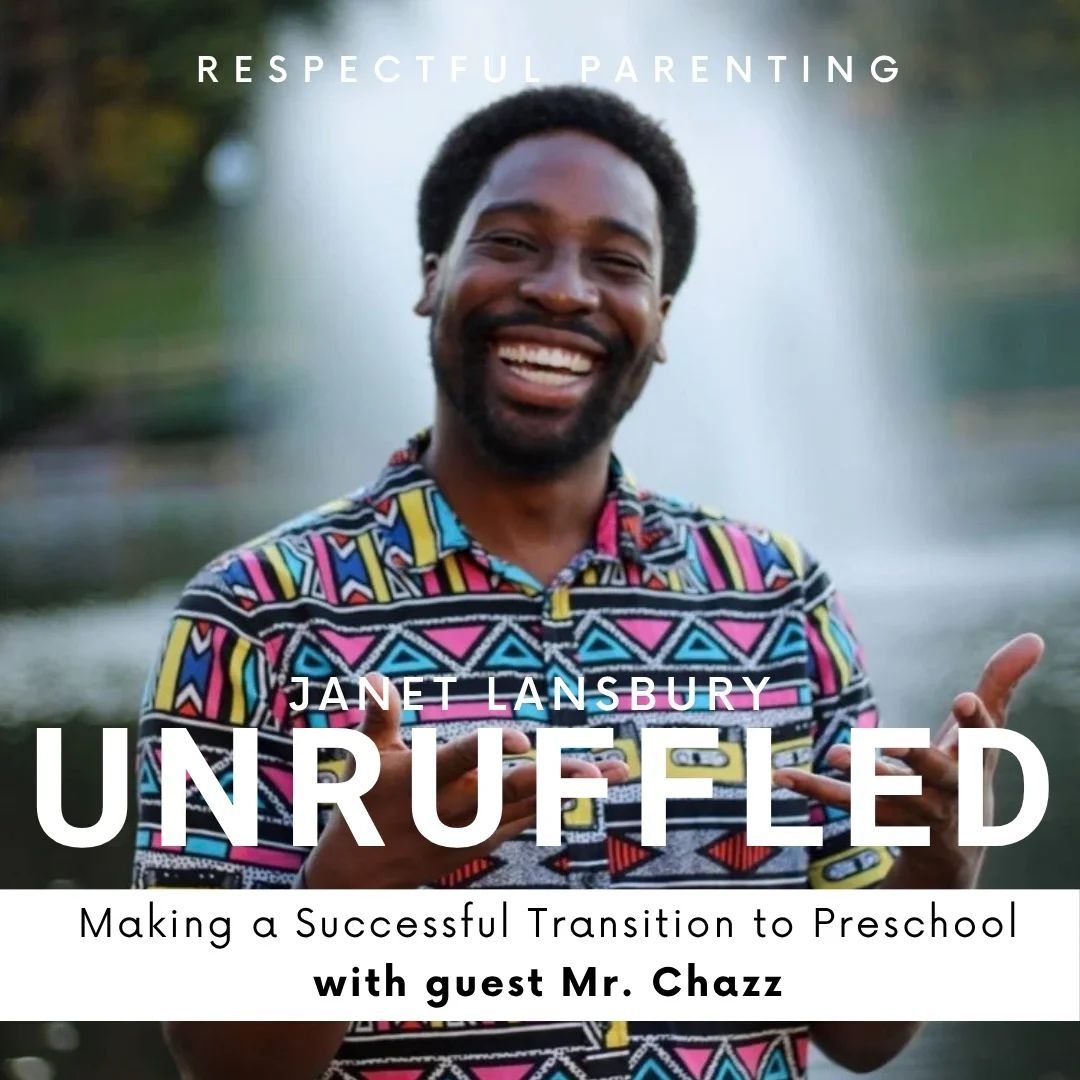
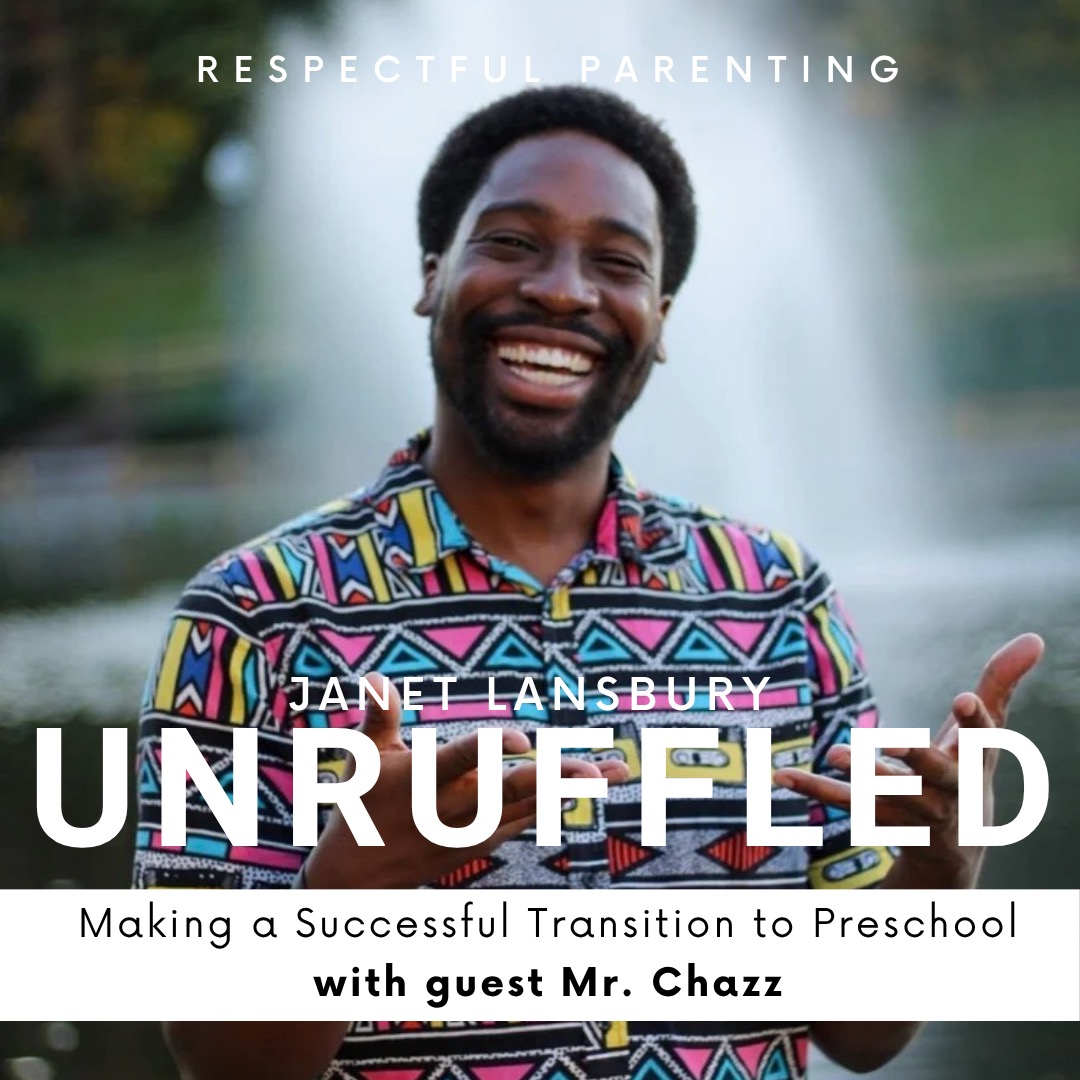
Iconic educator Mr. Chazz, celebrated for his profound connection with children and his insightful approach to early childhood education, recently joined Janet Lansbury on her podcast to discuss the critical process of transitioning young children into preschool or childcare settings. The conversation, rich with practical advice and a deep understanding of child development, offered valuable perspectives for both parents and educators navigating this significant milestone. Mr. Chazz, also known as Chazz Lewis, shared his innovative strategies developed at his new learning and childcare center, Birdhouse, in Brooklyn, aiming to foster trust and a strong sense of connection, thereby empowering children and their families to approach separation with confidence.
Mr. Chazz’s Vision: A Model for Early Childhood Care
Mr. Chazz has garnered widespread recognition, earning the affectionate title "America’s favorite teacher," for his charismatic and empathetic engagement with children, parents, and educators alike. His approach, characterized by humility, charm, and humor, has cultivated a substantial following across platforms like TikTok and Instagram, as well as through his podcast, "Learning Curve with Mr. Chazz." Lansbury highlighted Mr. Chazz’s passion and dedication to understanding children and nurturing their potential, expressing pride in their friendship and commending his new venture, Birdhouse.
Birdhouse, Mr. Chazz explained, is designed to be a model for early childhood education, addressing systemic issues he has observed in traditional childcare settings. A key innovation at Birdhouse is the provision of on-site housing for the head teacher, an initiative aimed at mitigating teacher burnout and fostering a more stable, committed teaching staff. By alleviating financial burdens like rent, teachers can operate from a place of security rather than survival, enabling them to dedicate their full emotional and cognitive resources to caring for the children. This approach directly combats the high turnover rates often seen in the early childhood education sector, which can disrupt continuity for children and families.
"When teachers feel cared for, they are better equipped to care for children," Mr. Chazz stated, underscoring the interconnectedness of educator well-being and the quality of childcare. This philosophy extends to parents, as a secure and supported teaching staff contributes to a more positive and consistent environment for families.
Rethinking "Drop-off" and "Pick-up"
A central theme of the discussion revolved around the conventional methods of transitioning children into school, which Mr. Chazz critiqued as often prioritizing adult convenience over the child’s emotional needs. He described the typical "drop-off" scenario as akin to "Amazon packages," where children are quickly handed over with minimal emotional engagement. This can lead to heightened anxiety for both child and parent.
To counter this, Birdhouse has redefined these moments as "arrival" and "reunion," shifting the focus from a hurried exchange to a period of intentional connection and integration. The arrival process at Birdhouse is structured to gradually welcome children and their parents into the classroom environment. This includes a moment of connection with Mr. Chazz or another staff member, a visual routine chart to guide the steps, and activities like removing shoes and washing hands. These predictable steps help children understand what is happening, fostering a sense of safety and agency.
The "Arrival" Ritual: Building Trust and Connection
The "arrival" ritual at Birdhouse is designed to be a gentle and supportive transition. A visual routine, often presented as a small card with pictures, guides parents and children through a series of steps. This visual aid is particularly helpful for young children who may struggle with verbal instructions amidst the stimulating classroom environment.
The initial step involves a moment of connection, which can range from a high-five or hug to a more personalized interaction tailored to each child’s preference. This is followed by the child putting away their belongings, taking off their shoes, and then washing their hands. These simple actions provide a sense of purpose and routine, helping children settle into the school day.
Crucially, before a parent departs, a final moment of connection is encouraged. This could be a brief hug, a kiss, or a short, playful game. While parents are not obligated to stay, they are invited to participate in this connection, reinforcing the bond and signaling a positive departure. This structured approach aims to minimize distress and facilitate a smoother integration into classroom activities.
Addressing Separation Anxiety: A Gradual and Supportive Approach
Mr. Chazz emphasized that even with the most supportive transition protocols, some children will still experience distress upon separation from their parents. The key, he argued, lies in the established connection between the child and the educators. At Birdhouse, children are invited to visit the center with their parents for a week or two prior to their official start date. This allows them to become familiar with the space, the routines, and, most importantly, the "safekeepers" (Mr. Chazz’s preferred term for teachers).
This pre-enrollment period is vital for building trust. When a child experiences separation anxiety, having already formed a connection with a safe adult in the environment makes it significantly easier for them to seek comfort and guidance. This preemptive relationship-building is a cornerstone of Birdhouse’s philosophy, acknowledging that children need to feel secure with their caregivers before they can effectively process difficult emotions.
The Role of Observation and Reflection in Teacher Development
Mr. Chazz highlighted the innovative use of cameras at Birdhouse, not for surveillance, but as a powerful tool for reflection and professional development. These recordings allow educators to review interactions, identify areas for improvement, and share insights with colleagues. This reflective practice is crucial for helping teachers develop the sensitive observation skills needed to understand children’s cues and respond effectively.
"We use cameras as reflection, as really powerful learning opportunities," Mr. Chazz explained. This approach fosters a culture of continuous learning, where mistakes are seen not as failures but as chances to grow. By openly sharing and discussing these moments, educators can collectively refine their understanding of child development and best practices.
Connecting with Children: The Power of Receptivity
A significant portion of the discussion focused on the fundamental principles of connecting with children. Mr. Chazz and Lansbury agreed that true connection stems from being receptive and observant, rather than from actively trying to entertain or impress. This involves paying close attention to a child’s interests, their gaze, and their subtle cues, and then responding in a way that validates their experience.
"When someone is noticing what you’re thinking about too, it creates such a bridge to feeling seen," Mr. Chazz noted. This mirrors the concept of charisma, which Lansbury described not as a personal trait, but as the quality of being genuinely interested in others. This principle is equally applicable to adult-child relationships, where a child who feels truly seen and understood is more likely to form a positive bond.
Navigating Difficult Departures and Emotional Expression
The conversation also addressed the challenging scenarios where a child’s distress at separation is prolonged or intensified by seeing other parents stay. Mr. Chazz acknowledged the complex emotions involved for parents, educators, and children in such situations. He recounted an instance where a child cried throughout an entire circle time, and how the educators responded by acknowledging the child’s feelings openly and encouraging the other children to send "loving energy" and take deep breaths for their peer.
This approach, Mr. Chazz explained, not only supports the child experiencing distress but also teaches other children valuable lessons in empathy and emotional regulation. It demonstrates that difficult emotions are a natural part of life and can be navigated with support and understanding. He emphasized that even in these challenging moments, the goal is not to stop the emotion, but to help the child move through it, recognizing that the child’s strong emotions are a testament to their deep love and connection with their parent.
Visual Routines and Role-Playing for Preparedness
For parents whose children attend more traditional childcare settings, Mr. Chazz offered practical strategies to ease the transition. He reiterated the value of visual routines, suggesting parents create simple picture cards that outline the steps of arrival and departure. This provides a predictable framework for the child and helps parents feel a sense of agency in the process.
Role-playing is another highly recommended strategy. By acting out the arrival and departure routine at home, parents can help children visualize the process, practice saying goodbye, and even express any anxieties they might have in a playful context. This preparation can significantly reduce friction on the actual day of school.
The Importance of Parent-Teacher Collaboration
Mr. Chazz stressed the critical role of open communication between parents and teachers. He encouraged parents to share detailed information about their child’s preferences, routines, and any specific needs, especially during the initial adjustment period. This detailed insight is invaluable for teachers as they work to understand each child’s unique "code."
"There’s never too much detail," Mr. Chazz stated, emphasizing that even seemingly small pieces of information, like a child’s reliance on a specific stuffed animal for sleep, can make a significant difference in a child’s comfort and well-being at school. This collaborative approach ensures that children receive consistent and personalized care, bridging the gap between home and school environments.
The Enduring Reward of Early Childhood Education
In a poignant closing segment, Mr. Chazz reflected on his decision to return to direct classroom teaching at Birdhouse, despite opportunities for broader speaking engagements. He described the profound emotional labor involved in early childhood education but asserted that it is also the most rewarding work he has ever done.
"It’s the difference between going a mile wide versus a mile deep," he explained, highlighting the depth of connection and impact achievable by being present with children day in and day out. He expressed his deep appreciation for the teaching profession, acknowledging its challenges while celebrating its immense rewards.
Lansbury echoed his sentiments, sharing her own experience of missing direct teaching and emphasizing the continuous learning that occurs through interactions with children. Both educators underscored the importance of celebrating the small victories and the moments of profound learning that occur daily in early childhood settings, recognizing these as fuel for continuing this vital work.
The conversation concluded with a shared understanding that a child’s emotional response to separation is not a sign of failure but a testament to their capacity for deep love and connection. By approaching these moments with empathy, understanding, and a focus on building trust, parents and educators can help children navigate the transition to preschool with resilience and confidence, laying the foundation for a positive and enriching educational journey.
