

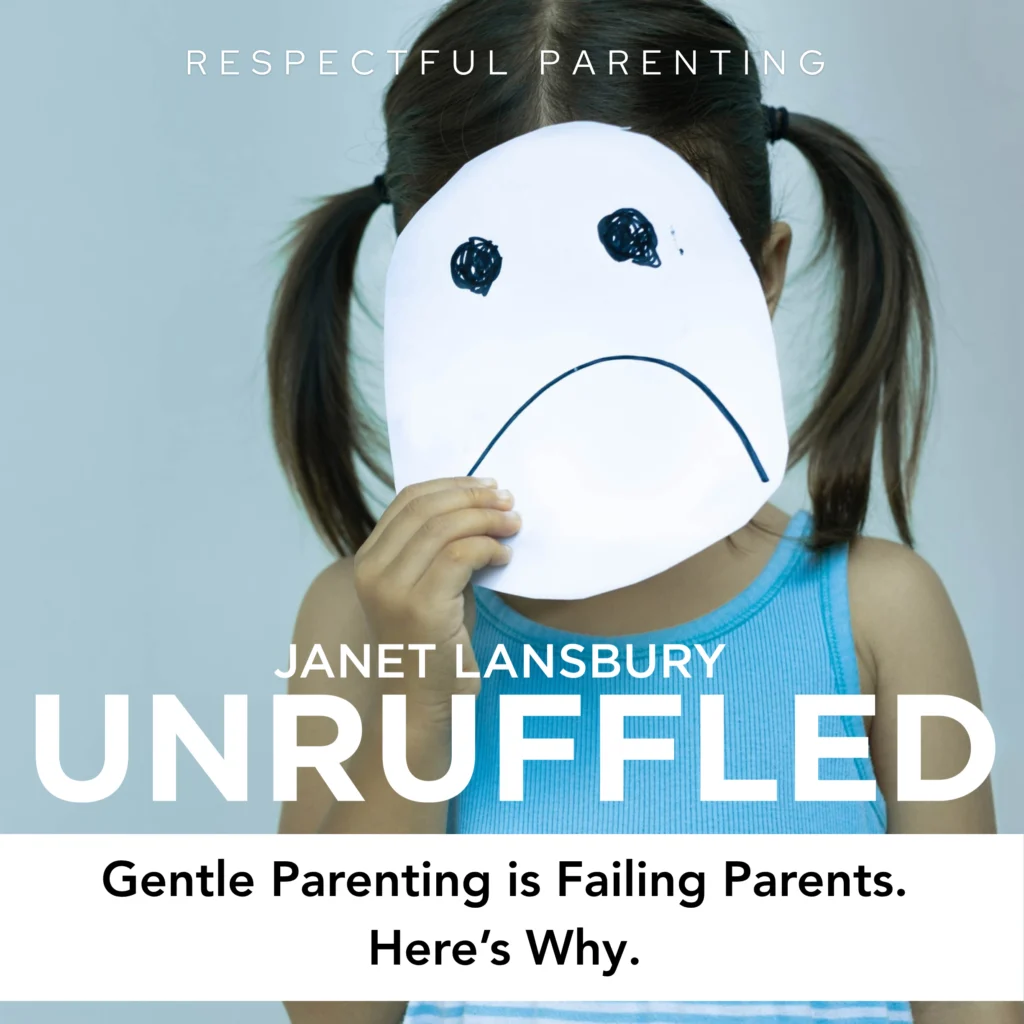
A growing number of parents are expressing feelings of exhaustion, self-doubt, and ineffectiveness when attempting to implement what is commonly known as "gentle parenting." This approach, which has gained significant traction in recent years, is now facing scrutiny as many find it leads to greater challenges rather than the intended family harmony. Experts suggest the issue may lie not in the label itself, but in the underlying principles and their practical application, advocating for a shift towards confident leadership as a more effective model for parenting.
The Rise and Perceived Fall of Gentle Parenting
The term "gentle parenting" has become a widely discussed, and often debated, parenting philosophy. While its proponents aim for a nurturing and respectful approach to child-rearing, many parents report feeling overwhelmed and unsupported by its tenets. This sentiment is echoed in online discussions, parenting forums, and even within broader cultural commentary, where the effectiveness of gentle parenting is frequently questioned.
Janet Lansbury, a prominent voice in early childhood development and parenting, has observed this trend firsthand. In a recent discussion, she noted the widespread feeling among parents that gentle parenting is "impossible, that it doesn’t work, or that it only works for some children and not other children." This perception has led to frustration and a search for alternative methods, with some even moving towards more punitive or authoritarian styles, as evidenced by the emerging "FAFO" (F-Around and Find Out) trend reported by outlets like YPulse.
Deconstructing "Gentle Parenting"
A significant challenge in discussing gentle parenting is the ambiguity surrounding its definition. Lansbury points out that the term itself is not one she has historically used to describe her recommended approach, highlighting the varied interpretations and implementations parents encounter.
"I never really have completely understood how it’s defined," Lansbury stated. "It seems that there are various interpretations of what it actually is. And then there’s also our personal interpretations, what we think an approach is in terms of how we implement it, how it manifests in our interactions with our children."
The earliest iterations of this philosophy, as Lansbury recalls, emerged in the context of "gentle discipline" among attachment parenting advocates. However, even then, the approach often appeared to lean towards permissiveness, focusing on cushioning children from disappointment and avoiding any discomfort, a characteristic that many parents now find unsustainable.
The "FAFO" Counter-Movement
Recent reports indicate a significant shift among younger generations of parents, particularly Gen Z and Millennials, who are reportedly moving away from gentle parenting. The YPulse report highlighted the rise of "FAFO" (F-Around and Find Out) parenting, characterized by a more direct approach to consequences. This style is based on the idea that children will face natural repercussions if they break rules after warnings. For instance, if a child refuses to wear a raincoat, they are allowed to experience the discomfort of walking in the rain.
This trend is seen as a reaction to the perceived shortcomings of gentle parenting, with some parents expressing a preference for a more "blunt style of consequence learning" to avoid "tiptoeing around their children’s feelings." While this may offer a sense of immediate resolution for some, experts caution that such extreme shifts can also be detrimental.
Lansbury critiques both the trend-driven nature of parenting choices and the potential for a punitive backlash. "If it’s a parenting trend, I would really question it," she advises. Regarding FAFO, she notes, "it almost sounds like we’re resenting that we’ve been so nice to our children and it hasn’t worked. And now I’m reading something into this, but the way this piece is written, it’s like we’re almost enjoying being mean to our child as payback for all they’ve put us through." She suggests that neither extreme—excessive gentleness nor harsh retribution—is likely to achieve the desired outcome of a harmonious family relationship.
The Core Issue: Confident Leadership
Lansbury posits that the fundamental flaw in the widespread interpretation of gentle parenting lies in its emphasis on "gentle" as the primary directive. She argues that "gentle" is more of a byproduct of effective parenting rather than its driving force. Leading with gentleness can lead to hesitation and an overly cautious approach, particularly when addressing challenging behaviors.
"When I’m confident, I can be truly gentle from a place of strength," Lansbury explains. "Not because I’m afraid you’re going to react and you’re going to be mad at me, because I already know that you are going to react, because I’m doing something that you don’t want. That’s my job as a parent, I’ve got to be the leader for you."
She advocates for "confident leadership" as the central tenet of effective parenting. This approach encompasses respect for the child’s individuality and developmental stage, while simultaneously providing the structure and guidance necessary for their well-being and development.
Pillars of Confident Leadership
To cultivate this confident leadership, Lansbury outlines several key principles:
1. Gaining Perspective on the Child’s Size and Scope
A crucial first step is to "take a step back" and truly perceive the child’s developmental stage. Infants and toddlers, while capable of eliciting strong emotions in parents, are fundamentally small, immature individuals who require leadership. This perspective shift helps parents recognize that their child’s challenging behaviors are not a deliberate attempt to undermine them, but rather a reflection of their developmental limitations. Understanding this can reduce parental frustration and increase their capacity for confident action.
2. Understanding the "Why" Behind Misbehavior
A foundational understanding of child psychology is essential. Lansbury emphasizes that children’s misbehavior is rarely malicious or calculated. Instead, it often stems from unmet needs, emotional dysregulation, or a lack of impulse control. When parents grasp the underlying reasons for their child’s actions, the behavior becomes less intimidating and more manageable. This knowledge empowers parents to respond with empathy and effective guidance rather than with frustration or punitive measures.
3. The Dynamic of Boundaries and Feelings
A core principle of confident leadership is the understanding that parents set boundaries, and children are entitled to their feelings about those boundaries. This means acknowledging that a child may become upset, angry, or disappointed when a limit is enforced. However, the parent’s role is not to eliminate these feelings but to allow them to be expressed safely while upholding the boundary. This acceptance of the child’s emotional response, without attempting to "fix" it or avoid it, builds parental confidence.
4. Navigating Cooperative Tasks with Confidence
Certain tasks, such as hygiene routines or bedtime rituals, are categorized as "cooperative tasks." These require a delicate balance of confidence and flexibility. Parents need the confidence to lead these routines, but also the wisdom to know when to "cut their losses" and simplify the process if resistance becomes counterproductive. This doesn’t mean abandoning the task, but rather approaching it with a pragmatic confidence that prioritizes progress over perfection.
5. Embracing the Inherent Messiness
Parenting is inherently messy, both for children and adults. Young children express a wide range of intense emotions, and parents will inevitably make mistakes. Embracing this messiness, including acknowledging one’s own imperfections and the possibility of making amends, is vital. The ability to apologize and repair after a misstep is a demonstration of strength and confidence, reinforcing the parent-child relationship.
6. Recalling Moments of Effective Leadership
Parents are encouraged to reflect on past instances where they felt confident and effective in setting boundaries. Identifying what contributed to those moments—whether it was a clear boundary, a sense of decisiveness, or a lack of external judgment—can provide valuable insights. These identified elements can then be consciously applied to future situations, building a repertoire of confident leadership.
7. Recognizing the Process of Development
Parenting is a journey, not a destination. Lansbury stresses that progress, even if it’s only 50% of the time aiming in the right direction, is significant. The goal is to move towards confident leadership, understanding that this is an ongoing process that develops over time. The relationship with the child is paramount, and consistent effort towards confident leadership will ultimately strengthen that bond.
Contrasting Approaches: A Deeper Look
To illustrate the divergence from common interpretations of gentle parenting, Lansbury contrasts her principles with a description of gentle parenting from Dr. Laura H. Dawson, an MD at Brown University Health.
Dawson’s description of "Parent as Teacher" includes verbalizing a child’s emotions during a tantrum, such as "you look frustrated." Lansbury argues this can be counterproductive, potentially escalating the child’s distress. Instead, she advocates for allowing the child to express their feelings without immediate verbal analysis, focusing on providing a calm and steady presence. Modeling kindness, empathy, and self-discipline, however, is a universal parenting principle, not exclusive to gentle parenting.
Regarding "Appropriate Developmental Expectations," Dawson highlights understanding common behaviors like tantrums or door-slamming as normal. Lansbury concurs that this understanding is crucial for any parent, preventing judgment and fostering empathy.
The avoidance of punishments and behavioral rewards is also noted. Lansbury agrees that punishments are detrimental, but she critiques the extensive, reasoned dialogues suggested by some interpretations of gentle parenting when dealing with impulsive behaviors. She posits that excessive talking can be disconnecting, and a more direct, confident intervention is often more effective.
Finally, Dawson’s point about "Developing Boundaries" emphasizes empathy and respect. Lansbury finds this approach overly wordy and suggests a more authentic, concise communication style is better. She agrees that children should feel their parents are "on their side," but emphasizes that this is the fundamental nature of a strong parent-child relationship, not a unique feature of one parenting style.
The Crux: Relationship and Confidence
Lansbury challenges the notion that "there is no one-size-fits-all in parenting." She argues that a core set of principles—attuning to children, allowing their feelings, confident and respectful leadership, and understanding the relationship as the central element—is universally applicable and effective. This approach, she contends, has proven successful across a wide range of children over her 30-year career.
The potential drawbacks cited for gentle parenting, such as being "time and energy intensive" or requiring "high parental investment," are seen by Lansbury as a misinterpretation. She believes that a confident leadership approach, grounded in understanding and acceptance, is ultimately more efficient and less draining than the perceived need for constant negotiation or explanation.
The idea that gentle parenting might lead to an "overemphasis on self" is also dismissed. Lansbury clarifies that allowing children’s emotions does not mean dwelling on them; rather, it means acknowledging them while the parent continues to guide and manage the situation. This distinction is critical to avoiding the pitfalls that can make gentle parenting feel ineffective.
In conclusion, the perceived failure of gentle parenting may stem from an overemphasis on the "gentle" aspect, leading to indecisiveness and a lack of clear leadership. By shifting the focus to "confident leadership," parents can cultivate a more effective, respectful, and ultimately more harmonious family environment, ensuring children feel secure, understood, and well-guided. The path forward involves embracing these principles, recognizing that parenting is a continuous process of learning and adaptation.
