

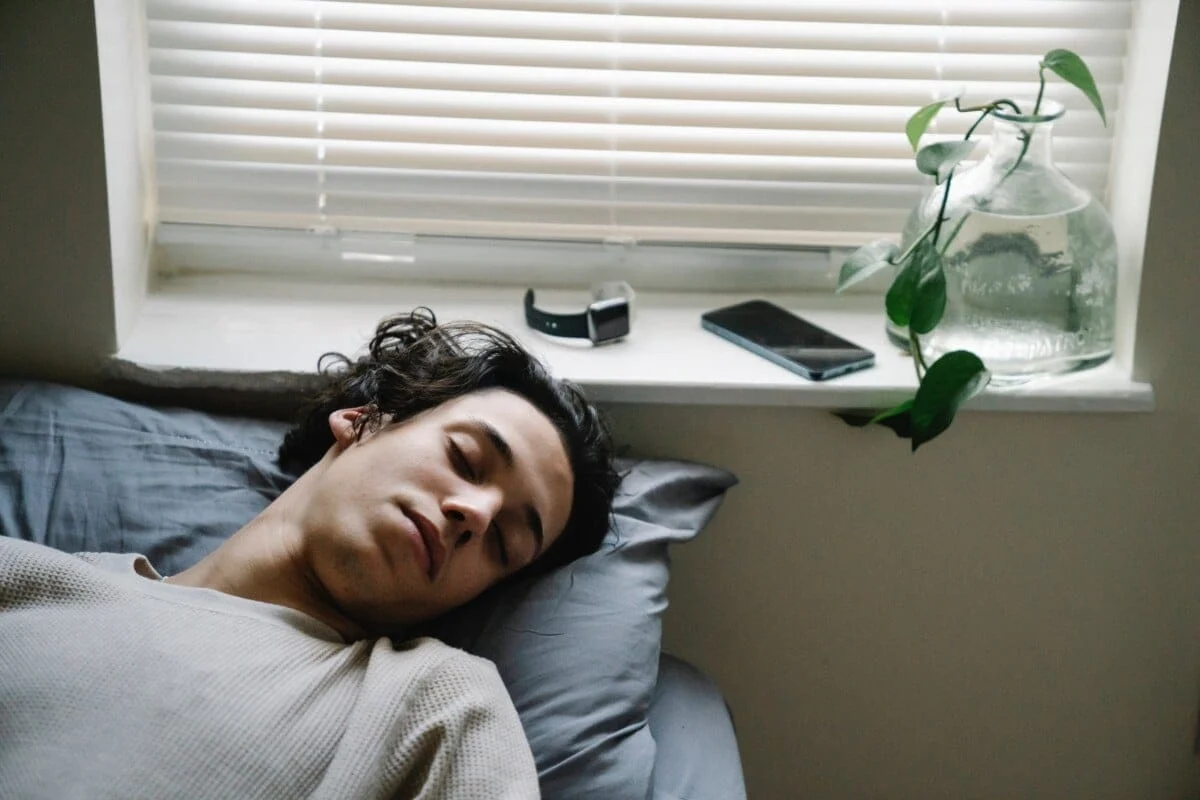
Summer vacation, a period synonymous with freedom and a break from rigid routines, often ushers in a significant shift in children’s sleep patterns. While younger children typically maintain a relatively consistent early rising habit, the onset of puberty triggers a natural biological shift in teenagers, leading to later sleep and wake times. This phenomenon, amplified by the relaxed structure of summer, presents a complex challenge for parents aiming to ensure their adolescents maintain healthy sleep habits and are adequately prepared for the academic year ahead. Understanding the science behind these shifts and implementing strategic adjustments can mitigate potential negative impacts on health, academic performance, and overall well-being.
The Evolving Sleep Landscape of Adolescence
For children from infancy through elementary school, summer vacation often means a slight adjustment in wake times, perhaps a little later than during the school year, but generally remaining tethered to natural light cycles. The extended daylight hours of summer can even lead to earlier awakenings for this age group. However, a more profound biological transformation occurs as children enter adolescence.
Puberty is characterized by a significant shift in the body’s internal clock, known as the circadian rhythm. This biological re-calibration typically causes a delay of approximately three hours in the onset of sleep. During the school year, this natural inclination clashes with early school start times, contributing to widespread chronic sleep deprivation among teenagers. Studies indicate that less than 10% of high school students consistently achieve the recommended amount of sleep.
The relaxed nature of summer vacation often exacerbates this delay. Without the imperative of an early morning school bell, many teenagers naturally gravitate towards staying up later and sleeping in, unless their summer is structured by activities like day camps or part-time employment. Research on early adolescents, specifically those aged 12-14, has documented an average shift in their sleep schedule by approximately 41 minutes later compared to their school-year patterns. Data on older teenagers during summer is less extensive but suggests a continuation of this trend.
The Summer Slumber Debate: Relaxation vs. Structure
The question of whether parents can afford to be more relaxed about sleep schedules during the summer months is a nuanced one. Given the chronic sleep deprivation many teenagers experience during the academic year, some degree of catch-up sleep and a synchronization with their naturally later body clock is understandable and even beneficial. Dr. Craig Canapari, a pediatrician and sleep specialist, advocates for not rigidly adhering to school-year sleep schedules during the summer. However, he cautions that this relaxation comes with important considerations.
The Link Between Summer Weight Gain and Sleep Patterns
One significant concern highlighted by researchers is the tendency for children, particularly those who are obese, to gain weight during the summer months. This phenomenon has been explored through the "Structured Days Hypothesis," which posits that the reduced structure of summer vacation contributes to obesogenic behaviors. Without the framework of school, children may have more unstructured access to food, engage in less physical activity, and experience greater variability in their sleep schedules and consistency. These combined factors can create an environment that predisposes them to weight gain.
Summer Schedules: Not a Guarantee of Sufficient Sleep
Counterintuitively, summer vacation does not automatically equate to more sleep for all children. A study conducted on 7-year-olds in New Zealand revealed that these children actually obtained less sleep on weekends and during summer days compared to weekdays during the school year. Further research indicates that teenagers, especially urban minority girls, may continue to experience sleep deprivation throughout the summer. This suggests that simply having more unstructured time does not guarantee adequate rest.
The Impact of Later Sleep Schedules on Diet and Health
Emerging research points to a correlation between later sleep schedules during summer and poorer dietary choices. A study involving over one hundred 9-15 year olds in a gifted program in Mississippi divided participants into groups with early and late sleep periods. Those in the "late group," with a midsleep time around 6:14 am during the summer, were found to be more likely to consume sugary, caffeinated beverages and select foods with high energy density and poor nutritional content. This finding aligns with a growing body of evidence suggesting that both insufficient and late sleep are associated with childhood obesity.
Parental Influence and Adolescent Autonomy
The question of whether adolescents should be expected to take ownership of their sleep during the summer is also critical. The Mississippi study indicated that children in the earlier sleep group were significantly more likely to have parents who enforced a bedtime. This suggests that parental influence remains a powerful factor in shaping adolescent sleep habits, even during adolescence. The way parents discuss sleep and the expectations they set can significantly impact their child’s sleep duration and quality.
Strategic Adjustments for Summer Sleep
Navigating summer sleep requires a balanced approach that acknowledges biological shifts while promoting healthy habits. Dr. Canapari offers a tiered approach to managing children’s sleep schedules during the summer months:
Establishing Bedtimes and Wake Times
For children up to age 14, Dr. Canapari recommends establishing a set bedtime. While this bedtime can be later than during the school year, it provides a crucial anchor for their sleep schedule. For elementary school-aged children and younger, a "1+ schedule" (one hour later to bed and one hour later to rise) is suggested. For older children and adolescents, a "2-3+ schedule" (two to three hours later to bed and rise) may be more appropriate on average days.
For older teenagers, a more collaborative approach is recommended. Agreeing on a wake-up time and allowing them to set their own bedtime can foster a sense of autonomy and responsibility, often leading to better adherence.
The Importance of Daytime Structure
Second, Dr. Canapari emphasizes the importance of daytime structure, even during summer break. While formal camps or jobs are ideal, they are not universally accessible. The core principle is to ensure children engage in physical activity and get exposure to sunlight daily. This can be facilitated through household chores, planned outings, and encouraging social interactions, particularly in the morning.
Managing Electronic Device Usage
Third, controlling the use of electronic devices over the summer is crucial. While a degree of leniency is understandable, allowing devices to dominate a child’s day and night can have detrimental effects on sleep. At a minimum, Dr. Canapari strongly advises keeping electronics out of the bedroom at night and implementing screen time limits during typical sleeping hours.
Verifying Sufficient Sleep Duration
Finally, and perhaps most importantly, parents should actively monitor whether their children are obtaining adequate sleep during the summer. This cannot be taken for granted. The recommended sleep durations vary by age, with infants (4-12 months) needing 12-16 hours, toddlers (1-2 years) requiring 11-14 hours, preschoolers (3-5 years) needing 10-13 hours, school-aged children (6-12 years) requiring 9-12 hours, and teenagers (13-18 years) needing 8-10 hours. These guidelines, established by the American Academy of Sleep Medicine and endorsed by the American Academy of Pediatrics, serve as valuable benchmarks. Deviations from these recommendations, either consistently sleeping significantly more or less, warrant a discussion with a pediatrician to rule out underlying sleep disorders.
It is important to note that these guidelines apply to average days. Occasional late nights due to social events, such as sleepovers, should not be a cause for undue alarm.
Preparing for the Academic Year: The "Sleep Tune-Up"
As the end of summer vacation approaches, a proactive approach to readjusting sleep schedules for the upcoming school year is essential. The transition from a relaxed summer routine to the demands of school can be jarring, especially for teenagers accustomed to later sleep and wake times. This abrupt shift can lead to a phenomenon known as "social jet lag," a condition characterized by a mismatch between the body’s internal clock and the external demands of daily life.
Professionally, this period often necessitates a "sleep tune-up" for students who struggle with sleep regulation. Pediatric sleep specialists often advise seeing patients in July to ensure they are on the right trajectory for a successful return to school. A smooth transition into the academic year, including a well-aligned sleep schedule, can significantly impact a student’s ability to focus, learn, and perform academically throughout the year. Parents are encouraged to assess their children’s current sleep habits and identify any necessary adjustments to prepare them for the rigors of school.
Diagnosing the Need for Schedule Adjustment
Determining whether a child’s sleep schedule requires adjustment is a relatively straightforward process. Parents can observe their child’s wake-up times on days without scheduled activities. If a child consistently wakes up more than two hours later than their school wake-up time (for teenagers) or one hour later (for preteens and younger), efforts should be made to realign their schedule. This is a more prevalent issue among teenagers.
To facilitate this adjustment, parents can gradually shift their child’s wake-up time earlier. Waking them up around 8 am for a week before school begins and encouraging a morning walk in the sunshine can help recalibrate their body clock. For children who sleep exceptionally late, a slower, more gradual rollback of their sleep schedule may be necessary.
Re-establishing Bedtime Routines and Technology Boundaries
The end of summer vacation is also an opportune time to re-evaluate and adjust bedtime routines. While summer allows for some relaxation of rules, normalizing screen use in the bedroom at night is strongly discouraged. If teenagers have become accustomed to using screens before bed, it is critical to begin phasing out this habit and establishing clear rules about keeping electronic devices such as cell phones, tablets, and televisions out of the bedroom at night. The blue light emitted from these devices can suppress melatonin production, making it harder to fall asleep.
Selecting a bedtime that allows for adequate sleep duration is paramount. Consulting the recommended sleep requirements by age can guide parents in setting appropriate bedtimes that will support their child’s health and academic readiness for the school year.
The transition back to school is a significant event for both children and parents. By understanding the biological underpinnings of adolescent sleep patterns and implementing strategic, collaborative adjustments, families can ensure a smoother and healthier return to the academic routine, setting the stage for a successful and well-rested school year.
