

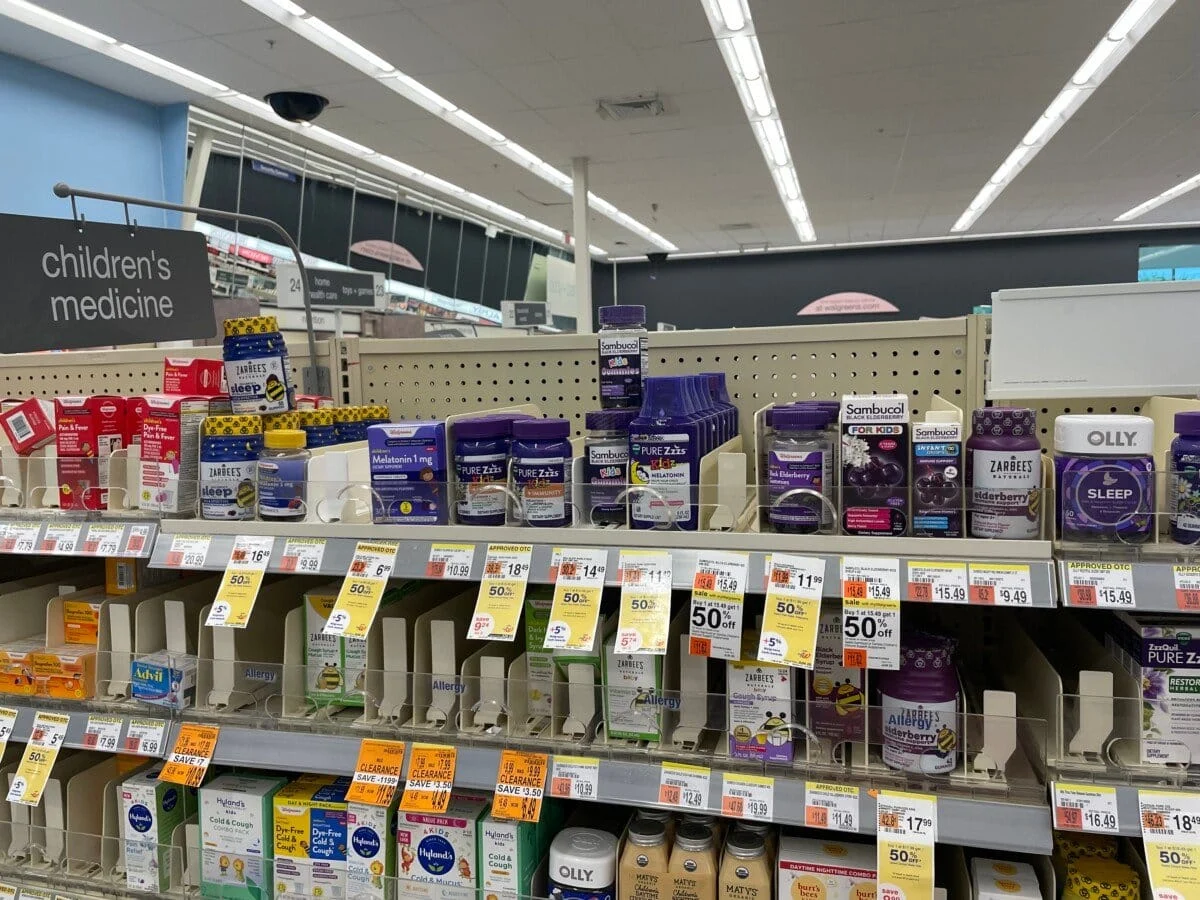
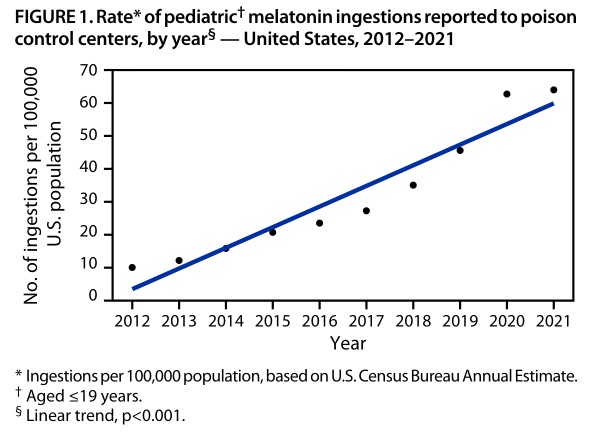
The landscape of children’s health has been significantly impacted by a dramatic and concerning rise in melatonin overdoses among pediatric populations. Recent studies reveal a staggering 530% increase in melatonin ingestions over the past decade, with an accelerated upward trend observed since the onset of the COVID-19 pandemic. This surge is prompting serious concern from medical professionals, including sleep physicians and pediatricians, who are urging parents to understand the potential risks associated with administering melatonin to children.
Escalating Emergency Room Visits Highlight the Crisis
Melatonin has rapidly become one of the leading causes of emergency room visits for children under the age of five. Data from a comprehensive study of emergency department visits indicated that a significant 7% of all ingestions requiring medical attention in this age group were attributed to melatonin. Alarmingly, nearly half of these incidents involved the consumption of melatonin gummies, underscoring the particular danger posed by these palatable formulations. This statistic is particularly worrying as a systematic review published in 2026 by Kracht et al. confirmed a global increase in melatonin use among children. Crucially, this review highlighted a significant lack of robust efficacy data for children under six years of age, with only two trials specifically examining melatonin use in this demographic. This evidence suggests that young children are more likely to experience adverse effects from melatonin overdose than to derive any proven therapeutic benefit.
The Trajectory of Melatonin Overdoses: A Decade of Escalation
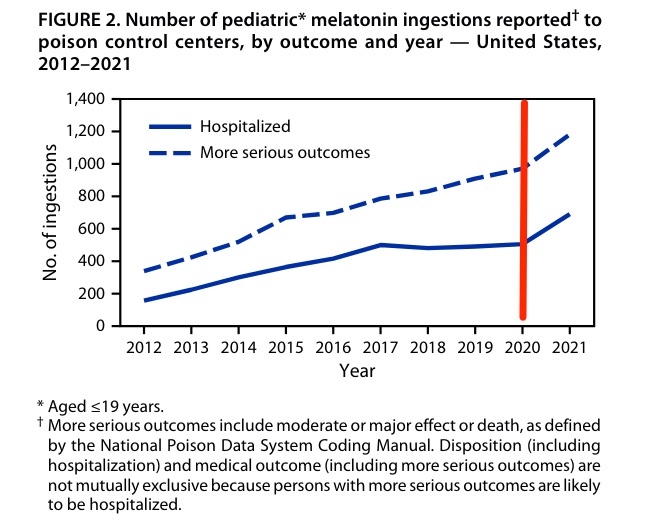
The initial warning signs of this growing crisis were illuminated by a pivotal study published in 2022 by Lelak and colleagues. This research, titled "Pediatric Melatonin Ingestions—United States, 2012-2021," meticulously analyzed poison control center data spanning a ten-year period. The findings painted a stark picture of escalating melatonin-related ingestions, setting the stage for subsequent investigations and growing public health awareness.
Demographics of Overdoses: Identifying Vulnerable Populations

The Lelak study identified several key risk factors associated with pediatric melatonin ingestions. Male gender and children under five years of age were found to be particularly vulnerable. The vast majority of these ingestions occurred within the home environment, emphasizing the critical need for parental vigilance and safe storage practices. A follow-up study in 2024 corroborated these findings, revealing that 7% of all emergency room visits for children under five were linked to melatonin ingestions, with gummy formulations accounting for 47% of these cases. This trend strongly suggests that the candy-like appearance and taste of melatonin gummies are a significant contributing factor to accidental ingestion by young children, who may not distinguish them from actual confectionery.
While most ingestions are managed at home, a notable portion, approximately 10.7% according to the Lelak study, require medical facility intervention. Within this group, 14.7% of children were hospitalized, and 1% required intensive care unit (ICU) admission. For context, overall hospitalization rates for ingestions in this study were 1.5%, with 0.1% requiring ICU care. It is important to note that a significant proportion of hospitalized patients were teenagers presenting with intentional ingestions. In such cases, hospitalization often reflects a broader concern for suicidal intent rather than the inherent toxicity of melatonin itself. However, the most substantial increase in hospitalizations was observed in children under the age of five, highlighting their particular susceptibility to serious outcomes from accidental overdose.
Tragically, the Lelak study also reported two deaths associated with melatonin ingestions: one in a 13-month-old and another in a 2-month-old infant. Both incidents occurred at home. The authors noted that one ingestion involved intentional misuse of the medication, while the cause for the other remains unknown. These isolated but devastating cases underscore the potential for severe consequences, even with substances commonly perceived as benign.
The Alarming Statistics: A Five-Fold Increase in a Decade
The sheer scale of the increase in melatonin ingestions is staggering. Over the ten-year period analyzed, a total of 260,435 reported ingestions were documented, representing 2.25% of all ingestions reported during that time. The proportion of ingestions attributed to melatonin surged from a mere 0.6% in 2012 to 4.9% in 2021. This more than five-fold increase signifies a profound shift in the types of accidental ingestions presenting to poison control centers and emergency departments.
Factors Fueling the Overdose Epidemic
Several interconnected factors contribute to the escalating rates of pediatric melatonin overdoses. Foremost among these is the regulatory landscape surrounding melatonin in the United States, which differs significantly from many other developed nations.
A Patchwork of Regulations: Global Disparities in Oversight
In the United States, melatonin is classified as a dietary supplement, falling under a regulatory framework that considers all supplements safe until proven otherwise. This means that manufacturers are not required to demonstrate the safety or efficacy of their products through rigorous clinical trials before they are available on the market. This stands in stark contrast to other countries:
- United Kingdom: Melatonin is available only by prescription, ensuring medical oversight for its use.
- Canada: Melatonin is regulated as an over-the-counter (OTC) health product, but manufacturers must adhere to specific regulations and obtain a Natural Product Number, indicating a degree of quality control.
- Australia: While melatonin has been down-scheduled for adults aged 55 and over for specific conditions, it remains prescription-only for children, with exceptions for insomnia in children with autism or Smith-Magenis syndrome.
- European Union: Regulations vary, with sustained-release formulations generally requiring a prescription. Immediate-release forms under 2 mg have a variable status, with some countries like Poland classifying it as non-prescription, while others adhere to stricter guidelines set by the European Medicines Agency.
- Taiwan: Melatonin is classified as a controlled substance, indicating a high level of regulatory scrutiny.
This disparity in regulation has significant implications for product quality and consumer safety.
The Consequence of Lax Oversight: Poor Quality and Inaccurate Dosing
The less stringent regulatory environment in the U.S. has resulted in a market flooded with melatonin products of questionable quality. A frequently cited study revealed that the actual melatonin content in these supplements could vary by an astonishing -83% to +478% from the labeled dose. This means a product labeled as containing 3 mg of melatonin could, in reality, contain anywhere from a mere 0.5 mg to a potent 14 mg. Furthermore, lot-to-lot variability was found to be as high as 465%, implying that even different batches of the same product from the same manufacturer could contain vastly different amounts of the active ingredient.
Compounding these issues, researchers have detected the presence of serotonin, a neurotransmitter and a medication used for other conditions, in 71% of sampled melatonin products. This contamination raises further safety concerns and highlights the lack of robust quality control in the U.S. supplement market. A separate study examining melatonin and CBD gummies also found significant inaccuracies in labeling for both active ingredients, further eroding consumer trust and potentially leading to unintended overdoses.
Parental Uncertainty: A Knowledge Gap in Dosage Administration
A critical challenge identified by sleep clinicians is the frequent lack of precise knowledge among parents regarding the exact dosage of melatonin they are administering to their children. When questioned in clinical settings, parents often resort to vague descriptions like "one milliliter" or "two pills," making it difficult for healthcare providers to ascertain the actual amount of melatonin being consumed. This knowledge gap, coupled with the inherent variability in product dosing, creates a precarious situation where parents may unknowingly administer significantly higher or lower doses than intended, increasing the risk of both under-treatment and overdose.
The Peril of Interactions: Unforeseen Consequences
Melatonin is not without its potential for significant drug interactions, which can alter its effectiveness and increase the risk of adverse events. Melatonin is metabolized by the liver enzyme CYP1A2. Substances that inhibit or induce this enzyme can significantly impact the amount of active melatonin in the body.
Table 1: Substances Affecting Melatonin Levels (CYP1A2 Interactions)
| Effect | Substances |
|---|---|
| Inhibitors (increase melatonin levels) | Tricyclic antidepressants, fluvoxamine, diazepam, cimetidine, ciprofloxacin, oral contraceptives, caffeine |
| Inducers (decrease melatonin levels) | Carbamazepine, omeprazole, grilled meats, cruciferous vegetables, smoking |
Furthermore, melatonin can interact with various drug classes, leading to a range of adverse outcomes:
Table 2: Melatonin-Drug Interactions
| Drug Class | Interaction |
|---|---|
| Anticoagulants / anti-platelet | May increase bleeding risk |
| Anticonvulsants | May reduce anticonvulsant effects and increase seizure frequency |
| Antihypertensives | May reduce antihypertensive effect and raise blood pressure |
| Diabetic medications | May affect blood glucose levels |
| Immunosuppressants | May interfere with drug action |
| Sedating medications | May increase morning drowsiness |
These interactions highlight the importance of consulting with a healthcare professional before administering melatonin to children, especially those with pre-existing medical conditions or who are taking other medications.
Recognizing the Signs and Seeking Help
The side effects of taking too much melatonin can range from mild to severe and include:
- Excessive sleepiness
- Delirium
- Nausea and vomiting
- Nighttime awakenings
- Dizziness
- Irritability
- Bedwetting
In the event of a suspected melatonin overdose, parents are strongly advised to contact the national Poison Help Hotline at 1-800-222-1222. Medical professionals are available to provide immediate guidance and support.
Towards Safer Practices: Recommendations for Responsible Use

Given the mounting evidence of risk, a cautious and informed approach to melatonin use in children is paramount. Many of the recommendations for safe use are derived from the International Pediatric Sleep Association (IPSA) materials on melatonin. These include:
- Consultation with a Healthcare Professional: Before administering melatonin to a child, parents should consult with a pediatrician or sleep specialist. This is crucial for determining if melatonin is appropriate, identifying potential underlying sleep issues, and establishing a safe and effective dosage.
- Strict Dosage Adherence: Always follow the dosage recommendations provided by a healthcare professional. Avoid "eyeballing" doses or using household measuring tools, which can lead to inaccuracies.
- Secure Storage: Store melatonin products securely out of reach of children, just as one would with any other medication. The candy-like appearance of gummies makes this particularly important.
- Product Quality: When possible, opt for melatonin products from reputable manufacturers. However, given the regulatory limitations, even these may not guarantee precise dosing.
- Awareness of Interactions: Inform your healthcare provider about all medications, supplements, and even significant dietary changes your child is undertaking to mitigate potential interactions.
- Short-Term Use: Melatonin is generally recommended for short-term use to address specific sleep issues. Long-term efficacy and safety in children are not well-established.
- Behavioral Interventions First: Prioritize establishing healthy sleep hygiene habits and behavioral interventions before considering pharmacological aids like melatonin.
The Broader Implications: A Call for Enhanced Oversight
The escalating crisis of pediatric melatonin overdoses serves as a critical wake-up call for enhanced regulatory oversight of dietary supplements in the United States. The current system, which allows for largely unproven and poorly regulated products to be readily available to consumers, is demonstrably failing to protect vulnerable populations, particularly children. Policymakers and regulatory bodies must consider strengthening the Food and Drug Administration’s (FDA) authority to ensure the safety, efficacy, and accurate labeling of all dietary supplements, including melatonin. Without such reforms, the trend of alarming ingestions and potential adverse health outcomes is likely to continue, placing an unnecessary burden on families and the healthcare system.
For parents seeking further information, comprehensive guides are available that delve into the mechanisms of melatonin, the existing scientific evidence for its use in children, and best practices for administration when deemed appropriate by a medical professional. The goal is to empower parents with knowledge, enabling them to make informed decisions that prioritize their child’s well-being and safety.
