

A dramatic increase in emergency room visits for melatonin overdoses in children, particularly those under five years old, has prompted urgent calls for greater parental awareness and regulatory scrutiny. Data reveals a staggering 530% rise in pediatric melatonin ingestions over the past decade, with a particularly sharp acceleration observed since the onset of the COVID-19 pandemic. This trend is raising significant concerns among medical professionals, including pediatric sleep physicians, who are emphasizing the need for parents to understand the potential risks associated with this widely used supplement.
The Escalating Crisis: Melatonin’s Grip on Pediatric Emergency Rooms
Melatonin has rapidly become a leading cause of accidental ingestions requiring emergency medical attention for young children. A comprehensive study analyzing emergency department visits has indicated that approximately 7% of all such visits for accidental ingestions in children under five were directly attributable to melatonin. Alarmingly, nearly half of these incidents involved the ingestion of melatonin gummies, products often designed to resemble candy, thereby increasing their appeal to young children.
Further underscoring the growing problem, a systematic review published in 2026 by Kracht et al. confirmed the global escalation in melatonin use among children. The review highlighted a critical gap in scientific understanding, noting a lack of robust efficacy data for children under six years of age, with only a limited number of clinical trials investigating melatonin’s use in pediatric populations. This scarcity of evidence suggests that young children are more likely to experience adverse effects from overdosing on melatonin than to receive any proven therapeutic benefit.
A Decade of Escalation: Tracing the Rise of Melatonin Overdoses

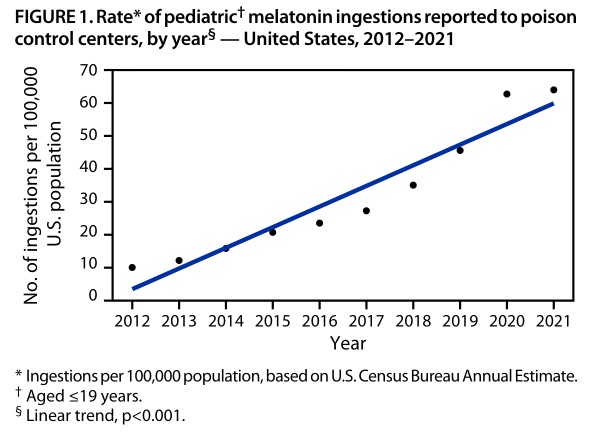
The initial signals of this emerging public health crisis were evident in a 2022 study by Lelak, which analyzed poison control center data spanning a ten-year period (2012-2021). Titled "Pediatric Melatonin Ingestions—United States, 2012-2021," the research provided a stark overview of the increasing frequency of these incidents. The study revealed a total of 260,435 reported melatonin ingestions over the decade, representing a significant 530% surge. This surge translated to melatonin accounting for 0.6% of all reported ingestions in 2012, a figure that climbed to 4.9% by 2021.
The data paints a clear chronological picture: a steady increase in melatonin-related incidents throughout the decade, followed by a marked acceleration particularly after 2020. This timeline coincides with the widespread societal shifts and increased stress levels experienced during the COVID-19 pandemic, which may have contributed to a greater reliance on sleep aids, including melatonin, for both adults and children.
Demographics of Concern: Who is Most at Risk?
The Lelak study identified key demographic factors associated with higher risks of melatonin ingestion. Male gender and children under five years of age were found to be particularly vulnerable. The vast majority of ingestions were managed at home, indicating that many parents may not recognize the severity of an overdose or the appropriate steps to take.
A subsequent study, published in 2024, reinforced these findings, revealing that children under five accounted for a substantial 7% of all emergency room visits related to accidental ingestions. The association with gummy preparations was particularly pronounced, with nearly half of these pediatric ingestions involving such forms. This highlights a critical safety concern: the palatable and visually appealing nature of gummies can lead young children to mistake them for candy, increasing the likelihood of accidental overconsumption.
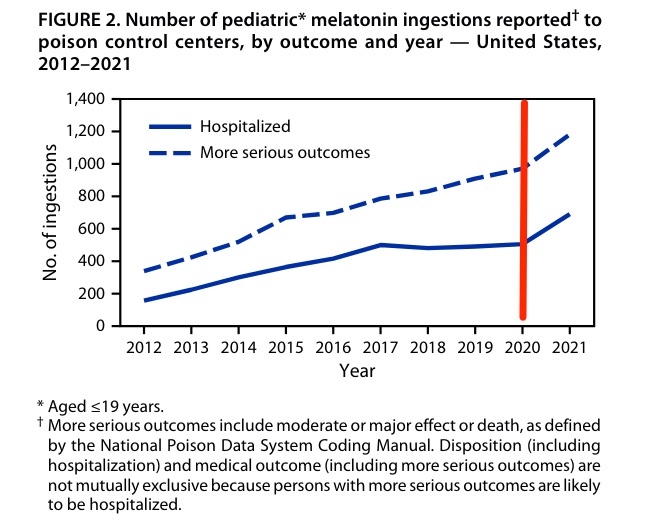
While most ingestions are managed at home, a notable percentage require medical intervention. The Lelak study indicated that 10.7% of ingestions were handled in healthcare facilities. Of this group, 14.7% necessitated hospitalization, and 1% required intensive care unit (ICU) admission. For perspective, these figures are higher than those for many other accidental ingestions. It is important to note that hospitalizations among teenagers were often linked to intentional ingestions, which are typically managed with a focus on immediate safety and psychological assessment rather than reflecting the inherent toxicity of melatonin itself. However, the most significant increase in hospitalizations was observed in the youngest age group—children under five.
Tragically, the rise in ingestions has also been associated with severe outcomes. Two deaths were reported in the Lelak study: one in a 13-month-old and another in a 2-month-old infant. Both incidents occurred at home, with one ingestion attributed to intentional misuse of the medication and the cause of the other remaining unknown. These isolated but devastating cases underscore the potential for serious harm, even in young infants.
Underlying Causes: Why the Surge in Overdoses?
Several interconnected factors contribute to the alarming rise in pediatric melatonin overdoses.
1. Poor Regulation of Melatonin Preparations in the U.S.:
Unlike in many other developed nations, melatonin is classified as a dietary supplement in the United States. This regulatory framework places the onus on manufacturers to prove their products are unsafe before they can be removed from the market, a stark contrast to the pre-market approval processes for pharmaceuticals. Consequently, quality control and standardization are often lacking.
In the United Kingdom, melatonin is available by prescription only. Canada classifies it as an over-the-counter health product requiring a Natural Product Number for safety assurance. Australia has a more nuanced approach, with melatonin down-scheduled for adults over 55 for specific doses and conditions, while remaining prescription-only for children, except for specific diagnoses like insomnia in children with autism or Smith-Magenis syndrome.
A frequently cited study revealed significant discrepancies between the labeled dosage of melatonin and its actual content, with amounts varying from -83% to +478% of the stated dose. Furthermore, lot-to-lot variability was as high as 465%, meaning that different batches from the same manufacturer could contain vastly different concentrations of the active ingredient. Perhaps most concerning, researchers detected serotonin, a potent neurotransmitter with significant medical applications and potential side effects, in 71% of tested samples. Another study examining melatonin and CBD gummies found widespread inaccuracies in labeling for both compounds. This lack of reliable labeling and inconsistent product quality makes it exceedingly difficult for parents to administer accurate and safe doses to their children.
2. The "Candy-fication" of Melatonin:
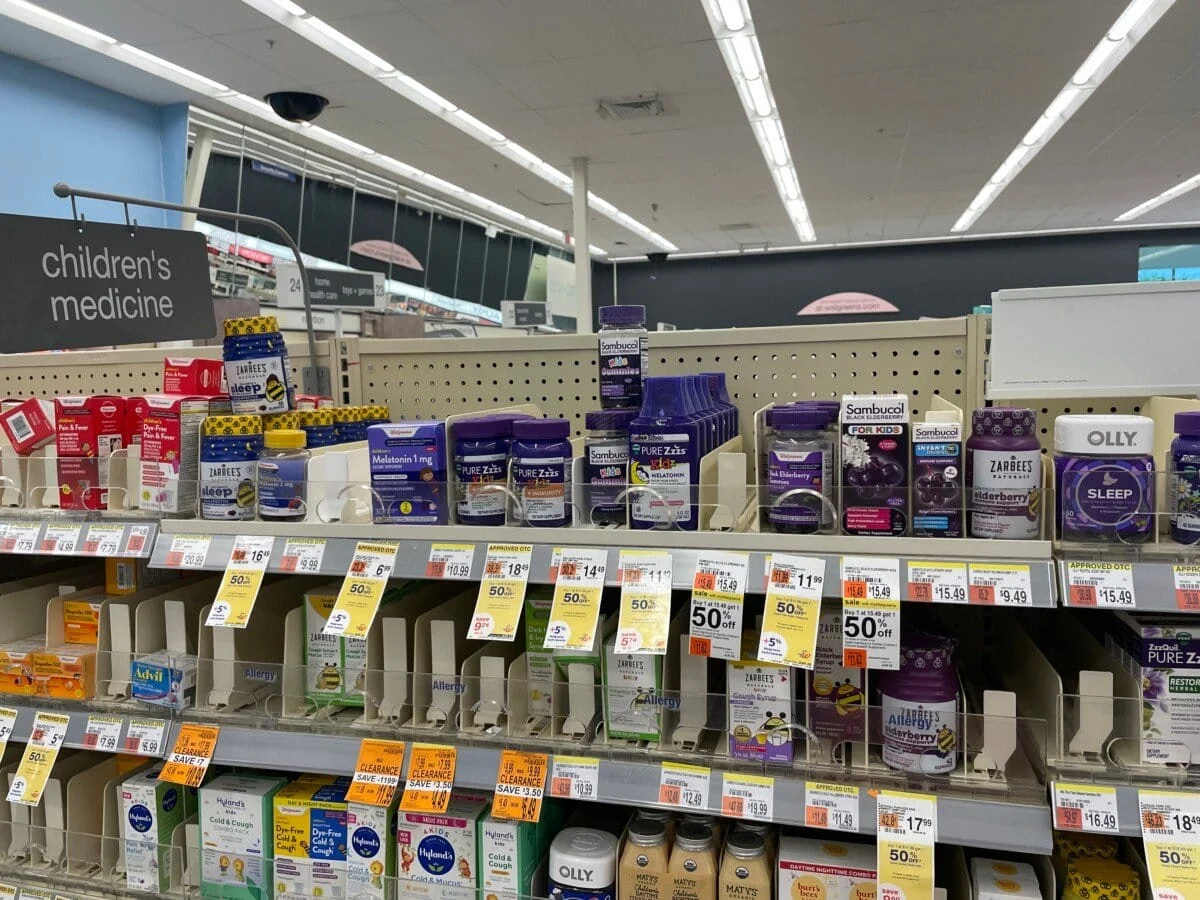
The widespread availability of melatonin in gummy form, often flavored and colored to resemble popular candies, is a significant driver of accidental ingestions in young children. Children, by their nature, are drawn to these appealing forms, and without strict supervision, they can easily consume multiple doses. The visual similarity to confectionery makes it difficult for young children to distinguish between a treat and a supplement, leading to potentially dangerous overconsumption. The prominent use of purple branding on many children’s melatonin products further contributes to their candy-like appearance.
3. Parental Misunderstanding of Dosage and Safety:
Many parents are unaware of the precise dosage they are administering to their children. When consulting with parents in sleep clinics, physicians often find that children are taking melatonin without a clear understanding of the milligram amount. Parents may resort to imprecise measurements like "one milliliter" or "two pills" without knowing the concentration of the product. This ambiguity, coupled with the variable content of the supplements, creates a dangerous situation where parents may be inadvertently administering significantly higher doses than intended.
4. Potential Drug Interactions:
Melatonin is not without its potential interactions with other medications. It is metabolized by the liver enzyme CYP1A2. Substances that inhibit or induce this enzyme can alter the amount of active melatonin in the body. For example, inhibitors like fluvoxamine and ciprofloxacin can increase melatonin levels, while inducers like carbamazepine can decrease them.
Furthermore, melatonin can interact with several drug classes. It may increase the risk of bleeding when taken with anticoagulants or anti-platelet drugs. It can potentially reduce the effectiveness of anticonvulsants and increase seizure frequency. Melatonin may also diminish the efficacy of antihypertensive medications, leading to elevated blood pressure, and can affect blood glucose levels in individuals taking diabetic medications. Its interference with immunosuppressants and increased risk of morning drowsiness when combined with sedating medications are also important considerations. These interactions add another layer of complexity and potential risk when melatonin is used in conjunction with other prescribed or over-the-counter medications.
Consequences of Overdose: Recognizing the Signs
The side effects of taking too much melatonin can range from mild to severe. These include:

- Excessive sleepiness
- Delirium
- Nausea and vomiting
- Nighttime awakenings
- Dizziness
- Irritability
- Bedwetting
Seeking Immediate Assistance
In the event of a suspected melatonin overdose, parents should immediately contact the national Poison Help Hotline at 1-800-222-1222. Medical professionals are available around the clock to provide guidance and support.
Moving Forward: Recommendations for Safer Use
While the risks are significant, many parents continue to seek solutions for their children’s sleep difficulties. For those considering melatonin, several recommendations, largely informed by the International Pediatric Sleep Association (IPSA), can promote safer use:
- Consult a Healthcare Professional: Always discuss the use of melatonin with a pediatrician or a pediatric sleep specialist. They can help determine if melatonin is appropriate, assess underlying causes of sleep issues, and recommend the correct dosage and duration of use.
- Prioritize Non-Pharmacological Interventions: Before considering melatonin, focus on establishing robust sleep hygiene practices. This includes consistent bedtime routines, a dark and quiet sleep environment, limiting screen time before bed, and ensuring adequate physical activity during the day.
- Choose Reputable Brands and Accurate Dosing: When melatonin is deemed necessary, select products from manufacturers with strong quality control standards. Look for third-party certifications that verify the product’s content. Measure liquid melatonin with an accurate dosing device, not household spoons.
- Store Safely: Keep melatonin supplements out of the reach of children, just as you would any other medication or potentially harmful substance.
- Understand the Evidence: Be aware that the long-term effects and efficacy of melatonin in children are still not fully understood, particularly for those under six.
The escalating rates of pediatric melatonin overdoses represent a critical public health challenge. A combination of enhanced parental education, stricter regulatory oversight of supplement manufacturing, and a greater emphasis on evidence-based sleep hygiene practices is essential to mitigate these risks and ensure the safety and well-being of children.
