

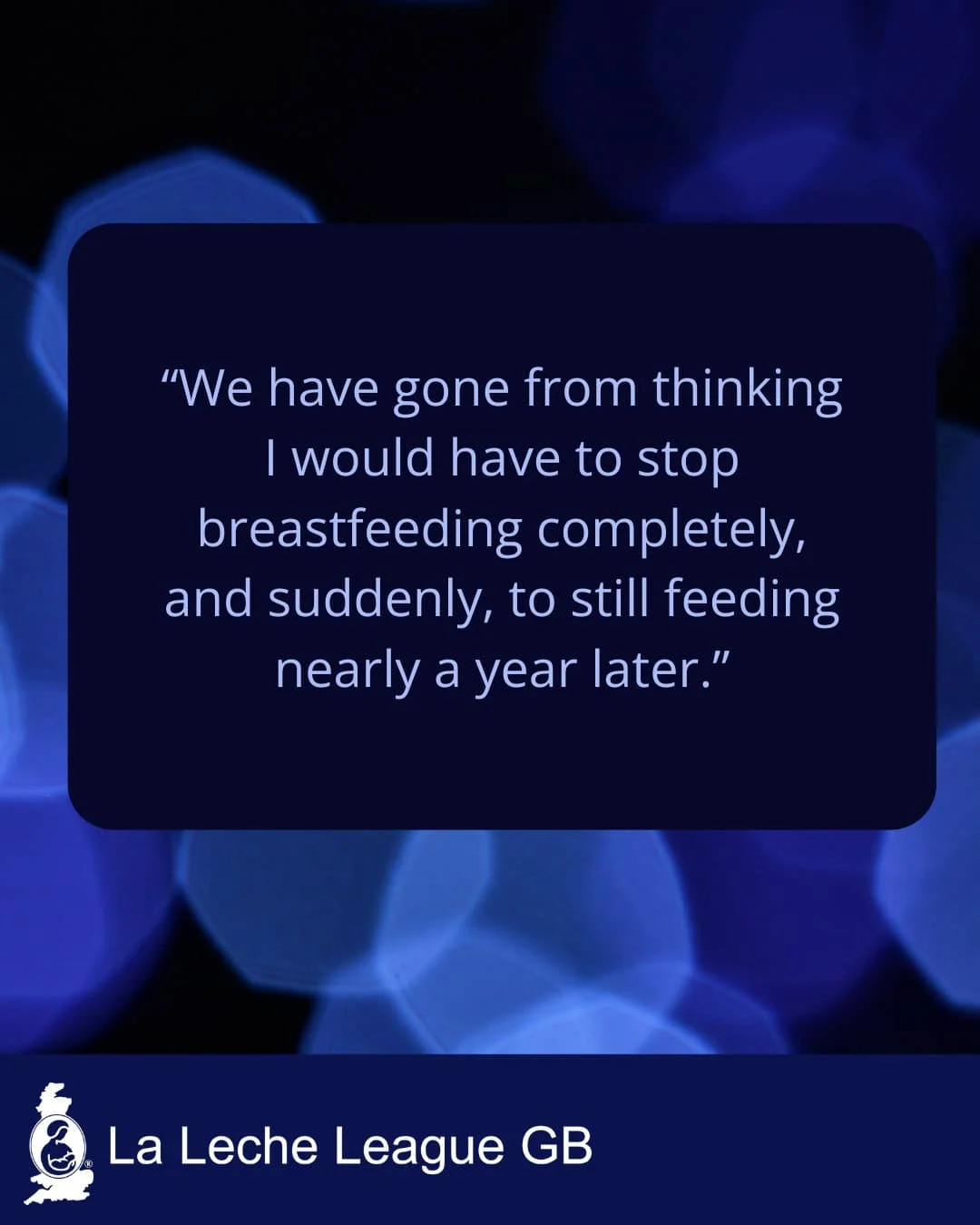
When her daughter was just six months old and exclusively breastfeeding, an unnamed mother from Yorkshire, identified only as "Anonymous," found her life irrevocably altered by a sudden and violent car crash. The incident, which occurred on a national speed limit road, not only inflicted significant physical trauma, particularly to one of her breasts, but also plunged her into a challenging journey of pain, medical uncertainty, and a determined fight to continue breastfeeding her infant. This harrowing account underscores the profound impact of unforeseen events on new mothers and highlights the critical role of medical support and personal resolve in overcoming adversity.
The Incident: A Sudden Impact on a National Speed Limit Road
The accident unfolded as the mother was seated in the back of the car with her infant daughter, while her partner drove. Another vehicle unexpectedly turned across their path, leading to a high-impact collision. The forces involved in crashes on national speed limit roads, where speeds can reach up to 60 or 70 mph, significantly amplify the potential for severe injuries. While the front airbags deployed, protecting the driver, the rear of the vehicle, where the mother and child were situated, lacked this additional safety measure. The mother’s seatbelt, a critical safety device, performed its primary function of restraining her, preventing more catastrophic injuries. However, the immense pressure exerted by the seatbelt, designed to distribute force across the body, instead crushed one of her breasts, leading to immediate and severe trauma.
Miraculously, her daughter, secured in a rear-facing car seat, escaped with only a minor bruise from her own harness. This outcome serves as a powerful testament to the efficacy of rear-facing car seats in protecting infants, which are designed to cradle a child’s head, neck, and spine during a frontal collision by distributing crash forces over a larger area of the body. The partner, driving the vehicle, sustained only a burn from the deploying airbag, further emphasizing the relative severity of the mother’s specific injury. Despite the shock and immediate pain, a collective sense of profound gratitude permeated the family, recognizing the far worse potential outcomes of such an accident.
Initial Medical Response and Diagnosis: A Frightening Discovery
Immediately following the crash, the injured breast began to swell, becoming acutely painful and deeply bruised. The family promptly sought emergency medical attention at Accident & Emergency (A&E). The medical team, recognizing the mother’s breastfeeding status, arranged for a breast pump to be brought from the maternity ward. The initial attempt to express milk from the injured breast yielded alarming results: very little milk emerged, and what did was bright red, indicative of fresh blood. This observation immediately raised concerns about internal damage.
Fortunately, the uninjured breast continued to produce milk normally, providing a crucial source of sustenance for the infant. The medical advice given at this initial stage was to continue pumping the damaged breast, a recommendation aimed at stimulating milk flow and potentially preventing further complications, even if the output was compromised. A few days later, an ultrasound scan was performed. This initial diagnostic imaging, however, revealed no immediate actionable findings, leaving the mother in a state of painful uncertainty. The subsequent weeks were characterized by intense pain, a burning sensation in the swollen breast with every movement, and a severely restricted ability to care for her daughter. The physical limitations confined them indoors, adding to the emotional distress.
Navigating the Medical Maze: Weeks of Uncertainty and Pain
The initial A&E visit and subsequent ultrasound offered little in the way of immediate relief or definitive treatment. For several weeks, the mother endured excruciating pain, characterized by a persistent burning sensation in the swollen breast. The requirement to continue pumping the damaged side, despite minimal and bloody output, was both physically and emotionally draining. This period of incapacitation significantly impacted her ability to perform daily tasks and, most distressingly, to hold and comfort her daughter. The isolation of being stuck indoors compounded the challenges, placing immense psychological strain on a new mother already navigating the demands of infant care.
Breast injuries, particularly those caused by blunt force trauma such as a seatbelt impact, can lead to a variety of complications. These include hematomas (collections of blood), fat necrosis, and, as in this case, potential damage to the delicate network of milk ducts and glandular tissue. The immediate swelling and pain are consistent with a significant hematoma, which can exert pressure on surrounding tissues and nerves. The presence of blood in the expressed milk further confirmed the internal bleeding.
A Turning Point: Referral, Drainage, and Difficult Choices
After enduring weeks of unresolved pain and swelling, the mother was eventually referred by her GP to a specialized breast clinic. This referral marked a significant turning point in her medical journey. A second ultrasound scan at the clinic provided a clearer picture, revealing a substantial amount of fluid buildup within the injured breast. This fluid, likely a combination of blood and serous fluid, was putting immense pressure on the surrounding tissues.
A procedure was immediately undertaken to drain the fluid using a needle. The medical team extracted over a pint of liquid, which a nurse light-heartedly described as resembling a "latte" – a vivid, if slightly unsettling, descriptor for the milky, perhaps blood-tinged, fluid. The relief from pain was instantaneous and profound. However, this moment of relief was tempered by a serious warning from the consultant: if the swelling returned, the mother might need to cease breastfeeding altogether from the injured side, or even completely, to halt milk production and allow the breast to heal without the additional stress of lactation.
This prospect was profoundly upsetting for the mother. For many women, breastfeeding is not merely a method of feeding but a deep bond and a source of comfort for both mother and child. The idea of suddenly withdrawing this comfort and sustenance was emotionally devastating. Her research had uncovered only one similar case online, a woman advised to stop breastfeeding her newborn after a car crash due to a comparable injury, reinforcing the rarity and complexity of her situation.
The "Wait-and-See" Approach: A Path to Persistence
Within days, the swelling, though not as severe as initially, did return. The mother found herself back at the hospital for another needle drainage and was also prescribed antibiotics, likely to prevent infection in the compromised tissue. Crucially, the consultant, adopting a "wait-and-see" approach, agreed that she could continue breastfeeding for the time being, monitoring whether the fluid buildup would naturally reduce over time. This decision, in contrast to the more definitive advice in the online case she had found, offered a glimmer of hope.

The cycle of fluid buildup and drainage continued for several months. The mother made repeated trips to the hospital, undergoing drainage procedures every few days. With each subsequent visit, the volume of liquid drained progressively decreased, a positive sign that the body was slowly resolving the internal injury. Throughout this period, she steadfastly continued pumping from the damaged side every few hours, noting that the milk, which had initially been bright red, gradually turned pink. This persistent effort, despite the pain and inconvenience, was central to her determination to maintain her milk supply and continue breastfeeding.
Gradual Recovery and Adaptation: A New Normal
Eventually, after several months of this arduous routine, there was no longer any fluid left to drain. The small amount of milk being produced from the injured breast finally turned white, signaling a return to a more normal, albeit diminished, milk composition. At this point, the mother cautiously began to feed her daughter directly from the damaged breast once more. The cessation of pumping was a significant milestone, marking a reduction in pain and the gradual return of the breast to a more normal appearance, save for a discernible ridge where the seatbelt had pressed.
Nine months after the accident, the mother continues to breastfeed her daughter on both sides. The injured breast, while still producing very little milk, primarily serves as a source of comfort for her child. The unaffected breast, remarkably, has adapted to the increased demand, producing sufficient milk to satisfy her daughter’s nutritional needs. As her daughter has also started eating solids, the pressure to provide a full milk supply from both breasts has lessened, alleviating some of the mother’s concerns about her daughter’s intake.
The mother suspects, though medical confirmation remains elusive, that the milk ducts in the damaged breast were compromised during the accident. This damage likely prevented milk from reaching the nipple effectively, leading to a gradual cessation of milk production in that specific area. Consultants have been unable to definitively state whether full milk supply will ever return to the injured side, an outcome the mother believes is unlikely. This physiological adaptation has resulted in a noticeable asymmetry, with one breast having undertaken the vast majority of feeding for nearly a year. Despite this physical change, the overall outcome represents a remarkable triumph: from the stark possibility of having to abruptly cease breastfeeding, she has persevered to continue the journey nearly a year later.
The Broader Context: Breastfeeding and Trauma
The mother’s experience highlights the intersection of physical trauma, maternal health, and the profound commitment to breastfeeding. Car accidents are a leading cause of injury globally, and while seatbelts are life-saving, they can, in rare instances, cause specific injuries, particularly to the chest and abdomen. For a breastfeeding mother, such an injury presents unique challenges. Trauma to the breast can disrupt milk production, lead to pain, infection, and emotional distress.
Medical professionals typically emphasize the importance of individualized care in such complex situations. While some protocols might lean towards immediate cessation of breastfeeding to facilitate healing, the "wait-and-see" approach, as adopted by this consultant, demonstrates a patient-centered philosophy that considers the mother’s desire to continue breastfeeding and the emotional benefits for both mother and child. Lactation consultants often play a vital role in supporting mothers with breast injuries, offering guidance on pain management, maintaining supply in the uninjured breast, and managing potential complications in the affected one.
Medical Perspectives on Breast Injuries and Lactation
Breast trauma can result in various forms of fluid accumulation. A hematoma, as initially suspected, is a collection of blood outside blood vessels. If milk ducts are also damaged, a galactocele (a milk-filled cyst) or a seroma (a collection of serous fluid) could develop, sometimes combined with blood. The "latte-like" fluid described by the nurse likely indicated a mixture, possibly a serosanguinous fluid (containing blood serum and blood) mixed with some milky components or cellular debris. Repeated aspirations are a common medical approach to manage fluid collections, reducing pressure and promoting healing.
The long-term impact on milk production, as observed by the mother, where the injured breast now produces very little milk, is consistent with significant ductal damage or atrophy of the glandular tissue due to prolonged pressure and inflammation. While the body can be remarkably resilient, and some milk production might return, severe damage to the delicate network of ducts and alveoli can permanently impair the breast’s ability to synthesize and transport milk effectively. The body’s ability to compensate, with the uninjured breast increasing its supply to meet demand, is a well-documented phenomenon in lactation physiology.
Vehicle Safety and Child Protection: A Stark Reminder
This incident serves as a stark reminder of the critical importance of vehicle safety features and proper child restraint usage. The mother’s seatbelt, while causing localized injury, ultimately saved her from more severe trauma. The daughter’s rear-facing car seat proved invaluable, protecting her from the impact’s forces. According to the National Highway Traffic Safety Administration (NHTSA) and similar organizations globally, rear-facing car seats are five times safer for children under two years old than forward-facing seats, drastically reducing the risk of head and neck injuries in a crash. The mother’s experience adds a powerful anecdotal account to the vast body of evidence supporting these safety recommendations.
Implications for Maternal Health and Advocacy
This mother’s journey underscores several crucial implications for maternal health and patient advocacy. First, it highlights the need for specialized medical understanding of breastfeeding and lactation in the context of trauma. Not all medical professionals may be equally informed about the nuances of managing breast injuries in lactating women, making informed consultant decisions, like the "wait-and-see" approach, particularly valuable. Second, it exemplifies maternal resilience and the power of a mother’s determination to continue breastfeeding despite immense physical and emotional challenges. Finally, it reinforces the importance of sharing personal stories. In a medical landscape where rare cases can lack clear protocols, shared experiences can offer hope, guidance, and a sense of solidarity for others facing similar, uncommon predicaments.
A Message of Hope and Resilience
The anonymous mother from Yorkshire intentionally shared her story in the hope that it might offer guidance and comfort to others facing similar injuries. Her experience is a powerful testament to the fact that even when circumstances seem overwhelmingly bleak and the advice is to cease breastfeeding, there can be a path towards continued lactation. Her gratitude for her consultant’s patient, wait-and-see approach is immense, as it ultimately allowed her and her daughter to continue their breastfeeding journey for many more months, enriching their bond and providing invaluable comfort. This narrative stands as a beacon of hope, demonstrating the extraordinary lengths to which mothers will go to nurture their children and the profound impact of compassionate, individualized medical care.
