

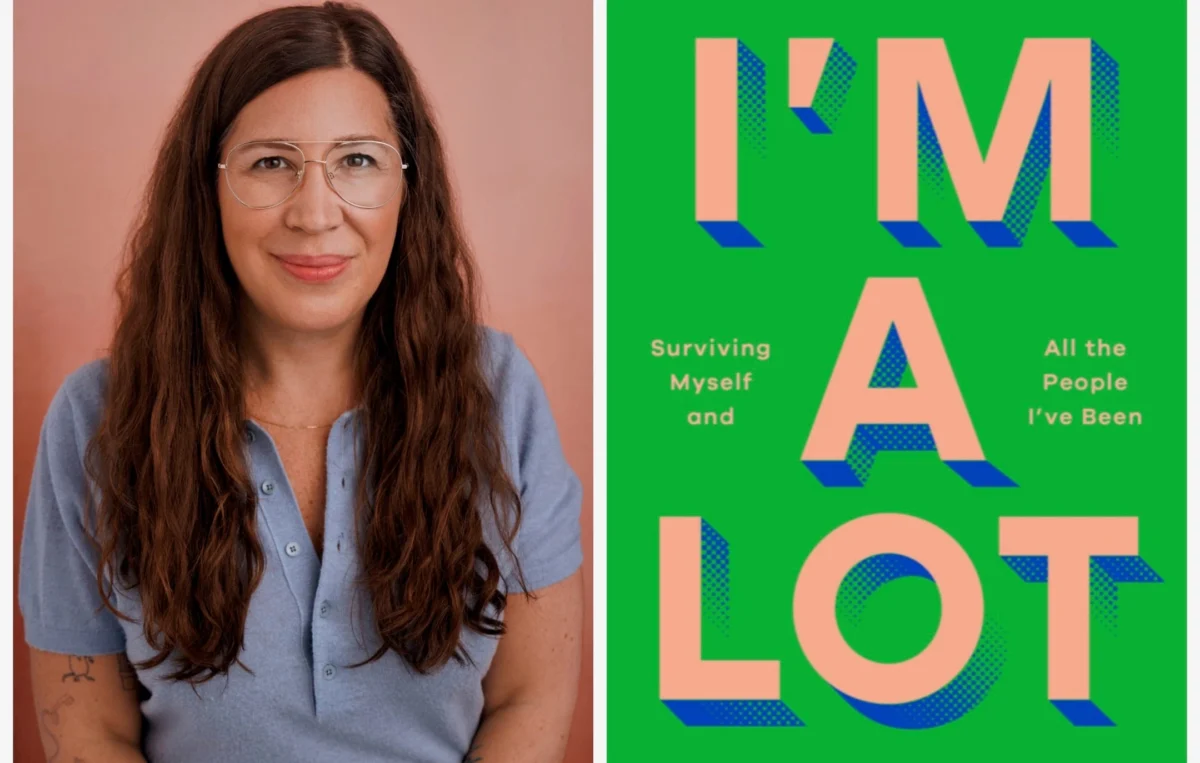
The publication of Alison Leiby’s latest collection of essays, I’m a Lot, has brought renewed attention to the sociological and psychological landscape of the "singleton" family, a demographic that has seen significant growth in Western societies over the past four decades. Leiby, a prominent writer and producer known for her work on The Marvelous Mrs. Maisel and Life & Beth, utilizes her personal narrative to deconstruct long-standing stereotypes regarding only children while highlighting the unique pressures and benefits inherent in a three-person household. As birth rates continue to decline and the "one and done" family model becomes increasingly common due to economic and social factors, Leiby’s reflections serve as a primary case study for a broader cultural shift in how family units are defined and experienced.
The Rise of the Single-Child Household
For much of the 20th century, the multi-child family was the standard in American life. However, data from the U.S. Census Bureau and the Pew Research Center indicate a steady rise in single-child families. In 1976, approximately 11% of women at the end of their childbearing years had only one child; by 2015, that figure had nearly doubled to 22%. In major metropolitan areas, the percentage of one-child families often exceeds 30%.
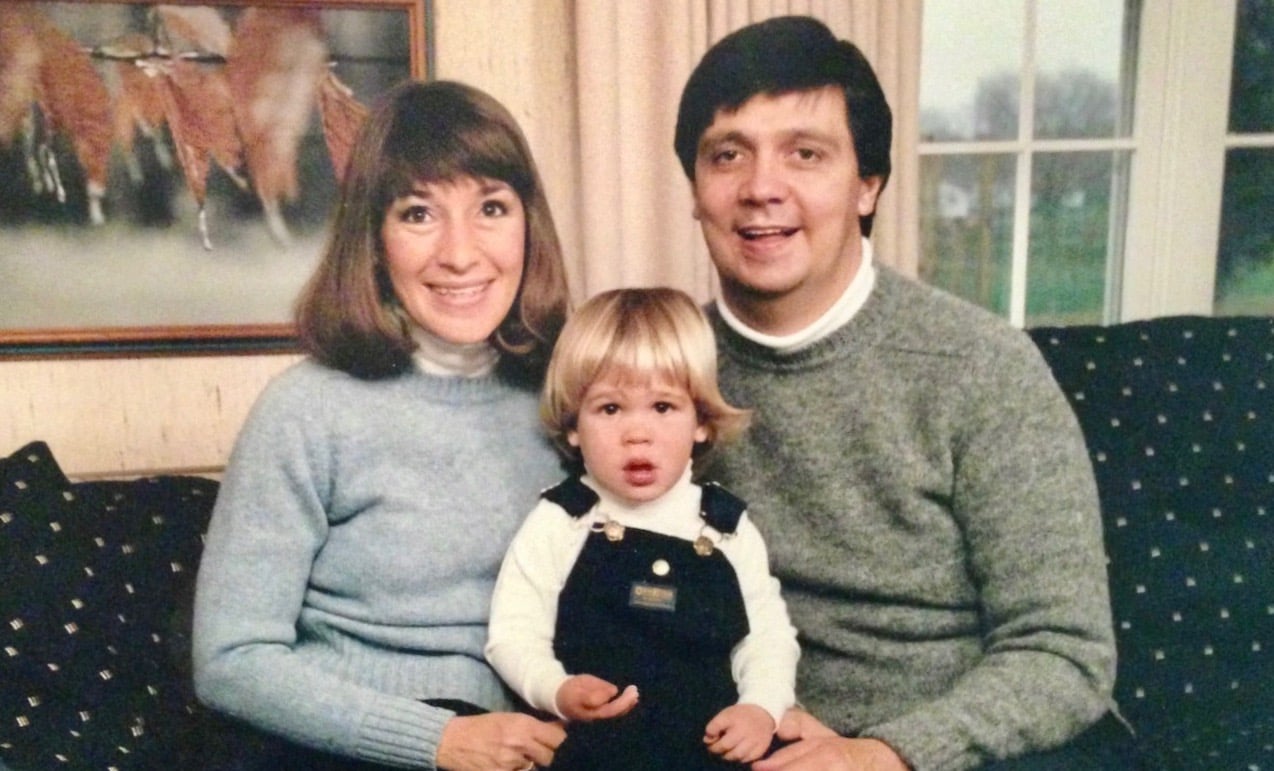
Leiby’s account provides a qualitative look at the statistics, describing a childhood characterized by "separate vacations" with each parent—a logistical arrangement enabled by the absence of siblings. This "triangle" dynamic, as sociologists often call it, allows for a level of parental investment and financial flexibility that is frequently unavailable to larger families. Leiby notes that her parents, despite remaining married, pursued separate interests: her father took her skiing in Colorado, while her mom preferred the beaches of Florida. This flexibility, while appearing "spoiled" to outsiders, represents a pragmatic approach to modern parenting where the child is integrated into adult interests rather than the adults revolving entirely around a child-centric "chaos" often depicted in media.
The Media Gap and the "TGIF" Influence
A central theme in Leiby’s analysis is the discrepancy between her lived experience and the family structures portrayed in popular media during the 1990s. She highlights the ABC "TGIF" lineup—a block of family-oriented sitcoms including Full House, Family Matters, and Step by Step—as a primary source of cultural expectation. These shows almost exclusively featured large, often blended families where conflict and resolution were driven by sibling rivalry and peer-to-peer interaction among children.
According to media studies research, the "only child" was historically marginalized in television narratives or portrayed as a lonely, eccentric, or socially inept character. Leiby observes that her own reality—spending time reading alone or engaging in adult conversations—was rarely deemed "compelling television." This lack of representation contributed to a sense of "otherness" for singletons, who were forced to navigate a world designed for sibling groups. Leiby’s work suggests that the "normalcy" of a family is often a media-constructed myth, pointing out that even the most conventional-looking families often feel "different" from the archetypes presented on screen.

Psychological Implications: Conflict Resolution and Socialization
The "Only Child Syndrome," a term coined in the late 19th century by psychologist G. Stanley Hall, famously characterized single children as "a disease in itself." Hall’s theory posited that only children were destined to be selfish, maladjusted, and socially incompetent. Modern psychological research has largely debunked these claims. A meta-analysis of over 200 studies found that only children do not differ significantly from children with siblings in terms of personality, though they often score higher on measures of intelligence and achievement motivation.
Leiby’s personal reflections align with these findings while acknowledging specific behavioral traits. She notes a self-described "terrible" ability to handle conflict, attributing it to the lack of sibling combatants during her formative years. "Who would I have fought with? My stuffed animals?" she writes, illustrating the pacifist environment of a single-child home. Furthermore, she describes a tendency toward "adult-like" behavior, such as befriending teachers and discussing current events like 60 Minutes at a young age. This "precocity" is a common trait among only children, who spend a higher percentage of their time interacting with adults rather than peers within the home.
The Economic and Social Drivers of Small Families
The shift toward smaller families is not merely a matter of personal preference but is deeply rooted in economic realities. The Brookings Institution estimates that the cost of raising a child to age 17 in the United States has risen to over $310,000, excluding the cost of higher education. For many middle-class families, the financial burden of multiple children is prohibitive.
Furthermore, the "Sandwich Generation"—adults who are simultaneously caring for their own children and their aging parents—faces unprecedented time and resource constraints. Leiby touches on a critical concern for adult only children: the looming responsibility of sole caregiving. As her parents enter their seventies, she expresses a profound fear regarding the future. Unlike those with siblings, only children lack a "team" to share the emotional, physical, and financial weight of elder care. This "caregiving cliff" is a growing concern for social workers and policy makers as the "singleton" generation reaches middle age.
Chronology of the Only Child Perspective in Literature
The narrative arc of Leiby’s I’m a Lot follows a distinct timeline that mirrors the evolution of the only-child discourse:
- The Childhood Phase (1980s-1990s): Navigating the "weirdness" of being the only child in a world of large sitcom families. The focus is on the benefits of undivided attention and the development of an internal world.
- The Adolescent Phase (Late 1990s-Early 2000s): The desire for an "older sister" as a gatekeeper to womanhood. This period highlights the perceived lack of a "mentor" within the home for navigating social transitions.
- The Millennial Cultural Phase (2010s): The rise of digital "birth order" discourse, where memes and personality quizzes reinforced stereotypes about only children being "freaks" or unable to handle conflict.
- The Adult Caregiver Phase (Present): The realization of the "sole responsibility" for aging parents. This is the current frontier for the singleton experience, shifting the focus from "spoiled childhood" to "burdened adulthood."
Broader Societal Impact and Implications
The implications of Leiby’s narrative extend beyond personal memoir. As more families opt for a single child, society must adapt to a new set of social dynamics.
Educational Environments: Teachers and administrators are increasingly dealing with children who are more comfortable with adults than with peers. This requires a shift in social-emotional learning (SEL) strategies to help singletons navigate peer conflict without the "practice" provided by siblings.
The Loneliness Epidemic: While Leiby notes her comfort with silence and solitude—likening her childhood decompression to that of a "44-year-old at the end of a long day"—there is an ongoing debate about the long-term impact of smaller family networks on social cohesion. However, research suggests that only children often compensate by building "chosen families" of close friends who fill the roles traditionally held by siblings.
Economic Consumption: Market trends have shifted to accommodate smaller households. From the "vacation for three" model Leiby describes in Aruba to the housing market’s demand for smaller, more efficient living spaces, the "power of three" is a growing economic force.
Conclusion and Future Outlook
Alison Leiby’s I’m a Lot serves as a vital contribution to the understanding of the modern family. By stripping away the tropes of the "spoiled" or "lonely" only child, she provides a factual, often humorous look at the reality of a growing demographic. The book highlights a crucial transition: the only child is no longer an anomaly but a standard participant in the modern social fabric.
As the "Silver Tsunami" of aging Baby Boomers continues, the experiences of adult only children like Leiby will likely become a central focus of sociological study. The challenges of sole caregiving, the benefits of concentrated parental resources, and the unique psychological profile of the singleton are no longer fringe topics. They are the defining characteristics of a generation that has redefined what it means to be a "normal" family. Leiby’s insistence that she would not trade her experience for a sibling, despite her fears for the future, underscores a burgeoning pride in the single-child identity—a sentiment that resonates with millions of families navigating the same three-person path.
