

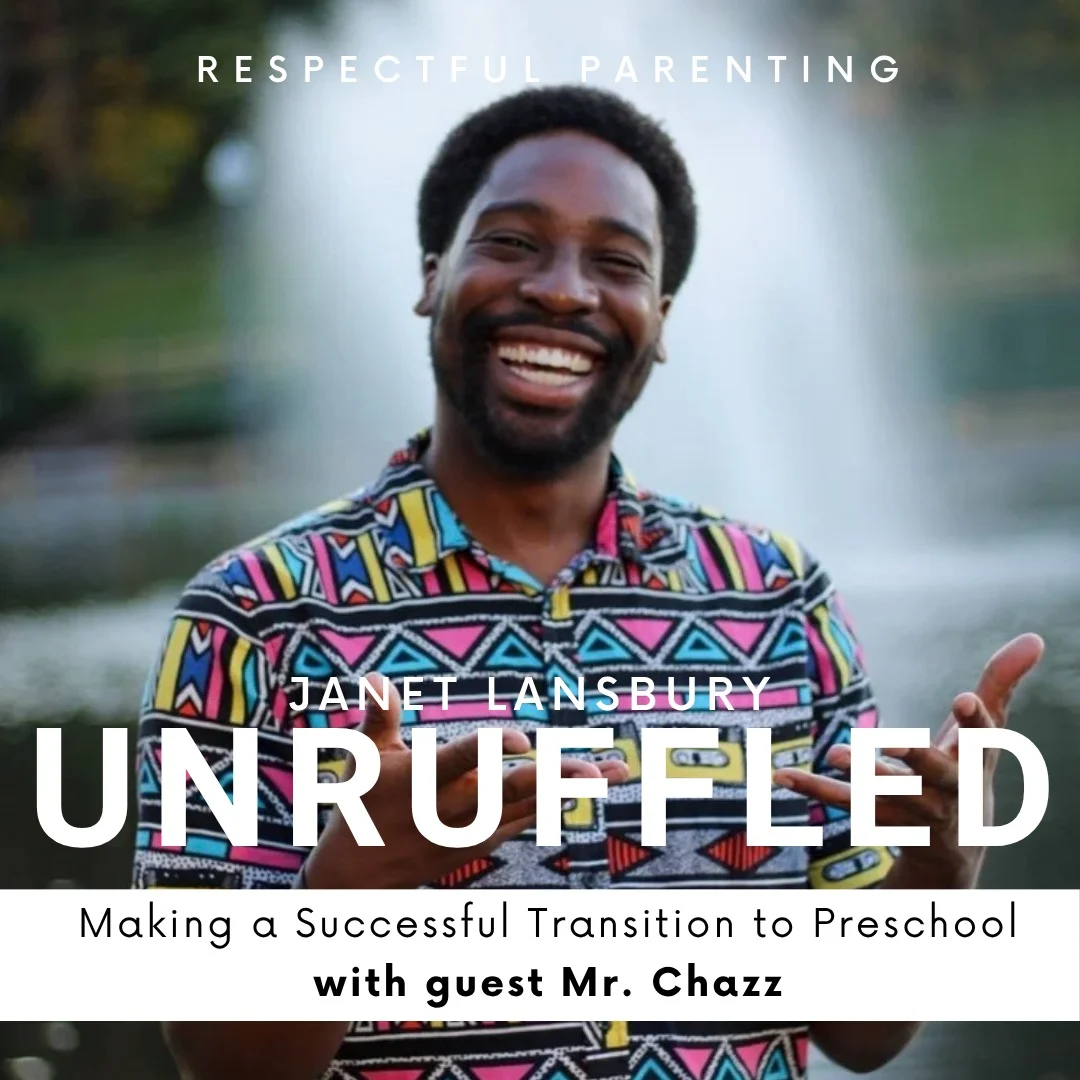
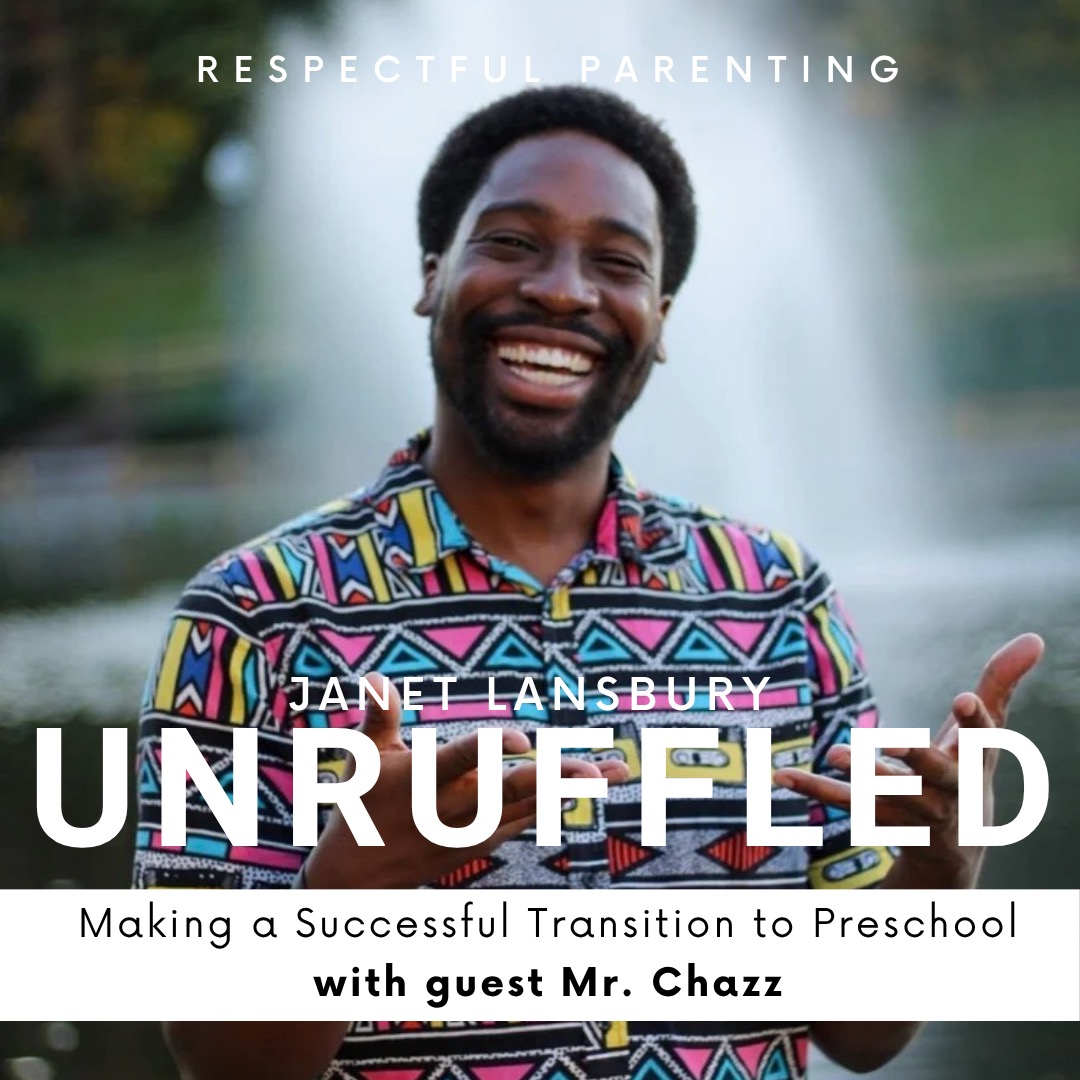
Iconic educator Mr. Chazz joined Janet Lansbury on her podcast to offer invaluable insights into navigating the often-challenging transition to preschool or childcare. The discussion, held in October 2025, emphasized the critical role of trust and maintaining strong connections between parents, children, and educators to foster confident separations and positive early learning experiences. Mr. Chazz, celebrated as "America’s favorite teacher," shared his expertise, honed through years of experience and a deep understanding of child development, advocating for a paradigm shift in how early childhood programs approach separations and daily routines.
The Philosophy Behind Birdhouse: Prioritizing Educators and Connection
Mr. Chazz, a prominent voice on platforms like TikTok and Instagram, and host of the podcast "Learning Curve with Mr. Chazz," recently launched Birdhouse, an innovative in-home childcare center in Brooklyn. A core tenet of Birdhouse’s philosophy, as explained by Mr. Chazz, is the well-being and professional development of its educators. He highlighted a groundbreaking approach: the head teacher resides upstairs in the facility. This arrangement, he explained, alleviates the financial burden of rent for teachers, freeing them from a state of constant survival. "When teachers feel cared for, they can truly engage their prefrontal lobes and dedicate themselves to nurturing children," Mr. Chazz stated. This directly addresses the pervasive issue of high turnover in the early childhood education sector, often attributed to low pay and demanding working conditions. By investing in their staff’s stability and comfort, Birdhouse aims to cultivate a dedicated and consistent teaching force, which is paramount for young children’s emotional security and development.
The commitment to supporting educators extends beyond financial considerations. Mr. Chazz emphasized that when teachers are not in a "survival state," they are better equipped to provide the consistent, nurturing care that both children and parents require. This philosophy aligns with research indicating that supportive work environments for early childhood educators correlate with higher quality childcare and improved child outcomes. A 2023 report by the National Association for the Education of Young Children (NAEYC) found that states with higher compensation and better working conditions for early educators experienced lower staff turnover rates and higher ratings on quality assessment measures.
Redefining Arrival and Reunion: Fostering a Sense of Belonging
Mr. Chazz articulated a significant shift in terminology and practice at Birdhouse, moving away from the conventional "drop-off" and "pick-up" to "arrival" and "reunion." This linguistic change underscores a fundamental reorientation towards creating a welcoming and connected experience. Instead of the hurried, often emotional "drop-offs" that characterize many traditional childcare settings, Birdhouse cultivates a more integrated and intentional arrival process.
"We wanted to honor that moment of separation from the parent, but also the connection that they’re arriving to in their school family at Birdhouse," Mr. Chazz explained. The arrival time is designed to be a period of connection, where parents can engage with their children, assist with routines like handwashing, and gradually integrate into the classroom environment. This approach, while requiring more time than a perfunctory drop-off, aims to build a foundation of safety and connection, enabling children to transition more smoothly into learning and play.
The visual routine cards introduced at Birdhouse serve as a crucial tool in this process. These cards, presented in a left-to-right sequence, guide both children and parents through the steps of arrival, from initial greetings and connection moments to putting away belongings, removing shoes, and handwashing. This visual aid empowers children by providing predictability and agency in their new environment. As Mr. Chazz noted, "Kids look for that too. Introducing it, I point to each thing… And then after about a week or so, they’re coming in and we automatically greet each other and then kind of pointing, ‘Oh, look, what’s next?’" This gradual independence fostered by the visual routine not only reduces friction but also instills a sense of accomplishment in the child.
Addressing the Realities of Traditional Childcare Settings
While Birdhouse represents an ideal environment, Mr. Chazz acknowledged the widespread challenges in traditional childcare centers. He candidly stated that "99% of childcare centers, the way they do the transition is not ideal," often prioritizing adult convenience over the best interests of children, teachers, or families. This observation resonates with many parents who have experienced the stress of quick drop-offs and the ensuing anxieties of separation.
For parents navigating these more traditional settings, Mr. Chazz offered practical strategies. He suggested creating a personalized "visual routine card" for home use, mirroring the concept implemented at Birdhouse. This can help children visualize the steps involved in arriving at school, making the process more predictable and less daunting. Additionally, he recommended proactive preparation through role-playing the arrival and departure routines at home. This playful rehearsal allows children to practice transitions in a safe, familiar context, building confidence and reducing potential friction on the actual school day. "It’s kind of like the practice before the game," he analogized. "It’s going to be harder to execute the play if it’s my first time ever seeing the play or hearing the play."
Furthermore, Mr. Chazz stressed the importance of open communication between parents and educators. He advocated for parents to provide detailed information about their child’s preferences, routines, and any potential challenges, particularly regarding nap times or specific comfort objects. This detailed sharing, he explained, aids teachers in quickly building rapport and understanding each child’s unique needs. "For me, there’s never too much detail," he emphasized. "If a parent sends me just a long list of things about their kids, I appreciate it." This collaborative approach ensures that educators have the necessary insights to support children effectively, especially during the initial adjustment period, which can take up to a month for teachers to fully attune to a new group of children.
Navigating Emotional Separations: The Power of Connection and Co-Regulation
The conversation delved deeply into the emotional landscape of separation. Mr. Chazz acknowledged that even with the most supportive environments, children may still experience distress when parting from their parents. However, he differentiated between a child crying and a child feeling safe and connected to their caregivers. At Birdhouse, when a child cries, they are encouraged to seek comfort from the "safekeepers" (educators), who are equipped to help them process these big emotions. This is facilitated by the pre-established connections built during the arrival and preparatory phases.
A poignant anecdote shared by Mr. Chazz illustrated the profound impact of educator attunement during a particularly difficult separation. A child, inconsolable and missing his mother, cried throughout circle time. Instead of ignoring the distress, the educators acknowledged the child’s feelings, inviting the other children to "take a deep breath for so-and-so." This collective act of empathy and co-regulation not only supported the distressed child but also provided a valuable learning experience for the entire group, teaching them how to navigate strong emotions. This approach aligns with developmental psychology principles that emphasize the contagious nature of emotions and the importance of modeling emotional regulation for young children.
Mr. Chazz also addressed the potential anxieties of parents, who may feel judged or inadequate if their child cries. He encouraged parents to release these self-critical thoughts, recognizing that a child’s distress is not a reflection of parental failure but a natural expression of love and attachment. "It’s not a weakness in them, it’s a strength," he asserted, referring to a child’s deep love for their parents. This perspective shift helps parents embrace their child’s emotions as an opportunity for connection and healing, rather than a source of shame.
The Enduring Value of Direct Classroom Engagement
Mr. Chazz reaffirmed his commitment to hands-on teaching, choosing to remain actively involved in the classroom at Birdhouse rather than focusing solely on speaking engagements. He described this choice as a commitment to "a mile deep" rather than "a mile wide" approach, prioritizing the profound rewards of directly nurturing children and supporting families. "There’s absolutely nothing more rewarding than being with my kids day in and day out and supporting them and practicing my skills and supporting the parents and teaching the parents," he stated passionately. This dedication underscores the belief that the most impactful work in early childhood education occurs through consistent, present, and emotionally engaged interactions.
Janet Lansbury echoed this sentiment, expressing her own deep appreciation for the learning and growth that comes from direct engagement with children. She highlighted the continuous learning process inherent in early childhood education, where children teach invaluable life lessons. This shared passion for the transformative power of teaching and learning in the early years formed a strong conclusion to their discussion, reinforcing the critical role of dedicated educators in fostering successful transitions and lifelong learning.
