

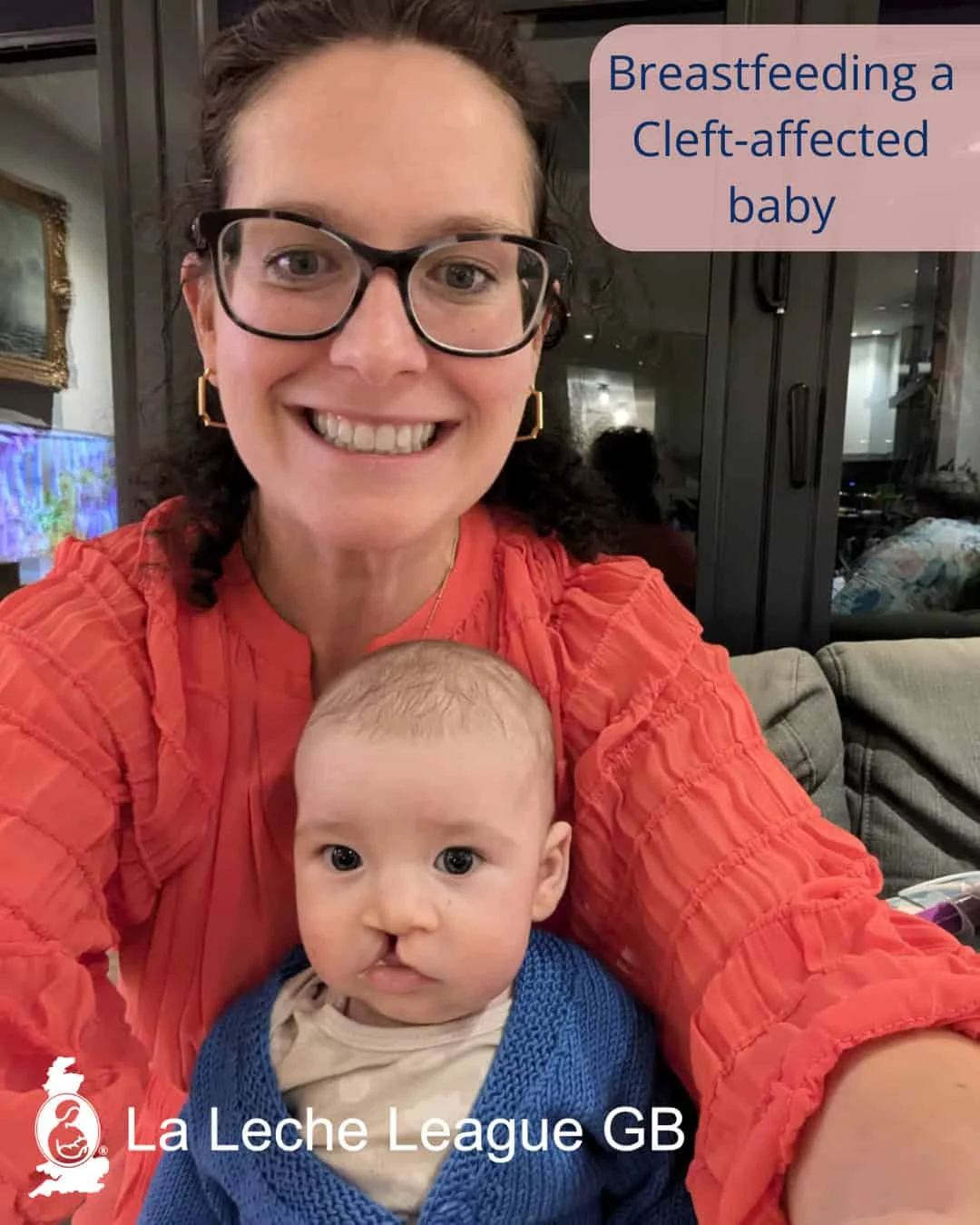
Understanding Cleft Lip and Palate: A Comprehensive Overview
A cleft lip or palate is a common congenital condition occurring when the facial structures that form a baby’s upper lip or the roof of the mouth (palate) do not fully fuse during early fetal development. This developmental anomaly affects approximately 1 in 700 babies globally, though prevalence can vary by geography and ethnicity. The condition can manifest as a cleft lip, a cleft palate, or a combination of both, presenting unique challenges, particularly in the realm of infant feeding. While a cleft lip might allow for adaptations in breastfeeding, a cleft palate significantly impairs a baby’s ability to generate the crucial suction pressure needed to effectively extract milk from the breast, necessitating specialized feeding strategies until surgical repair.
The Developmental Context and Diagnosis
Cleft formation typically occurs between the fourth and ninth weeks of pregnancy. The exact causes are often multifactorial, involving a complex interplay of genetic predispositions and environmental factors. These can include certain medications taken during pregnancy, maternal illnesses, nutritional deficiencies, and exposure to specific toxins. Advances in prenatal diagnostics, particularly detailed ultrasound scans, can often detect cleft lip as early as 18-20 weeks gestation, allowing prospective parents and medical teams to prepare for the baby’s arrival. A cleft palate, being internal, is sometimes harder to detect prenatally and may only be diagnosed at birth.
Upon diagnosis, families are typically introduced to a multidisciplinary cleft care team. This team often includes plastic surgeons, ENT specialists, speech and language therapists, orthodontists, geneticists, pediatricians, and crucially, specialist nurses and lactation consultants. Early engagement with this team is vital for planning and preparing for the infant’s feeding journey, surgical interventions, and long-term care. Knowing in advance that a baby is cleft-affected empowers parents to research, plan, and gather the necessary support and resources, setting the stage for a more informed and proactive approach to feeding.
The Initial Feeding Challenge: A Test of Perseverance

For parents learning their baby has a cleft, uncertainty surrounding breastfeeding is common. While challenging, breastfeeding remains a viable and highly beneficial option, albeit one that demands significant perseverance, adaptation, and extensive support. The immediate post-natal period is critical for establishing feeding patterns and ensuring adequate nutrition.
Babies with a cleft lip often adapt to breastfeeding with modified techniques, as the integrity of the palate, essential for suction, might remain intact. However, a baby born with a cleft palate faces a more profound obstacle. The opening in the roof of the mouth prevents the creation of a vacuum necessary for sucking, meaning they cannot effectively draw milk from the breast. Consequently, these infants often require alternative feeding methods until surgical repair can address the anatomical defect. The benefits of human milk—rich in antibodies, enzymes, and growth factors—are especially crucial for these vulnerable infants, providing enhanced immune protection against infections and aiding in post-surgical healing. Therefore, maintaining the mother’s milk supply becomes a paramount priority from day one.
Strategies for Sustaining Milk Production
Establishing and maintaining a robust milk supply is the foundational step, regardless of whether the baby can feed directly at the breast. This proactive approach ensures a continuous supply of vital human milk and keeps the door open for direct breastfeeding (or increased direct breastfeeding) once the baby’s capabilities improve, particularly after surgery.
Key Principles for Milk Production:
- Early Initiation: Ideally, mothers should begin expressing or attempting to breastfeed within the first few hours after birth. This early stimulation signals the body to initiate milk production effectively.
- Supply and Demand: The principle governing milk supply is simple: the more milk removed from the breast, the more milk the body will produce. In the initial weeks, the breasts are "learning" how much milk the baby needs.
- Frequent Removal: To establish a full milk supply, most mothers need to breastfeed or express at least 8-12 times within a 24-hour period during the first month. Regular milk removal prevents breasts from becoming overly full, which can signal the body to slow production. Consistency in frequency is often more critical than the duration of each session.
- Efficient Tools: For mothers who need to express all or most of their milk, a double electric "hospital-grade" breast pump is typically the most efficient tool. These pumps are designed for maximum milk removal and can be borrowed from hospitals or rented. Some mothers find success with smaller pumps or hand expression, but the hospital-grade option is often recommended for establishing supply. Specialist cleft nurses can often assist in arranging access to these pumps.
Bringing in a full milk supply for a baby who cannot breastfeed efficiently or at all is undeniably demanding work. It requires immense dedication and can be physically and emotionally taxing. Practical support from family, friends, and healthcare providers is invaluable, allowing the mother to focus on her baby and milk production. While the initial weeks are the most challenging, many mothers find that they can gradually reduce expression frequency later on while maintaining the same milk volume.
Feeding in the Early Days: Bridging the Gap

In the immediate days following birth, newborns consume small amounts of colostrum, followed by increasing volumes of mature milk. If a cleft-affected baby cannot take sufficient milk directly from the breast, various methods can be employed to deliver expressed human milk, donor milk, or formula.
- Syringe or Teaspoon Feeding: In the very first day or two, when milk volumes are small, a syringe or a small spoon can be used for precise, controlled feeding. However, as milk production increases, these methods quickly become impractical due to the baby’s growing nutritional needs.
- Specialized Bottles and Teats: The market offers bottles and teats specifically designed for cleft-affected babies. These often feature softer materials, longer teats, or one-way valves that allow milk to flow more easily without requiring strong suction. The cleft specialist nurse is the best resource for advising on the most suitable type for an individual baby’s specific cleft presentation.
- Cup Feeding: For some babies, a small, soft cup can be used to offer milk. This method allows the baby to lap the milk rather than suck, circumventing the suction issue.
Harnessing the Power of Nursing Supplementers
A particularly effective method for maintaining both milk supply and the breastfeeding bond is the use of a nursing supplementer, also known as a supplemental nursing system (SNS) or lactation aid. These devices enable a baby to latch onto the breast while simultaneously receiving extra milk through a thin tube positioned alongside the nipple.
Benefits of At-the-Breast Supplementation:
- Maintains Breastfeeding Mechanics: It allows the baby to practice latching and sucking motions at the breast, reinforcing the natural breastfeeding reflex.
- Stimulates Milk Supply: The baby’s presence at the breast and mouth movements provide stimulation that helps maintain and potentially increase the mother’s milk supply.
- Promotes Bonding: Facilitates vital skin-to-skin contact, fostering emotional connection and regulating the baby’s temperature and heart rate.
- Psychological Benefits: For mothers, it can be profoundly validating to "breastfeed" their baby, even with assistance, offering a sense of normalcy and fulfillment amidst the challenges.
Nursing supplementers are less common than bottles but offer a unique bridge for babies unable to meet all their nutritional needs directly from the breast. It’s important to note that using a supplementer does not preclude the use of bottles; combining methods can often make an intense pumping and feeding schedule more manageable for parents.
Types of Nursing Supplementers:
- Bag or Bottle Systems: These typically involve a bag or bottle filled with milk, connected to a thin tube that is taped to the mother’s breast, ending at the nipple.
- Syringe-Based Systems: For greater control over milk flow, a syringe can be attached to the tube. This allows the parent to gently push milk into the baby’s mouth as they suckle at the breast.
Practical Tips for Using a Nursing Supplementer with a Syringe:

- Preparation: Fill the syringe with expressed milk.
- Tube Placement: Position the end of the supplementer tube so it is level with the end of the nipple, ensuring it’s not too far into the baby’s mouth, which could trigger gagging.
- Latching: Help the baby latch deeply onto the breast, encompassing the nipple and a good portion of the areola.
- Milk Delivery: As the baby sucks, gently depress the syringe plunger to deliver milk. Observe the baby’s cues for swallowing and breathing, adjusting the flow rate as needed.
- Comfort and Support: Ensure both mother and baby are in a comfortable, well-supported position.
Using a supplementer, especially with a syringe, can initially be intricate, demanding coordination and practice. However, many parents describe finding their "groove" after a few weeks, making the process smoother and immensely rewarding. The perseverance pays off in the ability to feed at the breast and ensure the baby receives human milk. Support from a breastfeeding specialist experienced in supplementer use is highly recommended to navigate the initial learning curve and optimize technique.
Optimizing Feeding Positions for Cleft-Affected Babies
Finding a comfortable and effective feeding position is crucial, as traditional breastfeeding positions may require adaptation for cleft-affected infants. The "right" position is ultimately whatever works best for the individual mother and baby, but certain principles can guide the process:
- Upright Position: Holding the baby in a more upright position can help gravity assist milk flow and reduce the likelihood of milk entering the nasal cavity, which can happen with a cleft palate.
- Head Support: Ensure the baby’s head and neck are well-supported, allowing them to control the milk flow and swallow effectively.
- Cradle Hold Variations: While a traditional cradle hold can work for some, variations like the "football hold" or "cross-cradle hold" might offer better control over the baby’s head and allow the mother to support the breast more effectively.
- Breast Compression: Gentle breast compression can help deliver more milk to the baby, reducing the need for strong suction.
- Addressing the Cleft: For a cleft lip, positioning the baby so the breast tissue fills the cleft can help create a better seal. For a cleft palate, aiming the nipple towards the intact portion of the palate, if possible, might improve comfort and milk transfer.
Experimentation and patience are key to discovering positions that maximize comfort and feeding efficiency for both parent and child. La Leche League Leaders and lactation consultants can provide personalized guidance and demonstrate various techniques.
The Role of Surgical Intervention and Post-Operative Feeding
For babies with a cleft palate, surgery is typically necessary to repair the structural defect and enable normal feeding and speech development. Cleft lip repair usually occurs around 3-6 months of age, while palate repair is generally performed between 6-12 months.
If a mother plans to breastfeed directly after surgery, it is highly beneficial to maintain some level of direct feeding at the breast (even with supplementation) leading up to the procedure. This helps the baby "remember" the latching sensation and associate the breast with nourishment. Post-surgery, babies may initially struggle with direct breastfeeding for several weeks as they recover, build strength, and adjust to their new oral anatomy. During this recovery period, mothers are strongly advised to continue expressing milk frequently to maintain their supply, as human milk is instrumental in promoting healing and reducing post-operative complications. The immune components and anti-inflammatory properties of breast milk are particularly valuable during this critical healing phase.

The Multidisciplinary Support System: A Cornerstone of Success
The journey of breastfeeding a cleft-affected baby is rarely undertaken alone. The expertise and compassion of a dedicated support network are paramount.
- Cleft Specialist Nurses: These nurses are often the primary point of contact for families, offering invaluable guidance on feeding techniques, specialized equipment, and emotional support.
- Lactation Consultants/La Leche League Leaders: Certified lactation consultants and LLL Leaders possess deep knowledge of breastfeeding mechanics and can provide tailored strategies, troubleshoot issues, and offer ongoing encouragement. Their expertise in areas like nursing supplementers and advanced positioning is critical.
- Peer Support Groups: Connecting with other parents who have navigated similar challenges can be incredibly empowering. Sharing experiences, tips, and emotional burdens fosters a sense of community and reduces feelings of isolation. Organizations like the Cleft Lip and Palate Association (CLAPA) in the UK provide extensive resources and peer support networks.
Parental Perspectives and the Power of Resilience
The stories of mothers who successfully breastfeed their cleft-affected babies often highlight themes of immense dedication, emotional resilience, and the profound bond forged through the feeding journey. Parents frequently describe the initial shock and worry, followed by a fierce determination to provide the best for their child. The physical act of nursing, even with adaptations, becomes a deeply fulfilling experience, symbolizing love, perseverance, and overcoming adversity. As one mother eloquently put it, despite the challenges of using a nursing supplementer, "I was already breastfeeding," emphasizing the emotional and physical connection that transcends the mechanics of milk transfer. The joy derived from these successful moments often outweighs the initial difficulties, reinforcing the value of continued effort and support.
Broader Implications and Long-Term Benefits
The commitment to breastfeeding a cleft-affected baby extends beyond immediate nutritional needs, offering significant long-term health and developmental advantages.
- Reduced Infections: Cleft-affected infants are often at higher risk for ear infections (otitis media) due to structural differences. Breast milk, with its powerful antimicrobial properties, significantly reduces this risk.
- Improved Oral Development: While the cleft itself impacts oral structures, the sucking action, even assisted, can contribute to the development of oral motor skills crucial for speech and future feeding.
- Enhanced Healing: The growth factors and anti-inflammatory components in human milk are vital for optimal tissue repair, particularly after surgical interventions.
- Psychological Well-being: For both mother and baby, the intimacy of breastfeeding promotes secure attachment and can significantly reduce parental stress, fostering a positive emotional environment.
- Speech Development: While surgical repair is the primary intervention for speech, the early oral stimulation from feeding can play a supportive role in preparing the oral musculature.
In conclusion, breastfeeding a baby born with a cleft lip or palate is a journey marked by unique challenges but also immense potential for success and profound rewards. It necessitates early diagnosis, comprehensive multidisciplinary support, diligent milk supply management, adaptive feeding techniques, and unwavering parental dedication. With the right resources and a strong support network, families can navigate this complex path, ensuring their cleft-affected baby receives the unparalleled benefits of human milk and the invaluable bond of breastfeeding. The ongoing commitment to research, improved care protocols, and accessible support systems continues to empower more families to achieve their breastfeeding goals, transforming what was once seen as an insurmountable obstacle into a testament to love and perseverance.
