

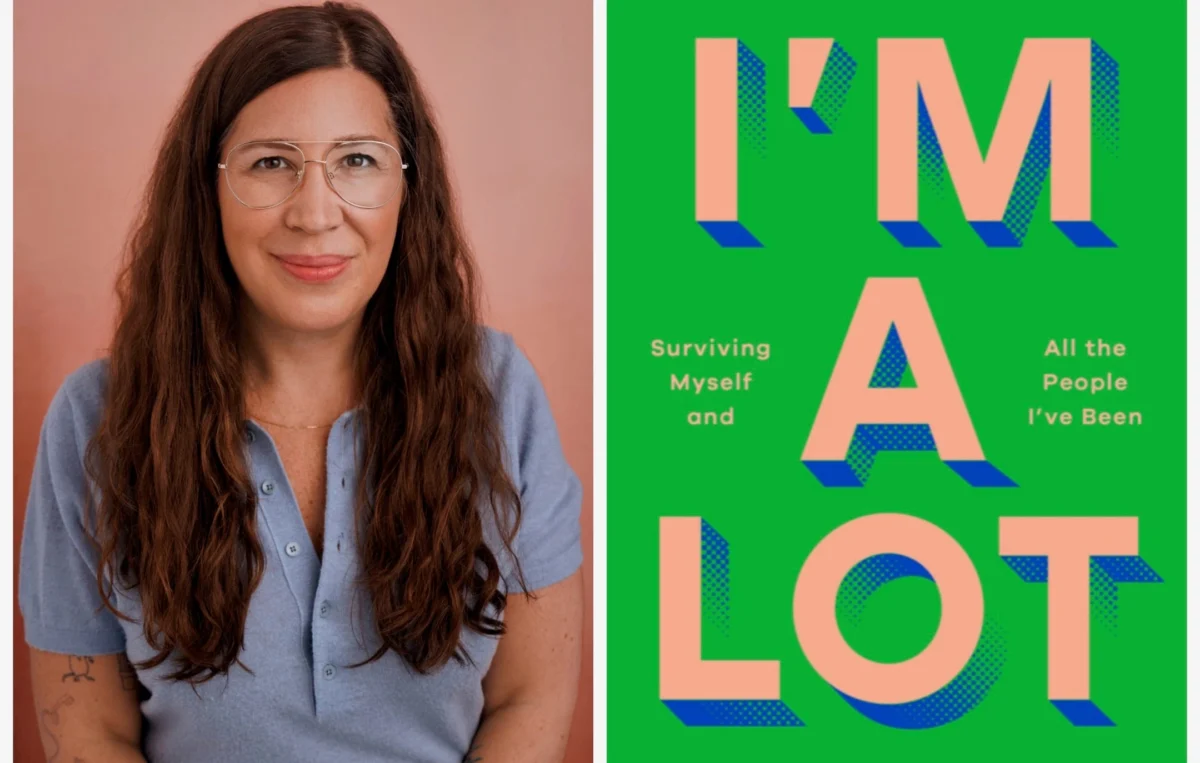
The publication of Alison Leiby’s new essay collection, I’m a Lot, marks a significant contribution to the contemporary discourse surrounding American family structures, specifically the "only child" dynamic. Leiby, a veteran writer and producer known for her work on critically acclaimed series such as The Marvelous Mrs. Maisel and Life & Beth, utilizes her personal history to deconstruct long-standing stereotypes regarding single-child households. Her work arrives at a time when demographic shifts in the United States indicate a steady rise in one-child families, driven by economic pressures, shifting social norms, and the rising age of first-time parents.
Through a series of anecdotal reflections, Leiby provides an analytical look at the unconventional yet functional strategies her parents employed, such as taking separate vacations to accommodate differing personal interests. This arrangement, which Leiby describes as ideal rather than indicative of marital strife, highlights a recurring theme in her writing: the flexibility and adult-centric nature of the only-child household. By examining her upbringing against the backdrop of 1990s media and modern social tropes, Leiby offers a nuanced perspective on the independence, social development, and future anxieties unique to those without siblings.
The Evolution of the American Family and the Rise of the Only Child
To understand the context of Leiby’s reflections, one must look at the broader demographic trends affecting family size in the Western world. According to data from the Pew Research Center and the U.S. Census Bureau, the percentage of mothers at the end of their childbearing years who have only one child has doubled since the 1970s. In 1976, approximately 11% of women aged 40 to 44 had one child; by the mid-2010s, that figure had risen to 22%.
Several factors contribute to this "one-and-done" trend. Economic considerations, including the rising cost of childcare and higher education, play a primary role. Furthermore, the increased participation of women in the workforce and the subsequent delay of childbirth have narrowed the window for biological reproduction. Leiby’s narrative suggests that while society often views the only child through a lens of "spoiled" indulgence, the reality is often a pragmatic response to the logistical and emotional capacities of the parents.
In her collection, Leiby notes that her family never adhered to the "normal" standards often depicted in mid-to-late 20th-century media. Her parents’ decision to take separate vacations—her father to the mountains for skiing and her mother to the beach—allowed Leiby to experience two distinct worlds. This "dual-immersion" in her parents’ individual lives fostered an early sense of adaptability and a comfort with adult environments that many children in multi-sibling households do not experience until much later in life.
Media Representation and the TGIF Era Chronology
Leiby’s upbringing coincided with the "TGIF" era of ABC programming, a dominant cultural force in the late 1980s and 1990s. Shows like Full House, Family Matters, and Step by Step defined the "American family" as a chaotic, multi-child unit. Leiby observes that these programs rarely reflected her own reality. The sitcom formula relied heavily on sibling rivalry and the logistical hurdles of managing large groups, leaving little room for the quiet, adult-oriented atmosphere of a single-child home.

The chronology of family representation on television illustrates a slow shift in perception:
- The 1950s-1970s: The "Nuclear Family" era (e.g., Leave It to Beaver, The Brady Bunch) emphasized large, structured families as the moral and social ideal.
- The 1980s-1990s: The "Chaotic Sibling" era (e.g., Roseanne, Home Improvement) focused on the friction between brothers and sisters as a primary source of comedy.
- The 2000s-Present: The "Diverse Dynamics" era has begun to include more varied structures, though the "only child" remains a relatively under-explored archetype in scripted television, often relegated to the trope of the "lonely" or "socially awkward" child.
Leiby argues that the lack of representation created a sense of "otherness." She describes her childhood home not as a place of loneliness, but as a space where she was treated more as a peer than a subordinate. This "peer-like" status often results in only children developing advanced verbal skills and a comfort level with authority figures, such as teachers, which Leiby notes was a hallmark of her own school years.
Debunking Only Child Syndrome: Psychological and Social Data
For over a century, the concept of "Only Child Syndrome" has persisted in the public consciousness. Coined by psychologist G. Stanley Hall in the late 1890s, the term suggested that being an only child was "a disease in itself," leading to selfishness, maladjustment, and social incompetence. However, modern psychological research has largely debunked these claims.
A meta-analysis of over 200 studies conducted by social psychologist Toni Falbo found that only children do not differ significantly from children with siblings in terms of personality traits such as sociability, emotional stability, or maturity. In fact, the data suggested that only children often score higher on measures of achievement motivation and self-esteem.
Leiby’s essays lean into these findings by addressing the "conflict" myth. She admits to a lack of experience in traditional sibling rivalry, which she jokingly attributes to her "pacifist" stuffed animals. However, she reframes this lack of domestic friction as a precursor to her professional success. The ability to decompress in silence—a luxury she describes as "lying on the bed in silence like a 44-year-old"—allowed for a level of introspection and creative development that informed her later career as a writer and producer.
The Caregiving Crisis: Implications for the Solo Adult Child
While Leiby’s reflections on childhood are largely positive, she addresses a sobering reality facing the current generation of only children: the burden of sole caregiving for aging parents. This is a burgeoning social issue as the "Baby Boomer" generation enters its 70s and 80s.
Statistics from the National Alliance for Caregiving indicate that approximately 20% of the U.S. population provides unpaid care to an adult with health or functional needs. For only children, there is no "sharing of the load." They are responsible for medical decisions, financial management, and emotional support without the buffer of a sibling.
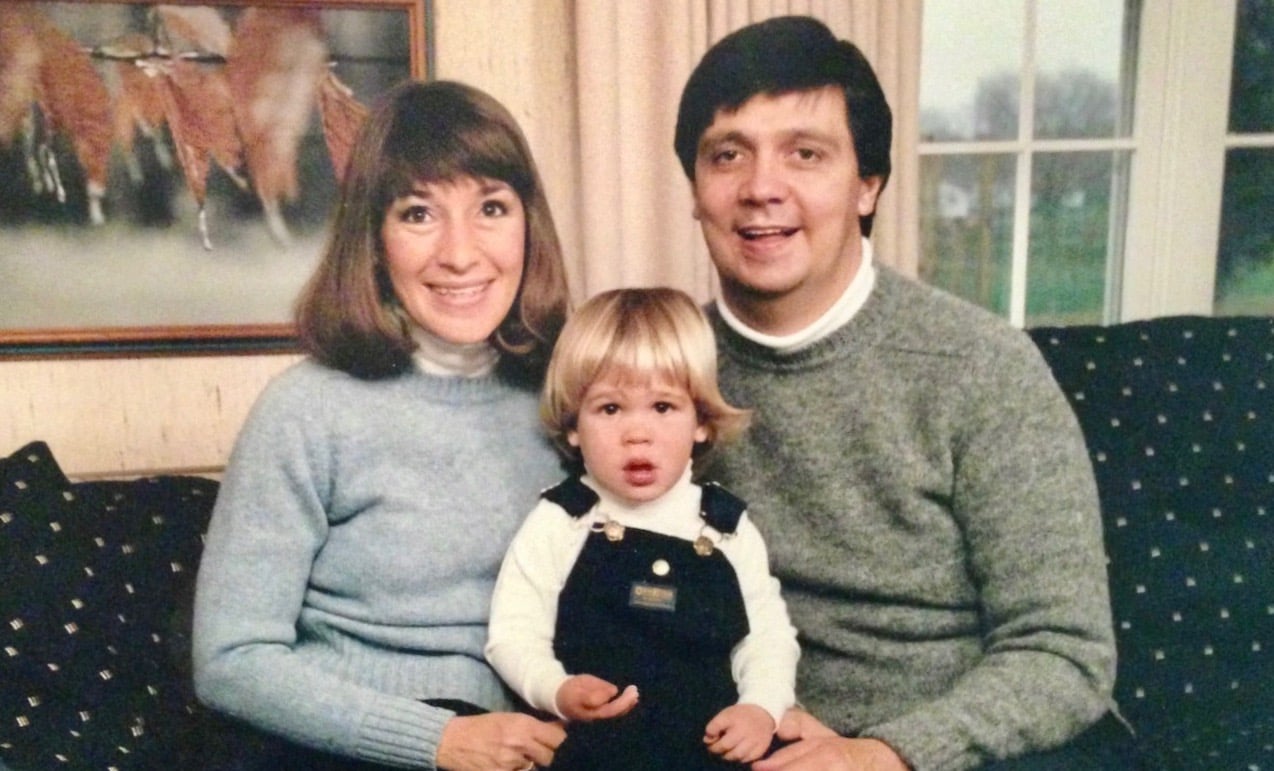
Leiby expresses this "unbelievable fear" regarding the future, noting that while she would not trade her upbringing, the prospect of navigating her parents’ decline alone is a daunting one. This sentiment resonates with a growing segment of the population. Sociologists refer to this as the "Sandwich Generation" pressure, but for the only child, it is a "Solo Sandwich," where the individual is the only point of support for two aging adults.
The Aruba Tradition: A Model for Modern Family Connectivity
In the final sections of her excerpt, Leiby describes her family’s current tradition: an annual trip to Aruba. This trip serves as a replacement for traditional gift-giving, prioritizing shared experiences over material goods. This shift toward "experience-based" family time is a trend noted by travel industry analysts, who see a rise in multi-generational travel among smaller family units.
The Aruba trip, as Leiby describes it, is a "tropical version" of her childhood home life. It is characterized by autonomy—each family member reading their own book in the sun—rather than forced communal activity. This "parallel play" for adults highlights the unique bond of the three-person family unit, where the absence of sibling dynamics allows for a more relaxed, peer-based relationship between parents and their adult child.
Broader Impact and Critical Analysis
Alison Leiby’s I’m a Lot serves as more than a memoir; it is a cultural artifact that validates a family structure that has long been stigmatized. By blending humor with raw honesty about the future, Leiby provides a roadmap for understanding the only-child experience in the 21st century.
The implications of her work are twofold. First, it challenges the "selfish" trope by showing that only children are often more attuned to adult needs and complexities from a young age. Second, it highlights the need for better social support systems for adult only children who will eventually face the caregiving crisis alone.
As family sizes continue to shrink globally, the "only child" narrative will likely move from the periphery to the center of cultural storytelling. Leiby’s perspective suggests that while the "only" life is different, it is not deficient. It is a life characterized by a unique form of independence, a deep—if sometimes daunting—closeness with parents, and a self-sufficiency that is increasingly necessary in a rapidly changing world.
In conclusion, I’m a Lot offers a timely and necessary exploration of the "one-child" family. Through Leiby’s lens, we see that the absence of siblings does not result in a lack of community, but rather a different, often more concentrated, form of connection. Her work encourages a broader societal acceptance of diverse family paths, emphasizing that the "normal" family is whichever one functions with love, respect, and the occasional separate vacation.
