


The journey of infant feeding, particularly the transition from supplemental milk sources to direct breastfeeding, presents a multifaceted challenge for many new parents. While the ideal of exclusive breastfeeding is widely promoted, a significant number of infants require additional milk—often termed "supplements" or "top-ups"—beyond what they can initially obtain directly at the breast. This necessity arises from various factors, including prematurity, difficulties with latch or milk transfer, maternal health issues affecting milk supply, or a combination of these complexities. Navigating this path safely and effectively requires a strategic approach, close collaboration with healthcare professionals, and robust support systems.
Understanding the Initial Need for Supplementation
The introduction of supplements, whether expressed maternal milk, donor human milk, or infant formula, is often a critical intervention to ensure a newborn’s healthy growth and development, particularly in the early weeks of life. Data from national health surveys frequently highlight that while breastfeeding initiation rates are high, the rates of exclusive breastfeeding decline significantly in the first few months. This often correlates with the introduction of supplements due to perceived or actual low milk supply, infant weight loss, or parental concerns about adequate intake.
Infants may require supplementation for several primary reasons. Premature babies or those with specific medical conditions might lack the stamina or coordination to feed effectively at the breast, necessitating alternative feeding methods to ensure caloric intake. Similarly, mothers experiencing a delay in lactogenesis II (the onset of copious milk production), or those with underlying physiological issues impacting supply, may find their babies not receiving sufficient milk directly. Latch difficulties, where a baby struggles to effectively transfer milk from the breast, can also lead to inadequate intake, making supplements a temporary necessity. In these situations, the immediate priority for healthcare providers is to ensure the baby’s nutritional needs are met, thereby providing the energy required for growth and, crucially, for more effective feeding at the breast in the future.
Laying the Foundations: Prioritizing Growth and Milk Production
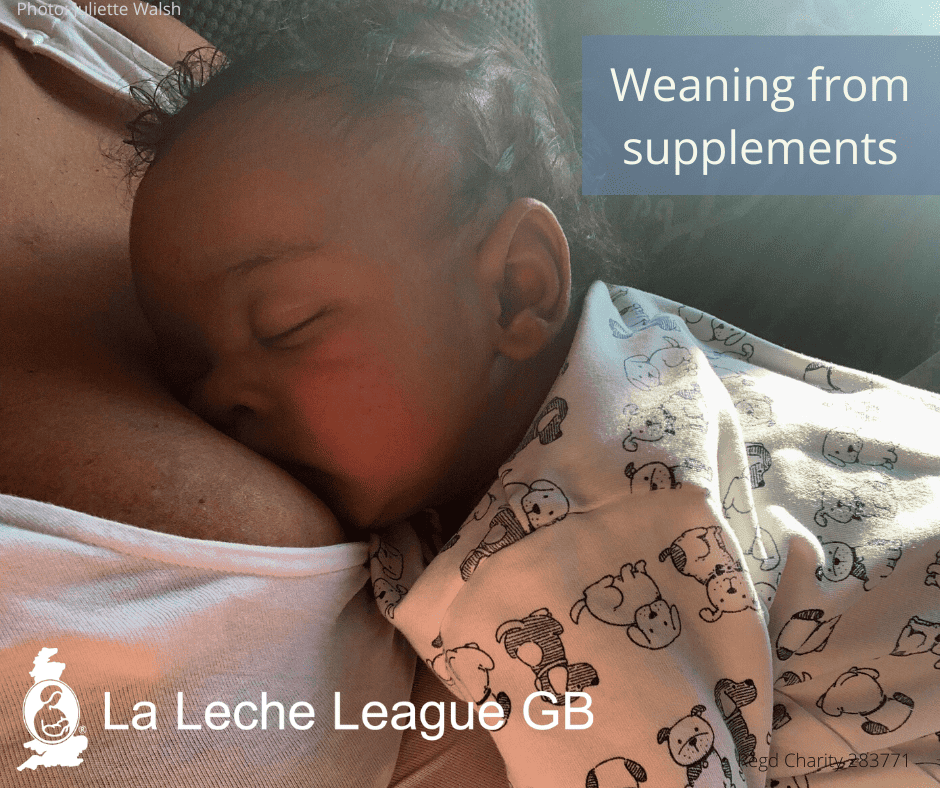
Before any attempt to reduce supplements can be safely initiated, a baby’s consistent growth and overall health must be firmly established. Healthcare professionals, including pediatricians, midwives, and health visitors, emphasize that well-fed babies possess the energy and strength necessary for effective breastfeeding. This foundational period involves meticulous monitoring of infant weight and development, typically through more frequent weigh-ins than the standard schedule. Weekly weigh-ins are often recommended during this phase, gradually reducing to fortnightly and then monthly as progress is made and stability is achieved.
Concurrently, a paramount focus is placed on maximizing the mother’s milk production. For parents whose babies are receiving donor milk or formula, and whose goal is to transition to a higher proportion of their own milk, increasing maternal supply becomes the most urgent task. Research into lactation physiology indicates that the capacity for milk production is largely established within the first two to four weeks postpartum, with the most significant increases occurring in the initial two weeks. While it is possible to increase milk supply later, it generally becomes more challenging as the body adapts to the existing demand. Therefore, early and consistent milk removal—through frequent direct breastfeeding, effective pumping, or a combination—is crucial.
The concept of "supply and demand" is central here: the more frequently and effectively milk is removed from the breasts, the more milk the body is signaled to produce. However, this is not merely about "breastfeeding more often" if the baby is not effectively transferring milk. In such cases, direct breastfeeding must be complemented by pumping or hand expression to ensure adequate stimulation and drainage of the breasts. This dual approach ensures that the mother’s milk supply is being built up independently of the baby’s current feeding efficiency. Signs of increasing milk production include fuller breasts, noticeable milk let-down, and an increase in expressed milk volume.
Defining the Feeding Goal and Securing Professional Support
The decision to reduce supplements and transition to more direct breastfeeding is deeply personal and should be guided by a clearly defined feeding goal. For some parents, the aspiration is exclusive breastfeeding; for others, it might be a balanced combination of direct breastfeeding and supplements, or feeding exclusively with their own expressed milk. Regardless of the specific goal, the process necessitates tailored guidance from experienced breastfeeding supporters, such as La Leche League Leaders, International Board Certified Lactation Consultants (IBCLCs), or specialized NHS Infant Feeding Teams. These professionals can help families develop a safe and individualized plan that considers the unique circumstances of both mother and baby.
Crucially, ongoing monitoring of the baby’s growth is non-negotiable during this transitional phase. The regular weighing schedule, as mentioned, becomes an indispensable tool for evaluating the effectiveness of reduced supplementation. Public health guidelines typically outline routine weighing at specific postnatal intervals, but these schedules are often insufficient for monitoring a baby undergoing significant feeding changes. Weekly weighing provides more timely feedback, allowing for prompt adjustments to the feeding plan if a baby’s growth falters, thus safeguarding infant health and the mother’s milk supply.

The Gradual Process of Transitioning to the Breast
Once milk production is optimized and the baby is growing well, the focus shifts to facilitating the baby’s transition to direct breastfeeding. This phase is characterized by gradual adjustments and continuous observation. Experts emphasize that successful weaning from supplements is not a sudden leap but a careful, step-by-step progression.
One key strategy involves maximizing opportunities for direct breastfeeding. This often means offering the breast frequently, even if the baby is not taking a full feed, to encourage practice and stimulate suckling reflexes. Skin-to-skin contact, also known as "kangaroo care," is highly beneficial during this time. It promotes bonding, helps regulate the baby’s temperature and heart rate, and can naturally encourage rooting and latching behaviors. Many studies have demonstrated the positive impact of skin-to-skin contact on breastfeeding outcomes, particularly for premature infants.
For babies who have become accustomed to bottle feeding, specific techniques like "paced bottle feeding" are vital. Paced feeding allows the baby to control the flow of milk, mimicking the intermittent suck-swallow-breathe pattern of breastfeeding. This prevents overfeeding and helps the baby associate feeding satisfaction with a slower, more controlled intake, rather than the rapid flow often associated with traditional bottle nipples. This method also helps preserve the baby’s instinctual breastfeeding behaviors, making the transition back to the breast smoother.
In some cases, specialized feeding aids may be employed. Supplemental Nursing Systems (SNS) allow a baby to receive milk (either expressed breast milk or formula) via a thin tube taped to the breast while they are actively suckling. This provides immediate gratification and reinforces the positive association of being at the breast, while simultaneously stimulating milk production. These tools, however, require proper instruction and supervision from a breastfeeding specialist to be used effectively and safely.
Monitoring Progress and Addressing Challenges

The success of weaning from supplements is continuously assessed by observing a combination of factors: the baby’s weight gain, the number of wet and dirty diapers, and their overall demeanor and alertness. A consistent pattern of weight gain (typically 20-30 grams per day for newborns) is the most reliable indicator of adequate milk intake. Changes in diaper output can also signal whether a baby is receiving enough milk, with typically 6-8 wet diapers and several dirty diapers per day for a breastfed infant after the first few days of life.
The process is not always linear, and setbacks are common. Babies may have "off" days where they are less interested in breastfeeding or seem to require more supplements. Parents are advised to view these as temporary fluctuations rather than failures. The analogy of "crossing a rickety bridge" is often used: take one step at a time, check for stability, and be prepared to step back if needed. This means temporarily increasing supplements or pumping frequency if the baby’s growth falters or if the mother’s supply seems to dip. Patience and perseverance are key, as is the understanding that the transition timeline can vary significantly from one baby to another. For premature infants, this journey may extend beyond their original due date, reflecting the additional developmental challenges they face.
Emotionally, this period can be taxing for parents. Feelings of anxiety, frustration, and self-doubt are common, particularly if progress seems slow or if initial efforts don’t yield immediate results. The constant vigilance required for monitoring feeding, milk supply, and infant growth can contribute to parental stress. This underscores the importance of a strong support network, including partners, family members, and peer support groups like La Leche League, which provide a safe space for sharing experiences and receiving encouragement.
Broader Implications and Support Systems
The ability to successfully transition from supplemental feeding to direct breastfeeding carries significant implications for infant and maternal health, as well as for public health. For infants, increased direct breastfeeding is associated with a myriad of health benefits, including enhanced immune protection, reduced risk of respiratory and gastrointestinal infections, and optimal neurodevelopment. For mothers, sustained breastfeeding contributes to postpartum recovery, reduced risks of certain cancers, and strengthened maternal-infant bonding.
From a public health perspective, supporting these transitions can contribute to higher rates of exclusive breastfeeding, aligning with recommendations from organizations like the World Health Organization and national health bodies. This, in turn, can lead to reduced healthcare costs associated with infant illness and improved long-term health outcomes for the population.

However, the reality is that not all families will achieve exclusive direct breastfeeding, even with the most dedicated efforts. Medical complications, persistent low milk supply, or significant challenges with a baby’s feeding abilities can sometimes make this goal unattainable. In such scenarios, healthcare providers and support groups emphasize the value of "any amount of human milk" and focus on finding a feeding solution that is sustainable, enjoyable, and works best for the individual family. Whether it’s partial breastfeeding, feeding expressed breast milk, or combination feeding, the goal remains to ensure the baby is well-nourished and the parents feel empowered and supported in their choices.
Organisations like La Leche League provide invaluable resources and peer-to-peer support, offering practical advice and emotional encouragement. Their local groups connect parents undergoing similar experiences, fostering a sense of community and shared understanding that can be profoundly comforting during challenging times. Educational materials, such as "Making More Milk" by Lisa Marasco and Diana West, and "Finding Sufficiency" by Diana Cassar-Uhl, offer in-depth guidance for complex lactation issues. These resources, combined with the personalized care from healthcare professionals, form a comprehensive support system designed to help families navigate the intricacies of infant feeding.
In conclusion, the journey of weaning from supplements to direct breastfeeding is a testament to parental dedication and the resilience of both mother and child. It demands patience, consistent effort, and expert guidance. While the path may be challenging and varied for each family, the ultimate objective remains to establish a feeding method that nurtures the baby’s growth and well-being while fostering a positive and enjoyable experience for the entire family. The commitment to supporting families through this complex transition reflects a broader understanding of its profound impact on early childhood development and maternal health.
