

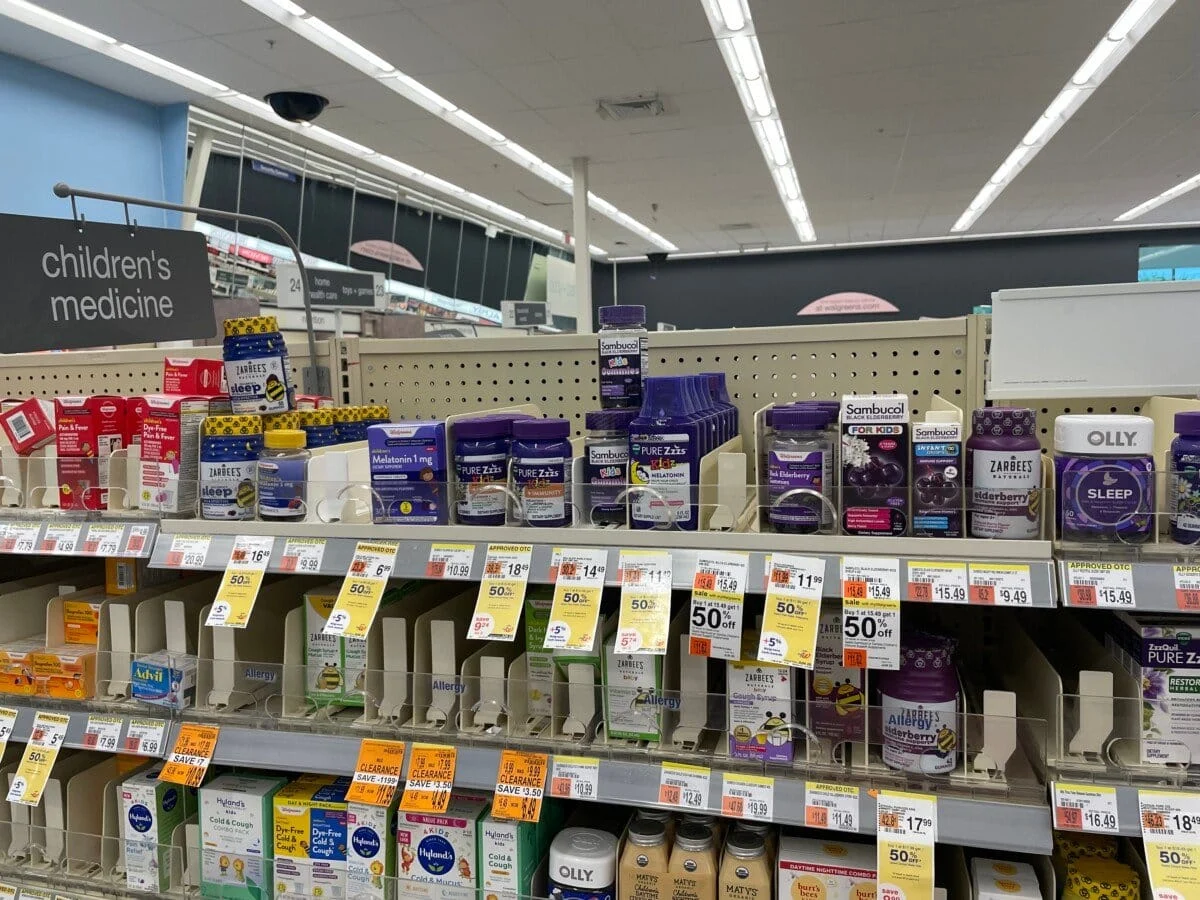
A dramatic surge in pediatric melatonin overdoses, with a staggering 530% increase over the past decade and a particularly sharp acceleration since the onset of the COVID-19 pandemic, is prompting serious concern among medical professionals and public health officials. As a sleep physician and a parent, this trend is deeply worrying, highlighting critical gaps in parental awareness regarding the potential risks associated with administering melatonin to children. The implications of this escalating issue necessitate a comprehensive understanding of its causes, consequences, and the urgent need for improved regulation and education.
Melatonin’s Pervasive Presence in Emergency Rooms
Melatonin has rapidly become a leading cause of emergency room visits for young children, specifically those under the age of five. A significant study examining emergency department visits revealed that approximately 7% of all visits for accidental ingestions were attributed to melatonin in children under five. Alarmingly, about half of these incidents involved the consumption of melatonin gummies, a product often designed to resemble candy. This statistic underscores a fundamental disconnect between the perceived harmlessness of over-the-counter sleep aids and their potential for severe accidental overdose in vulnerable populations.
Further research, including a systematic review published in 2026 by Kracht et al., has corroborated the global increase in melatonin usage among children. Crucially, this review highlighted a distinct lack of robust efficacy data for children under six years old, with only a limited number of trials investigating melatonin’s use in pediatric populations. This evidence suggests that young children are more likely to experience adverse effects from melatonin overdose than to receive any scientifically proven benefit.
The Escalation of Melatonin Ingestions: A Decade in Review
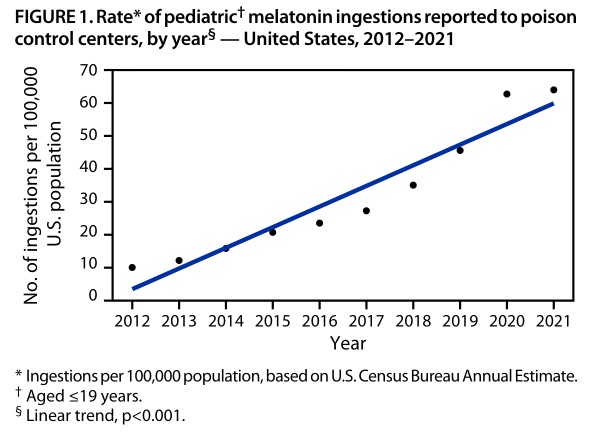
The trajectory of this public health issue was first illuminated by a pivotal study published in 2022 by Lelak. This research, titled "Pediatric Melatonin Ingestions—United States, 2012-2021," analyzed poison control center data over a ten-year period, revealing a consistent and concerning rise in melatonin-related ingestions. The findings painted a stark picture:
- Overall Increase: From 2012 to 2021, the frequency of melatonin ingestions reported to poison control centers escalated by an astonishing 530%.
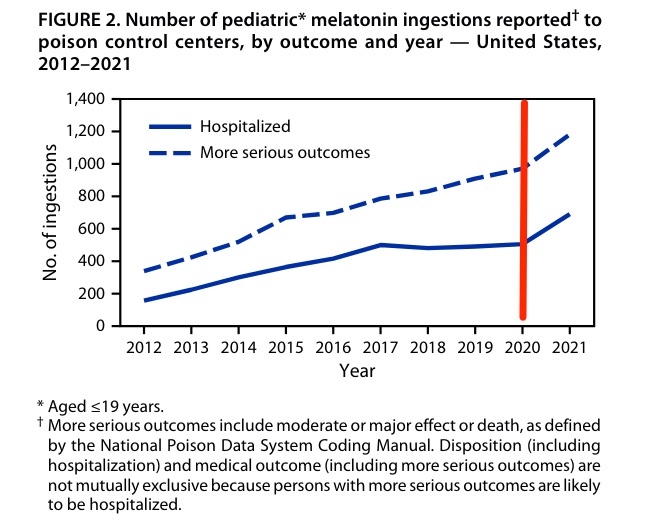
- Pandemic Acceleration: The rate of increase saw a marked acceleration starting in 2020, coinciding with the initial phases of the COVID-19 pandemic. This surge may be linked to increased parental stress, altered sleep schedules, and a greater reliance on readily available over-the-counter remedies.
- Proportional Growth: Melatonin’s share of all reported ingestions also grew significantly. In 2012, it accounted for a mere 0.6% of ingestions; by 2021, this figure had risen to 4.9%. Over the entire decade, a total of 260,435 reported ingestions were linked to melatonin, representing 2.25% of all ingestions during that period.
Identifying the Vulnerable Population
The Lelak study identified specific demographic and behavioral risk factors associated with pediatric melatonin ingestions. Male gender and being under five years of age were found to be significant risk factors. The vast majority of these ingestions were managed at home, indicating that many parents may not fully grasp the potential severity of an overdose.

A subsequent study published in 2024 reinforced these findings, emphasizing that children under five accounted for 7% of all emergency room visits for accidental ingestions. The strong association with gummy preparations—nearly half of these ingestions involved gummies—points to a critical design and marketing issue. When medications are made to look and taste like candy, young children, by their nature, are prone to treat them as such, leading to accidental overconsumption.
While most ingestions are managed at home, a portion do require medical intervention. The Lelak study indicated that 10.7% of ingestions were treated at healthcare facilities. Of these, 14.7% resulted in hospitalization, and 1% necessitated an intensive care unit (ICU) stay. For comparative context, overall ingestions requiring hospitalization were 1.5%, with 0.1% requiring ICU care. It is important to note that hospitalizations in older children, particularly teenagers, were often associated with intentional ingestions, reflecting underlying mental health concerns rather than solely the inherent danger of melatonin. However, the most substantial increase in hospitalizations was observed in children under five, a demographic less likely to engage in intentional misuse.
Tragically, the data also includes reports of fatalities. Two deaths were reported during the study period: one in a 13-month-old and another in a 2-month-old. Both incidents occurred at home, with one ingestion linked to intentional misuse and the cause for the other remaining unknown. These isolated but devastating events underscore the potentially lethal consequences of unregulated access and improper use of melatonin in very young children.
The Root Causes of the Melatonin Overdose Crisis
Several interconnected factors contribute to the alarming rise in pediatric melatonin overdoses:
Inadequate Regulation of Melatonin Products in the U.S.
Unlike in many other developed nations, melatonin in the United States is classified as a dietary supplement. This regulatory status means it is not subject to the same stringent oversight as prescription medications. In the United Kingdom, for example, melatonin is available only by prescription. Canada classifies it as an over-the-counter health product with specific labeling requirements. Australia has a more nuanced approach, with melatonin being prescription-only for children, except in specific cases for adults with insomnia or for children with certain diagnosed conditions.
This lack of robust pre-market regulation in the U.S. has profound implications for product quality and safety. The Food and Drug Administration (FDA) is not mandated to require clinical trials to prove the safety or efficacy of new ingredients or supplements before they reach the market. This "innocent until proven guilty" approach, while common for supplements, creates a significant public health vulnerability when dealing with substances that can have potent physiological effects, especially in children.
A frequently cited study revealed significant discrepancies in melatonin product labeling. The actual amount of melatonin in supplements could vary dramatically, ranging from 83% less to 478% more than the labeled dose. This means a 3mg dose could actually be anywhere from 0.5mg to over 14mg. Furthermore, lot-to-lot variability was substantial, with some bottles from the same manufacturer containing more than four times the amount of melatonin as others. Compounding these issues, researchers detected serotonin—a neurotransmitter and medication used for other conditions—in 71% of sampled products. This inconsistent and potentially contaminated product landscape makes accurate dosing virtually impossible for parents and increases the risk of both under- and over-dosing. A separate study examining melatonin and CBD gummies also found significant inaccuracies in labeling for both ingredients.
The "Candy-Like" Appeal of Melatonin Products
The widespread availability of melatonin in gummy form, often brightly colored and fruit-flavored, directly contributes to accidental ingestions by young children. These products are frequently packaged in ways that mimic children’s candies, making them highly attractive and easily accessible to toddlers and preschoolers who may not understand the difference between a supplement and a treat. The visual appeal and palatable taste effectively bypass a child’s natural caution, leading them to consume large quantities without parental supervision.
Parental Misunderstanding of Melatonin’s Potency and Interactions
Many parents are unaware of the actual dosage they are administering to their children. In clinical settings, sleep physicians often find that parents have a vague understanding of the amount of melatonin their child is taking, relying on imprecise measures like "a milliliter" or "two pills" without knowing the concentration or tablet strength. This lack of precise knowledge is exacerbated by the inconsistent labeling of products, making it challenging for parents to accurately dose even when they intend to.
Furthermore, melatonin is not without its drug interactions. It is metabolized by the liver enzyme CYP1A2. Substances that inhibit or induce this enzyme can significantly alter the amount of active melatonin in the body. For instance, inhibitors like fluvoxamine and cimetidine can increase melatonin levels, while inducers like carbamazepine and omeprazole can decrease them.
Melatonin can also interact with various drug classes:
- Anticoagulants/Anti-platelet drugs: May increase the risk of bleeding.
- Anticonvulsants: Melatonin might reduce their effectiveness and increase seizure frequency.
- Antihypertensives: The blood pressure-lowering effect may be diminished, leading to elevated blood pressure.
- Diabetic medications: Melatonin can affect blood glucose levels.
- Immunosuppressants: It may interfere with the action of these drugs.
- Sedating medications: When combined with benzodiazepines or hypnotics, melatonin can heighten morning drowsiness.
This complex web of potential interactions highlights that melatonin is a pharmacologically active substance, not merely a benign dietary supplement, and requires careful consideration of a child’s overall medication regimen.
Official Responses and Public Health Initiatives
In response to the escalating crisis, public health organizations and medical associations are intensifying their efforts to raise awareness and promote safer practices. The Centers for Disease Control and Prevention (CDC) has been a key player in tracking these trends and disseminating information. Their reports, such as the MMWR Morbidity and Mortality Weekly Report, have been instrumental in highlighting the magnitude of the problem.
The International Pediatric Sleep Association (IPSA) has developed expert consensus recommendations for healthcare providers on the safe use of melatonin in children. These guidelines emphasize a cautious approach, advocating for melatonin to be considered only after behavioral interventions have been explored and to be used under the guidance of a healthcare professional. They also stress the importance of proper storage, accurate dosing, and awareness of potential side effects and interactions.
Broader Implications and Future Directions
The surge in pediatric melatonin overdoses has far-reaching implications for child health and public health policy. It underscores the critical need for:
- Enhanced Regulatory Oversight: There is a growing call for stricter regulation of dietary supplements, particularly those marketed to children, to ensure product quality, accurate labeling, and safety.
- Public Education Campaigns: Comprehensive public health campaigns are essential to educate parents about the potential risks of melatonin, appropriate usage, proper storage, and the importance of consulting healthcare professionals.
- Pediatric Sleep Guidance: Healthcare providers need to be equipped with the latest evidence and guidelines to advise parents effectively on sleep strategies for children, prioritizing behavioral interventions over pharmacologic ones where possible.
- Product Design and Marketing Reform: Manufacturers and retailers should be encouraged or mandated to adopt safer product designs and marketing practices that do not inadvertently appeal to young children, especially for products with potential health implications.
The alarming statistics surrounding pediatric melatonin overdoses serve as a critical wake-up call. As this supplement becomes increasingly commonplace in households, a concerted effort involving regulators, healthcare professionals, educators, and parents is imperative to mitigate risks and ensure the safety and well-being of our children.
What to Do in Case of Suspected Overdose
If a parent is concerned that their child may have taken too much melatonin, the immediate step is to contact the national Poison Help Hotline at 1-800-222-1222. Medical professionals are available around the clock to provide guidance and assistance.
Understanding Melatonin’s Side Effects
The side effects of taking too much melatonin can include, but are not limited to, increased sleepiness, delirium, nausea, vomiting, nighttime awakenings, dizziness, irritability, and enuresis (bedwetting). These symptoms can vary in severity depending on the amount ingested and the individual child.

Towards Safer Use of Melatonin in Children
For parents considering melatonin for their children, a cautious and informed approach is paramount. Many of the recommendations for safer use are derived from the International Pediatric Sleep Association’s materials and include:
- Consultation with a Healthcare Professional: Always discuss melatonin use with a pediatrician or a pediatric sleep specialist. They can assess whether melatonin is appropriate for your child’s specific sleep issue and advise on dosage and duration.
- Prioritize Behavioral Interventions: Melatonin should be considered a last resort after all behavioral sleep strategies have been explored and implemented. This includes establishing consistent bedtime routines, ensuring a conducive sleep environment, and addressing daytime habits.
- Accurate Dosing: Use measuring devices specifically designed for medication (e.g., oral syringes for liquids, calibrated cups for dissolvable tablets) to ensure accurate dosing. Avoid using household spoons.
- Proper Storage: Keep all medications, including melatonin, securely stored out of children’s reach and sight, ideally in a locked cabinet.
- Awareness of Product Variability: Understand that over-the-counter melatonin products can have inconsistent dosages. If possible, use products recommended by your healthcare provider or those that have undergone third-party testing for purity and potency.
- Monitor for Side Effects: Closely observe your child for any adverse reactions, such as daytime sleepiness, irritability, or changes in behavior.
- Limit Duration of Use: Melatonin is generally intended for short-term use. Long-term efficacy and safety data in children are limited.
By understanding the risks, adhering to professional guidance, and prioritizing a holistic approach to sleep health, parents can navigate the complex landscape of pediatric sleep aids more safely and effectively.
