

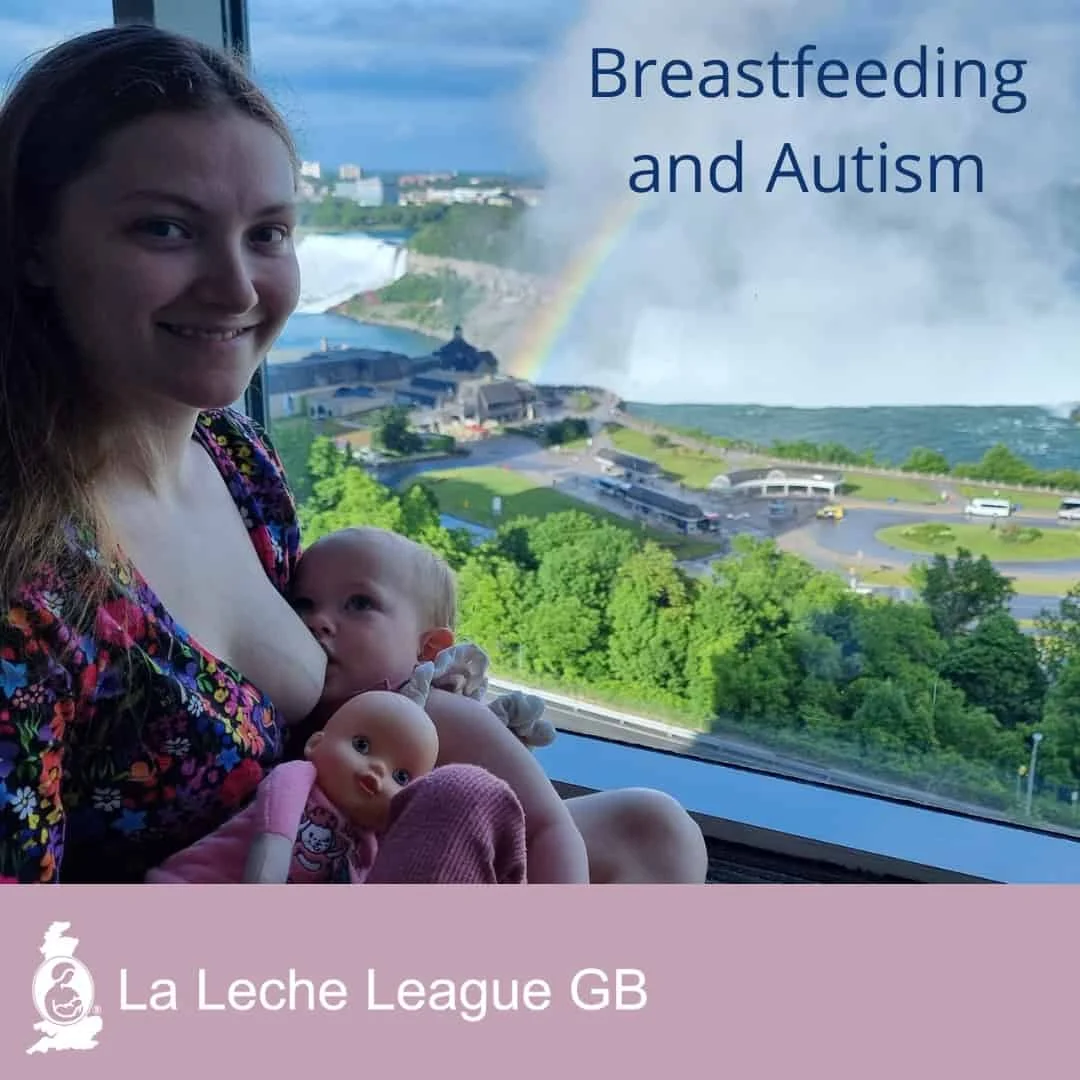
Autism, a complex neurodevelopmental difference, shapes how individuals experience the world, communicate, and interact, leading to a diverse spectrum of abilities and challenges. As understanding of neurodiversity evolves, so too does the recognition that autistic individuals, including women and parents, engage with fundamental life stages like parenthood and breastfeeding in distinct ways. Simultaneously, parents of autistic children encounter specific considerations when it comes to infant feeding. This article delves into the nuanced landscape of breastfeeding for autistic parents and those raising autistic children, highlighting both the unique strengths and potential challenges, and advocating for a more inclusive and informed approach to support.
Understanding Autism and its Impact on Parenthood
Autism Spectrum Disorder (ASD) is characterized by differences in social communication and interaction, as well as restricted, repetitive patterns of behavior, interests, or activities. Crucially, autism is a spectrum, meaning its presentation varies widely from person to person and can shift depending on environmental factors and individual circumstances. The term "neurodivergent" is often used to describe autistic individuals, acknowledging that their neurological development differs from what is considered typical (neurotypical).
Historically, autism diagnosis has been biased towards males, leading to a significant underestimation of its prevalence in women. Recent estimates suggest that while approximately 0.82% of the English population has a formal autism diagnosis, up to 72% of autistic individuals in England may remain undiagnosed, with a disproportionate number being women. This diagnostic disparity has profound implications for maternal healthcare, as many autistic women navigate pregnancy, birth, and postpartum without recognition or appropriate support for their neurodivergent needs. When these needs go unaddressed, it can significantly impact their experience of breastfeeding, an intimate and demanding process.
Breastfeeding for Autistic Parents: Strengths and Support Needs
For many autistic women and parents, the decision to breastfeed is met with a unique blend of potential strengths and specific challenges. Providing individualized support is paramount, as standard approaches often fall short.
The Positives: Finding Calm and Empowerment

Contrary to assumptions, many autistic women report finding significant positive experiences in breastfeeding. The act itself can provide a sense of calm and quiet, offering a protected time for rest and connection. This can be particularly beneficial for autistic individuals who may find the sensory overload of daily life, especially with a new baby, overwhelming. Breastfeeding can become a cherished ritual, a predictable and comforting anchor in an otherwise unpredictable postpartum period. Furthermore, many autistic parents describe breastfeeding as an empowering experience, a testament to their body’s capabilities and their commitment to their child’s well-being.
Autistic individuals often excel in focused research and independent learning. This aptitude means that those who choose to breastfeed are likely to engage deeply with available information, becoming highly knowledgeable about the process. This dedication often translates into a remarkable determination to succeed in their breastfeeding goals, a valuable asset in navigating potential difficulties.
Navigating Communication Differences in Support Settings
Communication differences are a hallmark of autism, and these can significantly impact an autistic parent’s ability to access and utilize breastfeeding support. Some autistic individuals may experience situational mutism, where they are unable to speak in certain environments or under stress, even if they are typically verbal. This necessitates a flexible approach to communication from healthcare providers and support groups. Offering a range of communication methods, such as written communication (typing on a phone, email, text), visual aids (picture cards), or even sign language, can be crucial. The La Leche League Great Britain (LLLGB) recognizing this, offers a written "Help Form" as an alternative to phone calls, providing a vital avenue for support for those who struggle with verbal communication or phone anxiety.
Sensory Differences and the Breastfeeding Experience
Sensory processing differences are central to the autistic experience, impacting how individuals perceive and react to smell, taste, touch, sight, and sound. These differences can profoundly influence breastfeeding. A heightened sensitivity (hypersensitivity) might make the physical sensations of latching or milk ejection painful or overwhelming, while reduced sensitivity (hyposensitivity) might make it difficult to register engorgement or a baby’s cues.
- Touch: Skin-to-skin contact, while beneficial, might feel overwhelming or uncomfortable for some hypersensitive autistic parents. The texture of clothing, the baby’s skin, or the sensation of milk let-down could be distressing. Conversely, hyposensitivity might mean a parent doesn’t register a shallow latch or a baby’s subtle feeding cues.
- Sound: Hospital environments, busy clinics, or even the sounds of a baby feeding can be intensely jarring for those with auditory hypersensitivity. Quiet, dimly lit spaces become essential.
- Smell/Taste: The natural smells of a newborn, breast milk, or even hospital disinfectants can be overwhelming.
- Sight: Bright lights, cluttered environments, or too much visual stimulation can make concentrating on feeding difficult.
Healthcare providers must be mindful of these sensory sensitivities, creating calm, low-stimulation environments for consultations and offering practical solutions like quiet rooms, dimmed lighting, or suggestions for sensory aids like noise-canceling headphones.
Barriers to Seeking and Receiving Support

Beyond communication and sensory differences, autistic parents often face systemic barriers to support. Many report feeling uncomfortable or unable to ask for additional help, partly due to the societal pressure to "mask" their autistic traits. This masking, the conscious or unconscious suppression of natural behaviors to conform to neurotypical expectations, can lead to significant exhaustion and prevent individuals from expressing their true needs.
Furthermore, autistic individuals experience higher rates of post-traumatic stress disorder (PTSD) compared to neurotypical people, particularly in the context of healthcare experiences where they may feel a lack of control over their bodies or circumstances. This can exacerbate anxiety around seeking help, especially from maternity services, and contribute to feelings of social isolation. Attending local breastfeeding groups can be daunting due to anxiety about social interaction, unpredictable environments, or the perceived need to explain their neurodivergence. Visual information about group settings (e.g., photos of the venue, clear agendas) and the option to bring a support person can significantly reduce these barriers.
Implications for Healthcare Providers and Support Systems
To effectively support autistic parents, maternity and breastfeeding services must adopt a neuro-affirming approach. This includes:
- Individualized Care Plans: Recognizing that each autistic person’s needs are unique.
- Flexible Communication: Offering multiple modalities beyond verbal interaction.
- Sensory-Aware Environments: Providing quiet spaces, controlling lighting, and minimizing unexpected sensory input.
- Clear and Direct Information: Avoiding jargon, using visual aids, and ensuring information is easily digestible.
- Trained Staff: Educating healthcare professionals on neurodiversity and its implications for maternal health and infant feeding.
- Proactive Outreach: Understanding that autistic parents may struggle to ask for help and developing strategies to offer support proactively.
Breastfeeding an Autistic Child: Unique Dynamics
The considerations extend beyond the autistic parent to situations where the child themselves is autistic or neurodivergent. With increasing rates of autism diagnoses in children, parents are seeking more tailored guidance on infant feeding.
Extended Breastfeeding and Regulation
The World Health Organization (WHO) recommends breastfeeding for two years and beyond, with the natural age of weaning estimated between 2.5 and 7 years. For an autistic or neurodivergent child, extended breastfeeding can be profoundly important. Breastfeeding offers more than just nutrition; it provides comfort, security, and a powerful tool for self-regulation in a world that can often feel overwhelming.

Sensory Differences in Autistic Children and Feeding Patterns
Autistic children process sensory input differently, which can manifest as either seeking or avoiding certain sensory experiences. This directly impacts their feeding patterns.
- Sensory Seeking: Some autistic children may want to breastfeed very frequently, using the close physical contact, rhythmic sucking, and oral stimulation as a way to self-regulate when feeling overwhelmed, anxious, or overstimulated. This can be particularly noticeable in busy, loud, or unfamiliar environments.
- Sensory Avoiding: Conversely, a child’s sensory sensitivities can make feeding difficult. Factors like the temperature of the room, the feel of their clothes, specific smells, or ambient noises might disrupt their ability to latch or feed comfortably. In such cases, modifying the environment to reduce or avoid the offending sensory input is crucial.
Understanding these dynamics allows parents to interpret their child’s cues more accurately and adjust their feeding approach accordingly.
"High Needs" Babies and Intense Attachment
Many babies and young children can be described as "high needs," exhibiting an intense drive for closeness to their primary caregiver. While this is a normal developmental phase, it can be particularly pronounced in neurodivergent children. Their need for proximity, comfort, and co-regulation through breastfeeding might be more intense or prolonged. This can place significant demands on the breastfeeding parent, underscoring the vital importance of robust self-care, support from family and friends, and connecting with like-minded communities who understand these unique challenges.
Feeding Patterns, Boundaries, and Weaning in Autistic Children
The journey of feeding, setting boundaries, and eventual weaning can present additional complexities when parenting an autistic child. Many parents of autistic toddlers report difficulties with frequent feeding and a lack of information specifically tailored to weaning neurodivergent children.
- Weaning Challenges: Weaning can be more challenging due to the child’s sensory issues, communication differences, and the fundamental role breastfeeding plays in their emotional regulation. The sudden withdrawal of a primary comfort source can be highly distressing.
- Interoception Difficulties: Some autistic individuals experience interoception difficulties, meaning they struggle to recognize internal bodily signals like hunger, thirst, or fullness. This can lead to unpredictable feeding patterns or an inability to communicate these needs effectively.
- Solid Food Aversions: As autistic children grow, they may develop strong aversions to certain solid foods based on texture, taste, smell, or sight. This can result in a limited diet, making extended breastfeeding even more crucial for providing essential nutrients. In these cases, breastfeeding frequency might even increase as the child relies on it for nutritional gaps.
Parents often navigate a continuum from responsive, "on-demand" feeding to setting gentle boundaries or ultimately choosing to stop breastfeeding. Continuing to breastfeed into toddlerhood and beyond offers significant benefits, including continued nutrition, immune support, and emotional regulation. However, when parents decide to introduce boundaries or initiate weaning, this process requires careful consideration, especially with communication challenges.

Strategies for setting boundaries with an autistic child might include:
- Visual Schedules: Using pictures or written words to indicate when and where breastfeeding will occur.
- "First/Then" Statements: "First we have playtime, then we can have milk."
- Distraction and Substitution: Offering alternative comforting activities or snacks when breastfeeding is not an option.
- Gradual Reduction: Slowly decreasing the frequency or duration of feeds.
- Sensory Alternatives: Providing other forms of sensory input for regulation, such as weighted blankets, chewy toys, or deep pressure.
- Support from Professionals: LLL Leaders can provide invaluable information and strategies for navigating these sensitive transitions.
Broader Implications and the Path Forward
The intersection of autism and breastfeeding highlights a critical need for greater societal awareness, professional education, and systemic changes within maternal and infant healthcare. The experiences of autistic parents and parents of autistic children are not outliers but integral aspects of human diversity that demand respectful, informed, and accessible support.
The increasing visibility of neurodiversity calls for all healthcare providers, from obstetricians and midwives to lactation consultants and peer supporters, to receive comprehensive training in neuro-affirming care. This includes understanding the nuances of communication, sensory processing, and mental health within the autistic community. Policy changes should support flexible care models, longer appointment times, and the provision of diverse communication tools.
Furthermore, continued research is essential to deepen our understanding of these unique breastfeeding journeys, moving beyond anecdotal evidence to robust data that can inform best practices. Advocacy groups and peer support networks, such as the Maternity Autism Research Group (MARG), play a pivotal role in empowering autistic individuals and their families, fostering a sense of community, and driving positive change.
Ultimately, by embracing neurodiversity as a fundamental aspect of the human experience, we can build a healthcare system that genuinely supports all parents and children, ensuring that the transformative journey of breastfeeding is as positive and empowering as possible for every family, regardless of their neurotype.
