

The landscape of pediatric sleep aids has evolved significantly in recent years. While melatonin was once the primary supplement parents considered for their children’s sleep difficulties, a growing number are now turning to magnesium. This shift is reflected in the increasing availability of magnesium-containing "sleep gummies" in both online and brick-and-mortar stores. This article delves into the scientific understanding of magnesium’s role in sleep, the prevalence of deficiency, and the current evidence supporting its use, particularly in children, to provide parents with a comprehensive and fact-based overview.
The surge in parental interest in magnesium for sleep can be traced, in part, to broader trends in the wellness industry. A review of Google Trends data from February 2025 reveals a notable increase in search queries for "magnesium for sleep" (represented in blue) compared to "melatonin for sleep" (in red) and "theanine for sleep" (in yellow). While melatonin searches peaked in the mid-2010s, interest in magnesium has seen a steady climb since approximately 2022. This trend mirrors the growing consumer demand for "natural" remedies to address common ailments like insomnia. The widespread availability of melatonin supplements for children, coupled with a concerning rise in pediatric melatonin overdoses, has likely prompted parents to explore alternative, mineral-based options like magnesium.
Magnesium: A Vital Mineral for Bodily Functions
Magnesium, the twelfth element on the periodic table, is an essential mineral that plays a crucial role in over 80% of enzymatic reactions within the human body. Its involvement extends to numerous physiological processes, including muscle and nerve function, blood glucose control, and blood pressure regulation. For the context of sleep, magnesium is understood to be instrumental in mediating the body’s stress response. Research suggests a strong correlation between magnesium deficiency and symptoms of stress, creating a potentially vicious cycle where stress depletes magnesium, and low magnesium levels exacerbate stress. This overlap is highlighted in a table from Pickering et al. (2020), which visually demonstrates the shared symptomatic profiles of chronic stress and magnesium deficiency.
The increasing prevalence of magnesium deficiency is a complex issue with several contributing factors. Modern agricultural practices, including intensive farming and soil depletion, have led to a significant reduction in the magnesium content of produce over time. Studies indicate an 80-90% drop in minerals like magnesium, calcium, and iron in common vegetables such as cabbage, lettuce, and tomatoes between 1914 and 2018. Compounding this is the rise in processed food consumption, which typically contains lower levels of magnesium. Furthermore, beverages like sodas can contain compounds that interfere with the body’s ability to absorb magnesium from food. Population-based studies suggest that a substantial portion of the population does not meet the recommended daily allowance for magnesium, although diagnosing individual deficiency can be challenging.
Diagnosing Magnesium Deficiency in Children

While magnesium deficiency is less common in children than in adults, certain conditions can increase a child’s risk. These include picky eating habits, which can lead to a limited dietary intake of magnesium-rich foods, and obesity, which may be associated with altered magnesium metabolism. Severe magnesium deficiency, characterized by critically low blood levels, is a medical emergency and can manifest with symptoms such as muscle weakness, tremors, seizures, and cardiac arrhythmias. It’s important to note that chronic sleep deprivation itself can contribute to a reduction in blood magnesium levels, as demonstrated by research from Tanabe (2009).
A significant challenge in diagnosing magnesium deficiency is that the body prioritizes maintaining normal blood magnesium levels, even if tissue stores (such as in muscles or bones) are depleted. This means that many individuals, including children, might exhibit low total body magnesium stores with seemingly normal blood test results. This diagnostic complexity underscores the importance of consulting healthcare professionals for accurate assessment.
The Link Between Magnesium and Sleep
Research indicates that magnesium plays a significant role in the regulation and stimulation of sleep. Abbassi and Durlach’s work highlights magnesium’s involvement in the intricate processes that govern sleep cycles. For instance, magnesium is believed to influence neurotransmitter activity, particularly by acting as a natural blocker of the N-methyl-D-aspartate (NMDA) receptor, which is implicated in wakefulness. By modulating these receptors, magnesium may promote relaxation and reduce neuronal excitability, facilitating the transition to sleep. Additionally, magnesium is thought to interact with the gamma-aminobutyric acid (GABA) system, a key inhibitory neurotransmitter that calms the nervous system.
Evidence Supporting Magnesium for Sleep in Adults
Studies examining the effects of magnesium supplementation on sleep in adults have yielded promising results. For example, a study by Held et al. (2002) found that oral magnesium supplementation reversed age-related changes in neuroendocrine function and sleep electroencephalogram (EEG) patterns in humans. More recently, a randomized controlled trial by Hausenblas et al. (2024) demonstrated that magnesium-L-threonate improved sleep quality and daytime functioning in adults reporting sleep difficulties. Other research has explored the association between magnesium intake and sleep duration and quality, with findings suggesting a positive correlation.
Limited Evidence for Magnesium in Children’s Sleep

Despite the growing interest and the established role of magnesium in adult sleep, the evidence supporting its efficacy for sleep in children remains notably limited. A comprehensive review of available literature identified only one study specifically investigating magnesium supplementation for sleep in pediatric populations. This study’s findings were not robust enough to establish a clear benefit. Therefore, based on current scientific evidence, there is no conclusive proof that magnesium supplementation directly improves sleep in children.
For parents concerned about their child’s sleep, the primary recommendation remains focused on establishing healthy sleep hygiene practices. This includes implementing a consistent and high-quality bedtime routine and, when appropriate, considering behavioral interventions such as sleep training. While dietary adjustments to increase magnesium intake are a reasonable goal, the use of magnesium supplements for sleep in children should be approached with caution and only considered in specific circumstances.
Dietary Sources of Magnesium
Prioritizing magnesium intake through diet is crucial. Minimally processed, whole foods are generally richer in magnesium than their refined counterparts. Cooking methods can also impact magnesium content; for instance, boiling vegetables can leach magnesium into the cooking water.
Key dietary sources of magnesium include:
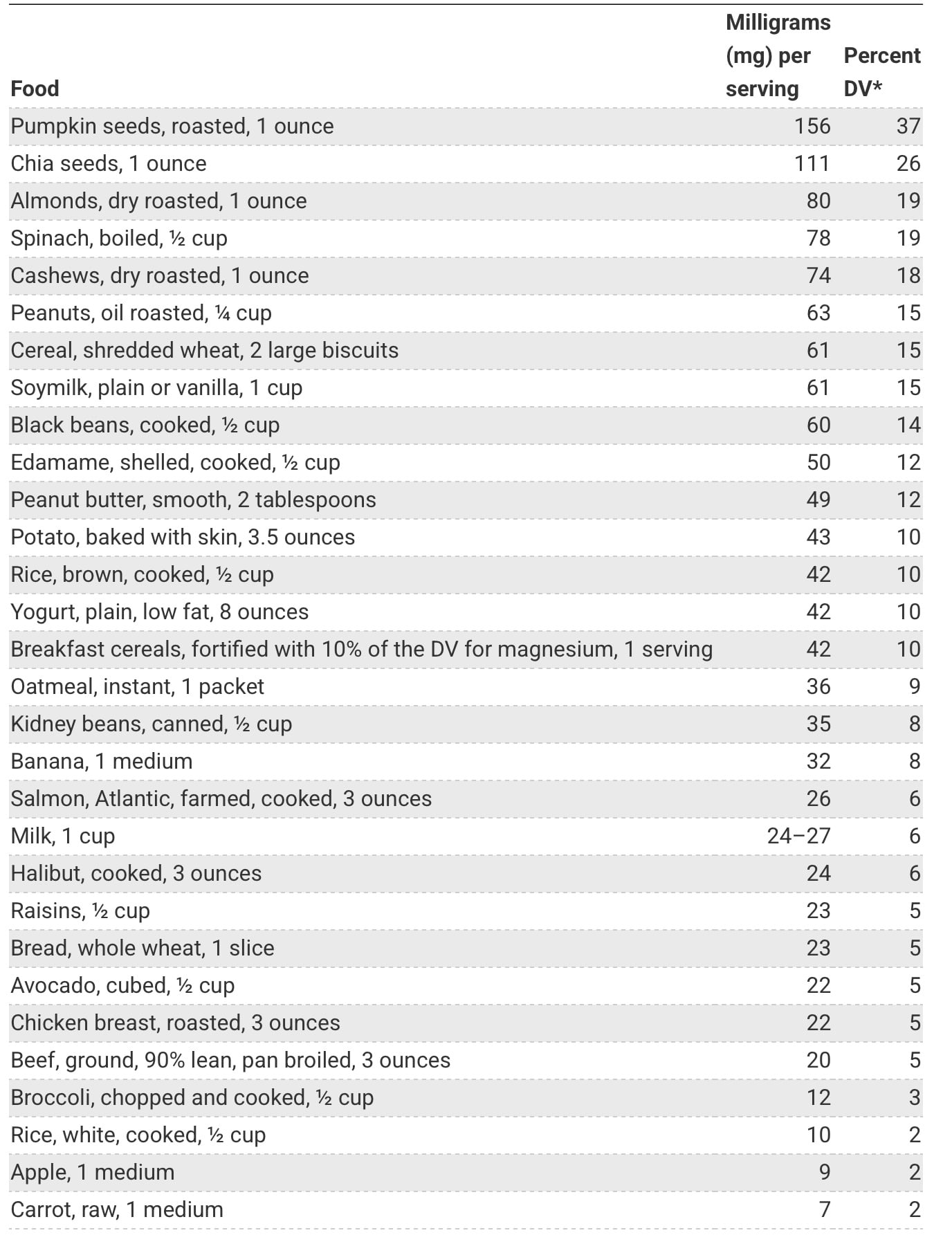
- Seeds: Pumpkin seeds, chia seeds, and flaxseeds are excellent sources.
- Nuts: Almonds, cashews, and peanuts provide significant amounts.
- Leafy Green Vegetables: Spinach, Swiss chard, and kale are rich in magnesium.
- Whole Grains: Brown rice, quinoa, and oats contribute to magnesium intake.
- Legumes: Black beans, lentils, and chickpeas are good plant-based sources.
- Certain Fish: Salmon and mackerel offer a moderate amount.
- Avocado: A creamy and nutrient-dense fruit.
- Dark Chocolate: A delicious source, consumed in moderation.
The National Institutes of Health (NIH) Fact Sheet on Magnesium provides a comprehensive list of foods and their magnesium content. Among these, pumpkin seeds, chia seeds, and almonds are often cited as the most accessible and concentrated sources for increasing dietary magnesium.
When to Consider Magnesium Supplements for Children

While most children do not require magnesium supplements for sleep, there are select situations where a trial might be considered, always in consultation with a pediatrician or healthcare provider. These include:
- Children with a diagnosed magnesium deficiency: If a deficiency is confirmed through medical assessment, supplementation may be recommended to restore levels.
- Children with conditions associated with magnesium malabsorption or increased loss: Certain gastrointestinal disorders or medical conditions can impair magnesium absorption or lead to increased excretion.
- Children experiencing symptoms suggestive of low magnesium: These might include muscle cramps, restlessness, anxiety, or irritability, which can sometimes overlap with sleep disturbances.
- Children with Autism Spectrum Disorder (ASD): Some research suggests a potential role for magnesium in managing certain symptoms in children with ASD, which can sometimes impact sleep. However, this area requires further investigation.
For children under the age of three, it is generally advised not to administer magnesium supplements without direct medical supervision. Any trial of supplementation should be part of a broader sleep management plan that includes established routines and consistent sleep schedules.
Dosage and Side Effects of Magnesium Supplementation
Determining the appropriate dosage of magnesium for children is critical and should be guided by age-specific recommendations and professional medical advice. The recommended dietary allowance (RDA) for magnesium varies by age:
- 1-3 years: 65 mg
- 4-8 years: 110 mg
- 9-18 years: 350 mg (for both males and females)
It is essential to carefully read supplement labels to ascertain the actual amount of elemental magnesium per serving, as the salt form of magnesium (e.g., magnesium citrate, magnesium glycinate) can influence absorption and potential side effects. For instance, a gummy labeled as containing 85 mg of magnesium might provide this amount of elemental magnesium, but this needs to be verified on the product’s nutrition facts.
Magnesium supplementation is generally considered safe, as the body excretes excess magnesium through the kidneys. However, individuals with kidney disease should exercise caution and consult their doctor before use. Potential side effects of magnesium supplementation can include:
- Diarrhea: This is one of the most common side effects, particularly with higher doses or certain forms of magnesium.
- Nausea: Some individuals may experience an upset stomach.
- Abdominal cramping: Discomfort in the abdominal region can occur.
True magnesium toxicity is rare and typically associated with extremely high intake. A documented case from 2000 reported a fatal hypermagnesemia event in a child with cerebral palsy who received an excessively high dose of magnesium oxide over several days. Unlike the well-documented surge in emergency department visits and poison control calls related to melatonin overdoses in recent years, there is no comparable data indicating a similar trend for magnesium.

Conclusion: A Balanced Perspective on Magnesium and Children’s Sleep
The growing parental interest in magnesium for children’s sleep is understandable, driven by a desire for natural solutions and concerns about the potential risks of other supplements. While magnesium is undeniably vital for overall health and plays a role in relaxation and stress management, the scientific evidence supporting its direct efficacy as a sleep aid for children is currently limited.
The surprising prevalence of magnesium deficiency and its correlation with stress highlight the importance of ensuring adequate dietary intake of this mineral. Focusing on magnesium-rich foods like seeds, nuts, and leafy greens is a beneficial strategy for all children. For specific cases, such as confirmed deficiency or certain medical conditions, magnesium supplementation might be considered under professional guidance.
Ultimately, addressing pediatric sleep issues should prioritize evidence-based strategies like consistent bedtime routines and behavioral interventions. While magnesium can be a valuable nutrient, it is not a standalone solution for childhood sleep problems. A balanced approach that emphasizes a healthy diet and appropriate medical consultation is key.
Summary of Key Points:
- Growing Interest: Magnesium supplements for sleep are gaining popularity among parents.
- Essential Mineral: Magnesium is crucial for numerous bodily functions, including stress response and relaxation.
- Deficiency Concerns: Magnesium deficiency is surprisingly common due to modern diets and agricultural practices.
- Adult Sleep Evidence: Some studies suggest magnesium can improve sleep quality in adults.
- Limited Pediatric Evidence: Robust scientific evidence for magnesium’s effectiveness in improving children’s sleep is currently lacking.
- Dietary Focus: Prioritize magnesium-rich foods like seeds, nuts, and leafy greens.
- Supplement Caution: Consider magnesium supplements for children only under medical supervision and in specific circumstances.
- Sleep Hygiene First: Focus on establishing strong bedtime routines and sleep hygiene practices for children.
Parents seeking further information or experiencing persistent sleep concerns with their children are encouraged to consult with a pediatrician or a pediatric sleep specialist.
