


The psychological framework of emotional communication has increasingly transitioned from marital counseling into the sphere of developmental parenting, as evidenced by a recent qualitative exchange between prominent lifestyle journalist Joanna Goddard and her twelve-year-old son, Anton. During a scheduled evening interaction at their residence, Goddard utilized the "Five Love Languages" concept—originally developed by Dr. Gary Chapman in 1992—to assess the emotional needs of her child as he approaches his teenage years. This interaction highlights a broader societal trend in which parents are moving away from traditional authoritative models toward high-engagement, emotionally intelligent communication strategies. The dialogue revealed a significant disconnect between parental perception and child reality, as Anton identified his primary emotional receptivity through "Acts of Service" and "Quality Time," rather than the "Physical Touch" his mother had previously assumed was his dominant preference.
The Evolution of the Five Love Languages Framework
The concept of love languages originated with the publication of The 5 Love Languages: How to Express Heartfelt Commitment to Your Mate by Dr. Gary Chapman. While the initial research was focused on heterosexual adult couples, the framework’s versatility led to the 1997 spin-off, The 5 Love Languages of Children, co-authored with psychiatrist Dr. Ross Campbell. The core thesis posits that every individual has a primary way of expressing and receiving emotional affection. These five categories include:

- Words of Affirmation: Expressing affection through spoken praise, appreciation, or encouragement.
- Acts of Service: Actions taken to ease the responsibilities of another, such as preparing meals or assisting with difficult tasks.
- Receiving Gifts: The valuation of thoughtfulness and effort represented by tangible tokens of affection.
- Quality Time: Undivided attention and shared activities that foster connection.
- Physical Touch: Non-sexual physical contact, such as hugs, holding hands, or proximity, which reinforces security.
According to data from the Northwood University research initiatives, the application of these languages in a domestic setting can lead to higher levels of "relationship satisfaction" and "perceived parental support." In the case of the Goddard-Anton exchange, the identification of these languages served as a diagnostic tool to recalibrate the parental approach during a critical developmental threshold.
Case Study: The Transition from Childhood to Adolescence
The timing of this inquiry is significant, as Anton is slated to enter his teenage years in the summer of 2026. Developmental psychologists, including those affiliated with the American Psychological Association (APA), note that the transition from age twelve to thirteen often involves a shift in how children perceive physical affection and autonomy. While younger children often rely heavily on "Physical Touch" for security, adolescents frequently pivot toward "Quality Time" and "Acts of Service" as they seek to establish independence while maintaining a safety net.
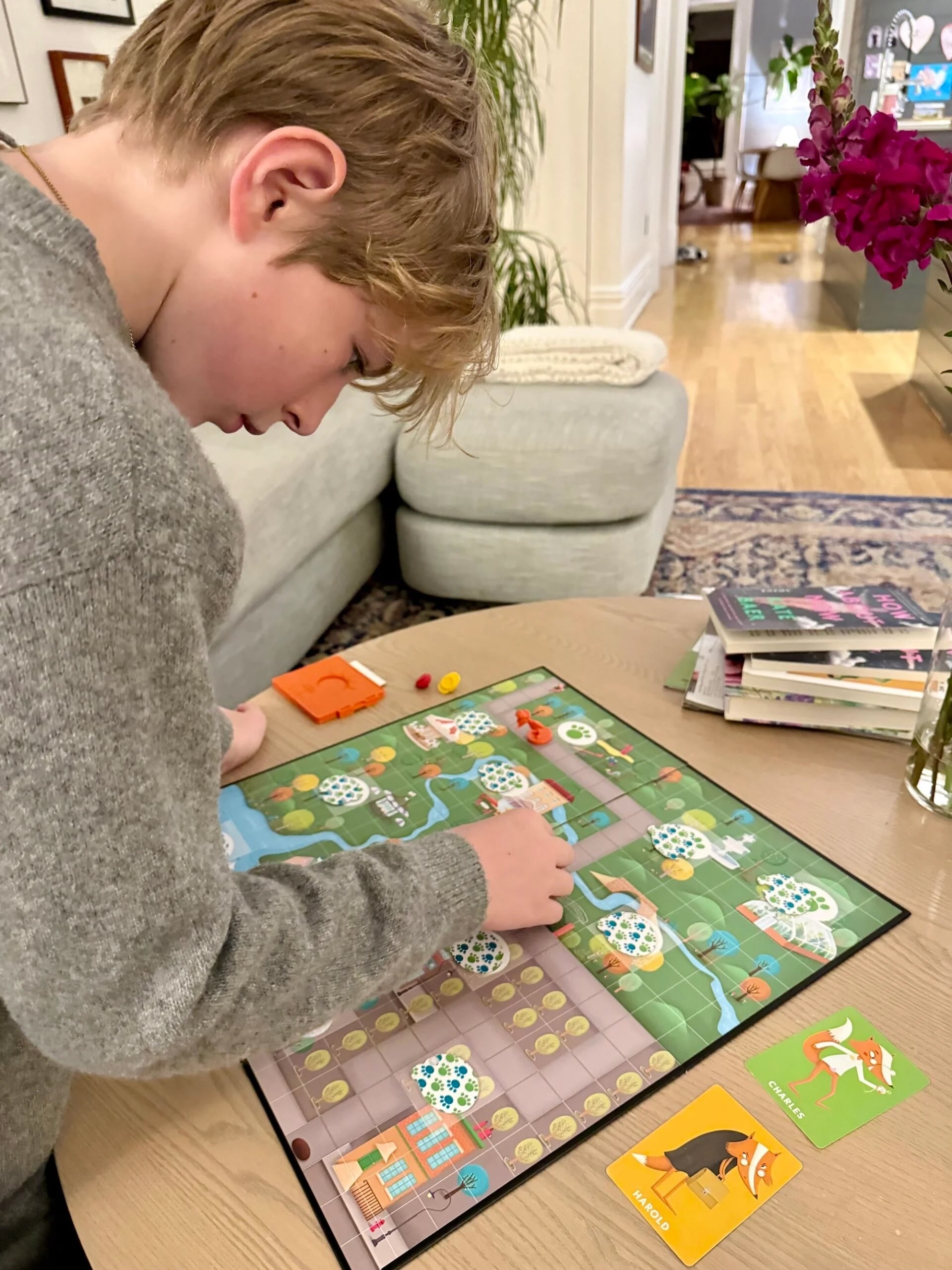
Goddard’s report indicates that her son’s preferences were surprisingly specific. Anton cited "Acts of Service"—specifically mentioning the delivery of apple slices during homework sessions—as a primary indicator of feeling loved. He further categorized "Quality Time," such as joint bicycle rides or playing the board game Codenames, as essential to his emotional well-being. This revelation is consistent with adolescent psychology, where small, non-intrusive gestures of support (Acts of Service) provide a sense of being cared for without the perceived "smothering" that can sometimes accompany physical affection or verbal over-analysis.

Chronology of the Interaction and Implementation
The sequence of events leading to this psychological assessment began with a routine bedtime conversation, a period often cited by child development experts as the "vulnerability window" where children are most likely to engage in deep emotional disclosure.
- Initial Inquiry: Goddard introduced the concept of the five love languages, defining each for her son to ensure a shared vocabulary.
- Self-Reflection and Comparison: The family discussed the love languages of extended family members. Goddard identified her father’s preference for "Acts of Service" (evidenced by the procurement of specific European cereals) and her mother’s preference for "Words of Affirmation."
- The Revelation: Anton provided his self-assessment, explicitly prioritizing "Acts of Service" and "Quality Time," thereby correcting his mother’s long-standing assumption regarding his preference for "Physical Touch."
- Behavioral Adjustment: Following the conversation, Goddard implemented immediate changes to her parenting strategy. This included performing specific "Acts of Service" (serving breakfast in bed) and engaging in "Quality Time" centered on Anton’s interests (attending and observing his drumming practice with active inquiry).
This chronology demonstrates a rapid feedback loop: assessment, discovery, and behavioral modification. For many modern parents, this systematic approach to emotional labor is viewed as a necessary component of successful child-rearing in an era of high-stress academic and social environments.
Supporting Data on Parental Responsiveness
Market research and sociological surveys suggest that the "Cup of Jo" audience—and by extension, the broader demographic of proactive parents—highly values "intentionality" in domestic life. A 2023 survey by the Pew Research Center found that roughly 44% of U.S. parents describe themselves as "overprotective," while a growing majority emphasize "emotional closeness" as their top parenting priority.
The use of frameworks like the Five Love Languages provides a structured method for achieving this closeness. Data suggests that when parents align their "giving" language with the child’s "receiving" language, the child reports lower levels of stress and higher levels of academic motivation. In the specific context of "Acts of Service," such as the example of providing snacks during homework, these actions serve to lower the cortisol levels of the student by reducing the "cognitive load" of minor tasks, allowing the child to focus on higher-level executive functions.
Broader Impact and Implications for Modern Parenting
The public sharing of this interaction on a major lifestyle platform has prompted a wider discourse on the "fluidity" of love languages. Experts suggest that a child’s primary language is not static; it can shift based on age, environment, and external stressors. For instance, a child dealing with social anxiety at school may temporarily prioritize "Words of Affirmation" to rebuild self-esteem, even if their baseline language is "Gifts."
Furthermore, the Goddard case highlights the importance of "active listening" in the parent-child relationship. By asking the question rather than continuing to act on an assumption, Goddard avoided a common "mismatch" where a parent provides "Physical Touch" that a pre-teen may find intrusive, while neglecting the "Acts of Service" the child actually craves.

The implications of this extend to the educational and therapeutic sectors. Educators are increasingly encouraged to recognize that students respond to different forms of "affirmation." While one student may thrive on public praise (Words of Affirmation), another may find it embarrassing and would prefer a teacher’s extra help with a difficult project (Acts of Service) or a small token of progress (Gifts).
Conclusion: The "Easy Thing to Ask"
The interaction between Joanna Goddard and her son concludes with a call to action for other parents to conduct similar audits within their households. The "Cup of Jo" community response, which garnered over 140 comments within a short timeframe, indicates a high level of engagement with this topic. Responses from other parents noted diverse results, ranging from children who value "cat toys in the mail" (Gifts) to those who prefer "playing mobile games on the sofa together" (Quality Time).
As the "tween" demographic faces increasing pressures from digital connectivity and academic rigor, the ability for a parent to accurately identify and speak their child’s emotional language is no longer viewed as a "pop-psychology" novelty. Instead, it is being treated as a critical skill in the toolkit of modern, evidence-based parenting. The Goddard-Anton exchange serves as a microcosm of a larger movement toward precise, personalized emotional support, ensuring that as children move into the complexities of the teenage years, they do so feeling "cherished" in the specific ways they understand best.
