


The "Just Add Water" (JAW) parenting philosophy has emerged as a significant cultural touchstone within modern digital parenting communities, transitioning from a singular piece of anecdotal advice into a widely adopted behavioral intervention strategy. Originally conceptualized as a shorthand method for de-escalating emotional volatility in children, the strategy posits that the introduction of water—in any form—can serve as a physiological and psychological "reset" for both children and caregivers. This report examines the origins, the scientific underpinnings, and the documented applications of this method, which has gained substantial traction over the past eight years.
Chronological Development and Origins
The genesis of the JAW movement can be traced back to 2018, originating on the lifestyle and parenting platform Cup of Jo. A reader identified as Chloe submitted a comment that would eventually become the foundation of the movement. Chloe’s original observation suggested that when children are "crabby," the most effective intervention is the addition of water. Her recommendations ranged from baths and showers to gardening and hydration. She noted that the strategy remained effective even as children aged into their teenage years, claiming a success rate of approximately 99%.
In the years following this initial publication, the phrase "just add water" evolved from a localized tip into a recurring editorial theme. By June 2026, the community had documented hundreds of case studies illustrating the versatility of the method. The timeline of its adoption reflects a broader shift in parenting trends toward low-cost, sensory-based emotional regulation tools that prioritize immediate environmental changes over complex disciplinary measures.
Scientific Context: The "Blue Mind" and Sensory Regulation
While the JAW strategy is frequently discussed in colloquial terms, its efficacy is supported by established psychological and physiological principles. Central to this is the "Blue Mind" theory, popularized by marine biologist Wallace J. Nichols. This theory suggests that proximity to water can induce a mildly meditative state characterized by calm, peacefulness, and a sense of general happiness.
From a physiological perspective, immersion in water—such as a bath or a swimming pool—engages the parasympathetic nervous system. The tactile sensation of water provides significant "proprioceptive input," which is essential for children who struggle with sensory processing. For a child experiencing a "witching hour" or a post-school emotional collapse, the change in temperature and the weight of the water against the skin can lower cortisol levels and heart rates.

Furthermore, the "diving reflex," a natural human response to cold water touching the face, can lead to an immediate reduction in heart rate and a shift in the body’s metabolic state, effectively "short-circuiting" a burgeoning temper tantrum or anxiety attack.
Categorical Applications and Field Observations
Recent data gathered from a cohort of caregivers demonstrates that the JAW strategy is implemented through three primary modalities: domestic immersion, outdoor engagement, and seasonal adaptation.
Domestic Immersion
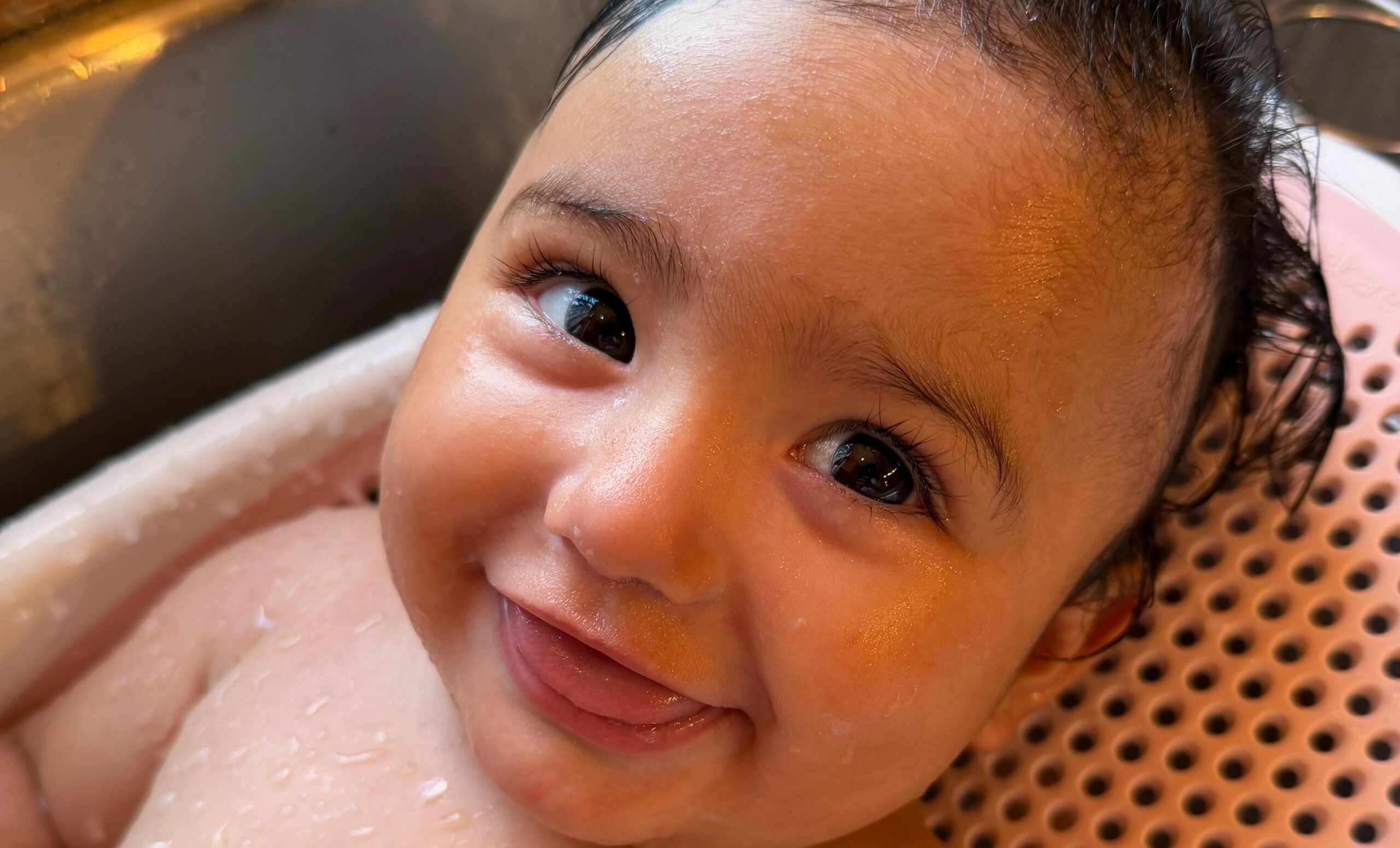
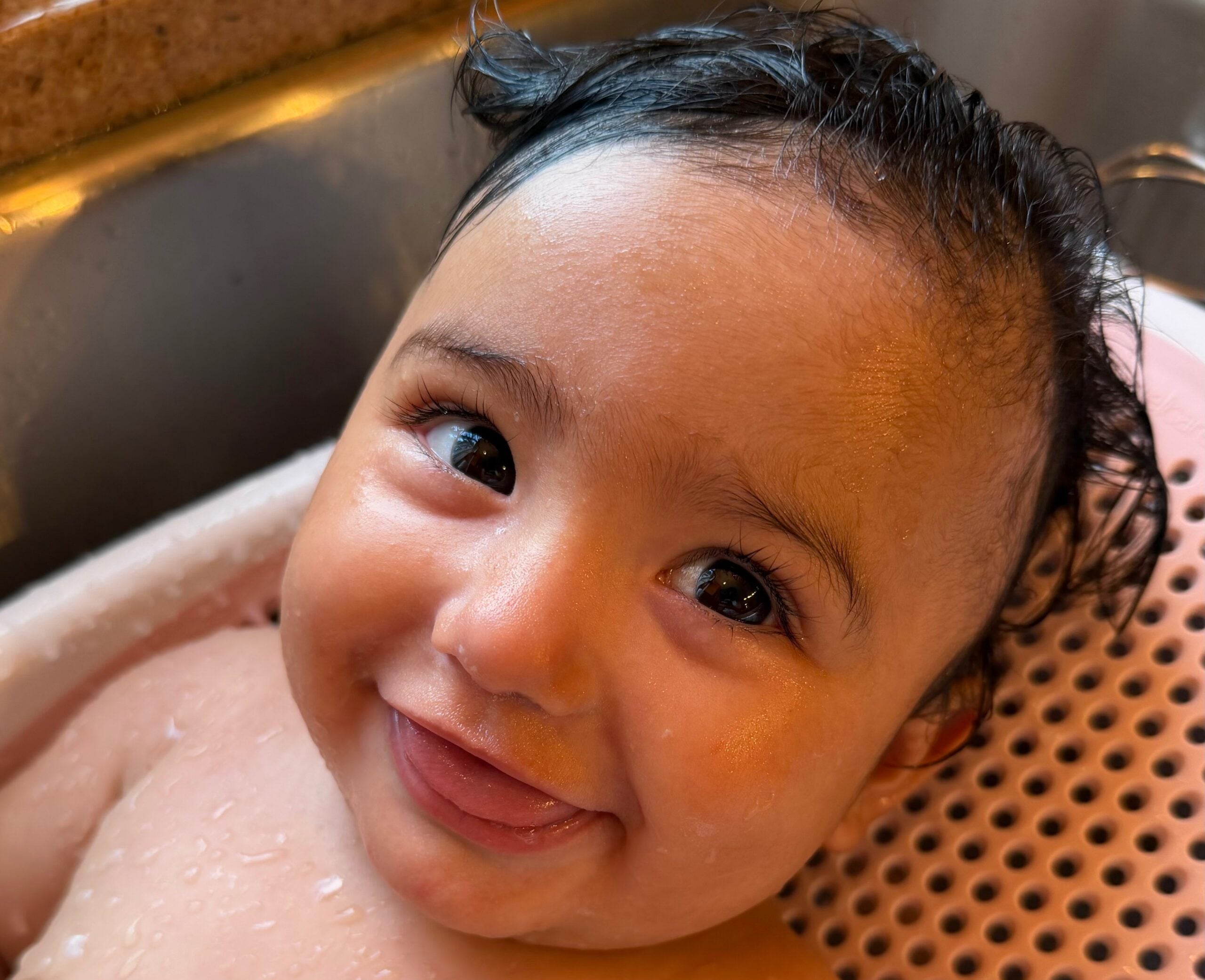
The most common application involves the kitchen sink or the bathtub. Reports indicate that for infants and toddlers, a sink bath serves as a sensory distraction that breaks the cycle of irritability. One caregiver, Joanna, documented the use of sink baths to soothe an infant during the "witching hour"—the late afternoon period characterized by heightened fussiness.
For older children, the application shifts toward longer, more autonomous experiences. Purnima, a long-term practitioner of the method, noted that while her sons initially used bubble baths to resolve fraternal disputes, they transitioned to long showers as teenagers to manage the stressors of academic workloads. This suggests that the JAW method fosters a self-regulation habit that persists into adulthood.

Outdoor Engagement and Natural Environments
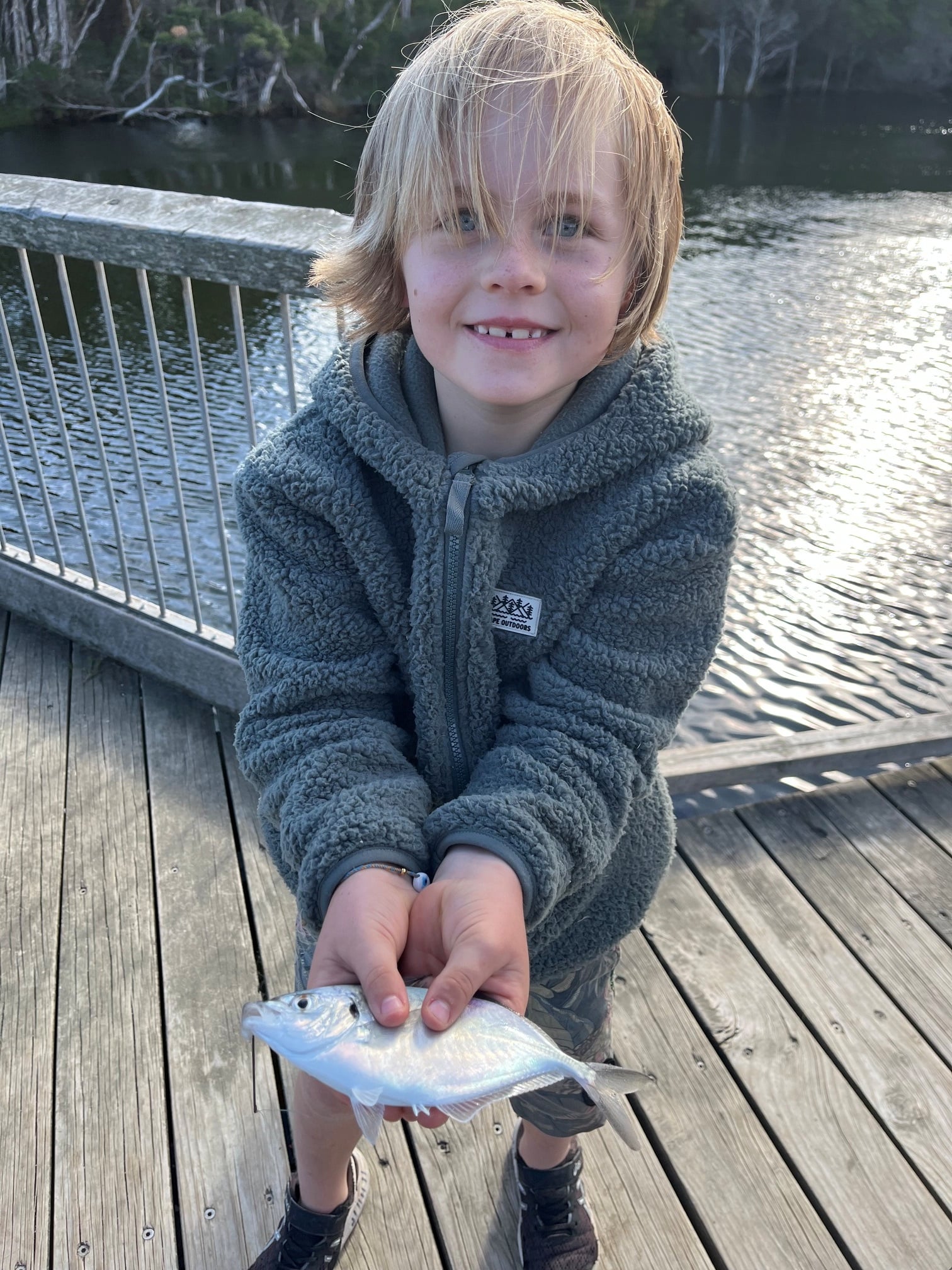
The JAW strategy extends beyond the home into natural water sources. Lauren, a resident living near a jetty, reported that fishing and proximity to the ocean served as a "peaceful way to spend time together" after busy days, even when no fish were caught. This aligns with environmental psychology research suggesting that "blue spaces" (geographic areas located near water) provide greater mental health benefits than "green spaces" (parks or forests) alone.
Similarly, Christa, a mother navigating a divorce and separation, utilized daily morning sea dips as a stabilizing force for both herself and her daughter. This application highlights the strategy’s utility in managing complex family transitions and adult emotional regulation.

Seasonal Adaptation and Creative Interventions
Practitioners of the JAW method have demonstrated significant creativity in adapting the strategy to adverse weather conditions. Claire, a caregiver, reported using car washing as a structured water activity in early March, despite the cold temperatures, specifically to bridge the gap between the end of the school day and the arrival of a second parent.
Other documented interventions include:
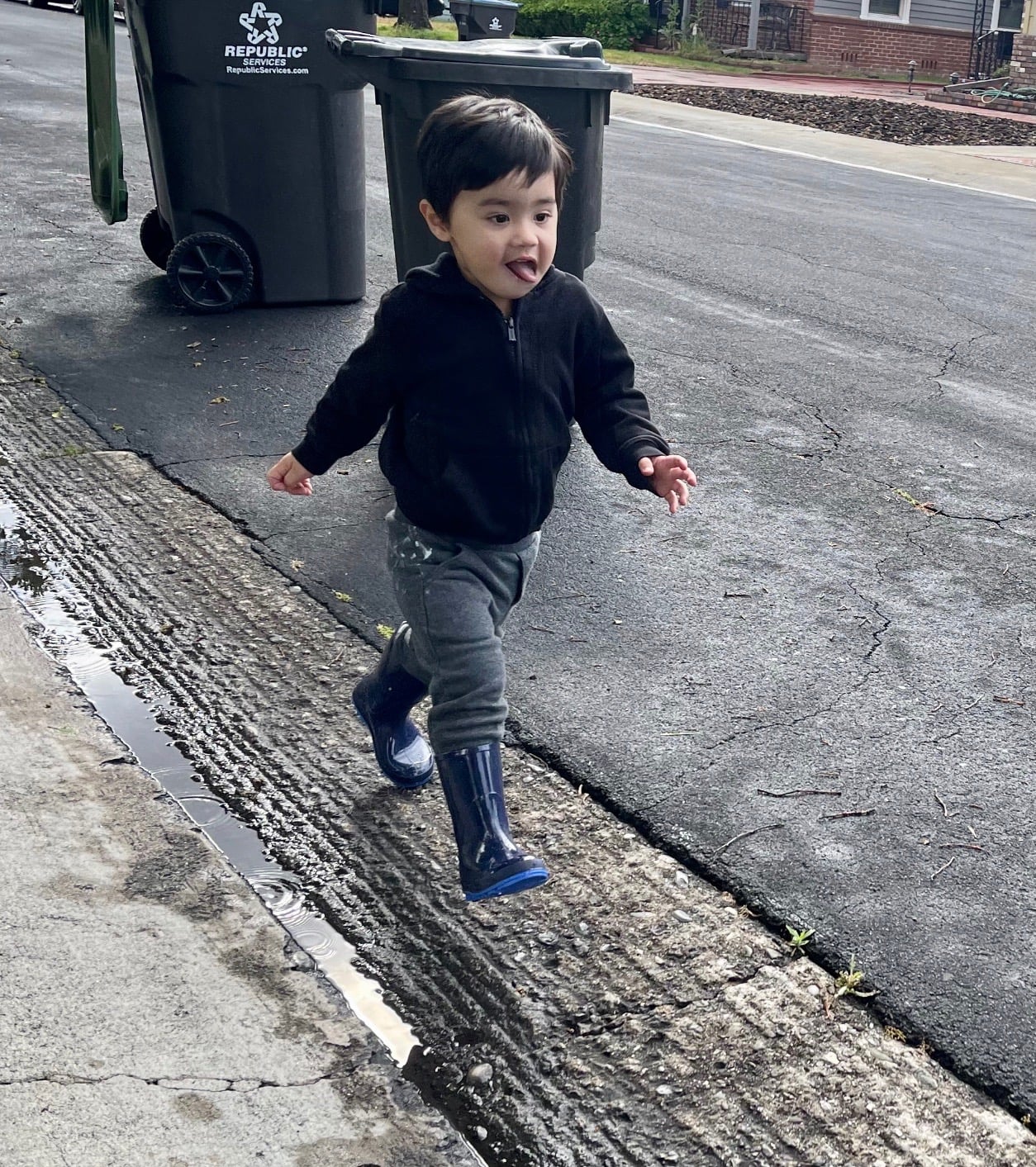
- Rain Walks: Jessica reported that abandoning umbrellas during rainstorms allowed her children to engage in sensory exploration, turning a potentially restrictive indoor day into a high-energy outdoor activity.
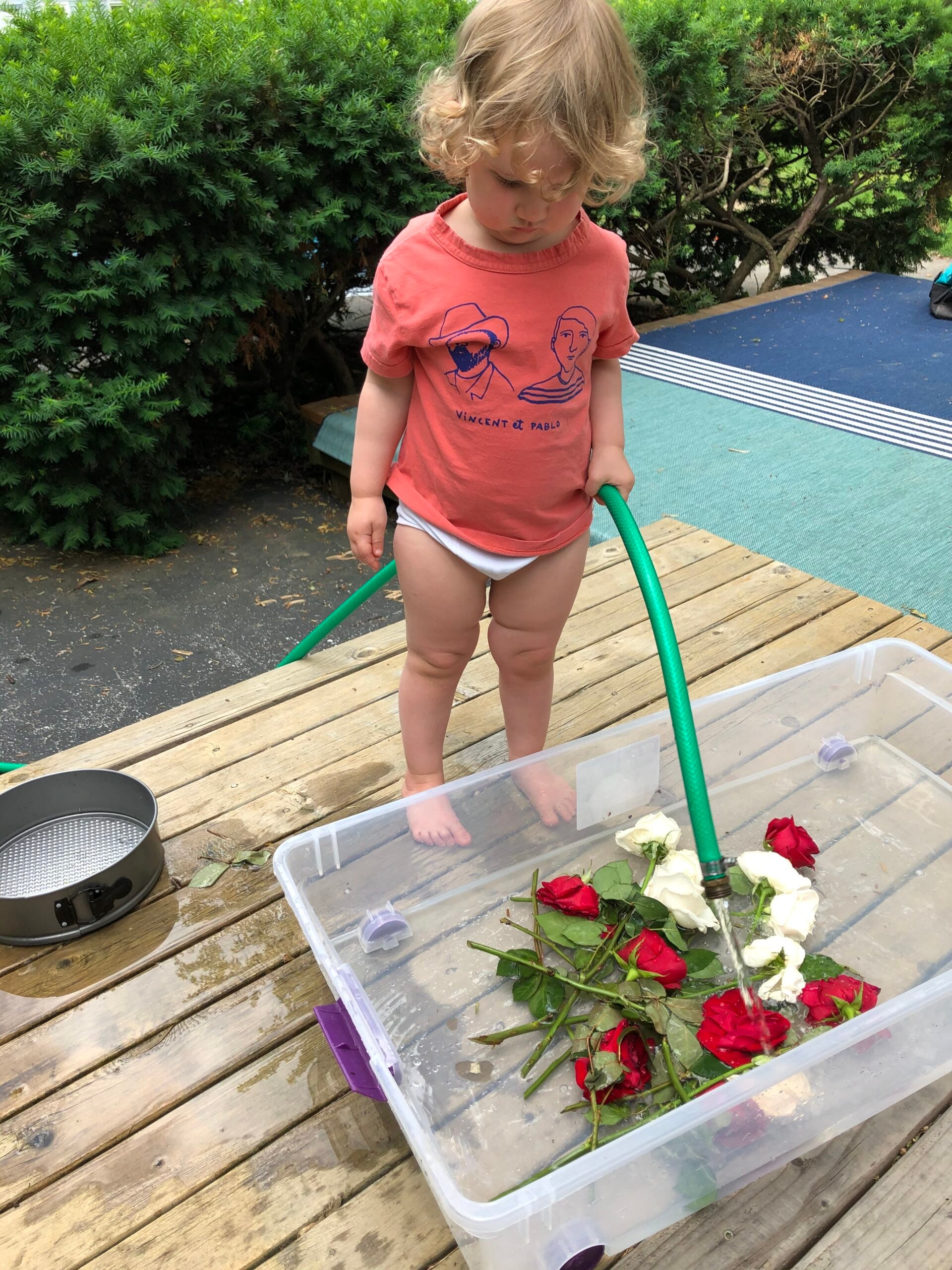
- Sensory Bins: Miranda utilized "floral baths" and sensory bins, where toddlers could "water" plants or play with submerged objects, providing a focused activity that promotes fine motor skills and calm.
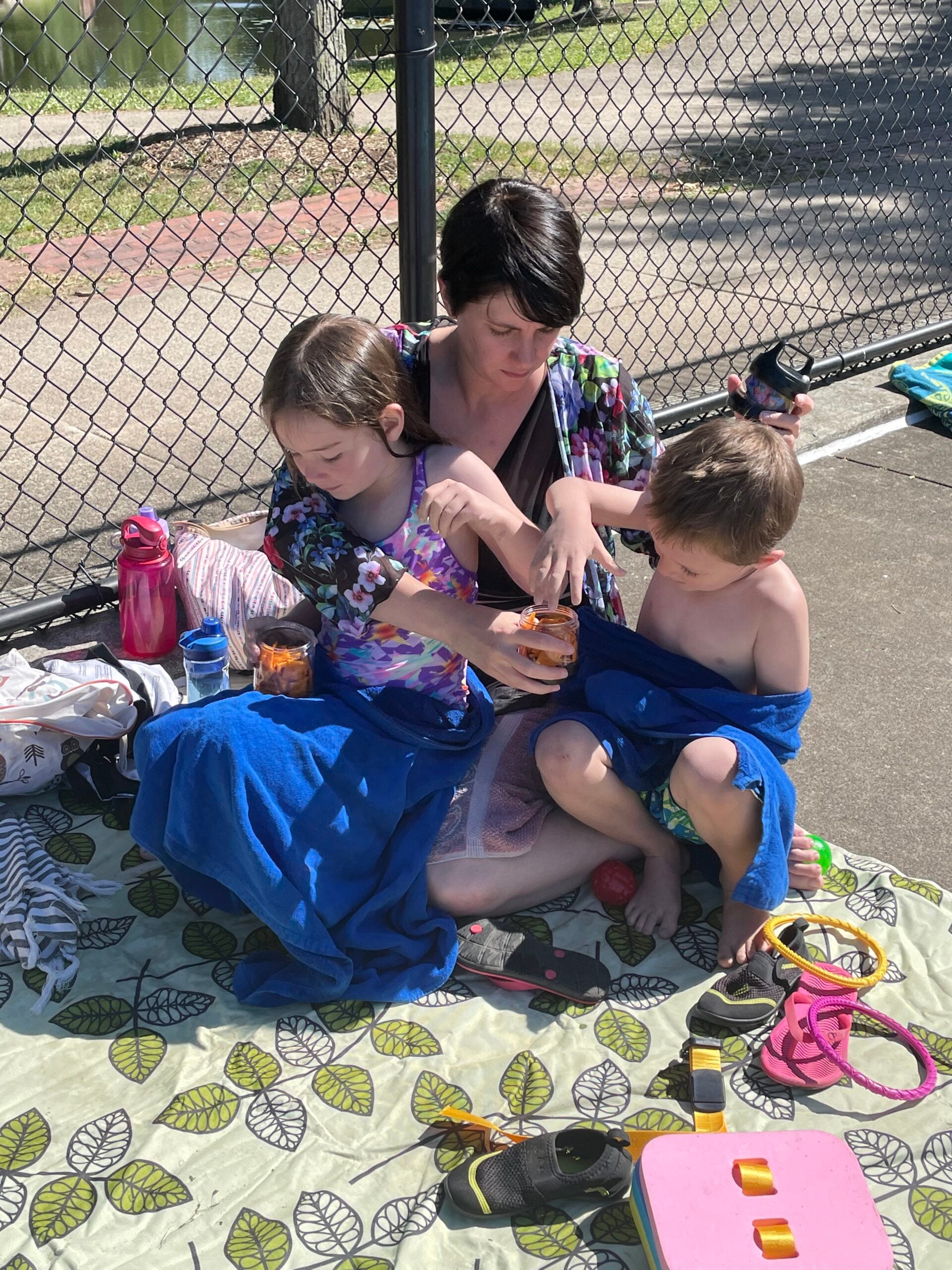
- Splash Pads: Rebekah noted that for children suffering from illness-related irritability, a simple splash pad provided enough stimulation to improve mood and subsequent sleep quality.
Supporting Data on Parental Burnout and Sensory Play
The rise of the JAW strategy coincides with increasing rates of parental burnout. According to a 2024 study on domestic labor, 66% of parents report feeling "burned out" by the constant demand for emotional regulation and activity planning. The JAW method offers a "zero-effort" solution (as described by Helle, a parent in Norway) that offloads the burden of entertainment from the parent to the environment.
Data from pediatric occupational therapists suggests that sensory play—specifically water play—is one of the most effective ways to promote "independent play." By providing a hose, a sprinkler, or a bucket of water, parents create an "open-ended" play environment. This reduces the need for direct parental intervention and allows the child to enter a "flow state," which is critical for cognitive development.
Broader Impact and Implications
The "Just Add Water" phenomenon has broader implications for how modern society views child-rearing and mental health. It represents a move away from "over-parenting" and toward environmental management.
Implications for Mental Health
The strategy serves as a reminder that physiological needs often underpin emotional outbursts. By addressing the physical state through water, parents are often inadvertently addressing dehydration, overheating, or sensory overload. This "bottom-up" approach to emotional regulation—addressing the body to calm the mind—is increasingly favored in trauma-informed care and developmental psychology.
Digital Community Influence
The success of the JAW motto highlights the power of digital communities in disseminating practical, low-barrier health interventions. When a community of thousands validates a single piece of advice, it gains a level of social proof that traditional parenting manuals often lack. This decentralized form of knowledge-sharing allows for a more responsive and empathetic parenting culture.
Conclusion
The "Just Add Water" strategy has proven to be a resilient and versatile tool in the modern parenting arsenal. From its humble beginnings as a comment on a blog to its current status as a global parenting motto, it exemplifies the intersection of intuitive caregiving and sensory science. As parental stressors continue to evolve in a high-tech, high-pressure world, the return to basic elements like water offers a sustainable and accessible path toward emotional equilibrium. The documented experiences of the Cup of Jo community suggest that whether through a kitchen sink, a rainy street, or a coastal jetty, the simple act of adding water remains one of the most effective interventions for the complexities of human emotion.
