

Originally published February 2025. Last reviewed/updated by Craig Canapari, MD in January 2026.
A stark increase in accidental melatonin overdoses among children has prompted urgent calls for parental awareness and potentially enhanced regulatory oversight. Data reveals a staggering 530% surge in melatonin ingestions reported to poison control centers over the past decade, with a particularly sharp acceleration observed since the onset of the COVID-19 pandemic. This trend has positioned melatonin as a leading cause of emergency room visits for children under the age of five, a development that deeply concerns pediatric sleep specialists and public health officials alike.
The concerning statistics were highlighted in a pivotal study, "Pediatric Melatonin Ingestions—United States, 2012-2021," published in the MMWR Morbidity and Mortality Weekly Report on June 3, 2022. This comprehensive analysis, conducted by Lelak and colleagues, meticulously examined poison control center data spanning ten years, painting a clear picture of a burgeoning public health crisis. The findings underscore the critical need for parents to understand the potential risks associated with administering melatonin to children, particularly in light of its widespread availability and seemingly benign reputation.
Escalating Ingestions: A Decade of Concern
The ten-year period under review, from 2012 to 2021, witnessed a dramatic escalation in reported melatonin ingestions. A total of 260,435 incidents were documented, accounting for 2.25% of all reported ingestions during that timeframe. The trajectory of these incidents is particularly alarming: in 2012, melatonin represented a mere 0.6% of all reported ingestions. By 2021, this figure had jumped to 4.9%, indicating a nearly eightfold increase in its proportion of reported ingestions.
Visualizations of this data reveal a consistent upward trend, with a notable inflection point appearing around 2020. This temporal correlation strongly suggests a link between the rise in melatonin ingestions and the societal shifts brought about by the COVID-19 pandemic. Public health experts hypothesize that the widespread sleep disruptions experienced by children during lockdowns, coupled with increased parental stress and the readily accessible nature of melatonin products, contributed significantly to this surge.
Melatonin as a Leading Cause of Emergency Room Visits for Young Children
Perhaps the most unsettling finding from the study is melatonin’s emergence as one of the most frequent causes of emergency room visits for children under five years old. The research estimated that a significant 7% of all emergency department visits for accidental ingestions in this age group were attributable to melatonin. Alarmingly, approximately half of these incidents involved the ingestion of melatonin gummies, which are often formulated to resemble candy, posing a significant risk of accidental overconsumption by young children.

A Closer Look at Severe Outcomes and Fatalities
While many melatonin ingestions are managed at home without severe consequences, the study also documented a concerning increase in more serious outcomes, including hospitalizations and intensive care unit (ICU) admissions. Of the 10.7% of ingestions that required medical intervention at healthcare facilities, 14.7% resulted in hospitalization, and 1% necessitated an ICU stay. While these percentages may seem modest in isolation, they represent a notable increase compared to previous periods, where 1.5% of cases were hospitalized and only 0.1% required ICU care.
It is crucial to contextualize these hospitalization figures. The study noted that a significant portion of hospitalized patients were teenagers who had intentionally ingested melatonin. In such cases, hospitalization is often a standard protocol for safety and assessment, particularly when suicidal intent is suspected. Therefore, "hospitalization" in these instances may not solely reflect the inherent danger of melatonin itself but also the underlying mental health concerns of the individual.
However, the most significant increase in hospitalizations was observed in children younger than five years old, raising particular concern among pediatricians.
The study also reported two fatalities linked to melatonin ingestion. One involved a 13-month-old infant, and the other a 2-month-old infant. Both deaths occurred at home. In one instance, the ingestion was attributed to intentional medication misuse, while the circumstances surrounding the other death remained unknown. These reported fatalities, potentially the first documented deaths directly associated with melatonin overdoses, have amplified concerns among medical professionals.
Identified Risk Factors for Accidental Ingestion
The research identified several key risk factors associated with accidental melatonin ingestions. Male gender and being under the age of five were significantly associated with a higher incidence of these incidents. The overwhelming majority of these ingestions occurred within the home environment, emphasizing the importance of safe storage practices for all medications, including over-the-counter supplements like melatonin.
Navigating the Regulatory Landscape: A Patchwork of Oversight
The regulatory status of melatonin varies significantly across different countries, impacting its accessibility and the level of oversight applied to its production and sale. In the United States, melatonin is classified as a dietary supplement, meaning it is not subject to pre-market approval by the Food and Drug Administration (FDA). The onus is on manufacturers to ensure safety, and the FDA typically intervenes only after a product has been demonstrated to be unsafe. This regulatory framework, while promoting market availability, can lead to inconsistencies in product quality and dosage accuracy.
In contrast, Canada classifies melatonin as a non-prescription health product that must bear a Natural Product Number, indicating compliance with specific government regulations. The European Union has a more nuanced approach. While immediate-release melatonin in doses under 2 mg may have variable status depending on the country, sustained-release formulations generally require a prescription. The European Medicines Agency has established guidelines for melatonin use, and some EU member states, like Poland, permit over-the-counter access.

Other European nations, such as Norway and the United Kingdom, categorize melatonin as a prescription medication. Taiwan regulates melatonin as a controlled substance under its Pharmaceutical Affairs Act. This global disparity in regulation highlights the challenges in establishing universal safety standards and underscores the importance of understanding local regulations when considering melatonin use.
Potential Drug Interactions and Side Effects
Melatonin, like any supplement or medication, can interact with other substances and carry potential side effects, especially when taken in excessive amounts. A pediatric pharmacist at Yale, Sasha Dorzin, PharmD, provided crucial insights into these interactions. While the full spectrum of potential interactions is extensive, Dorzin highlighted common concerns. Melatonin can potentipple the effects of sedative or hypnotic medications, leading to excessive drowsiness. It may also interact with blood thinners, potentially increasing bleeding risk, and with immunosuppressants, potentially affecting their efficacy.
Furthermore, melatonin can influence blood pressure and blood sugar levels. This is particularly relevant for children with pre-existing conditions or those taking medications that impact these vital signs. Parents should exercise extreme caution and consult healthcare professionals if their child is on any medication that affects blood pressure or blood sugar before considering melatonin. Dorzin specifically noted that oral contraceptives, fluvoxamine (an antidepressant), and other hypnotic drugs are common in her patient population and warrant careful consideration due to potential interactions.
The side effects of taking too much melatonin can range from mild to severe and include increased sleepiness, delirium, nausea, vomiting, disrupted nighttime awakenings, dizziness, irritability, and enuresis (bedwetting). These symptoms serve as important indicators that a child may have ingested an excessive dose.
The Multifaceted Reasons Behind the Rise in Overdoses
While the study did not delve into the causal factors behind the surge in melatonin ingestions, several contributing elements are widely believed to be at play. The COVID-19 pandemic undeniably played a significant role. Increased screen time, disrupted routines, and heightened anxiety during lockdowns led to widespread sleep problems among children. In response, many parents turned to melatonin as a seemingly easy solution to help their children fall asleep.
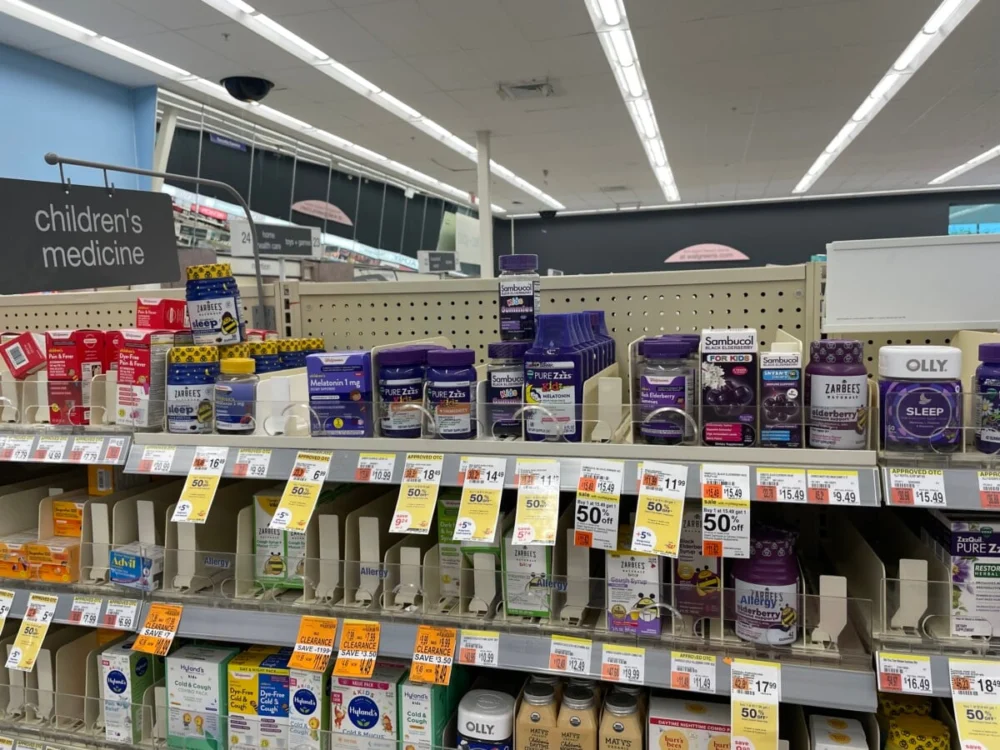
The appealing presentation of melatonin products, particularly gummies, is another critical factor. Designed to be palatable and visually similar to candy, these products are highly attractive to young children, increasing the likelihood of accidental ingestion. The widespread availability of melatonin in grocery stores, pharmacies, and online retailers, often without requiring a prescription or pharmacist consultation, further contributes to its accessibility and potential for misuse.
The lack of stringent regulation in some regions, as noted earlier, also contributes to variability in product potency and purity. This can make it difficult for parents to accurately dose melatonin, increasing the risk of accidental overdose.

When to Seek Medical Help
In the event of a suspected melatonin overdose, immediate action is paramount. Parents are strongly advised to contact the national Poison Help Hotline at 1-800-222-1222. Medical professionals are available around the clock to provide guidance and assistance. This hotline serves as a critical resource for parents facing any poisoning emergency, ensuring prompt and expert advice.
Towards Safer Melatonin Use in Children
For parents who choose to use melatonin for their children, a cautious and informed approach is essential. Healthcare professionals emphasize several key principles for safe usage:
- Consult a Healthcare Professional: Always discuss melatonin use with a pediatrician or sleep specialist before administering it to a child. They can assess the underlying cause of sleep difficulties and recommend appropriate strategies, which may or may not include melatonin.
- Appropriate Dosing: If melatonin is deemed necessary, adhere strictly to the dosage recommended by a healthcare provider. Avoid self-adjusting dosages based on perceived effectiveness.
- Secure Storage: Store melatonin products securely, out of reach and sight of children, just as with any other medication or potentially harmful substance. This is especially critical for gummies, which can be easily mistaken for candy.
- Understand the Purpose: Melatonin is not a cure for all sleep problems. It is a hormone that regulates the sleep-wake cycle and is most effective for issues related to circadian rhythm disruption, such as jet lag or shift work. It is not a sedative and should not be used as a primary solution for behavioral sleep issues without addressing underlying causes.
- Monitor for Side Effects: Be vigilant for any unusual symptoms after administering melatonin and report them to a healthcare provider.
- Consider Alternatives: Explore non-pharmacological approaches to sleep hygiene, such as establishing consistent bedtime routines, ensuring a dark and quiet sleep environment, and limiting screen time before bed.
Broader Implications and Future Directions
The escalating rates of pediatric melatonin ingestions signal a critical public health challenge that requires a multi-pronged approach. Increased public awareness campaigns are needed to educate parents about the potential risks and safe usage of melatonin. Regulatory bodies may need to re-evaluate the oversight of dietary supplements, particularly those marketed towards children. Collaboration between healthcare providers, pharmacists, and manufacturers is vital to ensure accurate labeling, standardized dosing, and clear communication of potential risks.
The availability of comprehensive resources, such as detailed guides on melatonin dosing and safety information, can empower parents to make informed decisions. As research continues to shed light on the long-term effects of melatonin use in children, ongoing vigilance and a commitment to evidence-based practices will be paramount in safeguarding the well-being of the youngest members of society.
