

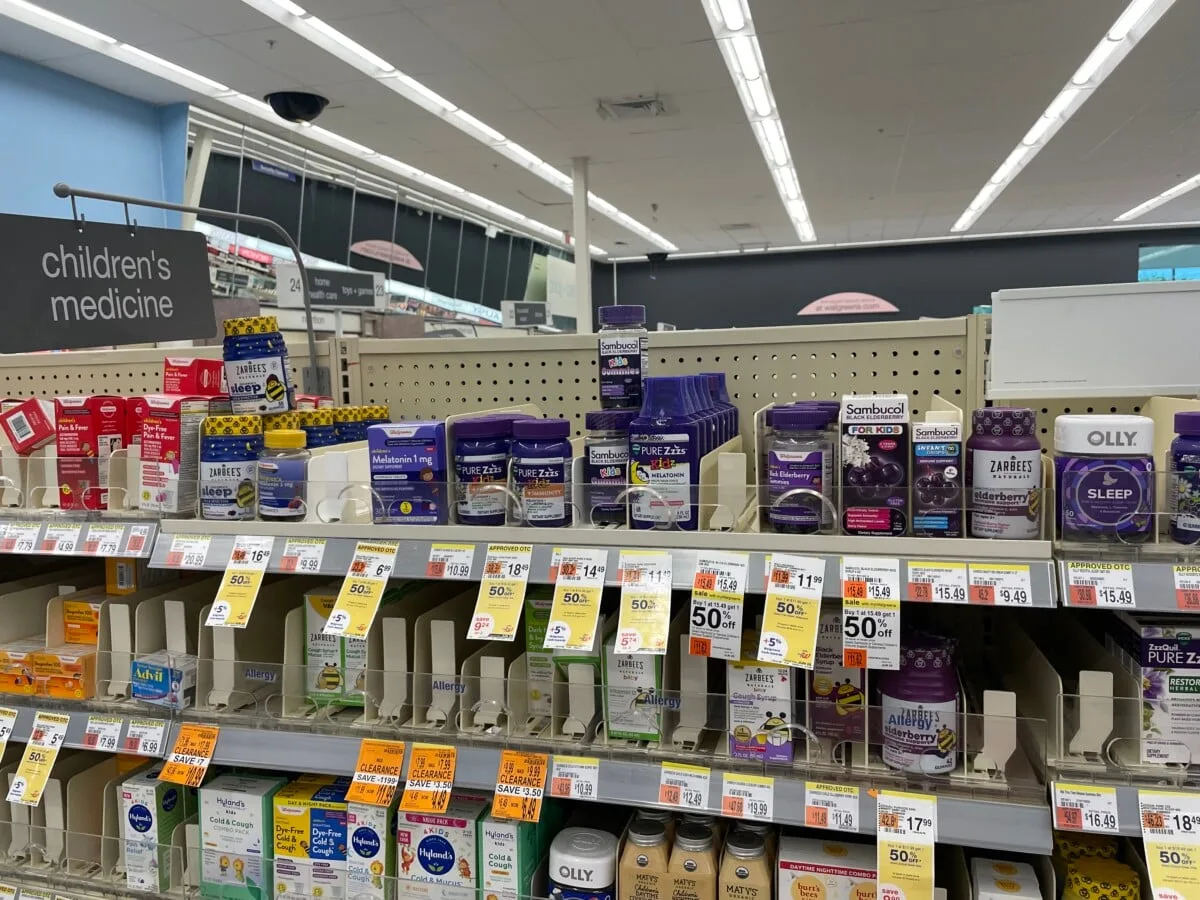
A significant and concerning trend has emerged in pediatric health, with a staggering 530% increase in melatonin overdoses among children over the past decade, a rise that has accelerated notably since the onset of the COVID-19 pandemic. This alarming statistic, highlighted by a recent comprehensive study, underscores a critical need for parents to understand the potential risks associated with melatonin use in children. As a sleep physician and concerned parent, the widespread reliance on this supplement, particularly among young children, warrants a thorough examination of the data and its implications.
The escalating numbers have positioned melatonin as a leading cause of emergency room visits for children under the age of five due to accidental ingestions. Data from a pivotal study revealed that approximately 7% of all emergency department visits for accidental ingestions in this age group were attributed to melatonin. Alarmingly, nearly half of these incidents involved the ingestion of melatonin gummies, a product often designed to resemble candy, further complicating safe storage and administration for young children.
A Deep Dive into the Study: Unpacking the Data
The foundational research, titled "Pediatric Melatonin Ingestions—United States, 2012-2021," published in the Morbidity and Mortality Weekly Report (MMWR) in June 2022, meticulously reviewed poison control center data spanning a decade. The findings paint a stark picture of escalating misuse and accidental ingestions.
1. A Five-Fold Increase in Ingestions, Accelerated Post-Pandemic
Over the ten-year period analyzed, a total of 260,435 reported melatonin ingestions were documented. This figure represented 2.25% of all ingestions reported to poison control centers during the same timeframe. The growth trajectory is particularly concerning: in 2012, melatonin accounted for a mere 0.6% of reported ingestions, a figure that had dramatically climbed to 4.9% by 2021. This represents a more than five-fold increase in the proportion of ingestions attributed to melatonin.
The study’s graphical representation of these trends clearly illustrates a consistent upward climb in melatonin ingestions from 2012 to 2022. The period beginning in 2020 shows a particularly pronounced acceleration, correlating with the widespread disruption and increased sleep challenges experienced by families during the initial phases of the COVID-19 pandemic. This suggests a direct link between pandemic-related stressors and increased reliance on sleep aids for children.

2. Escalating Severity: Hospitalizations, ICU Stays, and Tragic Fatalities
Beyond the sheer volume of ingestions, the study also highlighted a disturbing rise in more severe outcomes. In 2020, melatonin surpassed all other accidentally ingested supplements as the most frequent cause of such incidents in children. This surge in accidental ingestions, particularly among the youngest demographic, has led to a concerning increase in hospitalizations and intensive care unit (ICU) admissions.
The research indicated that 10.7% of reported ingestions required management at healthcare facilities. Of these, a significant 14.7% resulted in hospitalization, with 1% necessitating an ICU stay. While these percentages might seem modest in isolation, they represent a substantial increase compared to previous periods, where approximately 1.5% of cases were hospitalized and 0.1% required ICU care.
A critical distinction was made regarding the demographics of severe outcomes. The majority of hospitalizations were observed in teenagers, often associated with intentional ingestions, which are typically managed with hospitalization for safety and psychiatric assessment. However, the most dramatic increase in hospitalizations was noted in children under the age of five.
Perhaps the most heart-wrenching finding of the study was the report of two deaths linked to melatonin overdoses. One involved a 13-month-old infant, and the other a 2-month-old infant. Both incidents occurred at home, with one ingestion attributed to intentional medication misuse, and the reason for the other remaining unknown. These are believed to be among the first reported fatalities directly associated with melatonin overdoses in the pediatric population, amplifying the urgency of this public health concern.
3. Identifying Risk Factors for Accidental Exposure
The study also shed light on specific factors that increase a child’s risk of accidental melatonin ingestion. These include being male and being less than five years of age. The overwhelming majority of these incidents occurred within the home environment, underscoring the importance of secure storage and vigilant supervision.
Limitations of the Study and Areas for Further Investigation

While the MMWR study provides invaluable data on the prevalence of pediatric melatonin ingestions, it is essential to acknowledge its limitations. As the data is derived from poison control center reports, it does not offer granular details about the medical histories of children who experienced severe outcomes. Key questions remain regarding pre-existing medical conditions, concurrent medication use, and potential drug interactions that might have exacerbated the effects of melatonin overdose. Furthermore, the exact circumstances leading to intentional ingestions among teenagers warrant more in-depth investigation to understand the underlying mental health factors.
Unraveling the "Why": Factors Contributing to the Surge
The study itself was not designed to pinpoint the precise reasons behind the dramatic increase in melatonin overdoses. However, based on clinical observations and broader societal trends, several contributing factors can be inferred:
-
Increased Availability and Accessibility: Melatonin products are widely available over-the-counter in pharmacies and online retailers, often marketed in child-friendly forms like gummies. This ease of access, coupled with a perception of melatonin as a "natural" and therefore harmless supplement, may have led to a decline in parental caution regarding its storage and administration. The visual similarity of melatonin gummies to candy is a significant contributing factor to accidental ingestions.
-
The COVID-19 Pandemic’s Impact on Sleep: The pandemic triggered widespread disruptions to children’s routines, including changes in school schedules, increased screen time, and heightened anxiety. These factors contributed to a surge in sleep disturbances among children, prompting many parents to seek quick solutions. Melatonin, being readily available, became a go-to option. The study’s finding of an accelerated rise in ingestions since 2020 directly supports this hypothesis.
-
Misconceptions about Safety and Efficacy: Despite its widespread use, public understanding of melatonin’s mechanisms of action, appropriate dosing, and potential side effects remains limited. Many parents may not be aware that melatonin is a hormone that regulates the sleep-wake cycle and that exceeding recommended doses can lead to adverse effects.
-
Regulatory Landscape: In the United States, dietary supplements, including melatonin, are not subject to the same rigorous pre-market approval process as pharmaceuticals. The Food and Drug Administration (FDA) does not require supplement manufacturers to prove their products’ safety or efficacy before they reach the market. This regulatory environment, contrasted with stricter regulations in other countries, may contribute to variations in product quality and labeling, potentially increasing the risk of accidental overdose. A comparative analysis of melatonin regulations across different countries reveals significant divergence, with the US adopting a more laissez-faire approach compared to the EU, UK, and Taiwan, which have more stringent controls.
Understanding Drug Interactions and Side Effects

While melatonin is often perceived as benign, it can interact with certain medications and lead to adverse effects, particularly when taken in excess. Pharmacists, such as Sasha Dorzin, PharmD, highlight potential interactions with:
- Oral Contraceptives: These can increase melatonin production, potentially leading to enhanced effects and side effects.
- Fluvoxamine (Luvox): This antidepressant can significantly increase blood melatonin levels.
- Hypnotic Drugs (e.g., benzodiazepines, zolpidem): Concurrent use can amplify sedative effects, increasing the risk of excessive drowsiness and impaired coordination.
- Blood Pressure and Blood Sugar Medications: Melatonin can lower blood pressure and blood sugar levels. Children taking medications for these conditions should be closely monitored if also using melatonin.
The side effects of taking too much melatonin can range from mild to severe and include:
- Excessive sleepiness
- Delirium
- Nausea and vomiting
- Difficulty staying asleep (nighttime awakenings)
- Dizziness
- Irritability
- Bedwetting
Navigating Parental Concerns and Ensuring Safe Use
For parents concerned that their child may have ingested too much melatonin, immediate action is crucial. The National Poison Help Hotline at 1-800-222-1222 provides 24/7 access to medical professionals who can offer guidance and support.
Ensuring the safe use of melatonin in children, when deemed appropriate by a healthcare professional, requires a multifaceted approach:
- Consultation with a Healthcare Provider: Before administering melatonin to a child, parents should always consult with a pediatrician or sleep specialist. They can assess the child’s sleep issues, discuss potential underlying causes, and determine if melatonin is a suitable option, along with appropriate dosing.
- Strict Dosage Adherence: Melatonin should only be administered at the lowest effective dose recommended by a healthcare provider. Over-the-counter products can vary in strength, and precise measurement is essential.
- Secure Storage: Melatonin products, especially gummies, should be stored out of reach and sight of children, just as one would store any medication or hazardous substance. Child-resistant packaging is not always foolproof.
- Education on Potential Risks: Parents need to be fully informed about the potential side effects, drug interactions, and the fact that melatonin is a hormone, not just a simple sleep aid.
- Focus on Sleep Hygiene: Melatonin should be considered a short-term adjunct, not a primary solution for sleep problems. Establishing good sleep hygiene practices, such as consistent bedtime routines, limiting screen time before bed, and creating a conducive sleep environment, is paramount for long-term sleep health.
The rising tide of pediatric melatonin overdoses is a critical public health issue that demands increased awareness, responsible product manufacturing, and vigilant parental supervision. By understanding the risks and consulting with healthcare professionals, parents can make informed decisions to safeguard their children’s health and well-being.
