

A few years ago, parents seeking solutions for their children’s sleep issues primarily turned to melatonin. Today, the landscape has shifted, with magnesium supplements, particularly "sleep gummies," gaining significant traction. This burgeoning interest prompts a closer examination of the scientific evidence and expert opinions regarding magnesium’s role in pediatric sleep.
The Shifting Landscape of Sleep Supplements for Children
The prevalence of sleep disturbances in children is a well-documented concern for parents and healthcare providers alike. Historically, melatonin, a hormone that regulates the sleep-wake cycle, was the go-to supplement. However, recent years have seen a surge in its use, accompanied by a notable increase in reported overdoses and emergency room visits, raising significant safety concerns. This has naturally led parents to explore alternative, "natural" options.
Magnesium, an essential mineral involved in hundreds of bodily functions, has emerged as a prominent contender. Its perceived natural origin and its role in relaxation pathways have fueled its popularity. Google Trends data from February 2025 (and updated in April 2025) reveals a significant upward trend in searches for "magnesium for sleep" compared to "melatonin for sleep" and "theanine for sleep." While melatonin’s search interest peaked in the mid-2010s, magnesium’s interest has been steadily climbing since approximately 2022, indicating a growing parental curiosity and a potential market shift.
Understanding Magnesium’s Role in Sleep and Relaxation
Magnesium is a fundamental element, numbering 12 on the periodic table, and plays a critical role in over 80% of enzymatic reactions within the human body. Its influence extends across multiple physiological systems, including the nervous system, where it is intricately linked to stress response mechanisms.
Research indicates a striking correlation between magnesium deficiency and symptoms of chronic stress. A comparative analysis of stress and magnesium deficiency symptoms highlights significant overlap, suggesting a potential "vicious cycle" where low magnesium exacerbates stress, and stress, in turn, depletes magnesium levels. This connection is particularly relevant for children, who often experience heightened stress from academic pressures, social interactions, and developmental changes.

The Rise of Magnesium Deficiency: Contributing Factors
Recent studies suggest that a substantial portion of the population may be experiencing magnesium deficiency. While these are often population-based estimates and do not definitively diagnose individual deficiency, they point to a widespread issue. Several factors contribute to this growing concern:
- Agricultural Depletion: Modern agricultural practices and soil depletion have led to a significant reduction in the magnesium content of produce over time. Data from 1914 to 2018 shows an 80-90% drop in magnesium, calcium, and iron levels in common vegetables like cabbage, lettuce, and tomatoes. This means that even with a diet rich in fruits and vegetables, individuals may not be obtaining adequate magnesium.
- Processed Food Consumption: The increasing reliance on processed foods, which are typically lower in essential nutrients, further exacerbates the problem. Additionally, certain compounds found in processed beverages, particularly sodas, can interfere with the body’s ability to absorb magnesium from food.
- Diagnostic Challenges: Accurately diagnosing magnesium deficiency can be challenging. The body prioritizes maintaining normal blood magnesium levels, often at the expense of tissue stores in muscles and bones. Consequently, individuals may exhibit symptoms of deficiency despite having seemingly normal blood test results.
Identifying Potential Magnesium Deficiency in Children
While severe magnesium deficiency is rarer in children than in adults, it can occur in specific circumstances. Certain conditions and dietary patterns are associated with a higher risk:
- Picky Eaters: Children with very limited diets may not consume enough magnesium-rich foods.
- Obesity: Studies suggest a correlation between obesity and lower magnesium levels, potentially due to altered absorption or increased utilization in metabolic processes.
- Gastrointestinal Disorders: Conditions like Celiac disease, where a gluten-free diet is necessary, can sometimes lead to deficiencies in various micronutrients, including magnesium, if not carefully managed.
- Chronic Illnesses: Certain chronic medical conditions can impact magnesium absorption or increase its excretion.
Severe magnesium deficiency, characterized by critically low blood magnesium levels, is a medical emergency and can present with symptoms such as muscle weakness, tremors, confusion, and even seizures. It’s important to note that chronic sleep deprivation itself can also contribute to reduced magnesium levels in the blood.
The Evidence for Magnesium’s Impact on Sleep: Adults vs. Children
The scientific literature provides a more nuanced picture when examining magnesium’s effect on sleep.
Evidence in Adults:

Several studies suggest that magnesium supplementation can be beneficial for sleep in adults. Mechanisms include:
- Regulation of Neurotransmitters: Magnesium plays a role in regulating neurotransmitters like GABA, which promotes relaxation and sleep.
- Melatonin Production: It may influence the production and regulation of melatonin.
- Stress Reduction: By mediating the stress response, magnesium can indirectly improve sleep quality.
For instance, a randomized controlled trial published in "Sleep Medicine: X" (Hausenblas et al., 2024) found that magnesium-L-threonate improved sleep quality and daytime functioning in adults reporting sleep problems. Another study from 2002 (Held et al.) indicated that oral magnesium supplementation could reverse age-related changes in neuroendocrine function and sleep EEG patterns in humans.
The Limited Evidence in Children:
The evidence supporting magnesium supplementation for sleep in children is considerably weaker. The original article noted that only one study was found that specifically investigated this link in children. This single study reported no evidence that magnesium supplementation improved children’s sleep. This stark contrast to the adult data underscores the need for caution and further research.
Expert Recommendations: Prioritizing Behavioral Interventions
Pediatric sleep experts, including Dr. Craig Canapari, emphasize that for most children experiencing sleep difficulties, the primary solution lies not in supplements but in establishing robust behavioral interventions. This includes:
- High-Quality Bedtime Routines: Consistent and calming pre-sleep rituals are crucial for signaling to a child’s body that it’s time to wind down.
- Consistent Sleep Schedule: Maintaining regular bedtimes and wake times, even on weekends, helps regulate the body’s natural sleep-wake cycle.
- Behavioral Treatment (Sleep Training): For persistent sleep issues, evidence-based sleep training methods can be highly effective in teaching children to fall asleep independently.
The article strongly advises against using supplements as a first-line treatment for common childhood sleep problems. The focus should remain on foundational sleep hygiene practices.
Dietary Strategies to Enhance Magnesium Intake

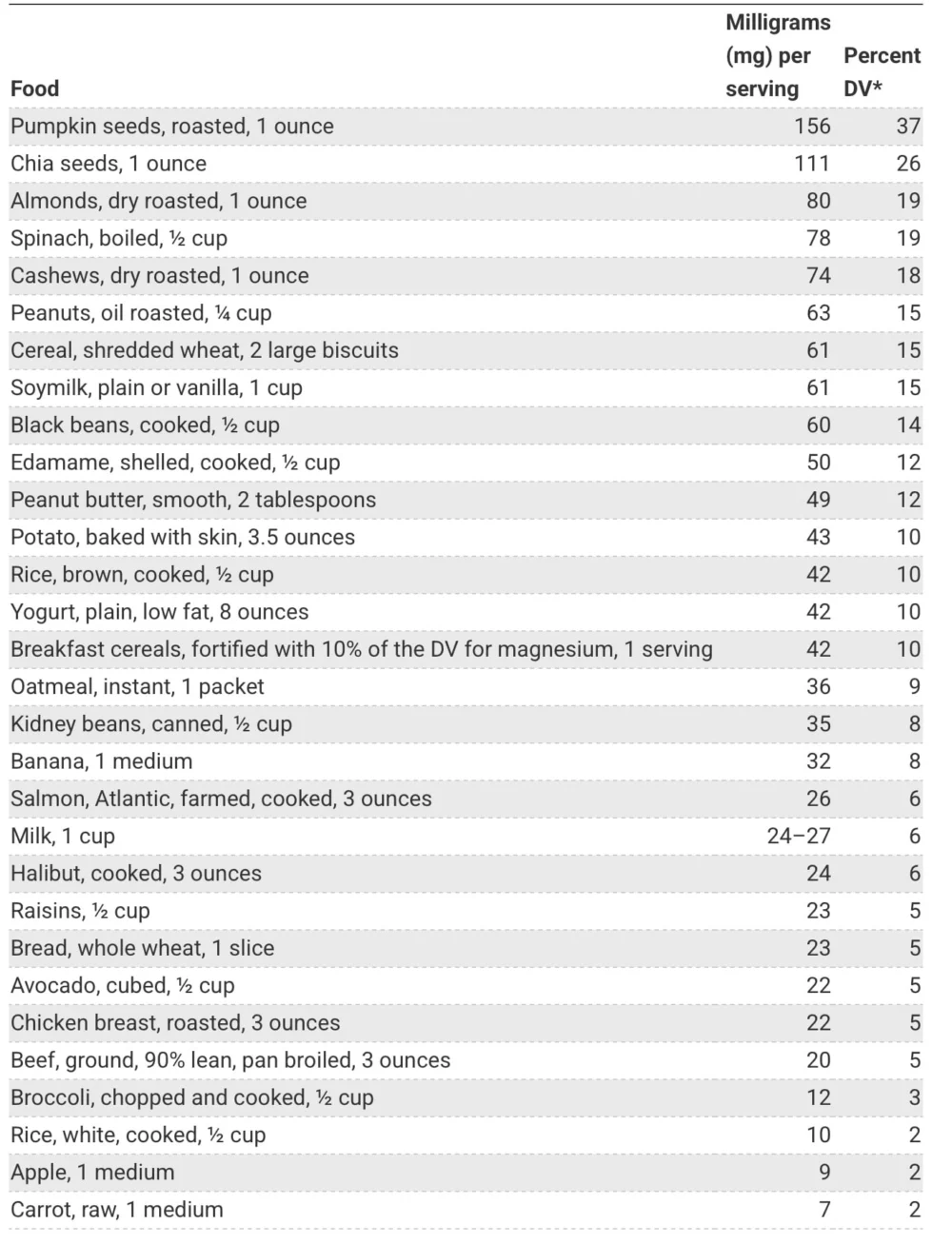
While supplementation may not be a primary recommendation for sleep, increasing dietary magnesium intake is a universally beneficial goal for overall health. Many foods are naturally rich in magnesium, and prioritizing these can help ensure adequate intake:
- Seeds: Pumpkin seeds, chia seeds, and flaxseeds are excellent sources.
- Nuts: Almonds, cashews, and peanuts offer substantial amounts of magnesium.
- Leafy Green Vegetables: Spinach, Swiss chard, and kale are good choices.
- Whole Grains: Brown rice, quinoa, and whole wheat bread contain magnesium.
- Legumes: Black beans, lentils, and chickpeas are also good sources.
- Dark Chocolate: A small amount of dark chocolate can contribute to magnesium intake.
- Fatty Fish: Salmon and mackerel contain magnesium, along with beneficial omega-3 fatty acids.
The article highlights pumpkin seeds, chia seeds, and almonds as particularly accessible and easy ways to boost magnesium intake through diet.
When to Consider Magnesium Supplements for Children
Despite the limited evidence for sleep, there are specific scenarios where a trial of magnesium supplementation might be considered for children, always under the guidance of a pediatrician:
- Children with Documented Magnesium Deficiency: If a blood test or other clinical indicators reveal a confirmed magnesium deficiency.
- Children with Specific Medical Conditions: Certain conditions that affect nutrient absorption or increase magnesium excretion may warrant supplementation.
- Children Experiencing Symptoms of Magnesium Deficiency: Beyond sleep issues, if a child exhibits other signs like muscle cramps, fatigue, or irritability, and other causes have been ruled out.
- Children with ADHD on Methylphenidate: Some preliminary research suggests a potential role for magnesium in managing certain symptoms in children with ADHD undergoing treatment, although this is an area requiring more investigation.
- Children with Autism Spectrum Disorder: Preliminary studies are exploring the link between magnesium levels and symptom severity in ASD, but more robust evidence is needed.
The article advises caution with magnesium supplementation for children under three years old, recommending consultation with a pediatrician before initiating any supplement. Any trial of magnesium should be accompanied by a comprehensive sleep plan, including established routines and schedules.
Dosage and Safety Considerations for Magnesium Supplements
Determining the appropriate dosage of magnesium supplements for children requires careful consideration of age and the specific type of magnesium. The Recommended Dietary Allowance (RDA) for magnesium varies by age group. For example, children aged 1-3 years have an RDA of 65 mg, while children aged 9-18 years have an RDA of 350 mg.
It is crucial to read supplement labels carefully, as the amount of elemental magnesium can vary significantly between products and forms (e.g., magnesium citrate, magnesium glycinate).

Magnesium supplementation is generally considered safe, as the kidneys excrete excess magnesium. However, individuals with kidney disease should consult their doctor before taking magnesium supplements. Potential side effects, though usually mild and related to gastrointestinal distress, can include:
- Diarrhea
- Nausea
- Abdominal cramping
True magnesium toxicity is rare and typically associated with extremely high doses. A case report from 2000 described a child experiencing cardiac arrest and death after consuming an excessive amount of magnesium oxide. Unlike the significant rise in emergency room visits and poison control calls associated with melatonin overdoses, there is no comparable data indicating an uptick in magnesium-related incidents.
Expert Analysis and Future Directions
The increasing interest in magnesium for children’s sleep reflects a broader societal trend toward seeking natural health solutions. While the evidence directly linking magnesium supplementation to improved pediatric sleep remains limited, the growing awareness of magnesium deficiency and its broader health implications is significant.
Dr. Canapari’s personal experience suggests that magnesium glycinate has been helpful for his own sleep, and he has found it beneficial in rare patient cases. This anecdotal evidence, while not a substitute for rigorous scientific study, points to potential benefits in specific individuals.
The implications of this trend are multifaceted. It highlights the public’s desire for accessible, over-the-counter remedies for common health concerns like sleep disturbances. However, it also underscores the critical need for evidence-based guidance to ensure parents make informed decisions about their children’s health.
Key Takeaways:
- Limited Evidence for Pediatric Sleep: There is currently no robust scientific evidence to support the use of magnesium supplements specifically for improving sleep in children.
- Importance of Behavioral Interventions: For childhood sleep issues, establishing healthy sleep routines and consistent schedules remains the most effective strategy.
- Magnesium’s Essential Role: Magnesium is vital for numerous bodily functions, including stress management, and deficiency is increasingly common.
- Dietary Sources are Key: Prioritizing magnesium-rich foods is the primary way to ensure adequate intake.
- Consider Supplementation Under Guidance: Magnesium supplementation may be considered for children with confirmed deficiency or specific medical conditions, always with pediatric consultation.
- Safety Profile: Generally safe, but potential side effects and the importance of consulting a doctor, especially for individuals with kidney issues, should be noted.
As research into magnesium’s role in human health continues, a clearer understanding of its specific benefits and appropriate applications for children will likely emerge. Until then, a balanced approach that prioritizes evidence-based sleep hygiene and consults healthcare professionals for personalized advice is paramount.
