

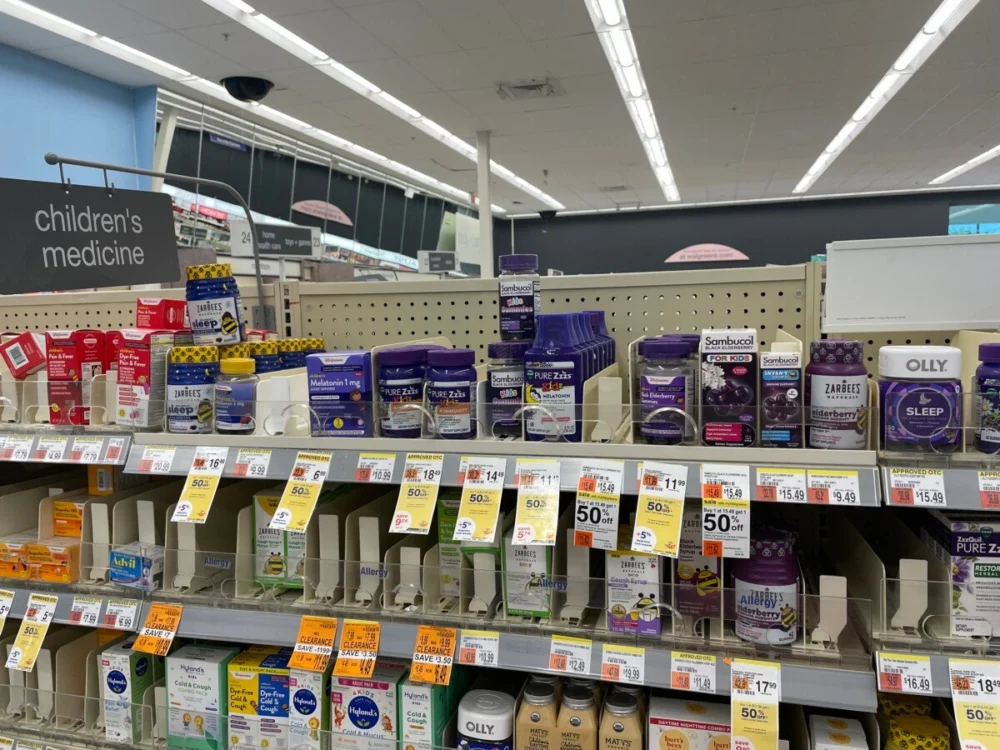
The use of melatonin supplements, particularly among children, has surged dramatically over the past decade, leading to a significant increase in emergency room visits and serious health concerns. A comprehensive analysis of poison control data has revealed a staggering 530% rise in melatonin ingestions among children in the last ten years, with a particularly sharp acceleration observed since the onset of the COVID-19 pandemic. This trend, documented in a pivotal study, underscores a growing public health challenge that necessitates parental awareness and a deeper understanding of the risks associated with this widely accessible supplement.
The Escalating Crisis: Melatonin Overdoses Reach Unprecedented Levels
Recent data paints a concerning picture of melatonin’s increasing presence in pediatric emergencies. A study published in June 2022, titled "Pediatric Melatonin Ingestions—United States, 2012-2021," examined poison control center records over a ten-year period, revealing a stark upward trajectory in accidental melatonin ingestions by children. This research, conducted by Lelak and colleagues and published in the Morbidity and Mortality Weekly Report (MMWR), highlighted that melatonin has become a leading cause of emergency room visits for children under the age of five due to accidental ingestions.
The study’s findings are particularly alarming:
- Exponential Growth in Ingestions: Between 2012 and 2021, the total number of reported melatonin ingestions reached 260,435. This accounted for 2.25% of all ingestions reported during that period. The proportion of ingestions attributed to melatonin rose from a mere 0.6% in 2012 to 4.9% in 2021, a nearly eight-fold increase.
- Pandemic Acceleration: A notable surge in melatonin ingestions was observed beginning in 2020, coinciding with the early stages of the COVID-19 pandemic. This period was characterized by widespread school closures, disruptions to routines, and increased parental stress, all of which may have contributed to sleep disturbances in children.
- Gummy Formulations a Key Factor: Approximately half of the accidental ingestions leading to emergency room visits for children under five involved melatonin gummies. The palatable nature and candy-like appearance of these formulations are believed to be a significant factor in accidental ingestion by young children.
- Serious Outcomes on the Rise: Beyond mere ingestions, the study also documented an increase in more severe outcomes. While the exact figures vary, the trend lines indicate a rise in hospitalizations and intensive care unit (ICU) admissions related to melatonin ingestions.
A Timeline of Concern: From Supplement to Emergency Room Staple

The narrative of melatonin’s rise in pediatric emergencies can be traced through the data:
- Pre-2020: Melatonin was already a common over-the-counter sleep aid, but its presence in pediatric poison control data was relatively modest.
- Early 2020 Onward: The onset of the COVID-19 pandemic appears to be a critical turning point. Reports suggest a significant uptick in parents turning to melatonin to manage their children’s sleep issues, which were exacerbated by altered schedules and increased screen time.
- 2020: Melatonin officially became the most frequently accidentally ingested supplement among children, surpassing other common culprits.
- 2021-2022: The trend continued, with the study’s data reflecting the cumulative impact of these years. The research published in June 2022 provided a robust statistical foundation for understanding the scope of the problem.
- Ongoing Monitoring: Health officials and researchers continue to monitor these trends, recognizing the need for ongoing public health advisement and potentially revised regulatory approaches.
Behind the Numbers: Hospitalizations, ICU Stays, and Tragic Losses
The study’s findings extend beyond simple ingestion statistics, highlighting the potential for severe adverse events:
- Healthcare Facility Management: Approximately 10.7% of reported melatonin ingestions required management at healthcare facilities. Of these, 14.7% resulted in hospitalization, and 1% necessitated an ICU stay. While these percentages may seem small in isolation, they represent a substantial increase compared to previous periods, where approximately 1.5% of cases were hospitalized and 0.1% required ICU care.
- Demographic Considerations: The study noted that most hospitalizations involved teenagers who had intentionally ingested melatonin. It is crucial to interpret these figures with caution, as hospitalizations for teenagers with suicidal ideation often involve a broader safety and assessment protocol that may not solely reflect the inherent toxicity of melatonin. However, the most significant increase in hospitalizations was observed in children under the age of five, a demographic far more susceptible to accidental overdose.
- Unprecedented Fatalities: The study documented two deaths associated with melatonin ingestions. One involved a 13-month-old, and the other a 2-month-old infant. The circumstances surrounding these tragedies were varied, with one ingestion linked to intentional misuse and the cause of the other remaining unknown. These reports are believed to be among the first documented fatalities directly associated with melatonin overdose.
Factors Contributing to the Rise in Pediatric Melatonin Overdoses
While the study itself did not delve into the root causes, several interconnected factors are likely contributing to this alarming trend:
- Increased Availability and Accessibility: Melatonin is widely available over-the-counter in various forms, including gummies, liquids, and tablets. Its perception as a "natural" supplement can lead to a false sense of security, with parents underestimating its potential for harm.
- Misunderstanding of Melatonin: Many parents may not fully grasp that melatonin is a hormone that regulates sleep-wake cycles. It is not a benign candy but a substance that can have significant physiological effects, especially when taken in inappropriate doses or by young children.
- The COVID-19 Pandemic’s Impact: The pandemic undeniably disrupted children’s sleep patterns. Stress, anxiety, increased screen time, and altered daily routines contributed to widespread sleep difficulties. Melatonin became a readily accessible, albeit not always appropriate, solution for parents seeking to alleviate their children’s sleep problems.
- Marketing and Packaging: The proliferation of melatonin gummies, often brightly colored and packaged to resemble candy, makes them particularly appealing and accessible to young children. This visual similarity can lead to accidental ingestions when children mistake them for treats.
- Variability in Product Quality and Regulation: In the United States, dietary supplements, including melatonin, are not as rigorously regulated as pharmaceuticals. The Food and Drug Administration (FDA) does not require pre-market approval for supplements, meaning the purity, potency, and actual dosage in a product can vary significantly between brands and even between batches of the same product. This lack of stringent oversight can lead to inconsistencies in dosage and potential contamination.
- Off-Label and Unsupervised Use: Melatonin is often used without consultation from healthcare professionals. Parents may rely on anecdotal evidence or online information rather than seeking professional guidance on appropriate dosing and usage for their children.
Regulatory Landscape: A Patchwork of Approaches

The regulatory environment surrounding melatonin varies significantly across different countries, influencing its availability and perceived safety:
- United States: Melatonin is classified as a dietary supplement, meaning it is not subject to the same stringent testing and approval processes as prescription medications. The onus is on manufacturers to ensure safety, and the FDA intervenes only after a product is found to be unsafe.
- Canada: Melatonin is regulated as a non-prescription health product under the Food and Drug Regulations, requiring a Natural Product Number (NPN) to be marketed.
- European Union: Regulations are more varied. While some immediate-release formulations under 2 mg may be available non-prescription in certain countries, sustained-release versions generally require a prescription. The European Medicines Agency (EMA) has established specific guidelines for its use.
- United Kingdom: Historically following EU guidelines, melatonin for sleep is typically available by prescription.
- Taiwan: Melatonin is considered a controlled substance and is regulated under the Pharmaceutical Affairs Act.
This disparity in regulation highlights the complex global approach to managing melatonin, with some regions adopting stricter controls due to concerns about its potential misuse and adverse effects.
Potential Drug Interactions and Side Effects
Beyond accidental overdose, it is crucial to be aware of potential interactions and side effects associated with melatonin use:
- Drug Interactions: Melatonin can interact with several medications. Notably, it can potentiate the effects of:
- Fluvoxamine: An antidepressant that can increase melatonin levels.
- Hypnotic Drugs: Medications used to induce sleep, potentially leading to excessive sedation.
- Oral Contraceptives: These can increase the body’s natural production of melatonin, and combined with supplemental melatonin, could lead to higher levels.
- Medications Affecting Blood Pressure: Melatonin can lower blood pressure. Individuals taking antihypertensive medications should exercise caution.
- Medications Affecting Blood Sugar: Melatonin can influence blood sugar levels, requiring careful monitoring for those with diabetes or taking diabetes medications.
- Reported Side Effects: Excessive intake of melatonin can lead to a range of adverse effects, including:
- Daytime sleepiness and drowsiness
- Delirium or confusion
- Nausea and vomiting
- Nighttime awakenings
- Dizziness
- Irritability
- Bedwetting
When to Seek Immediate Medical Attention
Parents who are concerned that their child may have ingested too much melatonin should not hesitate to contact the national Poison Help Hotline at 1-800-222-1222. This hotline connects callers with medical professionals who can provide immediate guidance and assistance.

Promoting Safe Use and Informed Decisions
Ensuring the safe use of melatonin, especially in pediatric populations, requires a multi-faceted approach:
- Consultation with Healthcare Professionals: Parents should always consult with their pediatrician or a qualified healthcare provider before giving melatonin to their children. This ensures appropriate assessment of the child’s sleep issues and guidance on the most suitable and safest interventions.
- Appropriate Dosing: If melatonin is deemed appropriate, healthcare providers can recommend the correct dosage based on the child’s age, weight, and specific sleep concerns. It is crucial to follow these recommendations precisely.
- Secure Storage: Melatonin products, particularly gummies, should be stored securely out of the reach of children, much like any other medication or potentially harmful substance.
- Awareness of Packaging: Parents should be mindful of the packaging and presentation of melatonin products, recognizing that their resemblance to candy poses a significant risk.
- Education on Risks and Benefits: A thorough understanding of both the potential benefits and risks of melatonin is essential for informed decision-making. This includes recognizing that melatonin is not a "magic bullet" for sleep problems and that underlying issues may require different interventions.
The escalating rates of pediatric melatonin overdoses serve as a critical public health warning. As a sleep physician and a concerned parent, the data is deeply concerning. The widespread availability and appealing packaging of melatonin products, coupled with increased parental reliance during times of stress, have created a perfect storm for accidental ingestions. A concerted effort involving healthcare providers, parents, and potentially regulatory bodies is necessary to mitigate these risks and ensure the well-being of children.
For parents seeking to understand melatonin more comprehensively, including its mechanisms of action, the scientific evidence supporting its use, and guidance on safe administration, resources such as detailed guides and informational articles are invaluable. These resources can empower parents with the knowledge needed to make informed decisions regarding their child’s sleep health, prioritizing safety and evidence-based practices above all else.
