

The transition from the leisure of summer vacation to the structured environment of the academic year represents one of the most significant annual shifts for approximately 50 million students and their families across the United States. While the season is often associated with logistical challenges and increased household expenditures, a growing body of sociological and psychological evidence suggests that the implementation of specific domestic rituals can significantly mitigate "re-entry" anxiety and foster a positive educational outlook. As school districts nationwide commence their fall terms, experts are identifying key strategies—ranging from culinary traditions to strategic retail habits—that transform a period of high stress into one of celebration and emotional stability.
The Architecture of the Back-to-School Transition
The return to the classroom is not merely a change in schedule; it is a psychological milestone that requires careful management of expectations and emotions. For parents who have navigated this cycle over a decade or more, the process involves a blend of emotional support and practical preparation. Research indicates that the "first-day-of-school" experience is often a bellwether for a student’s performance in the initial quarter. Consequently, families are increasingly adopting "festivity-based" interventions to bridge the gap between the freedom of August and the rigor of September.
Strategic Culinary Rituals and Their Psychological Impact
One of the most effective methods for grounding children during periods of change is the establishment of predictable, high-value culinary traditions. Nutritional experts and child psychologists note that the olfactory and gustatory sensations associated with home-cooked meals can provide a sense of security.
The Role of Breakfast in Academic Readiness
The introduction of specialized morning meals, such as home-baked muffins, serves a dual purpose. Beyond the obvious nutritional benefits, the act of baking creates a sensory-rich environment that can soothe nervous systems. Popular choices among modern households include nutrient-dense options like zucchini chocolate chip muffins or seasonal favorites such as apple cider muffins. These choices allow parents to incorporate hidden vegetables or fruits, ensuring that the student begins the day with sustained energy levels.
The "Eve of School" Celebration
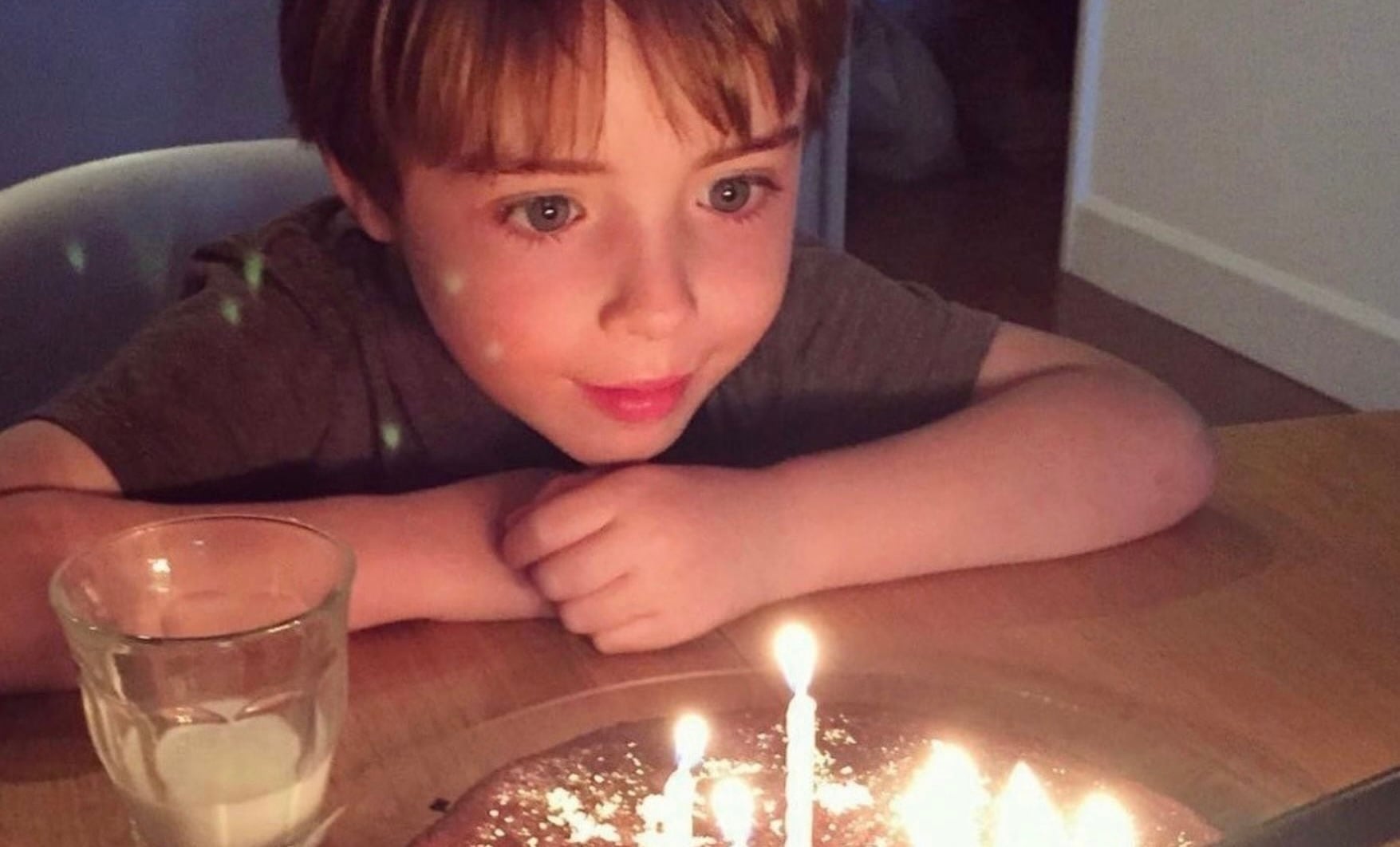
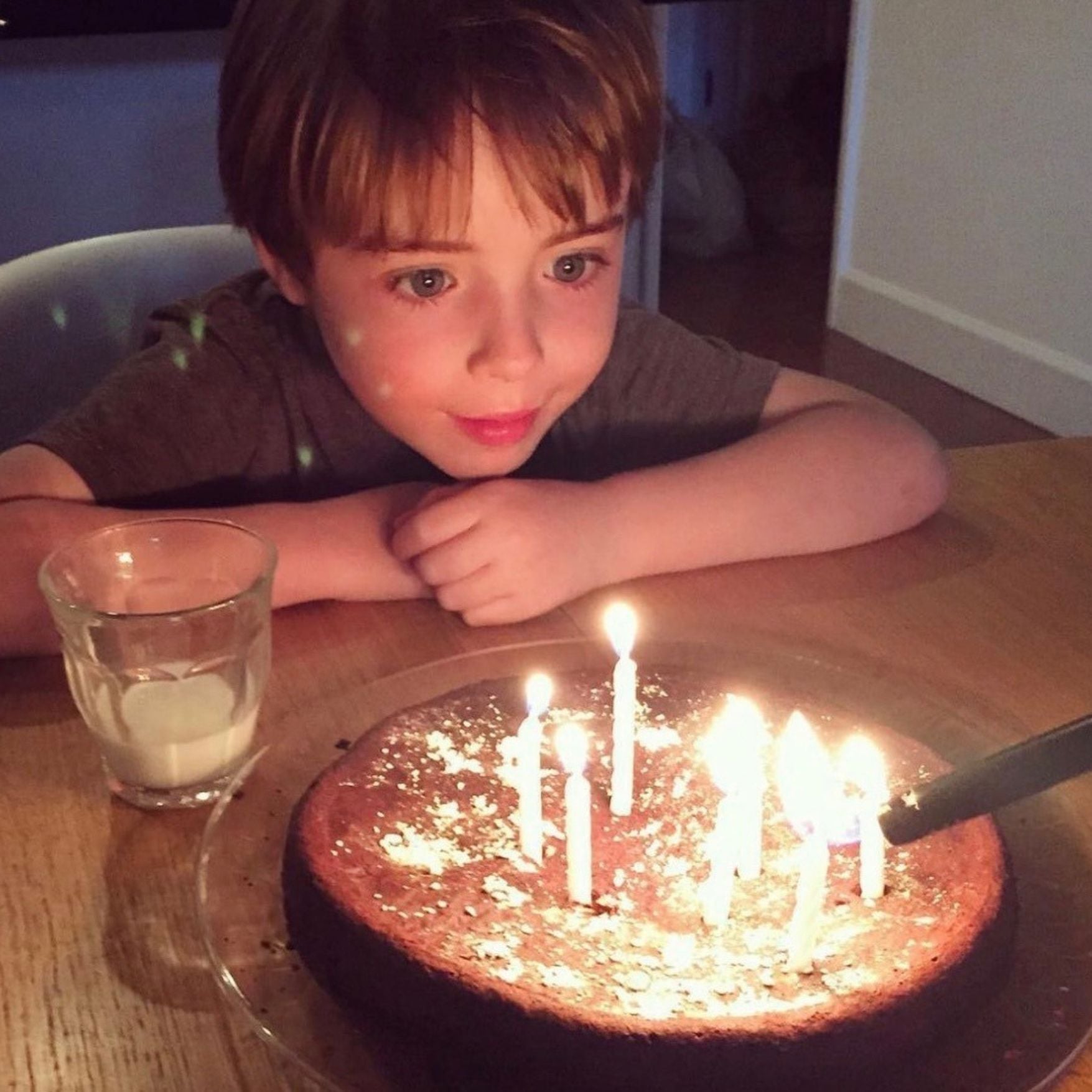
A burgeoning trend in domestic management is the "night before" celebration, often featuring a cake or a special dessert. By treating the evening before the first day as a festive milestone—complete with candles and celebratory wishes—parents can pivot the narrative from one of dread to one of anticipation. This ritual acts as a psychological anchor, signaling to the child that the transition is a positive achievement rather than a loss of summer freedom.
The Economic and Social Dynamics of Back-to-School Shopping
The back-to-school season is the second-largest spending period for American consumers, trailing only the winter holidays. According to the National Retail Federation (NRF), total spending for K-12 and college supplies is projected to reach record highs this year, with the average household spending over $800 on electronics, apparel, and basic supplies.
Evolution of Apparel Trends
The modern retail landscape has shifted toward brands that emphasize quality, sustainability, and value. Companies such as Quince have gained significant market share by offering high-end materials—like organic cotton and washable silk—at accessible price points. This shift reflects a broader consumer trend toward "slow fashion" even in the children’s sector. Essential items for the new term typically include piqué polos, cotton sweaters, and durable backpacks, which serve as the "uniform" of the modern student, providing comfort and a sense of belonging within the school social hierarchy.
Organizational Efficiency through Bulk Purchasing
Practicality remains at the forefront of successful school preparation. A common logistical hurdle in multi-child households is the management of laundry and personal effects. Domestic strategists recommend simplified systems, such as color-coding essential items. For example, assigning black socks to one child and white socks to another significantly reduces "laundry friction" and empowers children to manage their own morning routines. This micro-level organization contributes to a macro-level sense of household calm.

Addressing Separation Anxiety through Bibliotherapy
For younger students, particularly those entering preschool or kindergarten, separation anxiety remains a primary obstacle. Educational experts frequently point to "bibliotherapy"—the use of literature to help children cope with emotional stress—as a vital tool.
A cornerstone of this practice is the 1993 classic The Kissing Hand by Audrey Penn. The narrative, which involves a mother raccoon kissing her cub’s palm to provide comfort during his first night at school, has become a standard recommendation for parents. By creating a physical "touchstone" for the child, parents provide a tangible reminder of home and safety. This practice is supported by child development specialists who emphasize the importance of "transitional objects" or rituals in helping children navigate the boundary between home and the outside world.
Managing the Adolescent Transition: Autonomy and Digital Literacy
As students enter their teenage years, the nature of back-to-school preparation shifts from parental guidance to the promotion of autonomy. For adolescents aged 13 to 18, the transition is marked by a desire for independence balanced by a lingering need for emotional support.
The Role of Digital Currency
In an increasingly digital economy, the use of gift cards, such as those from Apple, has emerged as a tool for teaching financial responsibility. By providing a set amount of digital currency for the purchase of apps, music, educational tools, or hardware accessories like AirPods, parents allow teenagers to exercise agency over their own "digital toolkit." This method serves as a safe entry point into adult-level decision-making while ensuring that the expenditures remain within the ecosystem of student-appropriate media and technology.
The "Push-Pull" of Adolescent Development
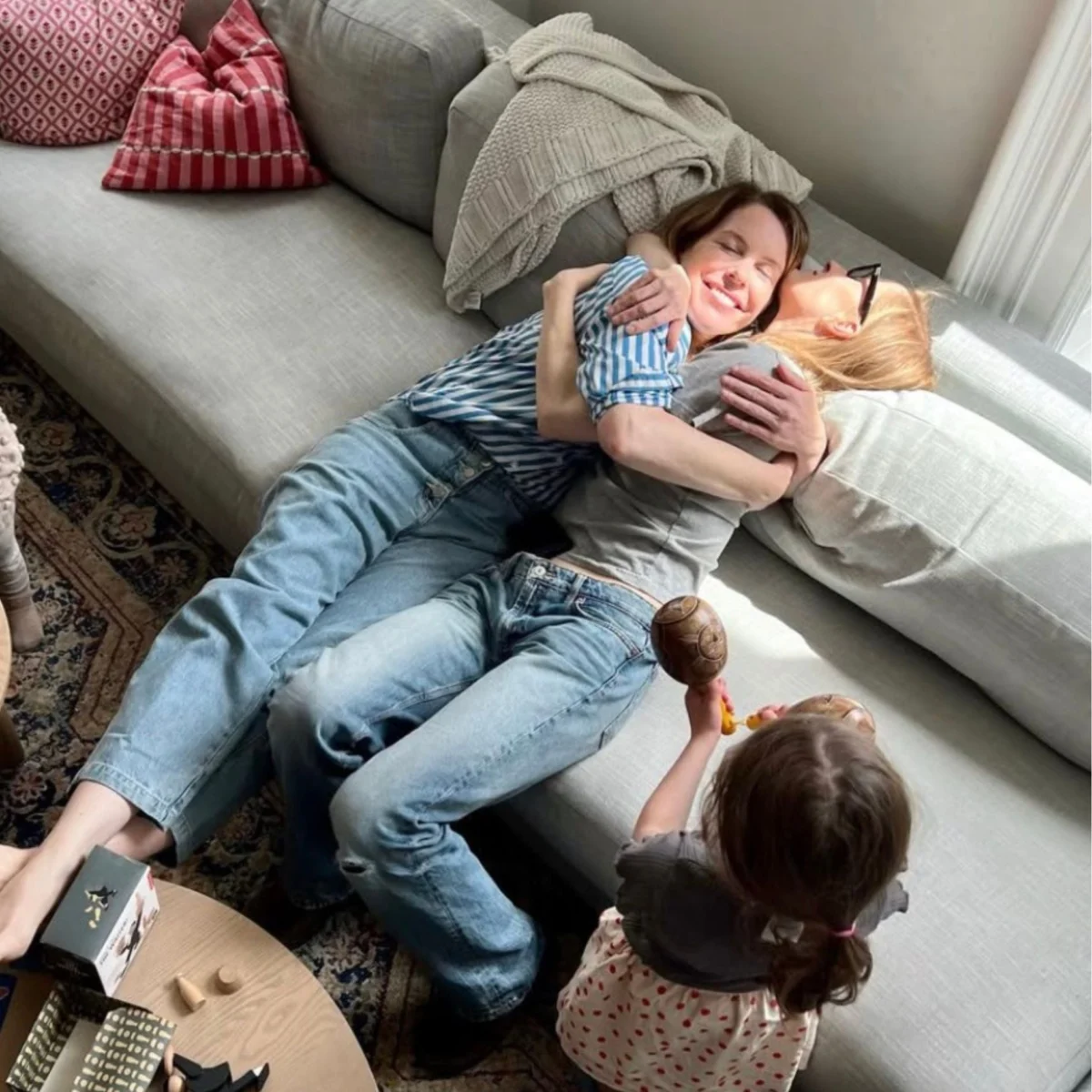
Parents of teenagers often report a "push-pull" dynamic during the start of the school year—a phenomenon where the student demands privacy and independence one moment and emotional reassurance the next. Recognizing this developmental stage as a "half-adult, half-child" phase is crucial. Experts suggest that maintaining small childhood rituals, such as "cuddle time" or specific bedtime routines, even for older teenagers, can provide a necessary emotional safety net as they face the social and academic pressures of high school.
The Importance of Parental Support Networks
While much of the focus during this season is on the student, the emotional well-being of the parent is equally critical. The first day of school often triggers a "letting go" response in caregivers, which can manifest as sadness or anxiety.

Community and "Speed Dial" Support
Sociologists highlight the importance of "parental solidarity" during major life transitions. Establishing a support network of fellow parents—particularly those with older children who have successfully navigated these milestones—can provide perspective and emotional relief. The act of "standing at the gate" or sharing the experience with friends serves to normalize the complex emotions associated with watching a child grow and enter new environments.
Chronology of the Back-to-School Season
The successful transition is rarely the result of a single day’s effort but rather a multi-week progression:
- Three Weeks Prior: Commencement of "summer slide" mitigation through light reading and the gradual adjustment of sleep schedules.
- Two Weeks Prior: Inventory of existing supplies and the execution of strategic shopping (e.g., Quince apparel and footwear).
- One Week Prior: Finalization of logistical plans, including transportation, after-school care, and the stocking of the pantry with breakfast essentials.
- The Night Before: The "Celebratory Eve," featuring the traditional cake and the setting of positive intentions.
- The First Day: The implementation of "The Kissing Hand" for younger children and the distribution of digital incentives for older students.
- The First Week: Ongoing observation of the child’s emotional state and regular check-ins with parental support networks.
Broader Impact and Implications for Student Success
The long-term implications of these rituals extend beyond mere "fun." Data from educational longitudinal studies suggest that children who participate in consistent family rituals exhibit higher levels of social-emotional competence and academic resilience. By creating a culture of celebration around education, parents instill a value system that prioritizes learning and personal growth.

Furthermore, the stabilization of the home environment during the back-to-school period allows students to dedicate their cognitive resources to the classroom rather than to managing internal anxiety. As the academic landscape becomes increasingly competitive and tech-driven, the return to basic, human-centric traditions—warm muffins, a shared cake, and a supportive community—remains the most effective foundation for student success.
In conclusion, the "7 Ways to Make Back-to-School Fun" are more than just suggestions for domestic entertainment; they are strategic interventions designed to support the holistic development of the student. By blending the practicalities of the retail economy with the emotional depth of family traditions, parents can ensure that the start of the school year is not a hurdle to be cleared, but a launchpad for the months to come.
