

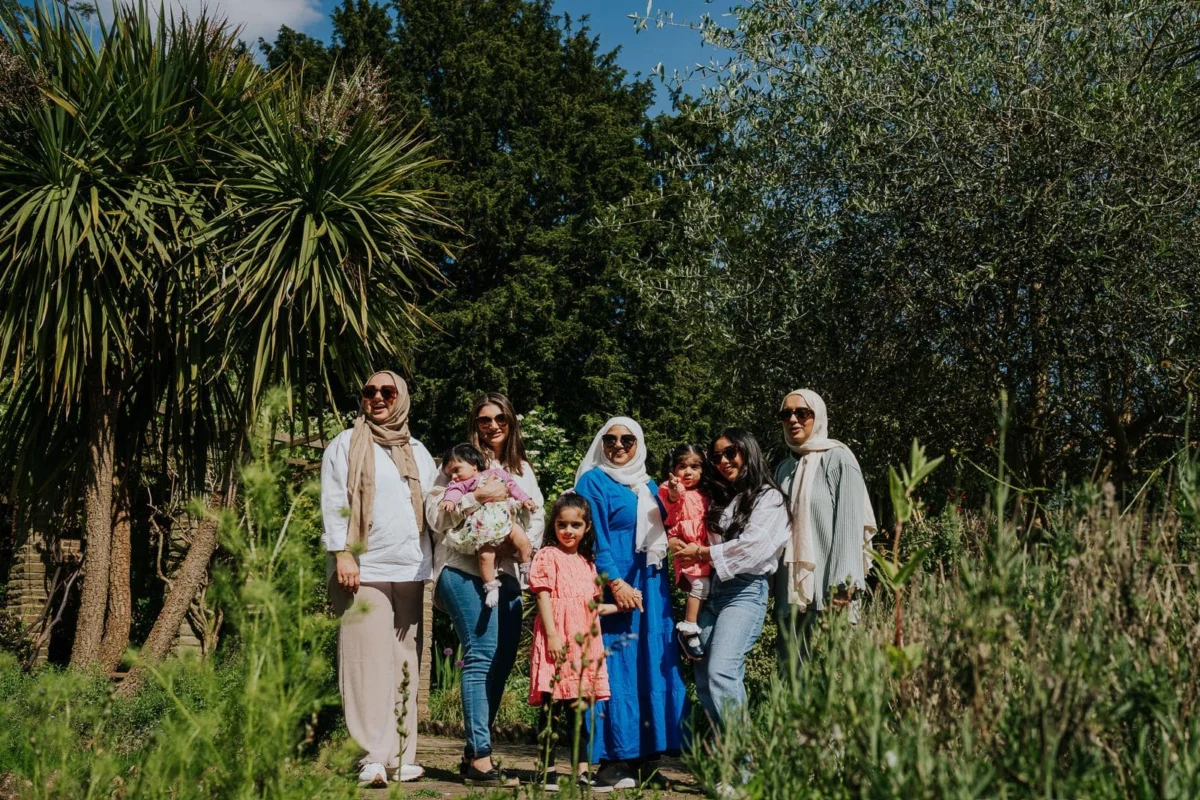
Zarina Ayyub, a dedicated doula from Tooting, London, stands as a testament to resilience and unwavering commitment in the face of significant cultural and institutional barriers to breastfeeding. Her personal odyssey, spanning over three decades and encompassing five children, has transformed her from a vulnerable young mother grappling with societal expectations and inadequate healthcare support into a powerful advocate for maternal and infant health, particularly within the South Asian community. Her story illuminates the profound impact of cultural norms, historical medical practices, and the transformative power of informed support on breastfeeding outcomes across generations.
Early Life and Generational Challenges
Born in Birmingham, Zarina’s background is deeply rooted in the Pakistani diaspora, a community that immigrated to England in large numbers in the late 1960s. Her mother, among the first wave of Asian women to have children in the UK, faced immense challenges in an unfamiliar environment, compounded by a lack of familial and institutional support for breastfeeding. In a household shared with her in-laws, breastfeeding was not encouraged. Medical practices of the era further exacerbated these difficulties; Zarina’s mother was given formula and medication to suppress lactation in the hospital, a traumatic experience she recounted vividly to her daughter. This historical context reflects a broader trend in post-war Britain, where formula feeding became increasingly normalised, often aggressively promoted by healthcare providers, leading to a significant decline in breastfeeding rates. For Zarina’s mother, the cultural expectation of modesty within a large, male-dominated household, coupled with a lack of privacy, made breastfeeding an isolating and painful endeavour. The traditional belief in India that colostrum was "dirty" and should be replaced with herbal concoctions further complicated matters, creating a deep-seated apprehension towards breastfeeding that would influence her advice to Zarina years later.
A Difficult Start: Zarina’s First Birth and Systemic Failures
Zarina’s own entry into motherhood at the tender age of 20, just days after her birthday, mirrored and amplified many of her mother’s struggles. Her first baby, born on November 3rd, weighing a tiny 4 lbs 13 oz due to placental insufficiency, was immediately separated from her and fed formula by tube in a special nursery. Zarina, left alone in her room, received no explanation, no instruction on colostrum, or guidance on hand expression. This lack of informed choice and basic education reflects a systemic failure in maternal care, particularly for young or first-time mothers, prevalent in many hospitals during that period. The importance of early skin-to-skin contact and the administration of colostrum – often referred to as "liquid gold" for its immune-boosting properties – was largely overlooked or not prioritised. Zarina’s fear to even hold her fragile newborn was a poignant symptom of this alienation, reinforced by her mother’s well-intentioned but misinformed advice to "trust them" and avoid asking questions, born from her own traumatic experience.
When her daughter was finally brought to her on day three, Zarina was severely engorged. Despite her mother’s urging to request milk-drying pills, Zarina instinctively resisted. Her baby struggled to latch onto her engorged, "big and hard" breasts. The intervention of a midwife, described as forcefully grasping her breast and pushing the baby on, left Zarina traumatised and in tears, a common experience for mothers encountering aggressive rather than supportive latching techniques. This critical period, known as the "fourth trimester," is crucial for establishing breastfeeding and bonding, yet for Zarina, it was marked by pain, distress, and a profound lack of empathetic guidance. The ensuing weeks at home were equally challenging, with cracked and bleeding nipples, ineffective hand pumps, and a desperate search for anything to soothe her crying infant, highlighting the acute lack of postnatal support and resources available to new parents in Birmingham at the time.
Cultural Pressures and the Search for Sanctuary
After two weeks at her mother’s, Zarina moved with her husband to their own flat in London. However, the move did little to alleviate the cultural pressures surrounding breastfeeding. Living within her husband’s extended Pakistani family, Zarina found herself subject to a different set of expectations. Her mother-in-law, who had breastfed all her sons, paradoxically failed to understand Zarina’s desire to do the same, comparing her unfavourably to another daughter-in-law who prioritised a spotless house over breastfeeding. In this community, contributing to household chores and maintaining a pristine home often superseded the perceived "laziness" of sitting down to feed a baby. This clash between traditional communal living expectations and the biological imperative of responsive feeding created significant internal and external conflict for Zarina.
Furthermore, her babies were frequently compared to larger, formula-fed relatives, leading to pressure from her husband to "feed them up with bottle milk," despite Zarina’s intuitive understanding of her babies’ need for touch and closeness. These experiences underscore the deep-seated cultural narratives that can undermine a mother’s confidence and autonomy in breastfeeding, often confusing cultural practices with religious tenets. While the Muslim faith often encourages breastfeeding, cultural interpretations around modesty and productivity can inadvertently create barriers. This constant scrutiny and lack of understanding pushed Zarina into self-imposed isolation, feeling embarrassed to breastfeed outside the home and becoming perpetually busy with domestic duties due to a steady stream of relatives staying with them. Her adherence to a rigid three-hour feeding schedule, influenced by her mother’s formula-feeding practices, further complicated her breastfeeding journey, as it ran counter to the principles of responsive, on-demand feeding crucial for establishing and maintaining milk supply.
A Turning Point: Education and Empowerment
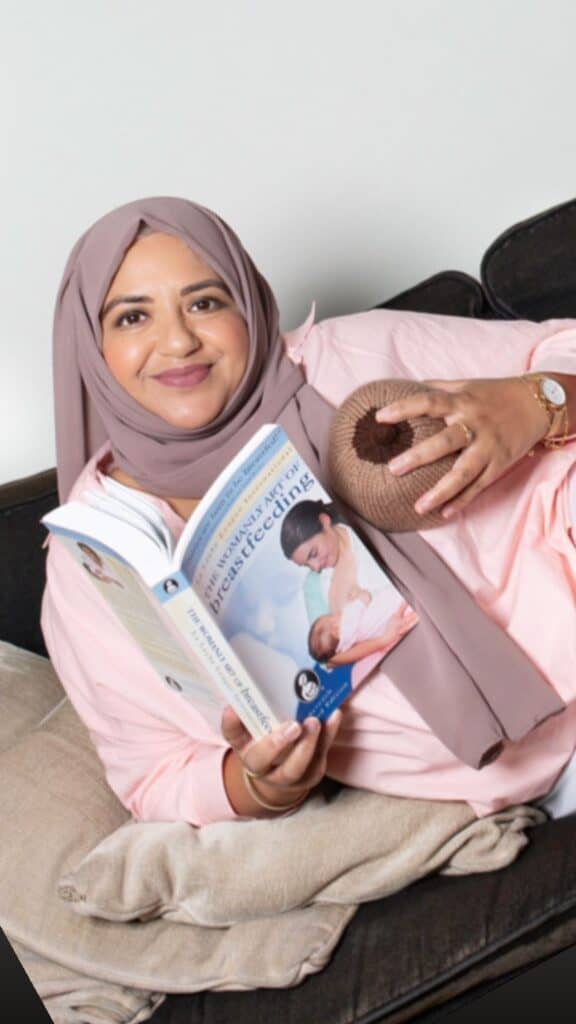
Zarina’s journey began to shift dramatically with her third child. By this point, her household had expanded to include her husband’s mother and two brothers, intensifying the pressures. Yet, it was during this pregnancy that Zarina discovered The Womanly Art of Breastfeeding by La Leche League (LLL). Reading it cover-to-cover during her entire nine months, she absorbed critical information that shattered long-held myths, such as the misconception about colostrum being "dirty" and the possibility of relactation. Armed with knowledge, she felt empowered and determined to breastfeed for two full years, despite the "many critical comments" from her family. This act of self-education marked a profound turning point, transforming her from a recipient of inadequate care into an informed agent of her own health decisions.
A few weeks after her third baby’s birth, Zarina experienced mastitis, a common and painful breastfeeding complication. This led her to an LLL group in Wimbledon, a pivotal moment in her journey towards advocacy. Despite being the only woman in traditional shalwar kameez, feeling awkward and embarrassed, this initial encounter, though brief, planted the seed for future involvement. It would take years for her to return, but the memory of finding a supportive community lingered.
From Personal Struggle to Peer Support
Even after her first child, Zarina had harboured a quiet aspiration to become a breastfeeding peer supporter. This desire was ignited when, just four weeks after her own traumatic birth, her husband’s aunt returned home with her new baby, experiencing similar struggles with engorgement. Zarina, still raw from her own ordeal, found herself helping her aunt, feeling a shared understanding that was absent in her earlier experiences. She also provided crucial support to her younger sister, guiding her through breastfeeding all her children. Witnessing her sister’s success and the healthy, happy babies that resulted eventually softened her mother’s initial apprehension, transforming her into a supportive ally for Zarina’s later children.
Zarina’s long-held wish to become a peer supporter finally materialised after her fifth child. This birth, at 35 weeks, presented new challenges, including severe reflux for her baby. After receiving poor advice from a breastfeeding counsellor, she found herself at a local breastfeeding café, years after her initial LLL group experience. There, an advertisement for La Leche League’s 12-week peer supporter training course, run by the NHS, caught her eye. This moment, she recalls, felt like divine intervention. Graduating from the course, receiving a knitted pink "boob" as a symbol of her achievement, solidified her determination to help other mothers navigate their breastfeeding journeys with proper, evidence-based support.
For two or three years, Zarina served as the sole Muslim peer supporter in her area. She observed a significant gap in engagement, noting the rare attendance of Asian women at the groups she ran. This highlighted a critical need for culturally sensitive support, recognising that even without a language barrier, shared identity fosters trust and comfort, making it easier for women to seek help and feel understood. While she supported women from all backgrounds, the strong bond she formed with many mothers, some of whom expressed a desire to "take me home with them," underscored the profound impact of her empathetic and informed assistance.
Broadening Impact and Intergenerational Change
Today, Zarina works as a doula, providing comprehensive support to mothers during birth and the postnatal period. Her children are grown, ranging from 18 to 34, allowing her to fully dedicate herself to her passion. Her work extends beyond individual families, contributing to broader initiatives aimed at supporting ethnic minority families. Last year, she participated in a project with The Raham Project in Peterborough and the charity BLISS, focusing on neonatal intensive care units and premature babies, sharing her painful birth stories to advocate for improved care.
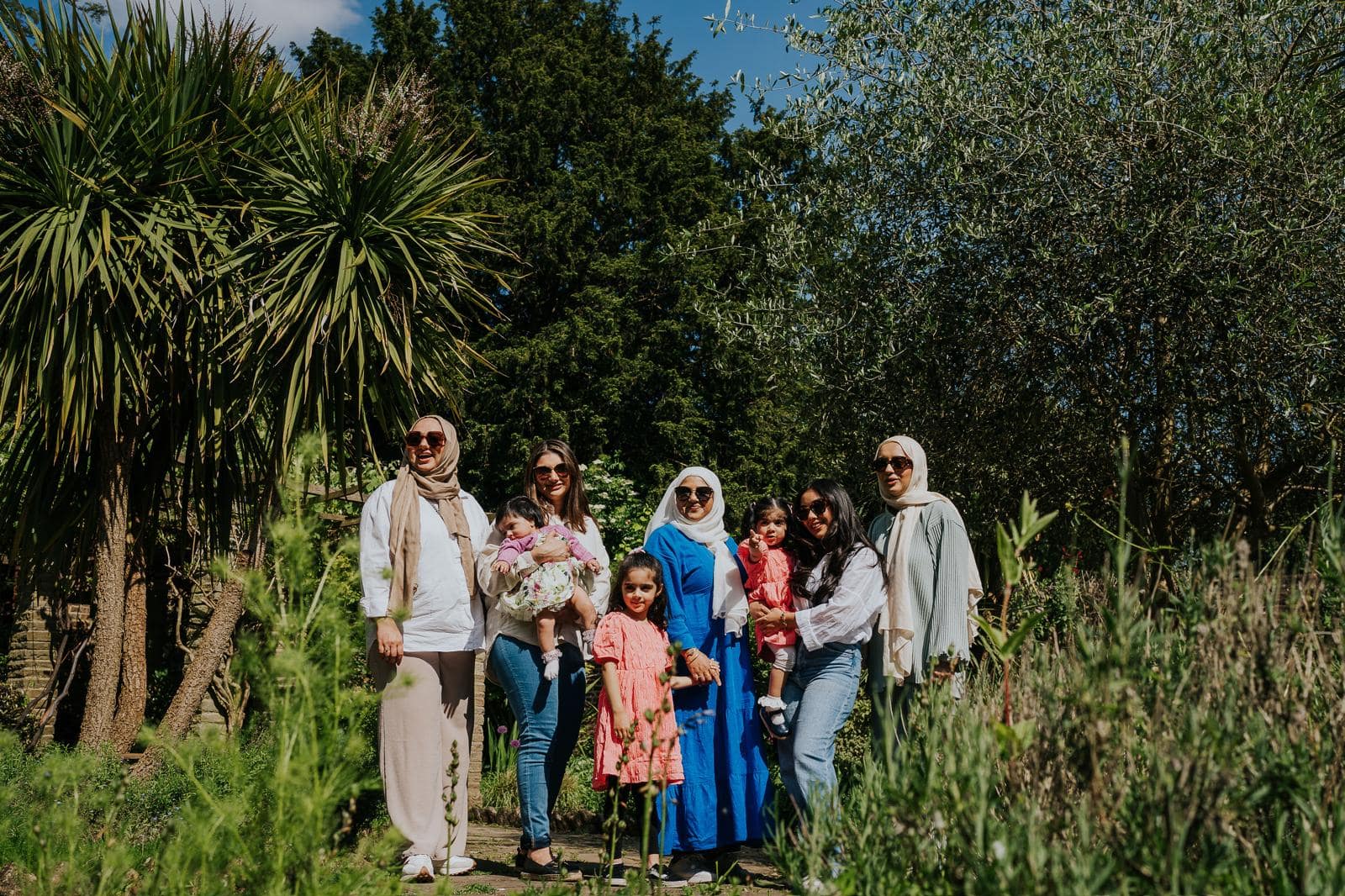
The most profound impact of Zarina’s journey is evident within her own family. Her eldest daughter, now a mother of three under four, has embraced breastfeeding wholeheartedly, feeding her first child for two years, tandem feeding her first two, and continuing with her youngest at eight months. This stands in stark contrast to Zarina’s initial struggles, demonstrating a powerful intergenerational shift. Despite initial discomfort from her husband’s family, her daughter’s husband has been incredibly supportive. Zarina has also supported her daughter’s sister-in-law, who has had a successful breastfeeding journey, further spreading the positive influence.
This transformation within her family speaks volumes about Zarina’s enduring advocacy. Her open discussions about breastfeeding, periods, and women’s health have normalised these topics within her household, influencing her children’s spouses and friends. This cultural shift is also paving the way for her other daughters to consider home births, a significant departure from community norms and a testament to the trust and empowerment Zarina has fostered.
Addressing Ongoing Disparities and Future Advocacy
Despite progress, Zarina acknowledges that significant challenges persist within the South Asian community regarding breastfeeding. A prevalent "shame" and prudishness still exists, often leading to reluctance among women to access support groups where they might need to expose themselves, even among other women. Zarina clarifies that this is often a cultural, rather than a religious, barrier. The Muslim faith, she emphasizes, supports a child’s right to be breastfed, often suggesting up to two years. The key, she believes, lies in building relationships of trust with breastfeeding supporters who can navigate these cultural nuances and demystify misconceptions.
Breastfeeding rates in the UK generally show disparities among ethnic groups, with some South Asian communities exhibiting lower initiation and continuation rates compared to the national average. Factors contributing to this include cultural practices, intergenerational advice, language barriers, and a lack of culturally competent healthcare professionals and support services. Organisations like LLL, the NHS, and community-led initiatives are working to bridge these gaps by offering accessible, sensitive support.
Zarina’s mission continues to be the normalisation of breastfeeding. She passionately advocates for greater openness among South Asian women about their experiences, asserting that breastfeeding is a natural and beneficial process for both mother and baby, not something to be embarrassed about. Her life’s work exemplifies how one individual’s perseverance can challenge deeply ingrained cultural norms and systemic deficiencies, creating a ripple effect that empowers future generations of mothers to embrace their bodies’ innate capabilities and receive the support they truly deserve. Her dedication underscores the vital importance of culturally sensitive peer support and education in fostering healthier outcomes for families and communities.
