

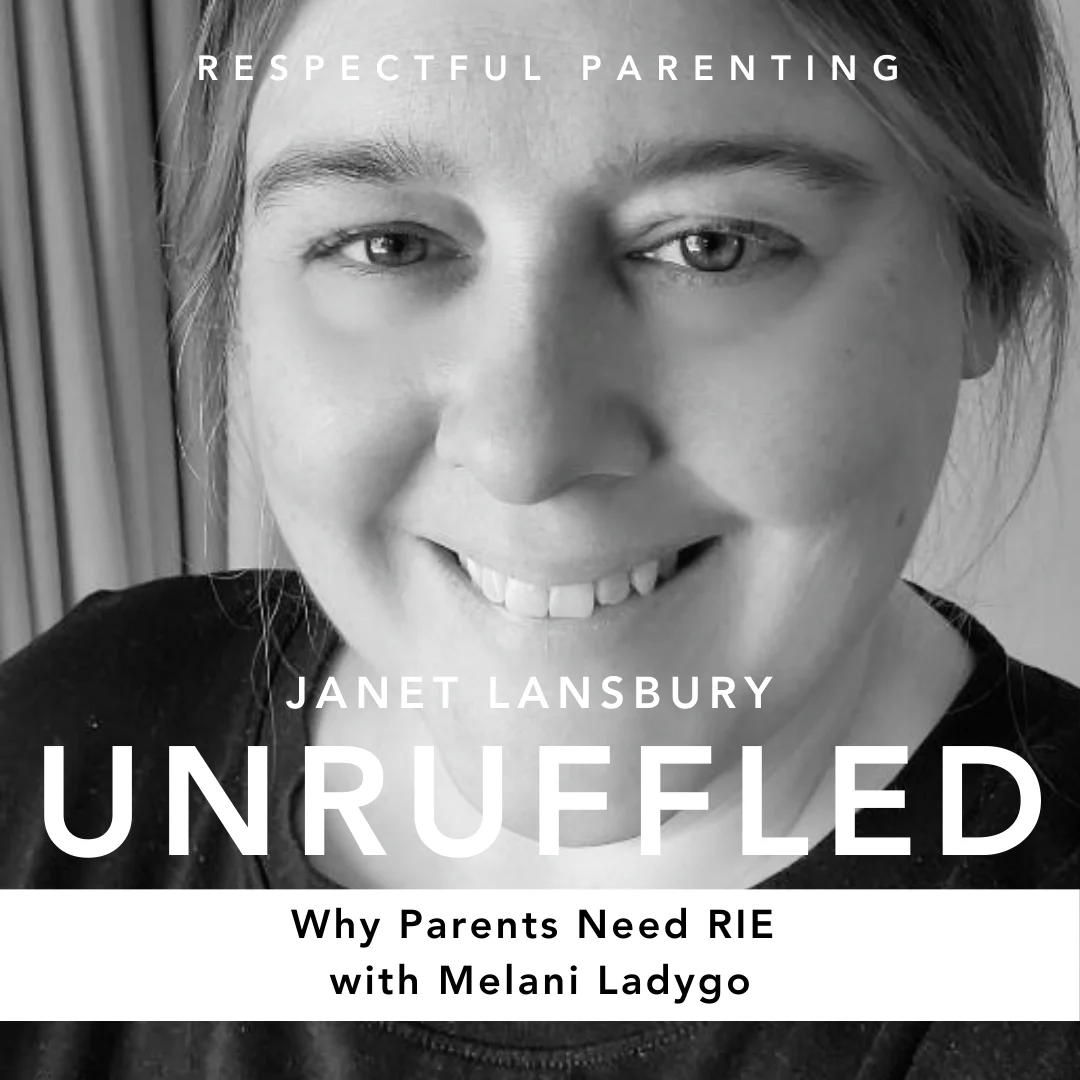
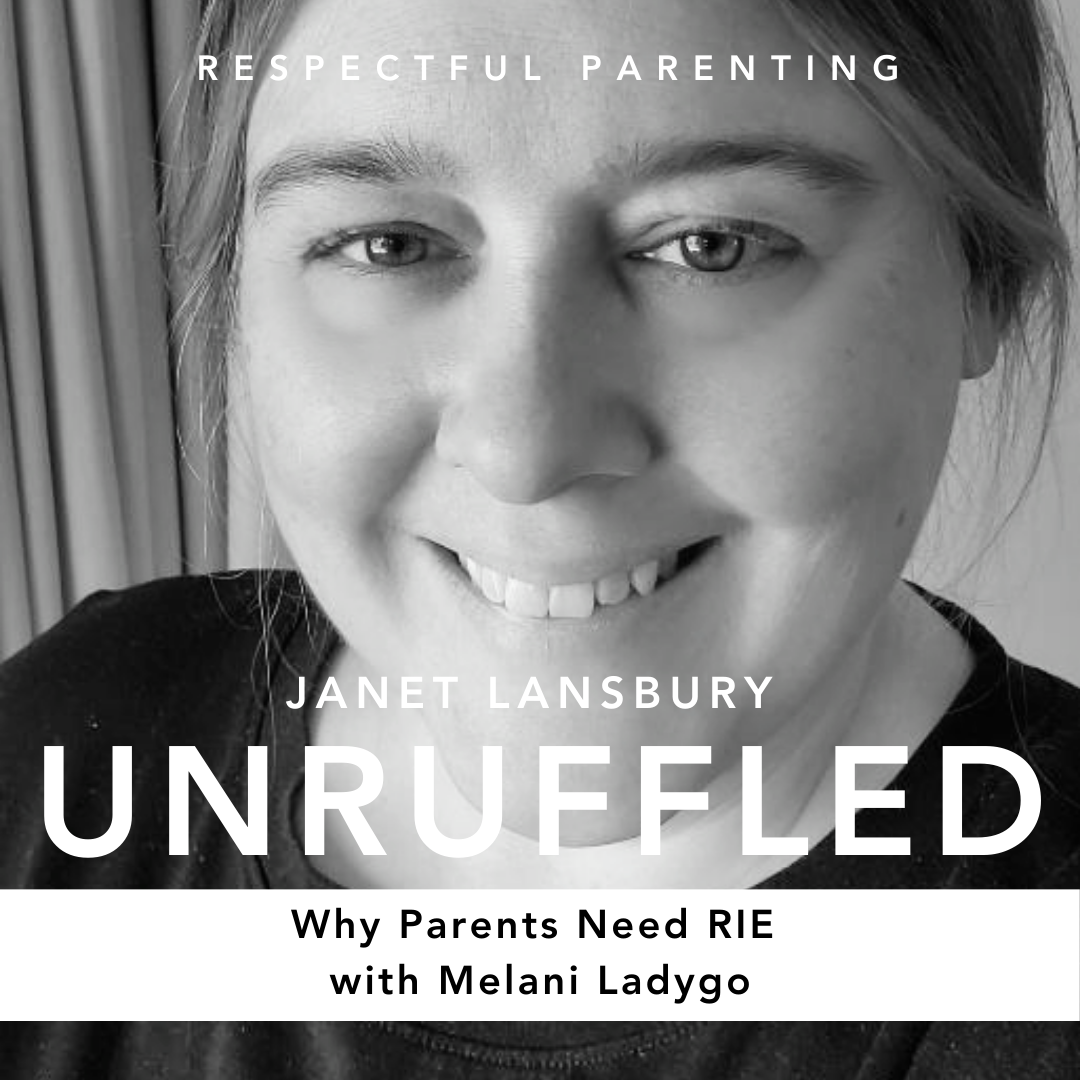
Janet Lansbury, a prominent advocate for respectful parenting, recently sat down with Melani Ladygo, Executive Director of Resources for Infant Educarers (RIE), to delve into the philosophy and practical applications of the RIE approach. The conversation, featured on Lansbury’s podcast "Unruffled," aimed to demystify RIE for parents and early childhood professionals, addressing common misconceptions and highlighting its profound impact on parent-child relationships.
RIE, pronounced "rye," is a philosophy of child-rearing founded by Magda Gerber. It emphasizes treating infants and toddlers with the same respect and consideration afforded to adults, fostering an environment of trust, open communication, and authentic connection from birth. The approach advocates for observing children without judgment, allowing them to explore and learn at their own pace, and trusting in their inherent capabilities.
The Genesis of RIE: A Philosophy of Respect
Lansbury, who trained extensively with Magda Gerber herself, recounted the transformative effect RIE had on her perception of childcare. "The RIE classes I attended over 30 years ago with my firstborn had a profound effect on my perceptions of babies, the art of childcare, and life, really," Lansbury stated. Her personal experience, coupled with decades of applying RIE principles in her own work and mentoring others, underscores the enduring relevance of Gerber’s teachings.
Melani Ladygo, as RIE’s Executive Director, brings a wealth of experience to the discussion. She described RIE as an organization that "teaches parents and professionals how to have respectful, reciprocal relationships with babies and toddlers, children zero to two." Ladygo elaborated on the organization’s name, "Resources for Infant Educarers," explaining that it signifies a resource for individuals who practice "educaring" – a term coined by Gerber to describe the dual act of caring for and educating children simultaneously. This educaring approach, she explained, is about being present and engaged while fostering a child’s natural development.
Deciphering the RIE "Elevator Pitch"
Both Lansbury and Ladygo acknowledged the challenge of encapsulating the RIE philosophy in a concise "elevator pitch." Ladygo shared her own journey of trying to define RIE, stating that even after extensive training, she struggled to articulate its essence. "I really think it was the years that I spent working in the office… And I really got practice in talking to people about it and saying what it is. It kind of changes every time, depending on who I’m talking to," Ladygo remarked.
Ultimately, Ladygo distilled RIE’s core message to its foundational principle: cultivating a "respectful, reciprocal relationship." This involves a deep curiosity about the child, an acknowledgment of their internal world and burgeoning autonomy, and a willingness to engage with them as individuals from the earliest stages of life. Lansbury resonated with this, recalling her own realization that her infant daughter was not merely a passive recipient of care but a person with her own thoughts and ideas. "She had all these thoughts and all of these ideas and all this stuff going on inside her that I had not realized could possibly exist in a baby," Lansbury shared. This epiphany, she noted, shifted her focus from "doing things to" her baby to discovering and bonding with the unique individual her daughter was.
Melani Ladygo’s Journey into Educaring
Ladygo’s own path to RIE was sparked by her academic exploration of child development and brain science. "I learned about brain development. And it’s kind of like you said, if someone had asked you if she was a person, you’d be like, Well, yeah," she recounted, drawing a parallel to Lansbury’s experience. The realization that "babies aren’t mini-adults and their brains develop and change over time" ignited a passion in her to share this knowledge with parents.
Her early experiences working in an RIE-influenced childcare center provided practical insights into the philosophy’s effectiveness. Ladygo described instances where gentle guidance from experienced educators shifted her own instinctive reactions. One particular anecdote involved helping a baby climb a slide. Instead of directly assisting, the teacher encouraged Ladygo to reflect on the baby’s experience: "How do you think she’s going to feel the next time she tries to go up that slide and you aren’t there? She didn’t know you were helping her, so she thought she did it by herself, but she really did it with you." This moment underscored the RIE principle of allowing children to experience challenges and develop their own competencies, rather than having them solved by adults.
The Transformative Impact on Parents
A central theme of the discussion was the profound benefit RIE offers not just to children, but also to parents themselves. Lansbury emphasized that RIE is fundamentally about the parent’s experience, enabling them to be their authentic selves in their relationship with their child. "When we see the person in our baby, then we get to be seen by them as ourselves. We get to be ourselves," she explained. This contrasts with the pressure many parents feel to project an image of perfection, often amplified by social media.
The RIE approach, by fostering trust and observation, alleviates the burden of constant intervention. Ladygo illustrated this with an anecdote about a RIE parent-infant class held during the pandemic. Despite a small, potentially chaotic indoor space due to rain, the parents remained remarkably relaxed. Observers noted the parents’ calmness and confidence in their children’s abilities, even as the toddlers engaged in active play. Ladygo explained that this peace is not inherent but cultivated through a gradual development of trust, fostered by observing children navigate challenges and succeed independently. This "trusting relationship and that peacefulness," she asserted, is "the biggest gift that RIE gives to parents and to children."
Embracing Struggle and Fostering Resilience
The conversation also touched upon the importance of embracing struggle as a natural and essential part of development. Lansbury noted that for babies, what adults might perceive as a "problem" is often simply an interesting situation to explore. The RIE philosophy encourages parents to refrain from projecting their own anxieties onto these moments, instead observing and supporting the child’s process. This, in turn, builds resilience in children, equipping them to navigate future difficulties, from childhood challenges to adult life events.
Ladygo echoed this, sharing a personal experience of receiving validation for her own struggles. When she admitted, "I really don’t know," to a question about a personal challenge, the response, "It’s okay," was profoundly impactful. This highlighted the universal human need to be seen and accepted, even in moments of uncertainty. She further elaborated on how RIE helps parents recognize that not every problem requires immediate stress or intervention.
Navigating Conflict and Building Social Intelligence
A significant portion of the discussion focused on how RIE principles equip parents to handle conflict and foster social intelligence in their children. Ladygo shared an example of a mother struggling with her strong-willed daughter who wanted sole occupancy of a rocking boat. Instead of dictating sharing, the RIE approach encouraged the mother to acknowledge her daughter’s desire and observe the situation unfold. This allowed the daughter to experience the consequences of her actions and, importantly, to develop her own capacity for empathy and negotiation.
Lansbury emphasized the role of parents as neutral observers and safety facilitators during such conflicts. "I’m not going to help them on, I’m not going to help you hold onto it, but I’m going to allow the children and you to figure that out, with me there keeping everybody safe," she explained. This neutrality, while challenging for parents, is crucial for teaching children how to navigate relationships authentically, fostering true empathy and generosity. Ladygo added that by not arbitrating, parents allow children to learn from their experiences, understanding that "being selfish doesn’t really feel that good."
The RIE Conference: A Hub for Learning and Connection
The conversation concluded with an announcement about the upcoming RIE Conference, a significant event for both parents and early childhood professionals. Ladygo described the conference as an opportunity to witness the diverse applications of RIE principles, from classroom settings to conflict resolution through play. The theme of this year’s conference, "Play," features keynote speaker Peter Gray, whose work on the importance of free play aligns seamlessly with RIE’s core tenets.
Lansbury further highlighted the conference as a "banquet" of knowledge, offering a wealth of insights for those seeking to deepen their understanding of RIE and its impact on child development and parent-child relationships. The event also serves as a vital community-building platform, connecting like-minded individuals and fostering a sense of shared understanding in an increasingly fragmented world. The conference provides a space for attendees to gain confidence in applying RIE principles and to connect with a supportive network.
Broader Implications and Future Outlook
The RIE approach, as discussed by Lansbury and Ladygo, offers a powerful alternative to conventional parenting paradigms. By prioritizing respect, observation, and trust, it empowers parents to foster not only confident, resilient children but also to experience a more authentic and fulfilling relationship with them. The philosophy’s emphasis on the child’s inherent capabilities and the parent’s role as a facilitator rather than a director has far-reaching implications for early childhood education and the broader understanding of human development. As the conversation concluded, it underscored the enduring value of RIE in nurturing individuals who are capable of navigating the complexities of life with empathy, resilience, and a profound sense of self.
