

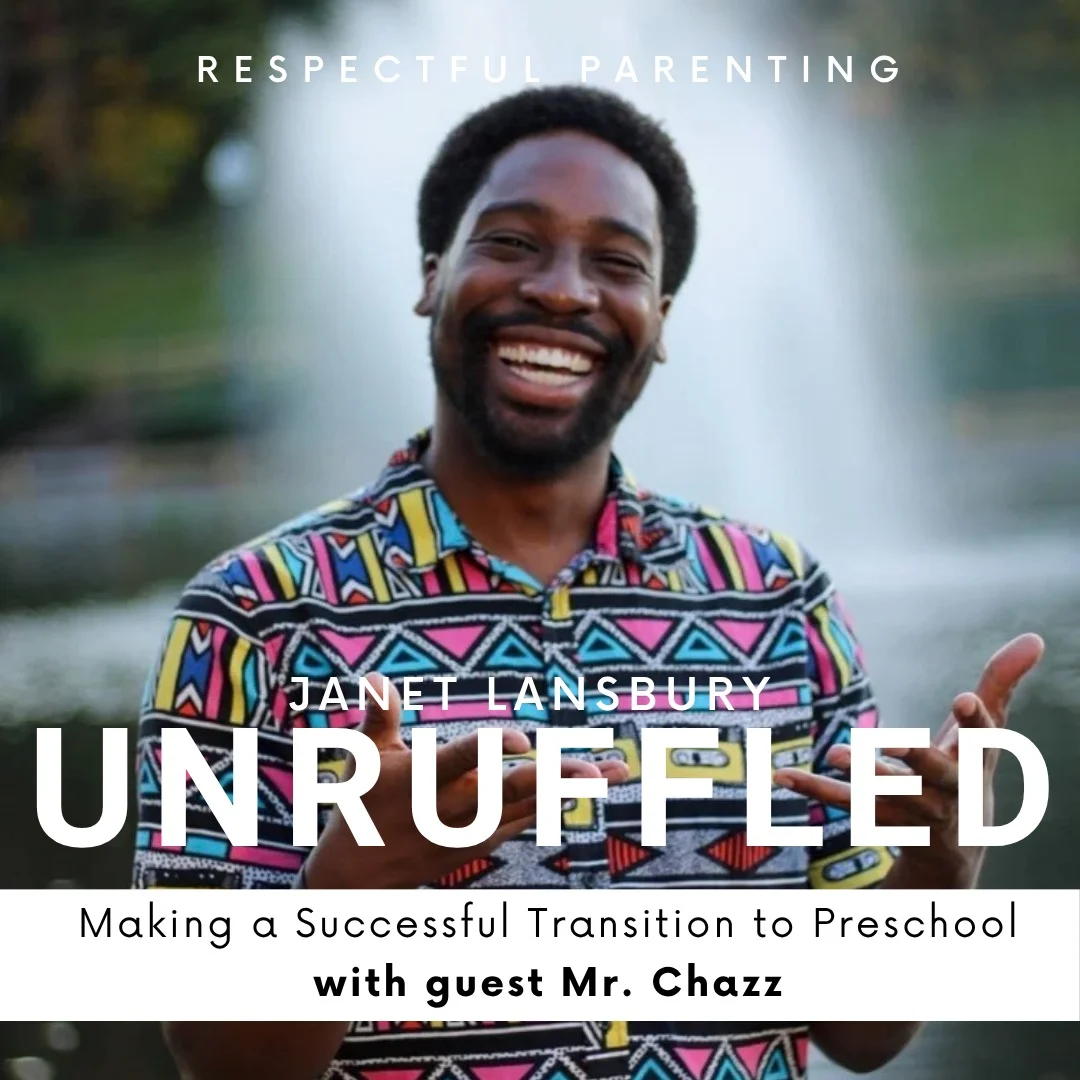
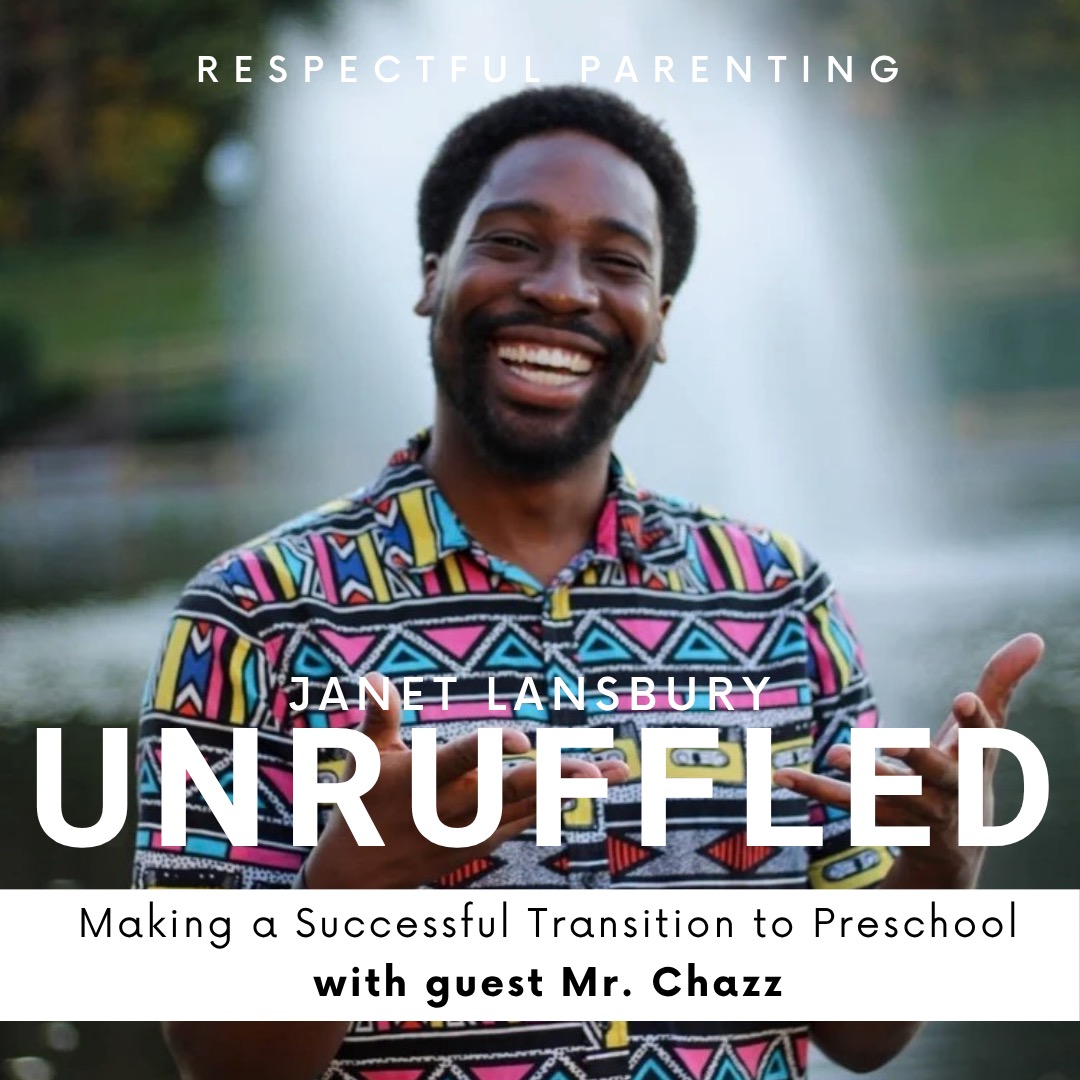
Renowned educator Mr. Chazz, celebrated for his empathetic approach to early childhood development, recently joined Janet Lansbury on her platform to discuss the critical challenges and effective strategies for navigating the transition into preschool or childcare settings. The conversation, held in October 2025, highlighted Mr. Chazz’s innovative philosophies, particularly those being implemented at his new Brooklyn-based learning and childcare center, Birdhouse. This initiative aims to redefine the standard for early childhood education by prioritizing the emotional well-being of children, educators, and families alike.
The "Arrival" and "Reunion" Philosophy
A core tenet of Mr. Chazz’s approach is the reimagining of the often-stressful "drop-off" and "pick-up" moments. He advocates for replacing these terms with "arrival" and "reunion" to shift the focus from a mere transaction to a meaningful connection. This philosophical shift is not just linguistic; it is embedded in the operational procedures at Birdhouse.
"We wanted to focus more on the connection aspect of all of this," Mr. Chazz explained to Lansbury. "Instead of it being this quick drop-off and pick-up, we have shifted the language to ‘arrival’ and ‘reunion’."
At Birdhouse, the arrival process is designed to be a gradual integration into the classroom environment. Parents are encouraged to spend time with their children upon entering the facility, participating in activities like hand-washing, which serves as a tangible, shared task. This extended period allows for a calm transition, fostering a sense of security for the child before the parent’s departure. Visual aids, such as a step-by-step routine card, are employed to provide clarity and predictability for both children and parents, demystifying the process and reducing anxiety. These visual cues, presented in a left-to-right sequence, guide the child through a series of familiar actions: greeting, putting away belongings, removing shoes, and hand-washing.
This emphasis on connection and a structured, predictable routine is supported by research in child psychology. Studies have consistently shown that children who experience a secure attachment with their caregivers and a predictable environment exhibit lower levels of stress and greater confidence when facing new situations. The American Academy of Pediatrics emphasizes that consistent routines and positive parent-child interactions are foundational for a child’s emotional and social development, particularly during transitional periods like starting school.
Birdhouse: A Model for Educator Well-being
Beyond the child-centric approach to transitions, Mr. Chazz’s Birdhouse initiative addresses a critical issue within the early childhood education sector: educator burnout and high turnover rates. He has implemented a unique model where the head teacher lives in an apartment above the school. This arrangement, Mr. Chazz explained, alleviates financial burdens for educators, allowing them to focus on their passion for teaching rather than personal survival.
"Teachers don’t feel like they’re in their own survival state. They can really lend their prefrontal lobes and really care for the children because they feel cared for and they’re not in a survival state," he stated.
This strategy directly tackles the systemic challenges faced by early childhood educators, who often grapple with low wages and demanding work conditions. The National Institute for Early Education Research (NIEER) has reported that the average annual salary for early childhood educators in the United States is significantly lower than that of K-12 teachers, contributing to high attrition rates. By ensuring educators feel supported and valued, Birdhouse aims to foster greater job satisfaction, leading to increased teacher retention and, consequently, greater stability and consistency for the children in their care. This commitment to educator well-being is a forward-thinking approach that recognizes the inextricable link between a supported workforce and quality childcare.
Navigating Traditional Early Childhood Settings
While Birdhouse offers an ideal environment, Mr. Chazz acknowledges that most parents and children will encounter more traditional childcare settings, which may not afford the same level of integration or flexibility. He offers practical advice for navigating these situations:
- Pre-Visit Familiarization: If possible, encourage children to visit the school with their parents before their official start date. This allows them to become familiar with the space, the teachers, and the general routine in a low-pressure environment.
- Visual Aids: Creating a personalized visual schedule or social story can significantly help children understand the sequence of events, from arrival to departure. This can be as simple as a series of pictures depicting key activities.
- Role-Playing: Practicing the transition process at home through role-playing can prepare children for what to expect. This includes simulating greetings, goodbyes, and classroom activities in a playful manner. This "practice before the game" approach, as Mr. Chazz describes it, can reduce anxiety and build confidence.
- Honest Communication: While it’s tempting to present school as purely exciting, it’s crucial to be honest about all aspects of the day, including less appealing activities like napping. Children can often sense when an adult is overselling something, leading to distrust. Openly discussing potential challenges and collaborating with teachers on strategies can be more effective.
The Power of Observation and Connection
A recurring theme throughout the discussion is the importance of observation and genuine connection. Mr. Chazz emphasizes that effective teaching and caregiving stem from deeply understanding and responding to a child’s individual needs and cues.
"We avoid trying to pressure the child because if we go too fast too quickly, it can create a feeling of uncertainty," he noted. Instead, he advocates for observing a child’s interests and responding to them, even in small ways, to build trust and make them feel seen and understood.
This approach is bolstered by the use of cameras within Birdhouse, not for punitive measures, but as a tool for reflection and professional development. Educators can review footage to analyze interactions, identify areas for growth, and share insights with colleagues, fostering a culture of continuous learning and improvement. This mirrors best practices in early childhood professional development, where reflective practice is considered essential for enhancing teaching quality and responsiveness.
Addressing Difficult Emotions: The "It Just Is" Perspective
Mr. Chazz also addressed the inevitable challenges of separation anxiety and the emotional outbursts that can occur. He advocates for a perspective shift: viewing these difficult moments not as failures, but as opportunities for learning and growth for both the child and the caregiver.
"It just is," Mr. Chazz stated, referring to a child’s sadness or disappointment upon separation. "We don’t have to judge it even as good or bad. It’s just that things can happen."
This "it just is" philosophy encourages caregivers to approach these situations with a calm, non-judgmental mindset. Instead of assigning blame, the focus shifts to understanding the child’s emotions and providing consistent, supportive care. When a child experiences significant distress, such as crying throughout circle time, Mr. Chazz’s educators acknowledge the emotion without dismissing it. They might collectively take a deep breath for the child, modeling emotional regulation and empathy for the other children.
This approach is crucial for children’s emotional development. Research by developmental psychologists like Dr. Tina Payne Bryson emphasizes that children need to feel their emotions fully to process them. When caregivers allow children to express their feelings without immediate intervention or distraction, and instead offer presence and support, children learn valuable self-regulation skills. This process can be challenging for parents and educators who are conditioned to "fix" a child’s distress, but it is ultimately more beneficial for long-term emotional resilience.
The Educator’s Role: Deep Connection Over Broad Reach
Mr. Chazz’s commitment to being present in the classroom, rather than solely focusing on speaking engagements, highlights a belief in "mile-deep" engagement over "mile-wide" reach. He finds profound reward in the day-to-day interactions with children and families, a depth of connection that he believes is unparalleled.
"There’s absolutely nothing more rewarding than being with my kids day in and day out and supporting them and practicing my skills and supporting the parents and teaching the parents," he shared. This dedication underscores the profound impact that consistent, attuned relationships with early childhood professionals can have on a child’s development.
Parental Belief and Child Resilience
The conversation concluded with an emphasis on the power of parental belief. Mr. Chazz stressed that a parent’s conviction that their child can navigate the challenges of separation and new environments, especially when supported by caring educators, is a significant factor in the child’s ability to cope.
"Our belief that our child can do this and our child can handle the moment of separation… that belief that they can handle that as long as there’s a teacher on the other end who is thinking about how to help a child feel safe, connected, and understood. When you leave, they’ll have a safe place to land," he articulated.
This perspective reframes separation not as a negative event to be avoided, but as a necessary step in a child’s growth, facilitated by a secure and supportive environment. The inherent love and attachment children feel for their parents, rather than being a weakness during separation, is a testament to their capacity for deep connection, a strength that enables them to form new bonds and navigate the world with growing confidence.
