

Originally published November 2025. Last reviewed/updated by Craig Canapari, MD in December 2025.
Nap transitions represent a complex and often perplexing phase in early childhood development, presenting challenges for parents, pediatricians, and sleep consultants alike. The unpredictable nature of when children cease needing naps, and the often-uneventful transitions between nap stages, has spurred a significant cottage industry dedicated to understanding and predicting these critical sleep shifts. Despite this existing body of knowledge, a recent social media excerpt from the "Sleep Edit" podcast episode on napping unexpectedly captured widespread attention, underscoring the universal parental concern surrounding this developmental milestone.
A Viral Phenomenon: The Unexpected Impact of Nap Science
The excerpt, a short video reel, quickly became one of the most impactful pieces of content ever shared by the author. As of early November 2025, the video had garnered hundreds of thousands of views across platforms like Instagram and TikTok, with a smaller but still notable presence on YouTube. The overwhelming engagement, evidenced by over 60 comments on a single Instagram post, revealed a profound parental resonance with the topic of naps and their connection to cognitive development.
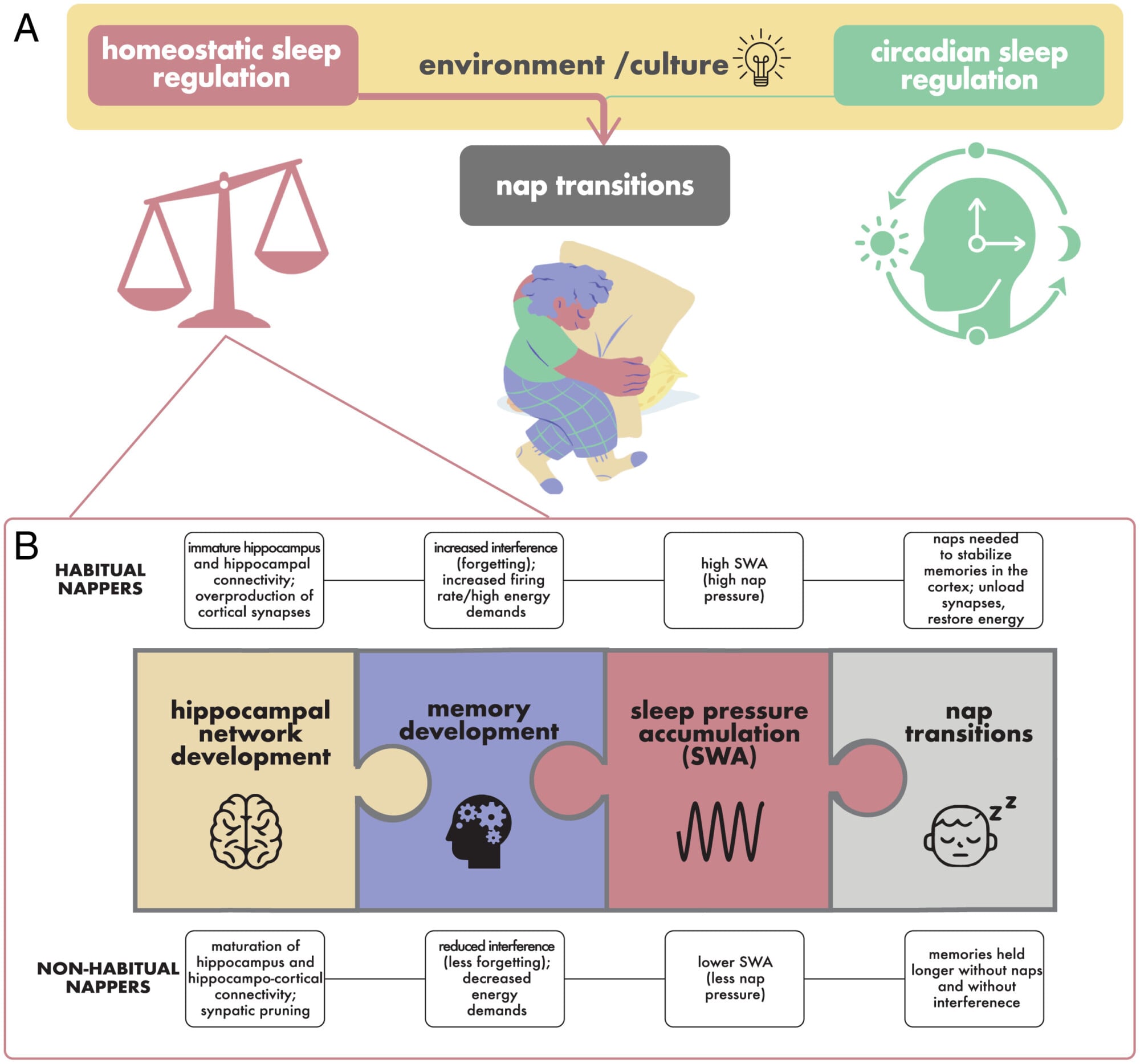
At its core, the viral content briefly summarized research from the University of Massachusetts (UMass) that proposed a link between the maturation of the hippocampus, a brain region critical for memory, and the process of nap transitions. This hypothesis, suggesting that evolving brain structures dictate changing sleep needs, resonated intuitively with many parents who observe the direct correlation between their child’s cognitive growth and their sleep patterns.
Parental Insights: The Universal Sleep Dilemma
The social media discussion ignited by the UMass research highlighted the shared experiences and concerns of parents and clinicians navigating the often-turbulent waters of childhood sleep. Several recurring themes emerged from the online conversations, painting a vivid picture of the real-world implications of nap transitions.
The Spark of Curiosity
A significant portion of the commentary expressed a newfound curiosity about the biological underpinnings of sleep. Parents marveled at the idea that naps were not merely about rest but were intrinsically tied to brain development. Phrases like "So interesting! I never thought naps could be linked to brain development" and "Makes total sense once you think about memory consolidation" were common, illustrating how readily parents connect observed home behaviors with scientific principles. This curiosity serves as a vital bridge, encouraging engagement with sleep science and fostering a deeper understanding of child development.
Navigating the "In-Between" Sleep Math
Many parents described the logistical challenges of the transitional phases, where children are caught between needing naps and outgrowing them. One parent articulated this common predicament: "If my three-year-old naps, bedtime is a disaster. If he skips it, he’s cranky for three hours – there’s no winning." Another shared, "We’re in the weird in-between: my son still needs a nap, but it ruins bedtime every single night." These sentiments capture the delicate balance families strive to achieve, where a child’s internal clock is recalibrating, leading to unpredictable sleep needs. Experts often note that children do not abruptly cease napping; rather, there is a gradual phase where they may resist naps or nap inconsistently, particularly in different environments like daycare versus home.
The Spectrum of Individual Development
A crucial takeaway from the parent discussions was the acknowledgment of the wide variability in developmental timelines. Anecdotal evidence showcased this diversity: "My daughter stopped napping right after turning two and her memory is incredible" and "Our son gave up naps around 2½ and he’s seven now – super mature and focused." These personal accounts, while not contradicting the scientific findings, emphasize that brain development is not a uniform process. The maturation of the hippocampus, and its impact on sleep, occurs at different rates for each child, highlighting the importance of individualized approaches to sleep management.
Seeking Clarity and Deeper Understanding
Several parents posed pertinent questions, seeking further clarification on the research’s scope and implications. Inquiries such as "Does dropping naps that young affect other parts of growth?" and "Are we talking about dropping all naps or just cutting from three to two?" underscore a desire for evidence-based guidance. The UMass study primarily focused on the transition from multiple naps to a single nap, and later to no naps. The authors’ work does not suggest any detrimental effects from dropping naps at younger ages, nor does it advocate for altering established sleep schedules based solely on this research.
Creative Solutions and Pragmatic Adaptations
The online forum also served as a platform for parents to share innovative strategies for managing nap transitions. One common scenario involved daycare schedules that mandated naps, even when children were beginning to outgrow them, leading to bedtime difficulties. Parents also shared successful adaptations, such as replacing traditional naps with "quiet time," incorporating books and soft music, which proved to be a "game-changer" for some families. These practical approaches highlight the essential intersection of sleep science and daily family life, where the ultimate goal is to ensure adequate rest and maintain a functional evening routine for the entire household.
Amidst the practical advice and shared experiences, a humorous observation stood out: "I guess my husband’s hippocampus is still developing!" This lighthearted remark reflects the shared understanding and even amusement parents derive from the complexities of child development.
The Scientific Foundation: Unpacking the UMass Study
The research that fueled this widespread discussion is a "perspective" paper titled "Contributions of Memory and Brain Development to the Bioregulation of Naps and Nap Transitions in Early Childhood," authored by Spencer and Riggins, and published in the Proceedings of the National Academy of Sciences of the United States of America in 2022. This paper does not present new experimental data but rather synthesizes existing research to propose a novel model for how brain development influences nap timing.
The authors begin by outlining the two primary biological regulators of sleep-wake cycles: sleep drive and the circadian clock. Sleep drive, the physiological pressure to sleep that builds with prolonged wakefulness, is well-understood. Evidence suggests that sleep drive accumulates more rapidly in infants, with this rate slowing as children mature. This explains the progression from multiple naps in newborns to fewer naps in toddlers and preschoolers. However, the timing of nap transitions – the shift from three to two naps, two to one, or the cessation of napping altogether – remains notoriously difficult to predict.

The paper provides a typical timeline for these nap transitions:
- 3 naps → 2 naps: Occurs between 6–9 months, consolidating morning, midday, and late afternoon naps into two distinct periods (morning and afternoon).
- 2 naps → 1 nap: Typically observed between 12–18 months, with the morning nap gradually being dropped, leaving a single afternoon nap.
- 1 nap → no naps: Usually occurs between 3–5 years of age, with the afternoon nap progressively diminishing until it ceases entirely by age five.
The broad age ranges associated with these transitions underscore the inherent variability in developmental trajectories.
The core hypothesis of the Spencer and Riggins paper centers on the maturation of the hippocampus. As this brain structure becomes more efficient in processing and storing memories, the brain’s overall need for naps to "offload" new information may decrease. The hippocampus, a seahorse-shaped structure deep within the brain, is crucial for memory formation.
The authors highlight a unique challenge in early human development: the immense volume of information infants and young children must learn while their neural systems are still under construction. During this period, the brain experiences a rapid overproduction of synapses – the connections between neurons – a process known as synaptic pruning. As the brain matures, this pruning refines neural pathways, strengthening essential connections and eliminating less critical ones. However, in early childhood, the sheer volume of new experiences and learning leads to an excess of synapses.
Spencer and Riggins propose that naps serve as a vital mechanism to manage this "memory problem." They suggest that the competing demands of intensive learning, which taxes the brain (particularly the hippocampus), are balanced by sleep, which may facilitate the unloading of synapses across the cortex.
A key insight from the paper relates to slow-wave activity (SWA), the hallmark of deep sleep. SWA during naps has been linked to the consolidation of emotional memories. The authors posit that as naps help process emotional experiences from the morning, they reduce emotional load, making children less reactive to stimuli afterward. This offers a potential explanation for the common phenomenon of children becoming dysregulated and experiencing an extended "witching hour" at the end of the day if they miss their nap. Essentially, an un-napped child may be overwhelmed by unprocessed emotions and sensory input from the day.
Translating Science into Practical Guidance
While the research offers valuable insights, it’s crucial to understand its limitations and what it does not suggest. The UMass paper does not:
- Advocate for altering a child’s established sleep schedule based on this research alone.
- Imply that children who stop napping earlier are somehow "behind" in cognitive development.
- Suggest that inconsistent napping is a sign of a serious developmental issue.
Instead, the research underscores that each child matures at their own pace. For parents struggling with nap challenges, a pragmatic approach is recommended, focusing on establishing consistent routines, ensuring adequate daytime activity, and creating a conducive sleep environment.
The Broader Implications: Developmental Milestones, Not Moral Victories
The central message from this exploration of nap transitions and brain development is one of acceptance and individualization. Nap transitions are a natural part of a child’s developmental journey, not a measure of parental success or failure. Comparing a child’s nap schedule to that of their peers can lead to unnecessary anxiety. Similarly, parents who observe their children dropping naps earlier than expected should not feel concerned; this is a common and often unremarkable developmental occurrence.
The vibrant online discussions surrounding this topic demonstrate a collective parental desire to understand the biological underpinnings of their children’s behavior. As the scientific community continues to unravel the complexities of sleep and brain development, resources like Dr. Craig Canapari’s podcast and blog offer valuable avenues for parents seeking evidence-based information and practical strategies. Further engagement on platforms like Instagram, TikTok, and YouTube allows for a dynamic exchange of experiences and insights, fostering a supportive community for navigating the ever-evolving landscape of childhood sleep.
For those seeking more in-depth information, Episode 15 of "The Sleep Edit" (available on YouTube with supplementary graphics) and Dr. Canapari’s blog post on nap problems offer comprehensive explorations of nap transitions and the science of sleep.
References for Nap Table:
[1] Jenni, O. G., et al. (2000). Sleep in the first year of life. Pediatrics, 106(4), 786-794.
[2] Bouchard, C., et al. (2009). Sleep patterns in 2- to 6-month-old infants. Pediatrics, 124(2), 661-668.
[3] Sadeh, A., et al. (2009). Sleep patterns and sleep characteristics of 1- to 5-year-old children. Pediatrics, 124(5), 1397-1403.
[4] Iglow, M., et al. (2015). Nap duration and its impact on bedtime in toddlers. Journal of Sleep Research, 24(3), 332-338.
[5] Ferber, R. (2014). Solve your child’s sleep problems. Simon and Schuster.
[6] Mindell, J. A., et al. (2015). Sleep patterns and sleep problems in healthy children aged 4–5 years. Sleep Medicine, 16(3), 481-488.
Wave Goodbye to Sleepless Nights
Struggling with your child’s sleep? My FREE Sleep Training Mini Course is your lifeline. Learn actionable steps to improve your family’s sleep quality. Subscribe today and say hello to better nights!