

The landscape of pediatric sleep solutions has seen a significant shift, with parents increasingly exploring magnesium supplements as an alternative to traditional options like melatonin. While melatonin has long been a go-to for many, the emergence of magnesium-containing "sleep gummies" in both online marketplaces and retail stores signals a growing parental curiosity. This trend prompts a closer examination of the scientific evidence and expert recommendations surrounding magnesium for childhood sleep.
A review of Google Trends data reveals a notable surge in searches for "magnesium for sleep" over recent years, outpacing searches for "melatonin for sleep" and "theanine for sleep." This trend, which began to gain momentum around 2022, suggests a growing public interest in exploring natural mineral-based approaches to sleep disturbances, mirroring the broader societal shift towards holistic wellness and natural remedies. This increased attention comes in the wake of a documented rise in melatonin supplementation for children and a concerning uptick in accidental melatonin overdoses, according to reports from poison control centers. The appeal of magnesium lies in its classification as a mineral, distinct from hormones like melatonin, and its widespread availability through both food sources and over-the-counter products. However, the critical question remains: does magnesium effectively aid sleep, particularly in children?
Understanding Magnesium’s Role in the Body
Magnesium, an essential mineral identified as element #12 on the periodic table, is indispensable for the proper functioning of the human body. It plays a pivotal role in over 80% of the enzymatic reactions within our cells and is crucial for the operation of multiple bodily systems. Historically, the element’s name is derived from Magnesia, a region in Greece. In the context of sleep and stress, magnesium’s involvement in mediating the body’s stress response is particularly noteworthy. Research indicates a strong correlation between magnesium deficiency and symptoms associated with chronic stress. A comparative analysis of stress and magnesium deficiency symptoms reveals a significant overlap, suggesting that inadequate magnesium levels can exacerbate stress responses, potentially impacting sleep quality.
The Growing Prevalence of Magnesium Deficiency
Recent epidemiological studies suggest that a substantial portion of the population may be experiencing magnesium deficiency, often determined by comparing dietary intake with recommended daily allowances. While these population-level studies provide valuable insights, they do not definitively diagnose deficiency in specific individuals. Diagnosing magnesium deficiency is inherently complex, as the body strives to maintain adequate blood levels even when tissue stores are depleted. Several factors are contributing to the increasing prevalence of magnesium deficiency.

One significant factor is the decline in magnesium content in agricultural produce. Modern farming practices and soil depletion have led to a decrease in the mineral content of fruits and vegetables over time. A comparative analysis of produce from 1914 to 2018 indicates an 80-90% drop in magnesium, calcium, and iron levels in common vegetables like cabbage, lettuce, and tomatoes. This necessitates a greater consumption of these foods to achieve the same nutrient intake as in the past.
Furthermore, the widespread consumption of processed foods contributes to the problem. Processed foods generally contain lower levels of magnesium. Additionally, certain compounds found in beverages like sodas can interfere with the body’s ability to absorb magnesium from food. Consequently, many individuals’ daily magnesium intake falls short of optimal levels for health and well-being.
Identifying Magnesium Deficiency in Children
While magnesium deficiency is less common in children than in adults, it can occur in specific circumstances. Children who are particularly picky eaters or those with obesity may be at higher risk. Severe magnesium deficiency, characterized by critically low blood magnesium levels, is a medical emergency and can manifest with symptoms such as muscle twitching, tremors, confusion, and even seizures. Interestingly, chronic sleep deprivation itself has been shown to reduce magnesium levels in the blood, creating a potential cyclical relationship between poor sleep and magnesium status.
The challenge in diagnosing magnesium deficiency lies in the body’s ability to regulate serum magnesium levels. Even when total body stores are low, blood tests may appear normal. This makes it difficult to identify individuals who might benefit from increased magnesium intake or supplementation. Expert reviews highlight the complexities involved in accurately assessing magnesium status, underscoring the need for comprehensive evaluation rather than relying solely on blood work.
Magnesium’s Impact on Sleep: Adult Evidence
Magnesium plays a vital role in regulating neurotransmitters and hormones that influence sleep, including GABA, which promotes relaxation. It is also involved in regulating the sleep-wake cycle and melatonin production. Studies have explored the effects of magnesium supplementation on sleep in adults, yielding promising results.

Research indicates that magnesium supplementation can improve sleep quality, reduce the time it takes to fall asleep, and decrease nighttime awakenings in adults. One study specifically investigating magnesium L-threonate, a form that readily crosses the blood-brain barrier, found it to be effective in improving sleep quality and daytime functioning in adults reporting sleep problems. Another study noted that oral magnesium supplementation could reverse age-related changes in neuroendocrine function and sleep electroencephalogram (EEG) patterns in older adults. These findings suggest a beneficial role for magnesium in promoting better sleep for adults.
The Evidence for Magnesium and Children’s Sleep: A Limited Landscape
The evidence supporting magnesium’s efficacy for sleep in children is considerably more limited and less robust than that observed in adults. A thorough review of available research could only identify a single study that directly examined the impact of magnesium supplementation on children’s sleep. This study, which focused on children with autism spectrum disorder, did not find a significant benefit of magnesium in improving sleep parameters.
Therefore, based on the current scientific literature, there is no definitive evidence to support the claim that magnesium supplementation effectively improves sleep in typically developing children. For parents concerned about their child’s sleep, the primary recommendations remain focused on establishing and maintaining a consistent, high-quality bedtime routine and, when appropriate, considering behavioral interventions such as sleep training. These foundational sleep hygiene practices are widely recognized as the most effective strategies for addressing common childhood sleep issues.
While direct supplementation for sleep in children lacks strong evidence, increasing magnesium intake through dietary means is a reasonable goal. Dietary adjustments can ensure children are meeting their daily magnesium requirements, which may indirectly support overall health and well-being, potentially influencing sleep positively.
Dietary Strategies for Enhancing Magnesium Intake
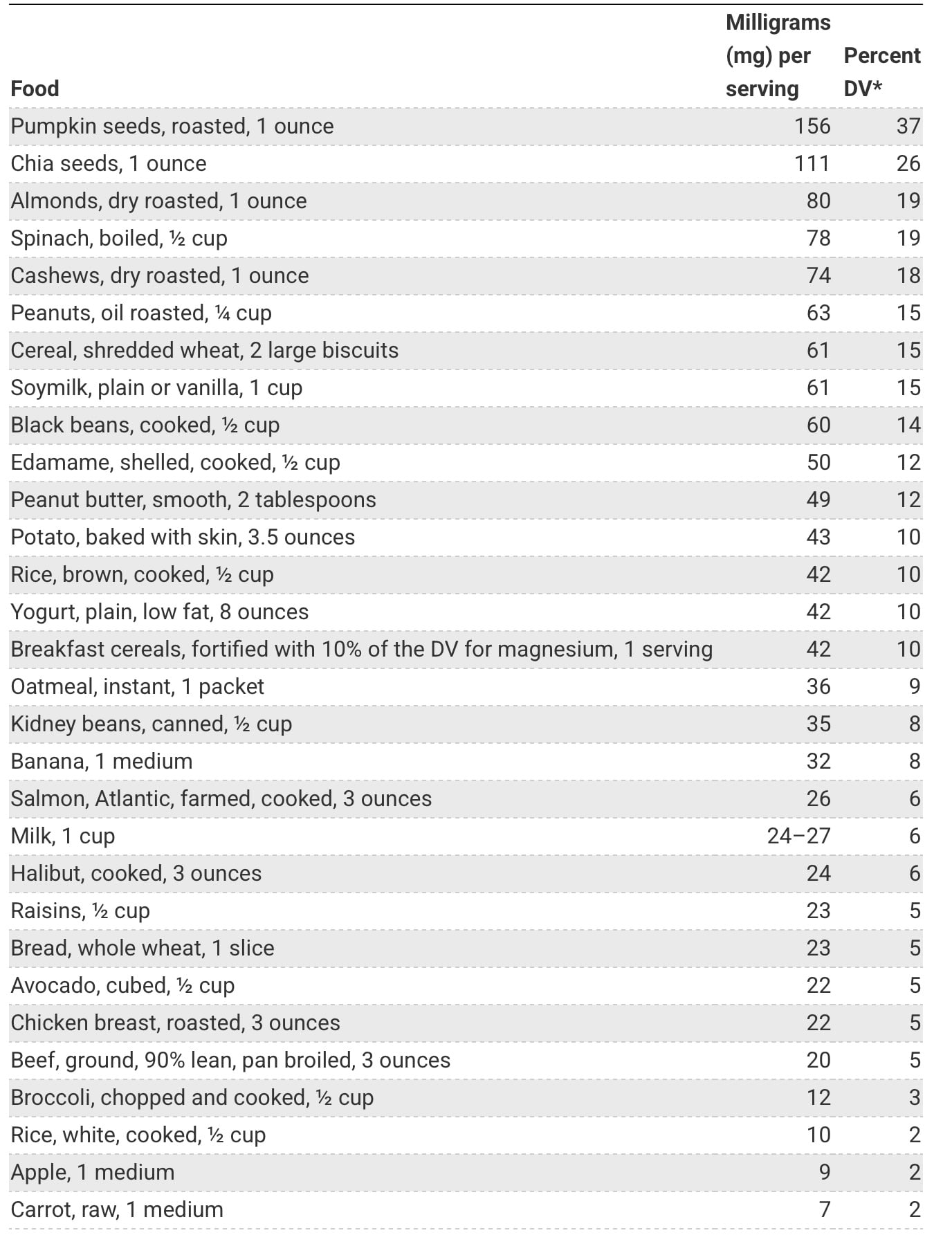
The most effective and recommended way to increase magnesium intake is through diet. Focusing on whole, minimally processed foods is key, as cooking methods and food processing can significantly reduce magnesium content. For instance, boiling vegetables can leach magnesium into the water, and refining grains removes the nutrient-rich bran and germ.

Excellent dietary sources of magnesium include:
- Seeds: Pumpkin seeds and chia seeds are particularly rich in magnesium.
- Nuts: Almonds, cashews, and peanuts are good sources.
- Leafy Green Vegetables: Spinach, Swiss chard, and kale are packed with magnesium.
- Whole Grains: Brown rice, quinoa, and whole wheat bread provide magnesium.
- Legumes: Black beans, kidney beans, and lentils are beneficial.
- Dark Chocolate: A surprising, but enjoyable, source of magnesium.
- Certain Fish: Salmon and mackerel offer a good magnesium content.
- Avocado: A creamy and nutrient-dense option.
- Bananas: A convenient and readily available fruit source.
Incorporating a variety of these foods into a child’s diet can help ensure they are meeting their daily magnesium needs, which is essential for overall health.
When Might Children Benefit from Magnesium Supplements?
While routine magnesium supplementation for sleep in children is not generally recommended due to a lack of evidence, there are specific situations where a trial might be considered under professional guidance. These include:
- Children with diagnosed magnesium deficiency: If a deficiency is confirmed through medical evaluation, supplementation may be necessary.
- Children with restrictive diets: Picky eaters or children on specialized diets that limit magnesium-rich foods might require supplementation.
- Children with certain medical conditions: Conditions like celiac disease, which can impair nutrient absorption, or chronic gastrointestinal issues may warrant consideration.
- Children experiencing symptoms suggestive of magnesium deficiency: While difficult to diagnose, symptoms like muscle cramps, fatigue, or irritability could prompt a discussion with a pediatrician.
For children under the age of three, any consideration of magnesium supplementation should be done in close consultation with a pediatrician. Any trial of supplementation should always be integrated with a comprehensive sleep plan, including a consistent bedtime routine and a regular sleep schedule.
Dosing and Potential Side Effects of Magnesium Supplements
Determining the appropriate dosage of magnesium supplements requires careful consideration of age and individual needs, aligning with recommended daily intake guidelines. For instance, the recommended daily allowance for males aged 9-18 years is 350 mg, while for females aged 9-18 years, it is also 350 mg. For younger children, the recommended allowances are lower, with 65 mg for ages 1-3 years and 110 mg for ages 4-8 years. It is crucial for parents to carefully read supplement labels to ascertain the actual amount of elemental magnesium per serving, as the form of magnesium (e.g., citrate, glycinate) can vary.

Magnesium supplementation is generally considered safe, as the body excretes excess magnesium through the kidneys. However, individuals with kidney disease should exercise caution and consult with a healthcare professional before taking magnesium supplements. Potential side effects, though usually mild, can include:
- Diarrhea
- Nausea
- Abdominal cramping
True magnesium toxicity is rare and typically associated with extremely high doses. A reported case in 2000 involved a child with cerebral palsy who experienced cardiac arrest and death after receiving a very high dose of magnesium oxide over several days. Unlike the significant increase in emergency department visits and poison control calls related to melatonin ingestions in recent years, there is no comparable documented rise in adverse events associated with magnesium supplementation for children.
Concluding Remarks
The exploration of magnesium for children’s sleep is driven by a desire for natural and effective solutions. While the scientific evidence directly supporting magnesium supplementation as a primary sleep aid for children remains limited, the growing awareness of magnesium’s vital role in bodily functions and the potential for widespread deficiency warrants a nuanced approach. The increasing availability of magnesium supplements, particularly in palatable gummy forms, reflects a consumer trend that outpaces robust clinical data for pediatric sleep.
For parents, the focus should remain on evidence-based sleep hygiene practices. Dietary enrichment with magnesium-rich foods is a sensible strategy for overall health. In specific circumstances, and under the guidance of a pediatrician, magnesium supplementation might be considered, especially if a deficiency is suspected or confirmed. The journey towards better sleep for children is best navigated with a combination of established behavioral strategies and informed, evidence-based nutritional considerations.
Summary:
- Rising Interest: Searches for "magnesium for sleep" have increased significantly, particularly for children.
- Magnesium’s Role: Essential mineral involved in numerous bodily functions, including stress response and sleep regulation.
- Deficiency Concerns: Magnesium deficiency is increasingly common due to dietary changes and agricultural practices.
- Adult Sleep Evidence: Studies suggest magnesium can improve sleep quality in adults.
- Child Sleep Evidence: Limited scientific evidence supports magnesium supplementation for children’s sleep.
- Dietary Focus: Prioritizing magnesium-rich foods is the primary recommendation.
- Supplementation: May be considered in specific cases under medical supervision, but not as a first-line sleep aid.
- Safety: Generally safe, but side effects can occur; toxicity is rare.
Parents with questions or concerns regarding magnesium supplementation and their child’s sleep should consult with a qualified healthcare professional for personalized advice.