

The global snack food industry is currently undergoing a seismic shift as consumers increasingly pivot away from ultra-processed, high-sugar commodities in favor of whole-food, nutrient-dense alternatives. At the forefront of this movement is the "bliss ball"—a compact, no-bake snack designed to deliver immediate energy through natural ingredients. Among the most prominent iterations of this trend are Chocolate Bliss Balls, a five-ingredient formulation that leverages the natural binding and sweetening properties of dates to eliminate the need for refined sugars. This shift reflects a broader societal trend toward "clean label" eating, where the simplicity of ingredients is prioritized alongside nutritional density.
The Nutritional Architecture of Modern Energy Snacks
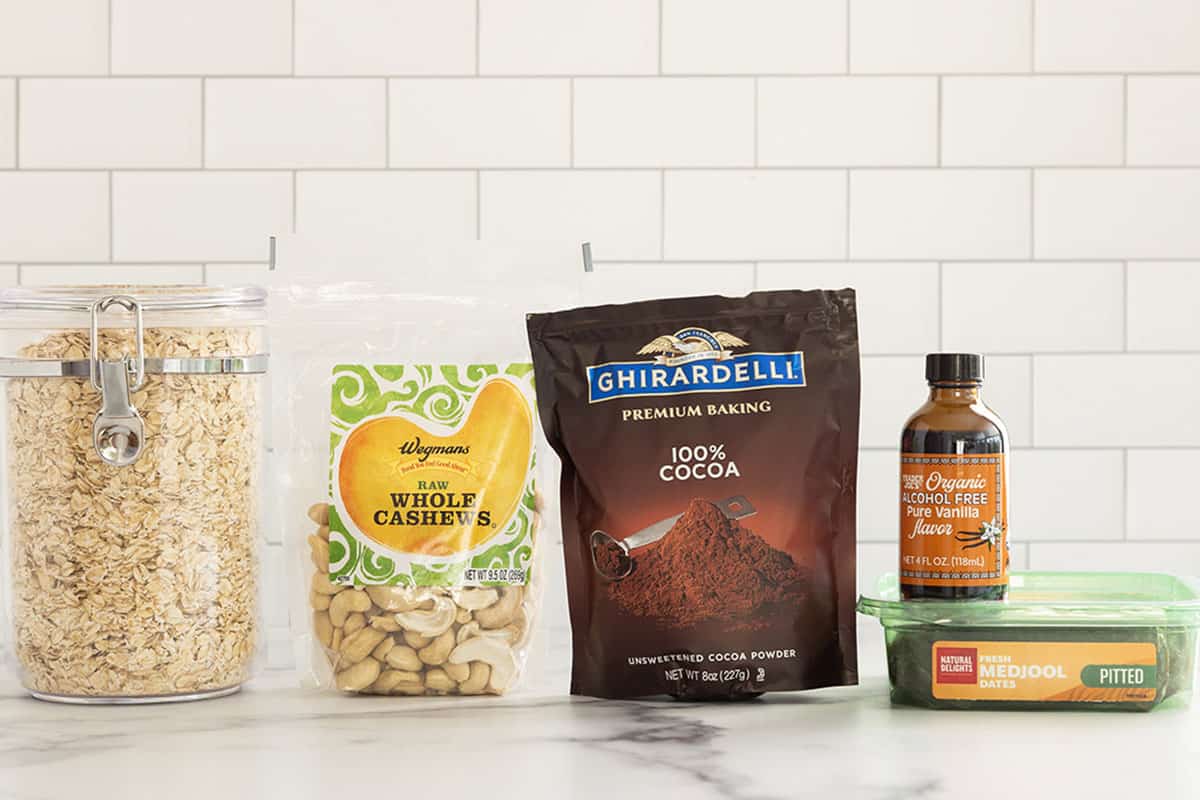
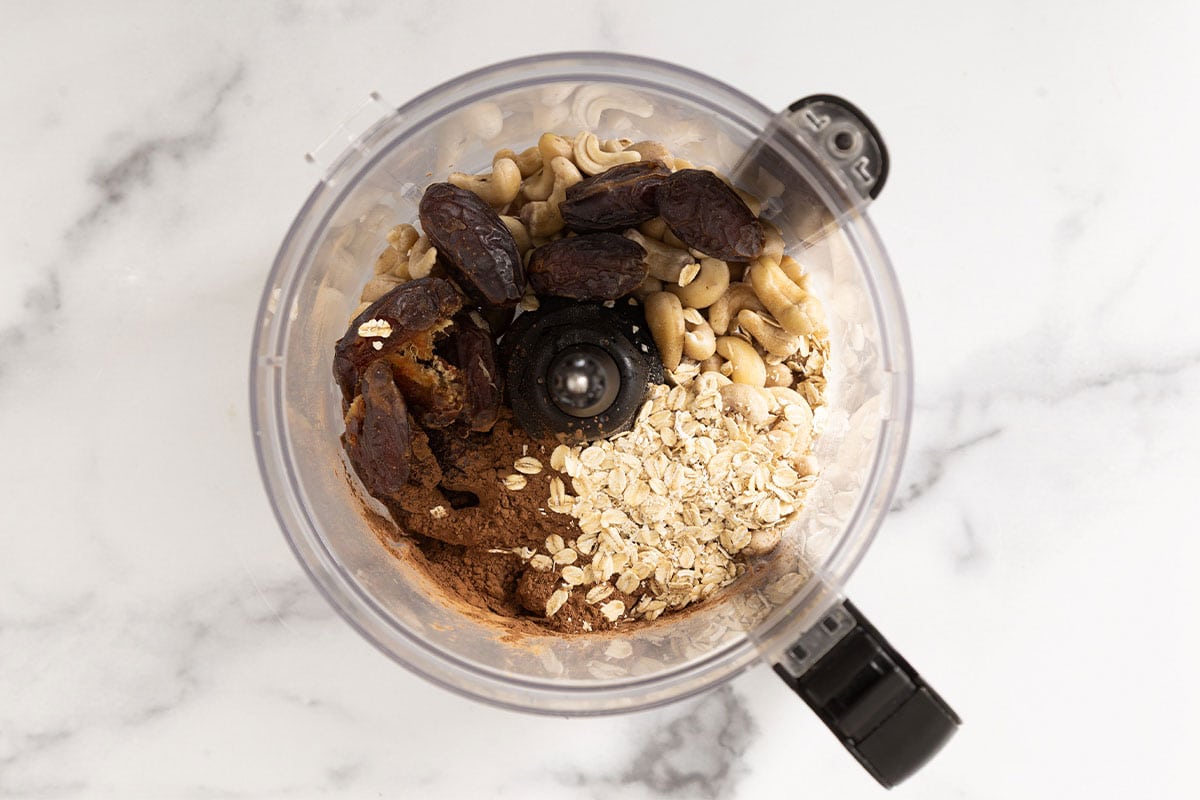
The Chocolate Bliss Ball represents a departure from traditional confectionery by utilizing a specific ratio of fats, fibers, and natural sugars. The foundational components—dates, cashews (or sunflower seeds for nut-free environments), cocoa powder, and vanilla—serve dual purposes as both structural elements and nutritional delivery systems.
Dates, the primary ingredient, function as a natural glycemic regulator in this context. While high in natural sugars, they are also rich in dietary fiber, which slows the absorption of glucose into the bloodstream. This prevents the "sugar crash" often associated with traditional chocolate snacks. Furthermore, the inclusion of cashews introduces monounsaturated fats and plant-based proteins, which are essential for satiety. For consumers managing allergies, the substitution of raw sunflower seeds maintains the structural integrity of the snack while adhering to strict "nut-free" protocols now common in educational and childcare facilities.
Chronology of Production: From Raw Material to Finished Good
The manufacturing process for these snacks, while accessible for home preparation, follows a logical sequence of hydration, emulsification, and stabilization. This methodology ensures that the final product maintains a shelf-stable consistency without the use of chemical preservatives.
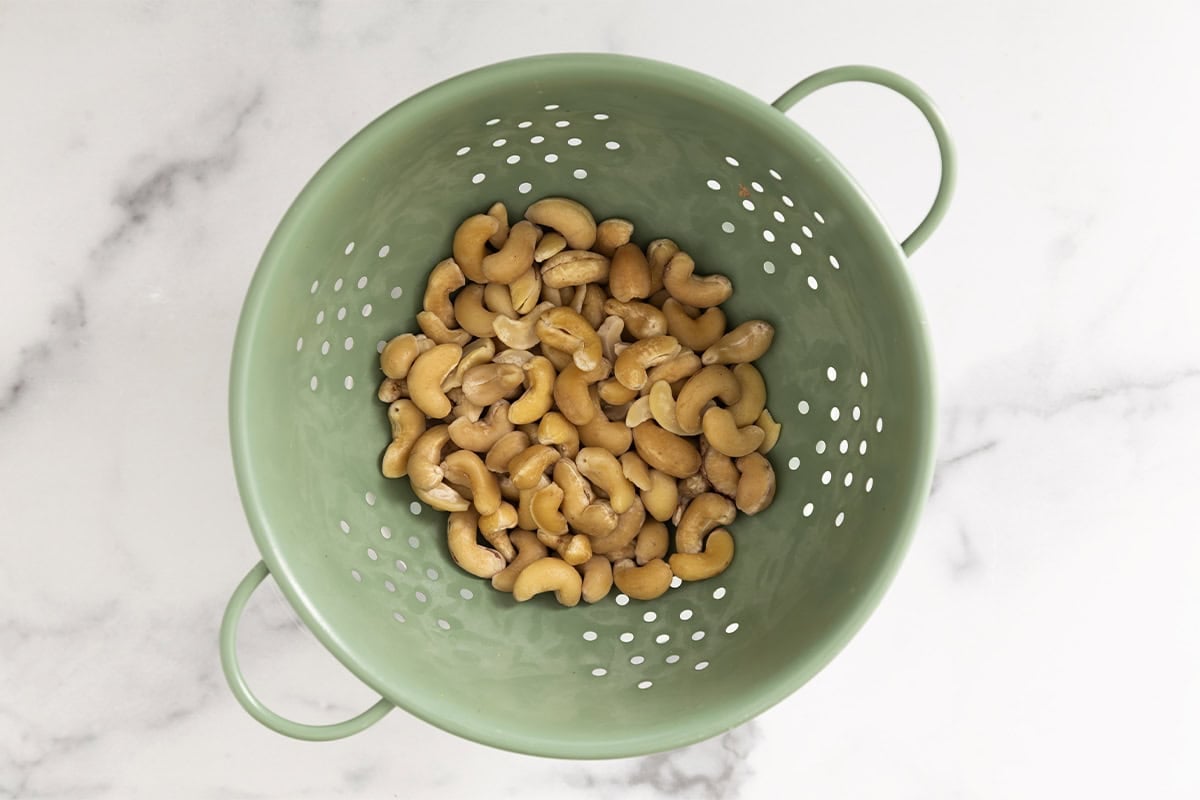
- Hydration Phase: The process begins with the soaking of the base protein (cashews or sunflower seeds). This step is critical for softening the cellular structure of the seeds, allowing for a smoother texture during the processing phase.
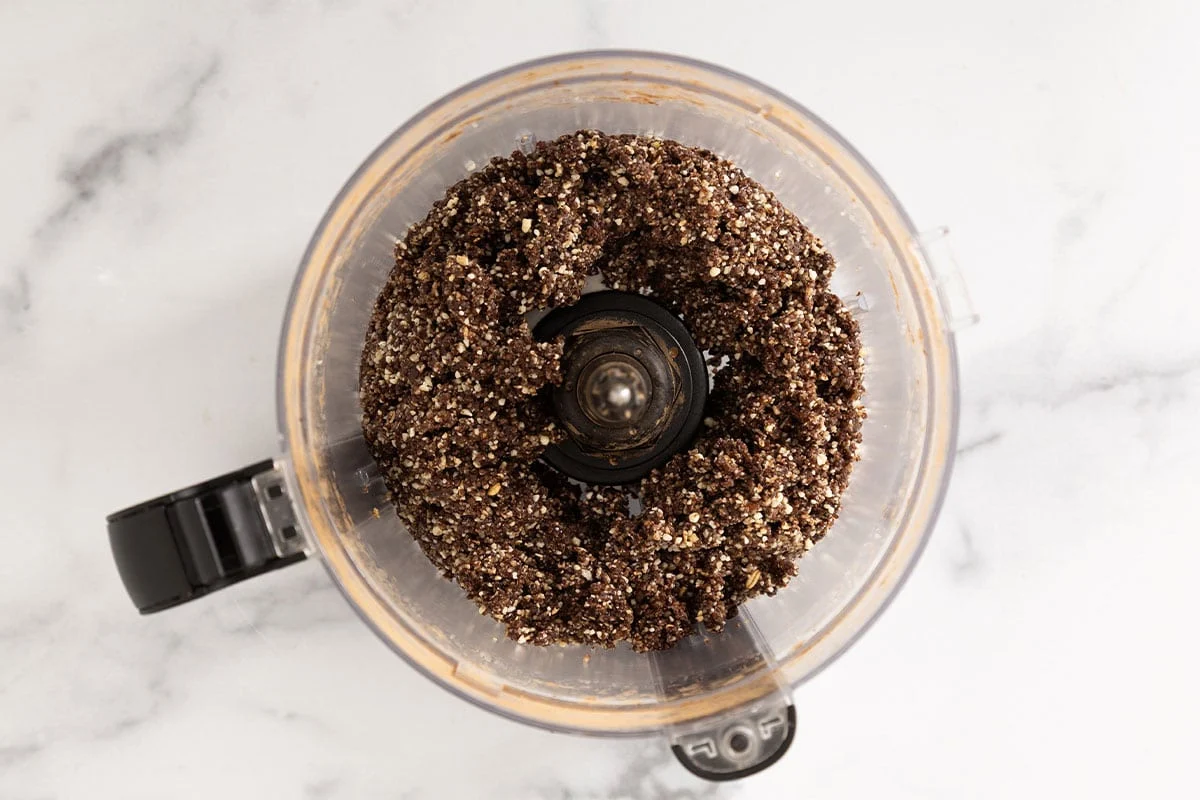
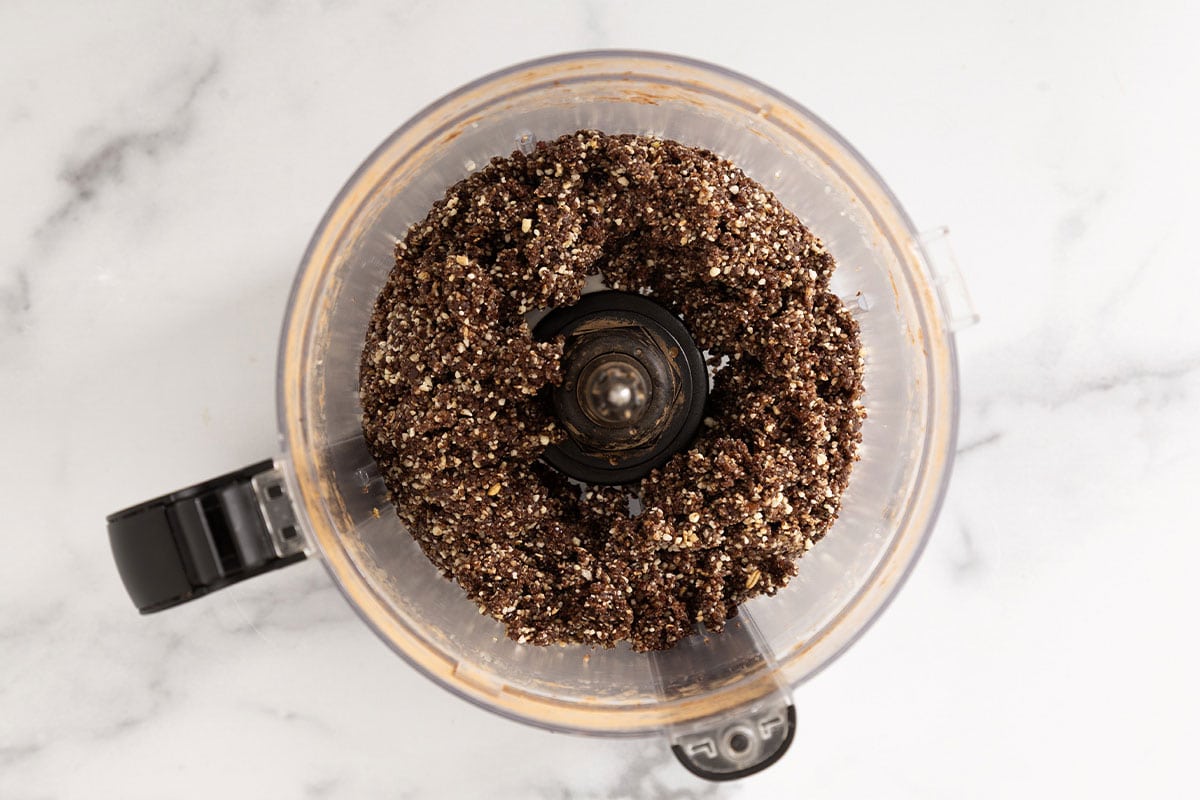
- Mechanical Processing: Following hydration, the ingredients are introduced to a high-speed food processor. This stage involves the pulse-grinding of dates and nuts into a homogenous paste. The cocoa powder and vanilla are integrated here to ensure even distribution of flavor.
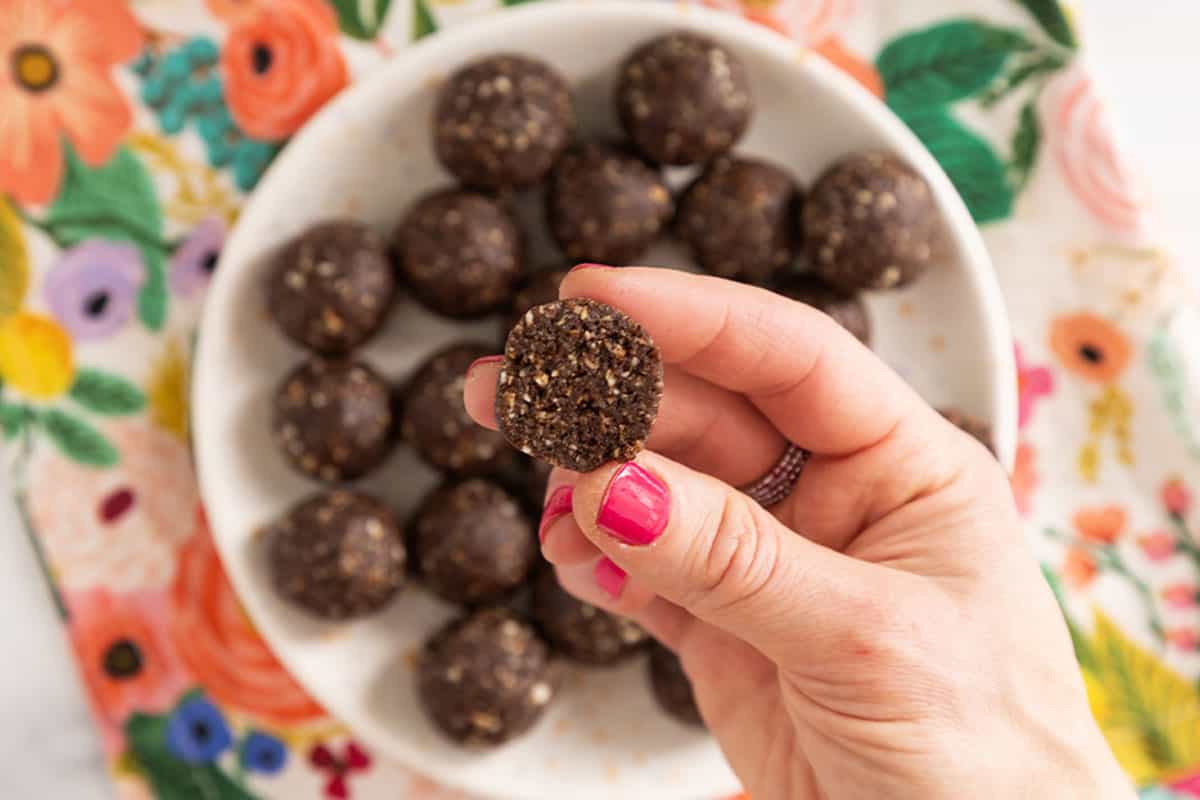
- Forming and Portioning: The resulting batter is rolled into uniform spheres. This phase often utilizes specialized tools, such as mini ice cream scoops, to ensure consistent portion sizes, which is vital for accurate caloric tracking.
- Stabilization and Storage: The final product is moved to a cold-storage environment. While these snacks can be consumed immediately, refrigeration for up to two weeks allows the fats to stabilize, resulting in a firmer, more resilient texture.
Statistical Overview and Nutritional Analysis
The data surrounding the Chocolate Bliss Ball reveals a profile optimized for moderate caloric intake and high nutrient density. According to standardized nutritional tracking for a two-ball serving, the product yields approximately 135 calories. The breakdown of macronutrients is as follows:
- Total Carbohydrates: 15g (primarily derived from date-based glucose and fructose)
- Dietary Fiber: 2g (8% of the daily recommended value for toddlers)
- Protein: 3g (essential for muscle repair and growth in developing children)
- Total Fat: 8g (with only 2g of saturated fat, the majority being heart-healthy unsaturated fats)
- Sugar: 9g (100% naturally occurring; zero added refined sugars)
In addition to macronutrients, the snacks provide significant micronutrients, including 218mg of potassium and 1mg of iron. This profile makes the snack particularly attractive for specific demographic groups, including pregnant women requiring sustained energy and postpartum mothers seeking calorie-dense, easy-to-consume nutrients to support lactation and recovery.
Market Response and Expert Perspectives
Nutritionists and pediatric dietitians have increasingly advocated for "no-bake" snack solutions as a means of improving dietary compliance among picky eaters. The "chocolate" flavor profile, derived from unsweetened cocoa, serves as a psychological bridge for children accustomed to traditional sweets.
"The success of the bliss ball phenomenon lies in its ability to mimic the texture and flavor of a truffle while delivering the nutritional benefits of a handful of nuts and fruit," says a leading dietary consultant. "By removing the baking process, we also preserve the integrity of certain heat-sensitive nutrients found in raw nuts and seeds."
Furthermore, the versatility of the recipe allows for the inclusion of "functional" additives. While the base recipe calls for five ingredients, market data suggests that consumers frequently augment these snacks with ground flaxseeds, chia seeds, or hemp hearts to increase Omega-3 fatty acid content. The ability to customize the product without altering the fundamental chemistry of the "no-bake" bond is a significant factor in its widespread adoption.
Addressing the Nut-Free Mandate in Schools
As the prevalence of nut allergies has increased by approximately 50% among children since the late 1990s, the "nut-free" alternative for Chocolate Bliss Balls has become a critical component of its marketability. The use of raw sunflower seeds provides a nearly identical textural experience to cashews, ensuring that children with allergies do not feel socially isolated by their dietary restrictions. This adaptation aligns with the policies of thousands of school districts across North America and Europe that have implemented "Green Zone" or "Nut-Aware" lunchroom policies.
Broader Economic and Environmental Implications
The rise of homemade, no-bake snacks also carries economic and environmental weight. The reduction in single-use plastic packaging—common in pre-packaged "granola bars" or "fruit snacks"—offers a lower carbon footprint for the environmentally conscious household. Economically, the bulk purchase of dates and seeds significantly reduces the "price per serving" compared to premium store-bought energy bars, which can retail for three to four times the cost of a home-produced bliss ball.
Moreover, the "store-well" nature of the product addresses the issue of food waste. With a two-week refrigerator shelf life and the ability to be frozen for up to three months, these snacks provide a durable solution for meal-prepping families, reducing the likelihood of fresh produce spoilage.
Conclusion: The Future of Functional Snacking
The Chocolate Bliss Ball is more than a simple recipe; it is a microcosm of the current evolution in human nutrition. By synthesizing traditional ingredients with modern processing techniques, it satisfies the dual demand for convenience and health. As the public becomes increasingly literate in reading nutritional labels and understanding the glycemic index, the popularity of such "bliss-style" snacks is projected to grow.
The implications for public health are notable. By replacing high-fructose corn syrup and hydrogenated oils with date paste and plant-based fats, families are effectively reducing the long-term risk factors associated with metabolic syndrome and childhood obesity. The Chocolate Bliss Ball stands as a testament to the fact that the future of snacking may not be found in a laboratory, but in the thoughtful combination of a few raw, powerful ingredients.
As we look toward the next decade of food trends, the emphasis on "whole-food" snacks that require no heat and offer high shelf stability will likely dominate the market. The simplicity of the five-ingredient Chocolate Bliss Ball serves as a blueprint for this transition, proving that nutritional excellence and culinary appeal are not mutually exclusive. Through continued education and the sharing of such accessible nutritional solutions, the shift toward a healthier, more sustainable snacking culture remains firmly in motion.
