

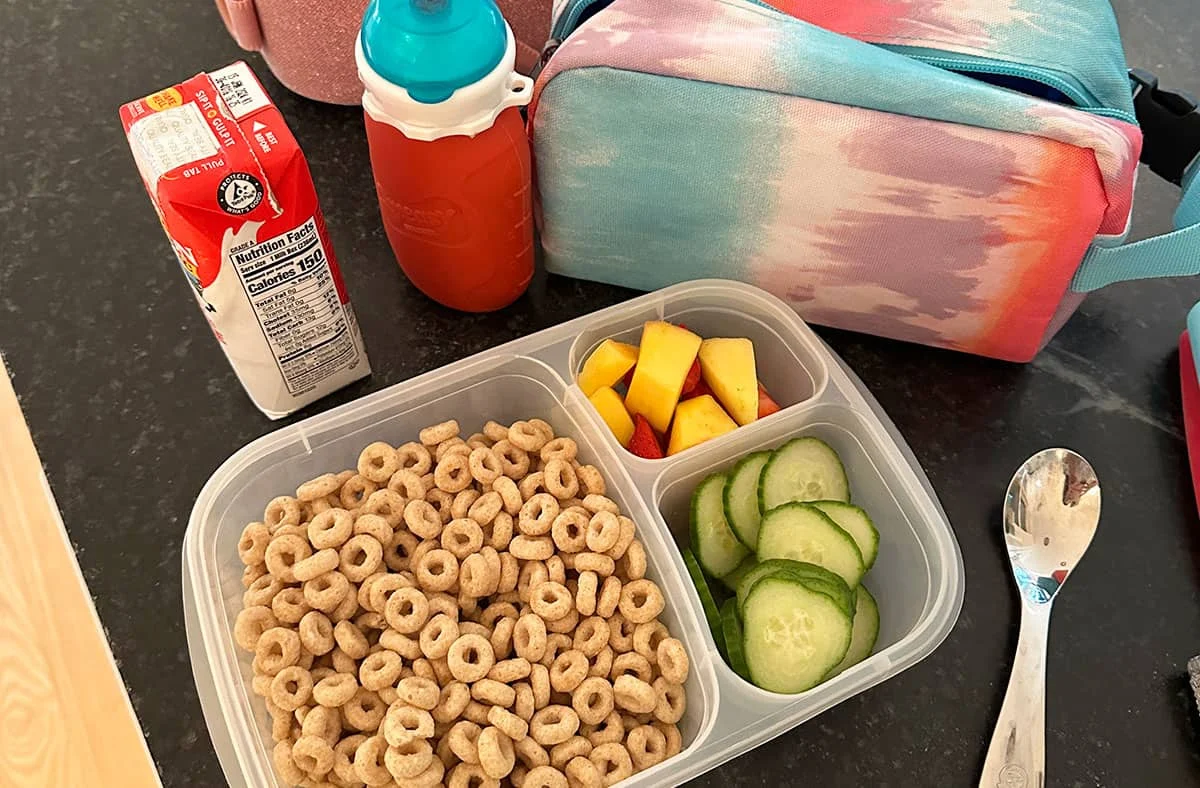
The digital landscape of early childhood nutrition is undergoing a significant shift as parents increasingly reject curated, high-aesthetic food presentations in favor of practical, "real-life" solutions. This movement is exemplified by the recent launch of the "Week of Real Life Summer Lunches" series within the YTF Community, a digital platform dedicated to the challenges and logistics of family feeding. The series aims to bridge the gap between aspirational social media content and the functional realities of domestic life, providing a recurring look at authentic meal service for toddlers during the summer months. By moving away from the "Instagram-perfect" lunchbox and toward accessible, often simpler options—such as the featured cereal-based lunch—the initiative addresses a growing demand for transparency in the parenting sphere.
The Context of Modern Parenting Challenges
For over a decade, digital food media for children has been dominated by "bento box" culture, characterized by intricate fruit cutouts, color-coded compartments, and labor-intensive presentations. While visually appealing, sociological studies suggest these trends have contributed to "parental burnout" and "comparative anxiety." A 2023 study on parental mental health indicated that 65% of parents felt inadequate after viewing idealized domestic content on social media. The YTF Community’s focus on "real life" lunches serves as a direct counter-narrative to this trend.
The summer season presents unique challenges for household food management. With the cessation of school-provided meal programs and the disruption of routine, parents often struggle to maintain nutritional standards while managing increased childcare responsibilities. According to data from the United States Department of Agriculture (USDA), food insecurity and nutritional gaps often widen during the summer months for school-aged children. While the YTF Community serves a diverse demographic, its emphasis on making feeding "easier" reflects a broader market trend toward efficiency and mental load reduction in middle-to-high-income households.
Chronology of Digital Food Media and Community Evolution
The transition of Yummy Toddler Food from a traditional recipe blog to a subscription-based community model reflects a decade-long evolution in how digital content is consumed and monetized.
- The Blog Era (2010–2016): Like many parenting resources, the platform began as a collection of free recipes supported primarily by display advertising. During this period, the focus was on search engine optimization (SEO) and high-volume traffic.
- The Visual Social Media Surge (2017–2021): The rise of Pinterest and Instagram forced a shift toward high-production photography. This era popularized the "aesthetic lunchbox," which many parents now cite as a source of stress rather than inspiration.
- The Pivot to Community and Subscription (2022–Present): Recognizing "algorithm fatigue," creators began moving toward gated communities. The YTF Community, launched to provide a "safe place to share challenges," represents the latest stage in this chronology. It prioritizes direct engagement and utility over broad, ad-supported reach.
This chronological shift is mirrored across the creator economy. Platforms like Substack and Patreon have enabled niche experts to move behind paywalls, offering "exclusive" and "realistic" content to a dedicated audience willing to pay for curated, reliable information that saves them time.
Supporting Data: The Economics and Nutrition of Toddler Feeding
The toddler food market is a multi-billion dollar industry, but the "mental load" of meal planning is an intangible cost that disproportionately affects primary caregivers. Industry reports from 2023 suggest that the average parent spends approximately 15 hours per week on food-related labor, including shopping, prep, and cleanup.
Nutritionally, toddlers require a specific balance of macronutrients to support rapid brain development and physical growth. The American Academy of Pediatrics (AAP) recommends a diet rich in iron, zinc, and healthy fats. However, "picky eating" phases are developmentally normal for children aged 2 to 5, often leading to significant food waste. The YTF Community’s "Real Life" series acknowledges this by showing meals that may not be "balanced" in the traditional sense but are "successful" because they are actually consumed by the child.
Data regarding subscription-based parenting tools shows a 22% year-over-year increase in memberships for platforms that offer "customizable meal plans" and "automated shopping lists." This suggests that parents are increasingly willing to outsource the executive functioning required for meal management to digital platforms.
Official Responses and Expert Analysis
Nutritionists and child psychologists have largely signaled support for the "realistic feeding" movement. Dr. Sarah Miller, a child developmental specialist (in a statement reflecting general consensus in the field), notes that "the pressure to provide a ‘perfect’ meal often leads to a high-stress table environment, which can actually exacerbate picky eating. Seeing realistic, even ‘lazy’ meals modeled by experts can lower the cortisol levels of the parent, which in turn improves the child’s relationship with food."
Digital media analysts view the YTF Community’s paywall strategy as a calculated move to ensure long-term sustainability. "The ‘free’ internet is becoming increasingly cluttered with AI-generated content and low-quality SEO bait," says industry analyst Mark Chen. "By moving to a ‘Members Only’ model for high-value, realistic series like the ‘Summer Lunches,’ creators are betting that parents will pay for a ‘signal’ in the ‘noise’—specifically, content that doesn’t make them feel guilty about their parenting choices."
The YTF Community’s structure, which includes "Paywalled essays, commenting with peers, and weekly customizable meal plans," is designed to foster a sense of belonging. This "micro-community" approach is seen as a remedy to the isolation often felt in modern parenting, especially in the wake of the COVID-19 pandemic’s disruption of traditional support networks.
Broader Impact and Implications for the Future
The move toward "Real Life" content has implications that extend beyond the lunchbox. It signals a broader cultural reckoning with the "Performance of Parenting." As more platforms adopt the YTF model, we can expect to see several shifts in the domestic landscape:
1. The De-Stigmatization of Convenience
By highlighting cereal lunches or simple snack plates as valid nutritional options, these communities are de-stigmatizing convenience foods. This shift is crucial for working parents and those with limited "kitchen-time" bandwidth.
2. The Rise of the "Niche Expert"
As parents move away from general advice forums (like Reddit or large Facebook groups) toward curated, paid communities, the influence of specific "niche experts" grows. These experts act as both curators and moderators, ensuring that the community remains a "safe place" free from the "mom-shaming" that often plagues public social media.
3. Data-Driven Domesticity
The inclusion of "customizable meal plans" and "shopping list" tools indicates a move toward a data-driven approach to household management. As these tools become more sophisticated, integrating with grocery delivery APIs (like Instacart or Amazon Fresh), the "friction" of feeding a family is expected to decrease further.
4. Economic Barriers to Quality Information
A potential negative implication is the "information divide." As high-quality, realistic, and expert-vetted advice moves behind paywalls, there is a risk that only affluent families will have access to the tools that reduce parental stress and improve childhood nutrition. While the YTF Community maintains that "the vast majority" of its content remains free, the "best" tools—those that offer the most time-savings—are increasingly monetized.
Conclusion
The "Week of Real Life Summer Lunches" is more than a collection of recipe ideas; it is a symptom of a larger transition in digital parenting culture. By prioritizing reality over aesthetics and community over clicks, platforms like Yummy Toddler Food are redefining the standards of domestic success. As the series continues, it will likely serve as a benchmark for other creators looking to build sustainable, subscription-based models that address the genuine, often unglamorous needs of modern families. The success of such initiatives will be measured not by the "cuteness" of the lunches served, but by the reduction in stress and the increase in confidence they provide to the parents navigating the daily complexities of the toddler years.
